You scroll through a fast-fashion app. Shorts for $12.99. Shorts for $9.99. A buy-one-get-one-free pop-up flashes. The images are glossy. The models are aspirational. You feel the pull of the deal. But you also remember the last pair of cheap shorts you bought. The fabric pilled after three washes. The color faded into a sickly shade. The seam split at the crotch. They went into the donation bag, or the trash, after one summer. You felt a quiet frustration. You knew you had wasted your money. You are not alone. Millions of consumers are having this same experience. A slow, quiet disillusionment with disposable fashion is building. Beneath the surface of the fast-fashion-dominated market, a counter-current is gaining strength. The demand for garments that last. The demand for classic shorts. The future of the classic short is not threatened by fast fashion. It is defined by the growing consumer rejection of fast fashion's failures.
The future of classic shorts in the fast-fashion-dominated market is growth driven by the accelerating consumer shift toward quality, sustainability, and cost-per-wear value. Fast fashion created a massive market for shorts by making them cheap and accessible. It also created a massive dissatisfaction with shorts that fall apart. The classic short, with its durable fabric, timeless silhouette, and versatile wearability, is the answer to that dissatisfaction. The future will see classic shorts gain market share as consumers, particularly Gen Z and Millennials, increasingly reject disposable clothing in favor of fewer, better garments. The classic short will be sold not on trend, but on transparency, material provenance, and a promise of longevity. This is a structural shift, not a passing trend, and it rewards brands and distributors who invest in quality and storytelling now.
At Shanghai Fumao, I have a front-row seat to this shift. Our order book tells the story. Brands that produce classic, quality shorts are growing. Their reorder rates are increasing. Their customers are asking about fabric origin, certifications, and durability. The conversation has changed. This article explores the forces shaping the future, the consumer behaviors driving the shift, the marketing narratives that will win, and the sourcing strategies that will position a brand for the coming decade.
How Is Consumer Fatigue with Fast Fashion Creating New Demand for Classics?
Fast fashion has done something unexpected. It has become the most effective marketing campaign for quality clothing. Every consumer who buys a $12 pair of shorts and watches them disintegrate in the wash is a consumer who is being educated, painfully, about the value of quality. This education is happening on a massive scale. Social media is filled with videos of fast-fashion hauls that fall apart, comparison reviews showing cheap shorts versus quality shorts, and influencers advocating for "buy less, buy better." The backlash against disposable fashion is no longer a niche movement. It is entering the mainstream.
I spoke with a brand owner who launched a classic short line three years ago. Her target customer was originally women over 35 who remembered quality clothing. She was surprised to find that her fastest-growing customer segment was women under 30. These were customers who had grown up with fast fashion. They had experienced its failures firsthand. They were seeking something better. They were willing to pay $78 for a pair of shorts that would last, after wasting hundreds of dollars on shorts that did not. The consumer shift from fast fashion to quality basics is documented in multiple surveys. The trend is measurable. The classic short is a primary beneficiary.
The fatigue is not just emotional. It is rational. Consumers are calculating cost-per-wear. They are considering the environmental cost. The classic short wins on both calculations. Let's examine these two powerful drivers.
Why Is Cost-Per-Wear Becoming the Dominant Consumer Calculation?
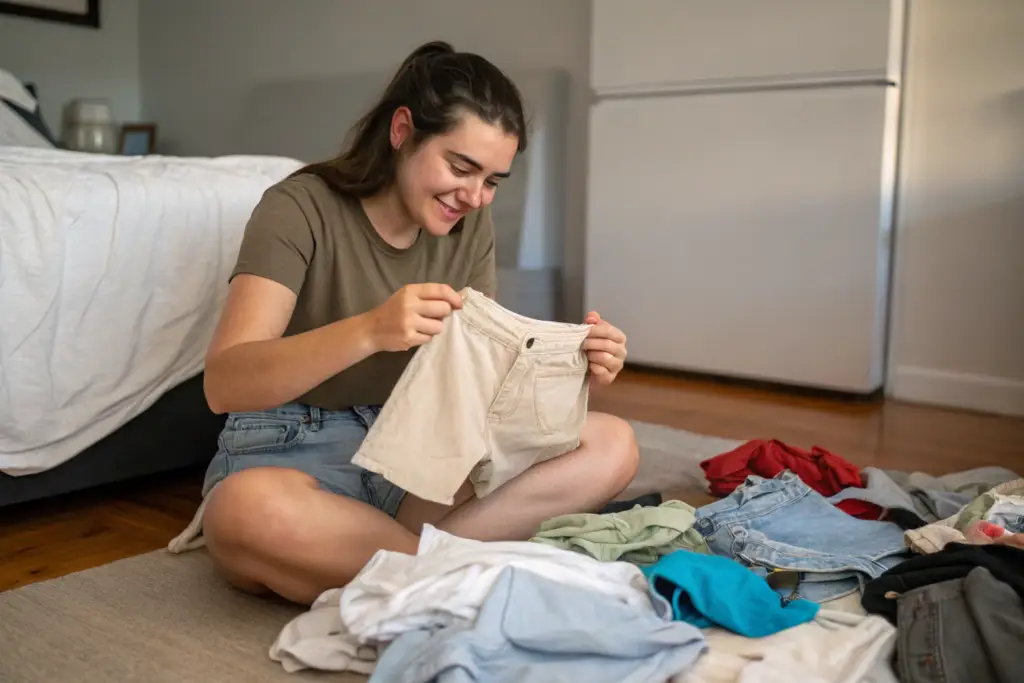
A consumer buys a $15 fast-fashion short. She wears it ten times before it pills, fades, and loses its shape. The cost-per-wear is $1.50. She buys an $85 classic twill short. She wears it sixty times over three summers. It still looks good. The cost-per-wear is $1.42. The classic short was actually cheaper. This math is being shared widely on social media, in personal finance blogs, and in sustainability forums. Consumers are doing the calculation.
The cost-per-wear analysis in apparel purchasing is a growing consumer behavior. It favors durable, versatile, timeless garments. The classic short, with its multi-year lifespan and its ability to pair with everything in a wardrobe, has an exceptionally low cost-per-wear. This rational economic argument is more powerful than any fashion trend. It is a permanent shift in how value is perceived.
How Is the Sustainability Movement Driving a Permanent Shift Toward Durable Classics?
The environmental impact of fast fashion is no longer a secret. Documentaries, news reports, and social media campaigns have exposed the waste, the water pollution, and the carbon footprint of disposable clothing. A growing segment of consumers is actively seeking to reduce their clothing waste. The most impactful action a consumer can take is to buy fewer, higher-quality garments and wear them for longer.
The classic short is the embodiment of this principle. It is designed to last. It is made from natural, biodegradable fibers. It does not chase a trend that will be over in three months. It is the anti-fast-fashion garment. The sustainability and fashion consumer behavior research shows that "buying durable classics" is one of the top sustainable fashion actions consumers intend to take. The classic short is positioned perfectly at the intersection of this consumer intent and a core wardrobe need.
What Consumer Demographics Will Drive Classic Shorts Growth in the Next Decade?
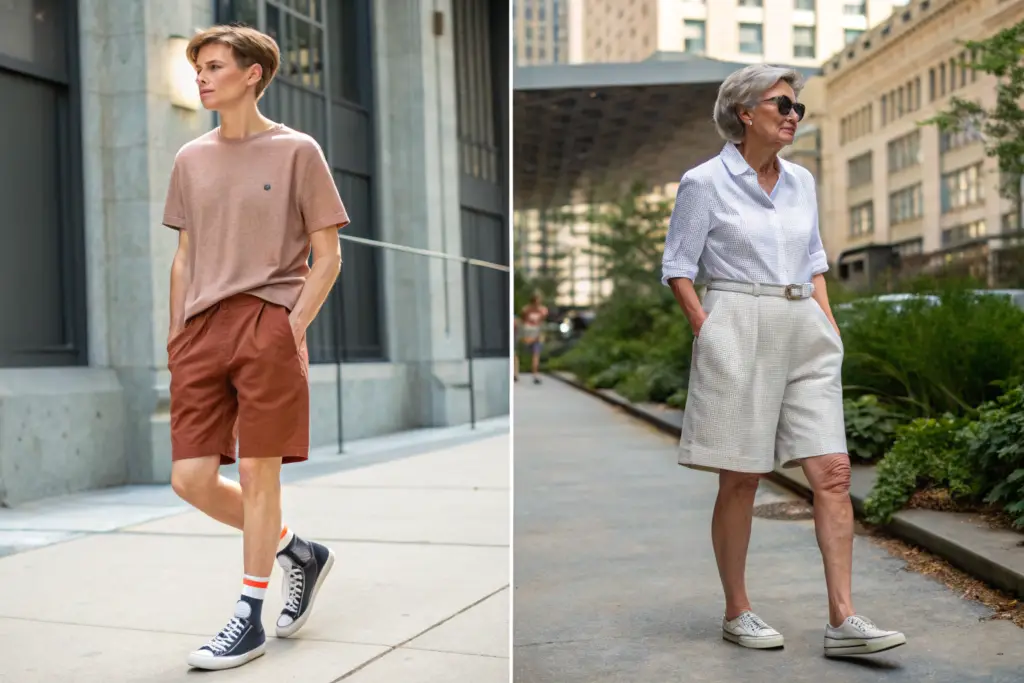
The classic short is not a niche product for a specific age group. It has broad, and growing, demographic appeal. Two demographic groups in particular will drive the growth of the classic short market in the coming decade. Gen Z, the generation born between the late 1990s and early 2010s, and the over-50 consumer, a large and affluent demographic. These two groups are converging on the classic short from different directions. Gen Z is discovering quality after a youth of fast fashion. The over-50 consumer is returning to the classics they have always trusted, with increased purchasing power and a desire for comfort and quality.
Our brand partners report growth from both ends of the age spectrum. A streetwear-influenced brand we supply is selling a relaxed twill short to 22-year-old men who style it with vintage sneakers and oversized tees. A resort wear brand we supply is selling a tailored linen-blend short to 60-year-old women who wear it on vacation and to casual lunches. The classic short is the rare product that spans generations. The demographic trends in apparel consumption data shows the spending power of both Gen Z and the over-50 demographic. Brands that can speak to both, or that choose one and serve it deeply, will capture this growth.
Gen Z is not a monolith. But a significant and influential segment is embracing quality and vintage aesthetics. The over-50 consumer is often overlooked by fashion marketing but has immense spending power. Let's examine both groups.
How Is Gen Z Redefining "Classic" Through a Vintage and Sustainability Lens?
For a segment of Gen Z, classic does not mean boring. It means authentic. They are drawn to vintage clothing, heritage brands, and garments with a story. A pair of shorts that looks like it could have been worn in the 1980s or 1990s, but with a modern fit, appeals to their aesthetic. They value sustainability not just as an abstract concept, but as a personal identity marker. They want to be seen as someone who shops secondhand, buys quality, and rejects fast fashion.
The classic short, especially in vintage-inspired washes, raw hems, or heritage fabrics like selvedge twill, taps directly into this Gen Z value system. The Gen Z fashion preferences and sustainability research confirms this trend. This generation is not rejecting shorts. They are rejecting cheap, meaningless shorts. The classic short, re-contextualized with a vintage lens, is exactly what they are looking for.
Why Is the Over-50 Consumer a Loyal, High-Spend Market for Classic Shorts?
The over-50 consumer has significant disposable income. She knows what she likes. She values comfort, quality, and fit over trend. She is not interested in experimenting with radical silhouettes or cheap fabrics. She wants a pair of shorts that fits her body, feels good on her skin, and looks appropriate for her lifestyle. When she finds that short, she buys it in multiple colors. She returns to the same brand year after year. She tells her friends. She is the most loyal and valuable customer in the apparel market.
The classic short, with its elastic-waist options, its forgiving twill fabrics, and its timeless colors, is the ideal product for this consumer. The over-50 consumer spending on apparel data shows this demographic is underserved by fashion marketing but over-indexes on spending for quality basics. A brand that respectfully and authentically serves this customer with a well-made classic short will earn a lifetime of loyalty.
What Marketing Narratives Will Sell the Classic Short in a Trend-Obsessed World?
In a market dominated by fast fashion's marketing noise, the classic short must be sold differently. It cannot compete on newness, because it does not change every season. It cannot compete on price, because it costs more to make. It must compete on substance. The marketing narrative must shift from "what is new" to "what is true." The fabric weight, the stitch density, the zipper brand, the factory's ethical certifications. These are the selling points. They are not glamorous, but they are real. And they resonate with a growing consumer base that is tired of being lied to by marketing.
I advise our brand partners to lead with specifications in their product descriptions. Do not just say "high-quality shorts." Say "280 GSM cotton twill, woven in a third-generation mill, pre-shrunk to prevent shrinkage, with a YKK zipper and reinforced pocket corners." This level of detail communicates competence and trustworthiness. It educates the customer. It gives her a reason to pay more. The product transparency as a marketing strategy article explains this approach. The classic short is a product that benefits from honest, detailed, specification-driven marketing.
The marketing narrative should focus on transparency and longevity. These are the two values that differentiate a classic short from a fast-fashion short. Let's explore how to build these narratives.
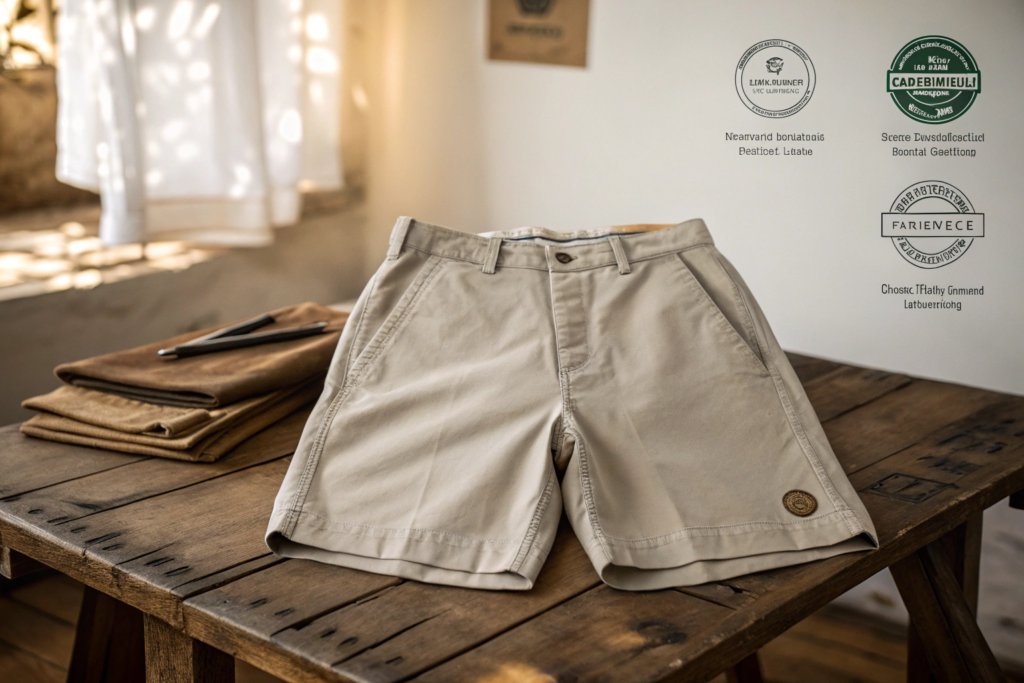
How Can Transparency About Materials and Manufacturing Build Brand Trust?
Tell the customer where the fabric came from. "Woven by a family-owned mill in Jiangsu, using long-staple cotton." Tell the customer how the short was made. "Sewn in a BSCI-certified factory where workers earn a living wage." Show photos of the factory floor. Show the fabric inspection process. Show the quality control checklist. This transparency is radical in an industry built on opacity. It immediately differentiates the brand from the anonymous fast-fashion giants.
Transparency builds trust. Trust builds loyalty. A customer who trusts a brand will pay a premium. The transparency in fashion supply chains article documents this consumer response. The classic short, with its simple, traceable supply chain, is the perfect product for a transparency-driven marketing strategy.
Why Does a "Guaranteed for 50 Washes" Promise Outperform Trend-Based Marketing?
A trend-based marketing message says, "This is the color of the season." It has a shelf life of three months. A durability-based marketing message says, "This short is guaranteed to look great for 50 washes." It has a shelf life of years. The durability promise is a powerful differentiator. It directly addresses the consumer's pain point with fast fashion. It puts a measurable, credible stake in the ground.
A brand that stands behind its product with a specific durability guarantee, and honors it with a replacement or refund policy, creates an unassailable competitive advantage. Fast fashion cannot make this promise. Its products would not survive the guarantee. The durability guarantees in apparel marketing guide explores this strategy. The classic short is one of the few apparel products that can credibly support a durability guarantee.
How Should Brands and Distributors Source to Prepare for the Future?
The future of the classic short is quality, transparency, and sustainability. Brands and distributors must align their sourcing strategies with these values. The factory partner must be able to provide the certifications that back up the brand's marketing claims. GOTS for organic cotton. GRS for recycled content. Oeko-Tex for product safety. BSCI for ethical manufacturing. These certifications are not just nice-to-have. They are becoming prerequisites for access to certain retail channels and certain consumer segments.
I have helped several brand partners transition their classic short programs to sustainable materials. The transition is a journey, not a switch. Start with one component. The pocket lining in recycled polyester. The main fabric in organic cotton. Add one certification per season. Communicate the progress honestly to the customer. "We are on a journey to 100% sustainable materials. This season, our pocket linings are made from recycled polyester." The customer appreciates the honesty and the progress. The sustainable sourcing roadmap for apparel brands provides a step-by-step plan.
The sourcing strategy must prioritize certifications, quality consistency, and a partnership model that supports long-term growth. Let's examine the key elements.

What Certifications Will Be Non-Negotiable for Retailers and Consumers?
Oeko-Tex Standard 100 is becoming the baseline requirement for any apparel sold in the European Union and is increasingly expected by U.S. retailers. It certifies the product is free from harmful substances. GOTS, the Global Organic Textile Standard, is the gold standard for organic cotton claims. GRS, the Global Recycled Standard, certifies recycled content. BSCI or WRAP certifies ethical manufacturing. These four certifications will be the minimum requirement for a classic short to be sold through reputable retail channels within the next five years.
A brand that invests in these certifications now gains a competitive advantage. The essential apparel certifications for the future market guide provides an overview. A distributor should only partner with factories that hold these certifications or have a clear plan to obtain them.
How Can a Partnership Model with a Quality Factory Future-Proof Your Supply Chain?
The future is not about transactional sourcing, finding the cheapest factory for each order. It is about building a long-term partnership with a quality factory. A partner factory invests in understanding the brand's standards. It holds fabric inventory for the brand. It collaborates on sustainability initiatives. It provides transparent costing. It communicates proactively. This partnership model reduces risk, improves consistency, and enables the joint planning needed to navigate a changing market.
A brand that switches factories every season to save $0.50 per unit will not survive the shift to transparency and sustainability. The strategic supplier partnership model is the sourcing strategy for the future. The classic short, with its stable, repeatable production, is the ideal product for a long-term factory partnership.
Conclusion
The future of classic shorts in a fast-fashion-dominated market is strong. Fast fashion has inadvertently created the conditions for the classic short's resurgence. It has educated a generation of consumers about the true cost of cheap clothing. It has created a hunger for quality, durability, and authenticity. The classic short delivers on these values. It has a superior cost-per-wear. It aligns with the sustainability movement. It appeals to both Gen Z vintage enthusiasts and loyal over-50 customers. It can be marketed on transparency and durability, a narrative that fast fashion cannot copy.
The brands and distributors that will win in this future are those that invest in quality specifications, sustainable certifications, transparent marketing, and long-term factory partnerships. The fast-fashion model is a race to the bottom. The classic short model is a climb to sustainable, profitable growth. The choice is clear.
At Shanghai Fumao, we are aligned with this future. We hold Oeko-Tex and BSCI certifications. We are expanding our GOTS and GRS certified fabric options. We provide the technical specifications and the factory transparency that brands need to market their classic shorts credibly. We view our clients as long-term partners, not one-time transactions. If you are planning for the future of your classic shorts program, contact our Business Director, Elaine, at elaine@fumaoclothing.com. She will share our sustainability roadmap and our certification portfolio. Let us build the future together.