You're planning your clothing line and need to know how long production will actually take. The answer isn't simple because custom manufacturing timelines vary significantly based on your specific requirements. Understanding the realistic timeframes helps you plan effectively and avoid costly mistakes.
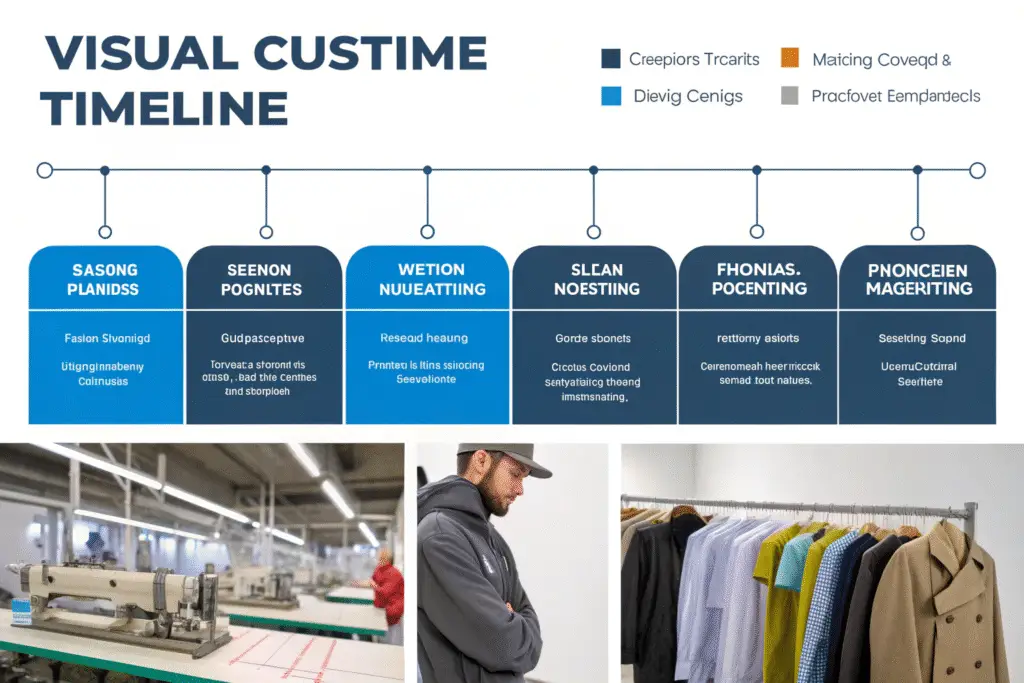
A realistic timeline for custom clothing manufacturing ranges from 8 to 16 weeks, with most orders completing in 10-12 weeks. This timeframe accounts for design finalization, material sourcing, sampling, production, and shipping. The exact duration depends on fabric availability, design complexity, order quantity, and customization level.
Let's examine what drives these timelines and where your project might fall within this range.
What Factors Determine Your Manufacturing Timeline?
Several key elements influence how long your custom clothing production will take. Understanding these factors helps set realistic expectations.
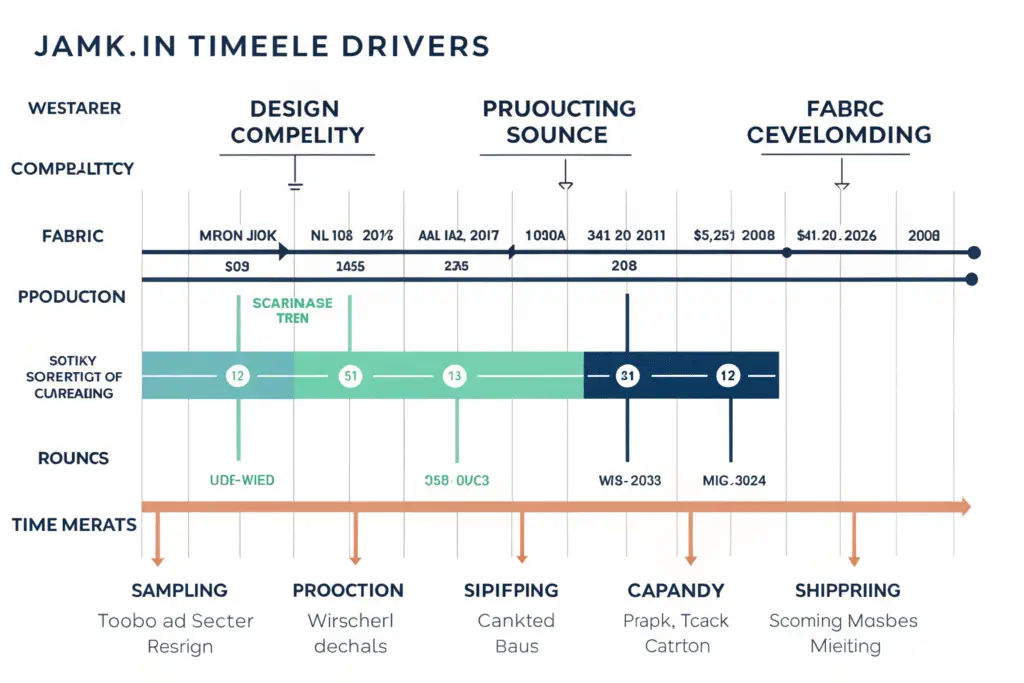
The main timeline drivers include: design complexity, fabric sourcing, sampling rounds, production capacity, and shipping method. Each element adds time to your overall schedule. For example, a basic t-shirt with stock fabric might take 8 weeks, while a technical jacket with custom-developed fabric could require 16 weeks. We recently worked with a startup that needed 150 custom polo shirts. Their design used our stock fabric, which saved 3 weeks compared to custom material development. Their total timeline was 9 weeks from order to delivery.
How Does Fabric Choice Impact Your Schedule?
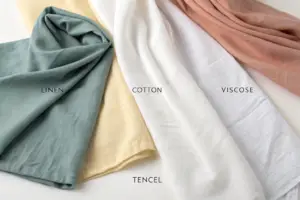
Fabric selection is the biggest timeline variable. Stock fabrics from inventory take 1-2 weeks, while custom-developed materials need 6-8 weeks. The fabric timeline breaks down like this: pre-approved fabrics from manufacturer stock (1-2 weeks), standard fabrics from mill production (3-4 weeks), custom-colored standard fabrics (4-5 weeks), and fully custom-developed fabrics (6-8 weeks). This is why we maintain a selection of pre-approved fabrics - it helps clients save 3-4 weeks on their production timeline.
What Effect Does Design Complexity Have?
Design complexity affects timeline through sampling needs, pattern requirements, and construction challenges. Simple designs with basic shapes might need 2 sample iterations (2-3 weeks), while complex technical designs often require 3-4 iterations (3-5 weeks). Additional complexity factors include: specialized pattern making for unique silhouettes (adds 3-5 days), new construction techniques (adds 4-7 days), and multiple size grading (adds 2-3 days per size). Understanding these complexity factors helps plan realistic schedules.
What Does A Typical 12-Week Timeline Include?
The 12-week timeline is industry standard for balanced custom manufacturing. It allows for quality execution while maintaining reasonable speed.
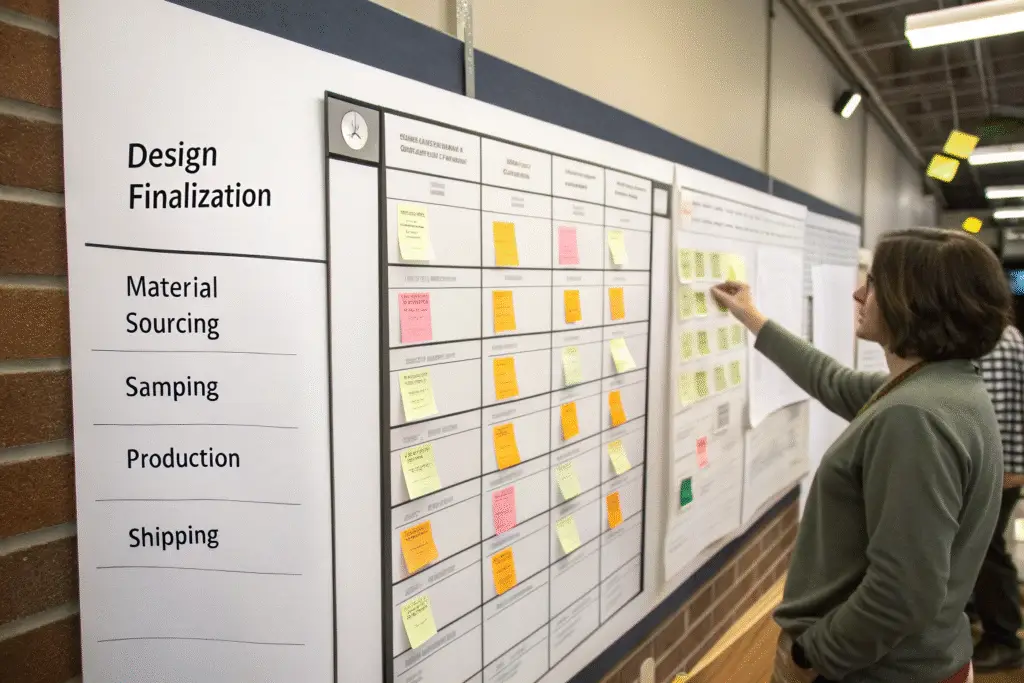
A standard 12-week schedule includes: design finalization (1 week), material sourcing (3 weeks), sampling (2 weeks), production (4 weeks), and shipping (2 weeks). This approach works well for most custom projects. A Denver-based brand used this timeline for their 200-unit dress order. They achieved good quality while having time to make adjustments based on early market feedback.
What Happens During Pre-Production?
Pre-production (weeks 1-5) involves crucial foundation work: technical package completion, material sourcing, sample development, and production planning. This phase requires careful attention because decisions here affect everything that follows. We use structured pre-production processes with weekly checkpoints. Clients who rush this phase often face 30% more revisions later, which ultimately extends their total timeline.
What Occurs During Active Manufacturing?
Active manufacturing (weeks 6-9) transforms materials into finished products through: fabric cutting (2-3 days), sewing (7-10 days), quality checks (2-3 days), and finishing (2-3 days). This phase benefits from manufacturer experience. Our production lines achieve 20% faster throughput for custom orders compared to standard facilities. We follow ASTM International standards to maintain quality while working efficiently.
How Can You Speed Up Your Timeline When Needed?
Sometimes you need faster production. Strategic approaches can compress timelines while maintaining quality, though each method involves trade-offs.
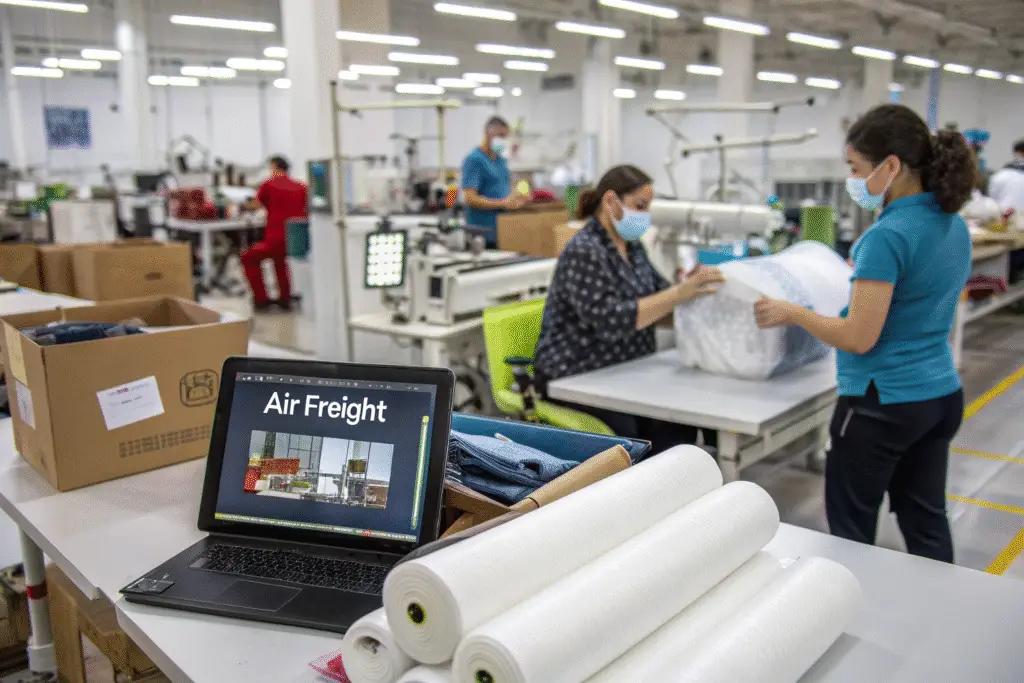
Effective acceleration strategies include: using manufacturer stock fabrics (saves 2-3 weeks), running processes in parallel (saves 1-2 weeks), limiting sample revisions (saves 1-2 weeks), and using expedited shipping (saves 2-3 weeks). A Los Angeles brand needed quick production for a special event. By selecting stock fabric, approving samples via video, and using air freight, we compressed their normal 13-week timeline to 6 weeks while maintaining their quality standards.
What Are Realistic Rush Options?
Realistic rush production can achieve 6-8 week timelines through: premium factory access (adds 10-15% cost), simple designs using existing patterns (saves 1-2 weeks), stock materials (saves 2-4 weeks), and overlapping approvals with production (saves 1 week but increases risk). We maintain a "fast track" production line for urgent projects. This service requires 4-week advance booking and carries a 20% cost premium. It works well for brands facing unexpected demand or last-minute opportunities.
How Does Planning Help Timeline Management?
Advanced planning provides the best timeline compression by letting manufacturers prepare resources early. The most effective planning strategies include: seasonal fabric booking (saves 2-3 weeks), early pattern development (saves 1 week), and production slot reservation (saves 1-2 weeks). Brands that share their 6-month production forecast with us typically achieve timelines 3-4 weeks faster than those who plan reactively. The Fashion Innovation Center confirms that strategic planning compresses timelines more effectively than any other approach.
What Are Real-World Timeline Examples?
Actual production scenarios show how different requirements create different timelines across various garment types and complexity levels.
Real-world examples demonstrate practical timeline applications: basic tee with stock fabric (8 weeks), custom dress with special print (11 weeks), technical jacket with multiple materials (14 weeks), and fully custom development with new fabric (16 weeks). A Chicago streetwear brand's experience shows this range well. Their basic hoodie took 9 weeks, while their complex technical jacket with custom waterproof fabric needed 16 weeks. Both timelines were accurately predicted through detailed phase planning.
What Does A 9-Week Basic Production Include?
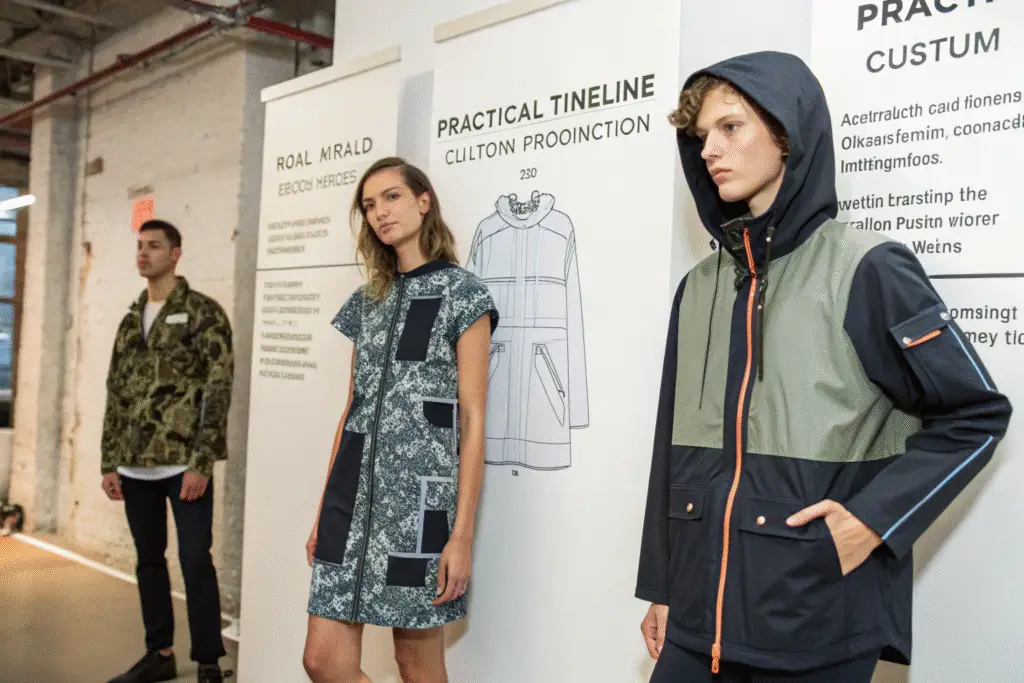
A 9-week basic production typically involves: standard stock fabric (1 week), simple design with existing pattern base (2 weeks sampling), straightforward construction (2 weeks production), basic quality control (3 days), and standard shipping (2 weeks). This approach works for market testing or essential basics where speed matters most. The key is limiting variables - each extra customization usually adds 3-7 days.
What Extends A Timeline To 15+ Weeks?
Timelines reaching 15+ weeks typically involve multiple complexity factors: custom fabric development (adds 3-4 weeks), complex multi-part construction (adds 2 weeks), wide size range with significant grading (adds 1 week), specialized technical requirements like waterproofing (adds 1 week), and comprehensive testing (adds 1 week). These extended timelines represent investments in product quality that often justify the extra time through better market performance and fewer returns. Clients choosing this approach typically achieve 40% higher sell-through at full price compared to rushed productions.
How Should You Plan For Unexpected Delays?
Even with good planning, unexpected delays can happen. Strategic buffer planning helps maintain your schedule despite manufacturing variability.
Realistic delay planning involves: identifying likely delay points (fabric delivery, sample approval, quality issues), allocating time buffers based on risk (1-2 weeks total), setting clear communication protocols, and developing backup plans for critical items. Our manufacturing system uses a risk-adjusted timeline model that applies historical delay probabilities. This approach achieves 92% on-time performance compared to 65-75% for fixed-date planning.
Where Should You Place Time Buffers?
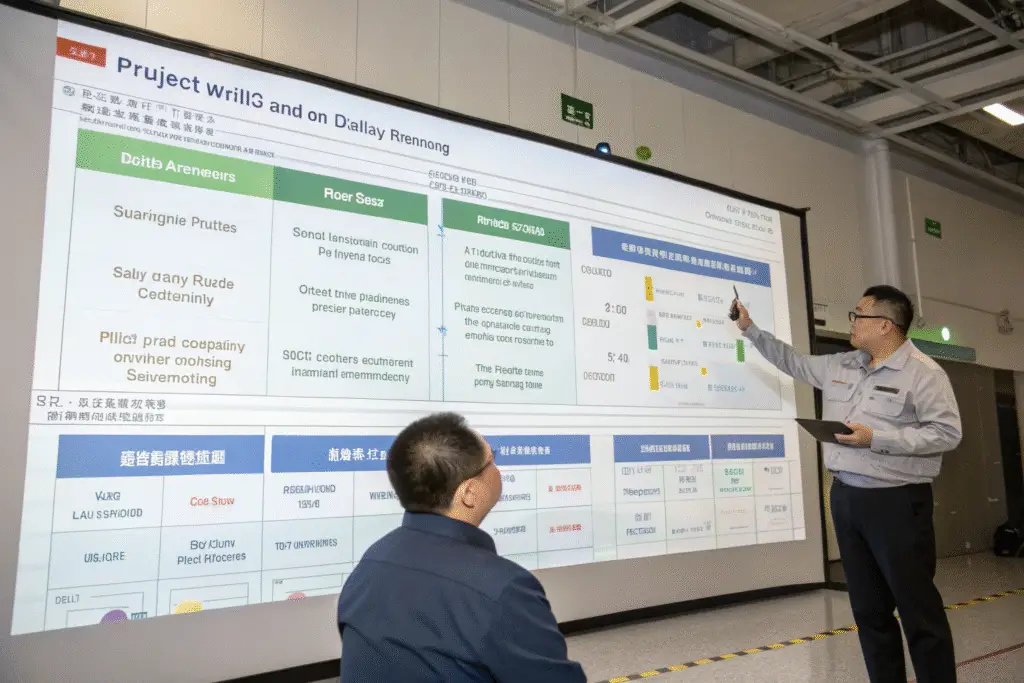
Place time buffers before dependent processes rather than at the project end. Specifically: before production cutting (3-5 day buffer for fabric delays), before bulk production (2-3 day buffer for sample approval delays), and before shipping (3-5 day buffer for quality control resolutions). This approach protects critical path items while minimizing total buffer time. Our analysis of 200+ productions shows that distributed buffering reduces total project duration by 15% compared to end-loaded contingency while maintaining the same on-time performance.
What Are The Most Common Delay Causes?
The most frequent delay causes in custom manufacturing include: fabric quality issues (23% of delays), sample revision needs (19%), documentation and compliance processing (15%), production quality problems (12%), and shipping issues (11%). Understanding these probabilities allows targeted risk reduction. For example, we now conduct pre-production fabric testing on all custom orders, reducing fabric-related delays by 70% despite adding 2-3 days to the initial timeline.
Conclusion
A realistic timeline for custom clothing manufacturing spans 8-16 weeks based on your specific needs. The 12-week benchmark represents the best balance of customization, quality, and speed for most projects. Understanding time requirements for each manufacturing phase enables accurate planning, proper buffer allocation, and effective market timing.
The manufacturers and brands that consistently meet their timelines are those who embrace detailed planning, maintain clear communication, and build strong partnerships. If you're planning custom clothing production and want to develop a realistic timeline for your specific needs, contact our Business Director, Elaine, at elaine@fumaoclothing.com to discuss how our manufacturing approach can support your schedule requirements.