The journey from a design concept to finished apparel arriving at your doorstep involves multiple precise steps. Many new brands underestimate this process's complexity, leading to missed deadlines and quality issues. Having guided hundreds of brands through this journey, I can confirm that understanding each phase is crucial for success.
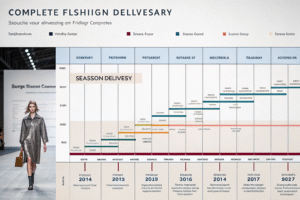
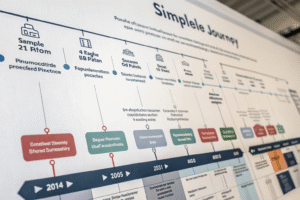
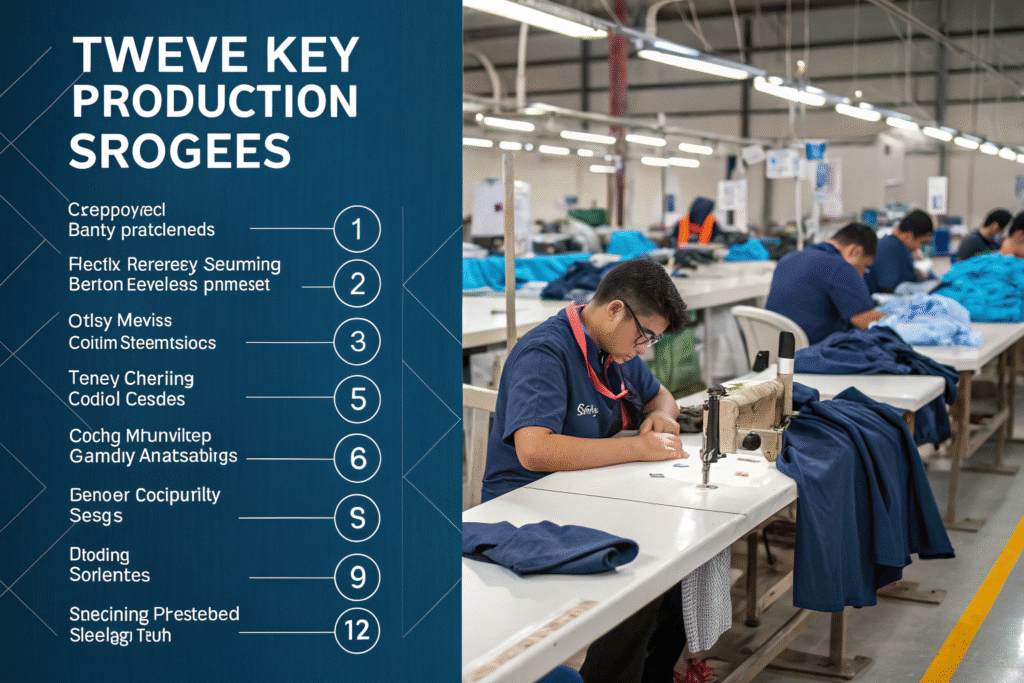
The apparel production process involves twelve key stages: design conceptualization, tech pack creation, sourcing, sampling, pattern making, grading, marker making, cutting, sewing, finishing, quality control, and shipping. Each stage builds upon the previous one, requiring careful coordination and expertise to ensure quality and timeliness.
This process typically takes 3-6 months from initial concept to delivery, depending on complexity and order quantity. Let me walk you through what happens at each stage and how we've optimized this workflow over years of manufacturing experience.
What Happens During Pre-Production Planning?
Pre-production transforms your creative vision into manufacturable specifications. Rushing this phase inevitably causes problems later.
This phase includes design finalization, technical package development, sourcing decisions, and production planning. Each decision made here impacts cost, quality, and delivery timeline. We recently helped a client avoid a costly mistake by identifying an unproducible design element during this phase, saving them thousands in sampling revisions.
How does tech pack development impact later stages?
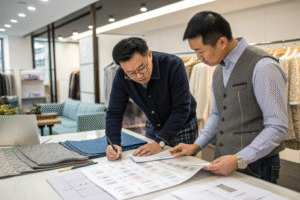
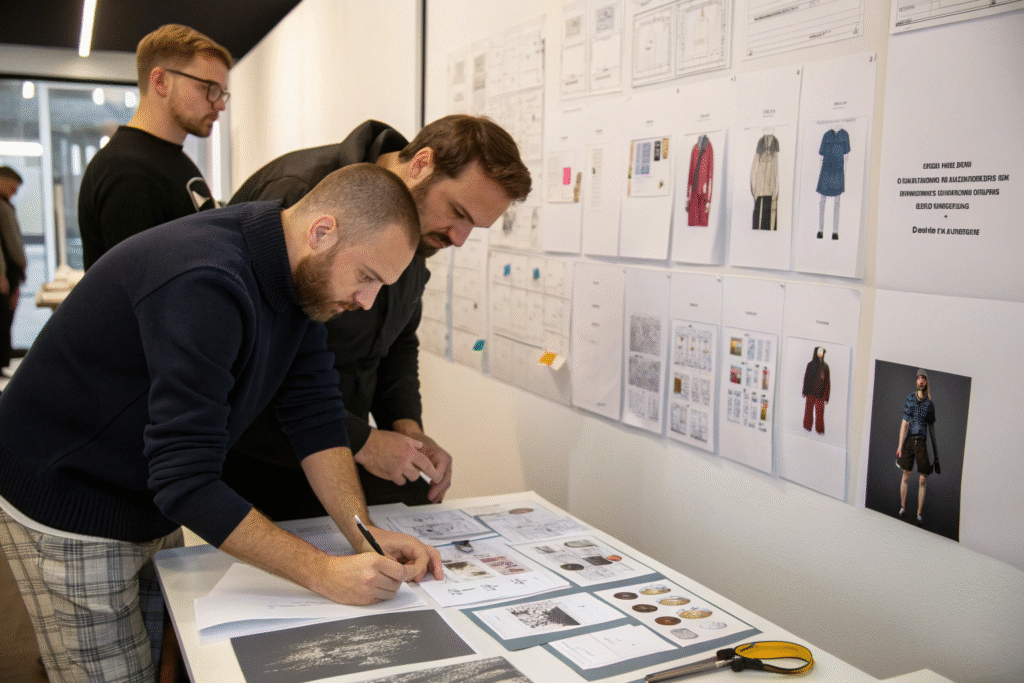
A comprehensive tech pack serves as the manufacturing blueprint, containing all technical specifications, measurements, materials, and construction details. Incomplete tech packs cause sampling delays and production errors. We provide clients with a tech pack template that ensures all critical information is captured from the start.
What sourcing decisions occur during pre-production?
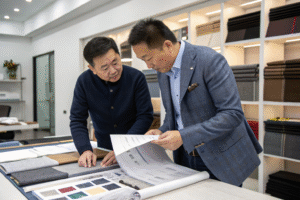
Material and trim sourcing happens alongside design development. This includes fabric selection, finding matching threads, zippers, buttons, and other components. We maintain a sourcing database of reliable suppliers to streamline this process while ensuring quality and compliance.
How Does Sampling Ensure Product Quality?
Sampling creates physical prototypes to validate designs, fit, and construction before mass production begins.
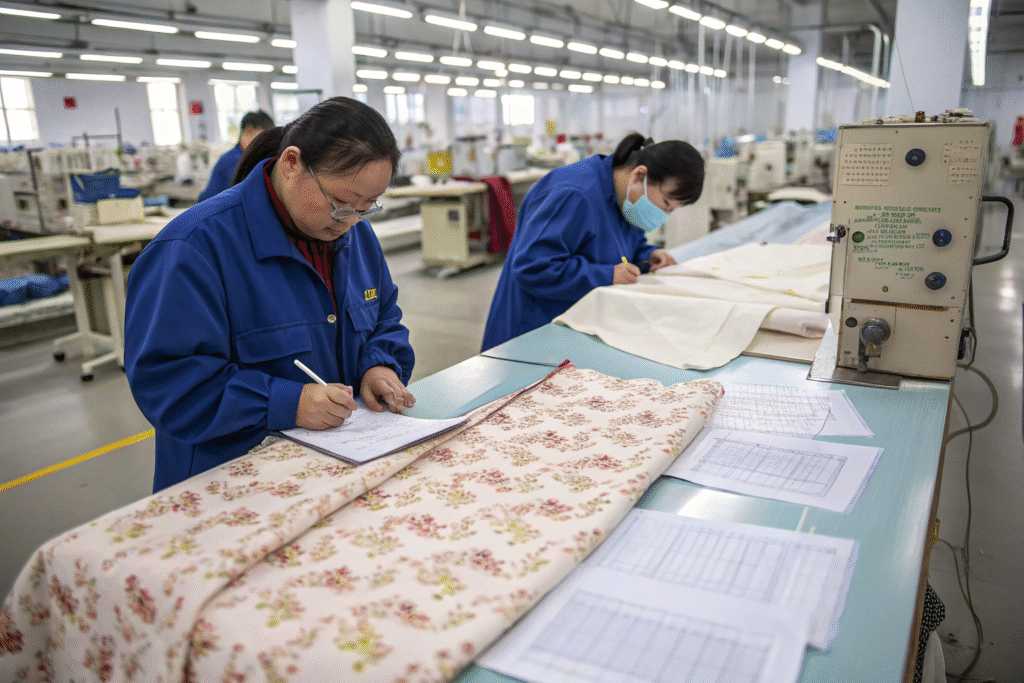
The sampling process typically involves multiple rounds: proto samples for design validation, fit samples for size confirmation, and pre-production samples for final approval. Each round refines the product and identifies potential production challenges. Our sampling process caught a fabric shrinkage issue that would have affected an entire production run, saving a client from massive returns.
What is the purpose of each sample type?
Proto samples verify design concept and silhouette. Fit samples confirm measurements and pattern accuracy. Pre-production samples use actual production materials and processes. We follow a structured sampling protocol that ensures all aspects are thoroughly tested before production commitment.
How many sample rounds are typically needed?
Most products require 2-3 sample rounds, though complex designs may need more. The average is 2.4 rounds across our client projects. Efficient communication and clear feedback significantly reduce sampling iterations. We've decreased average sampling time by 30% through digital sample review tools that streamline feedback.
What Occurs During Production Preparation?
Once samples are approved, production preparation ensures everything is ready for efficient manufacturing.
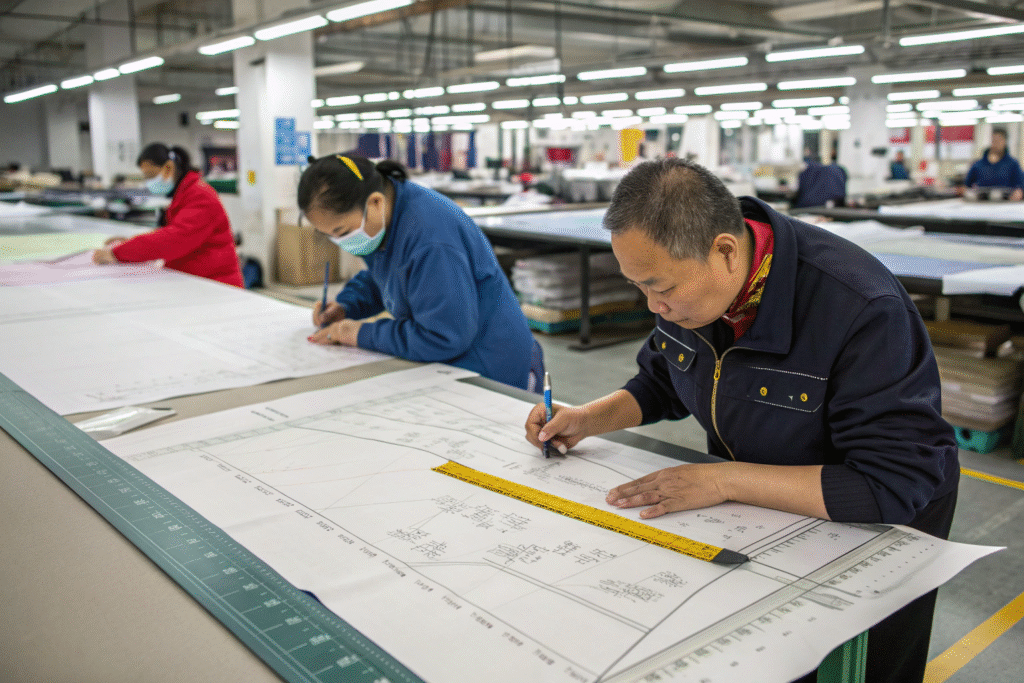
This phase includes pattern engineering, grading for different sizes, marker making for fabric optimization, and production line planning. Each step requires technical expertise to maximize efficiency and minimize waste. Our pattern engineering recently improved fabric utilization by 12% for a client's complex design, significantly reducing their material costs.
How does pattern engineering affect production?
Pattern engineering translates designs into precise templates for cutting. Well-engineered patterns improve fit, reduce fabric waste, and simplify assembly. Our pattern engineering standards ensure manufacturability while maintaining design integrity.
What is marker making and why is it important?
Marker making arranges pattern pieces on fabric to minimize waste. Efficient marker making can reduce fabric consumption by 10-15%. We use CAD marker optimization software to achieve industry-leading fabric utilization rates of 85-92% depending on fabric width and design complexity.
What Happens During Manufacturing Execution?
Manufacturing execution transforms prepared materials into finished garments through coordinated processes.
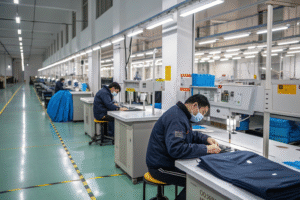
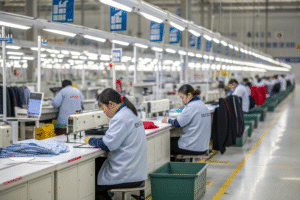
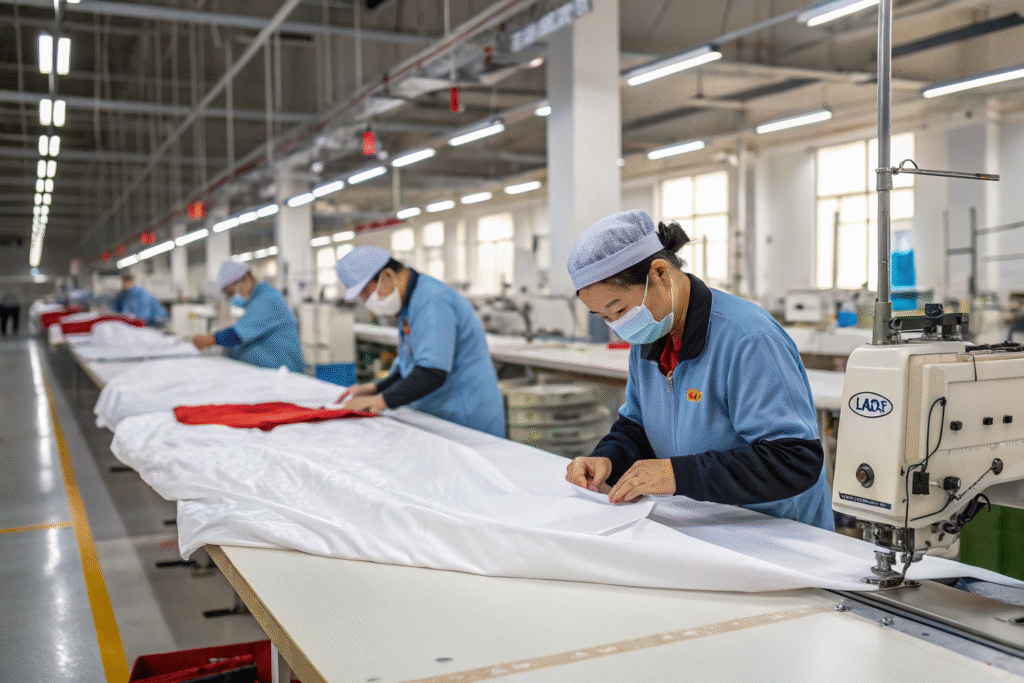
This phase includes fabric spreading, cutting, sewing assembly, pressing, and finishing. Each operation requires skilled workers, proper equipment, and quality checks. Our modular production system allows us to maintain quality while accommodating orders from 50 to 50,000 pieces.
How is cutting precision maintained?
Fabric is spread in multiple layers and cut using computer-guided machines for accuracy. Proper spreading ensures consistent cutting across all layers. We implement cutting quality controls that include periodic piece measurement verification and layer alignment checks.
What makes sewing assembly efficient?
Efficient sewing requires proper workflow organization, appropriate machinery, and skilled operators. We use modular manufacturing systems that balance individual skill with team production for optimal efficiency and quality.
How Does Quality Assurance Protect Your Investment?
Quality assurance occurs throughout production, not just at the end, to prevent defects and ensure consistency.
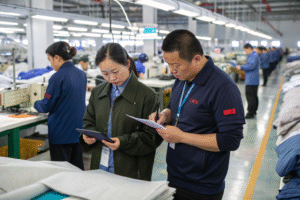
Our quality system includes in-process checks during sewing, final inspection of finished garments, and pre-shipment audit. Each stage has defined standards and corrective procedures. This comprehensive approach has maintained our defect rate below 2% for seven consecutive years.
What standards govern final inspection?
Final inspection follows AQL (Acceptable Quality Level) standards, typically 2.5 for normal inspection. This statistical sampling method ensures representative quality assessment without checking every piece. Our AQL implementation includes additional checks for critical defects that could affect garment safety or function.
How is consistency maintained across production?
Consistency requires clear standards, trained inspectors, and systematic checking procedures. We use standardized measurement protocols and inspection checklists that ensure every inspector evaluates garments against identical criteria.
What Logistics Ensure On-Time Delivery?
The final phase involves preparing finished goods for shipment and managing logistics to ensure timely delivery.
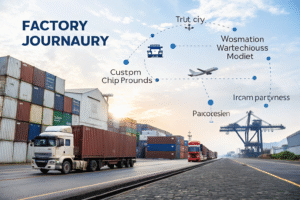
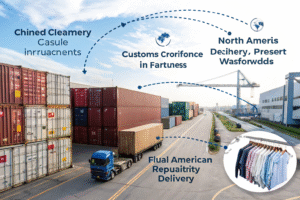
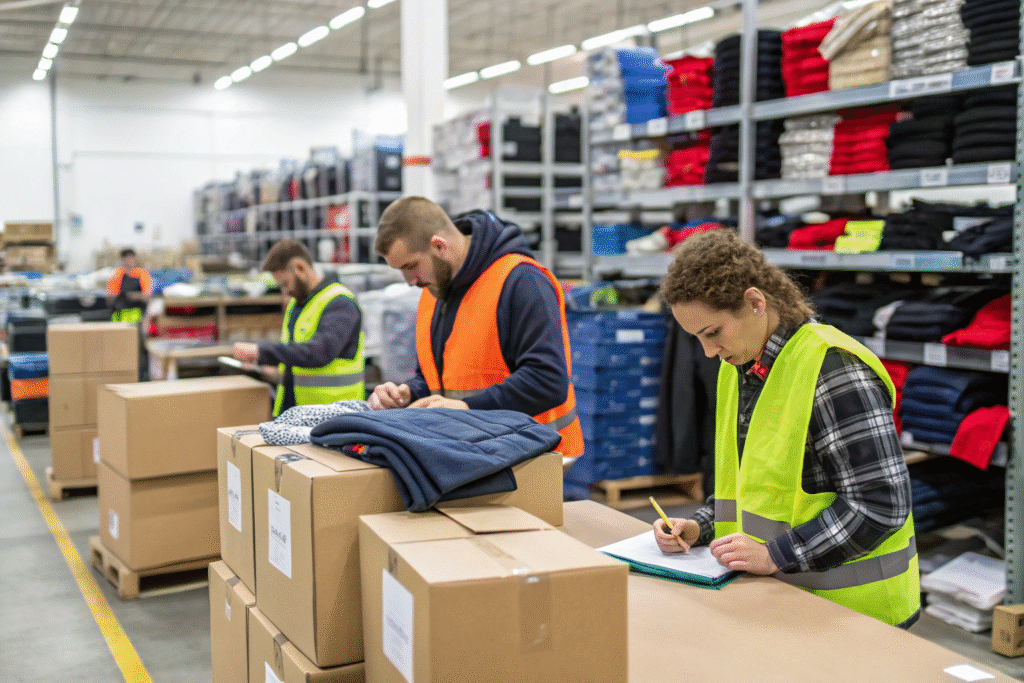
This includes labeling, packaging, documentation preparation, customs clearance, and transportation coordination. Each step must be carefully managed to prevent delays. Our logistics team recently navigated a port strike by pre-arranging alternative routing, ensuring a client's seasonal collection arrived on time despite external challenges.
What documentation is required for international shipping?
International shipments require commercial invoices, packing lists, certificates of origin, and shipping documents. Incomplete documentation causes customs delays. We provide clients with a shipping documentation checklist that ensures all requirements are met for their specific destination country.
How are shipping methods selected?
Shipping method selection balances cost, speed, and reliability. Air freight offers speed but higher cost, while sea freight is economical but slower. We help clients choose the optimal shipping method based on their timeline, budget, and product characteristics.
Conclusion
The journey from design to delivery is a complex but manageable process when approached systematically. Each stage builds upon the previous one, requiring specialized expertise and careful coordination. Understanding this workflow helps brands set realistic timelines and manage expectations.
The most successful brands partner with manufacturers who guide them through this process, anticipating challenges and maintaining quality at every stage. This partnership approach transforms what could be a stressful experience into a smooth, predictable progression from concept to customer.
If you're planning your next apparel production and want to understand how this process applies to your specific needs, we can provide detailed guidance. At Fumao Clothing, we've streamlined this workflow over thousands of production runs. Contact our Business Director, Elaine, at elaine@fumaoclothing.com to discuss your project timeline and requirements.