I was sitting in a Berlin trade show last February when a German brand owner said something that stopped me cold. He picked up a sample of our wool-blend suit jacket, felt the lapel, and said, "This is beautiful. But my customers are now asking me if the sheep was treated well." That was the moment I knew the shift was complete. The European male consumer, especially the one buying formal wear, has changed. He wants a sharp silhouette. But he also wants a clean conscience. And he is willing to pay for both.
The most sought-after sustainable fabrics for men’s formal wear in Europe are currently GOTS-certified organic wool, recycled polyester blends made from post-consumer PET bottles, Tencel lyocell for soft tailoring, and organic linen for summer suiting. These materials dominate European orders because they balance the strict performance demands of formal tailoring with verified environmental and ethical certifications that European consumers actively seek.
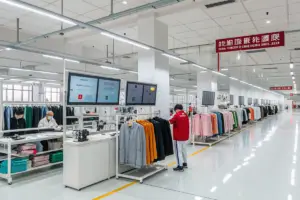
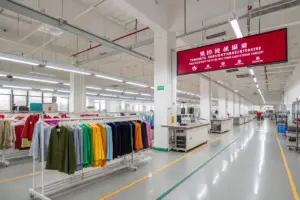
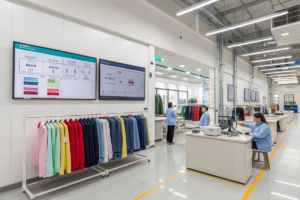
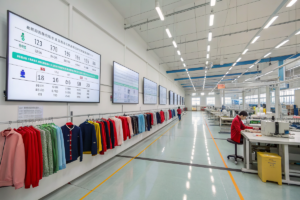
Sustainability in formal wear is harder than it looks. A t-shirt is easy. A structured blazer is not. You need interlinings, shoulder pads, and pocketing. You need the fabric to hold a crease but drape naturally. You cannot just slap a "green" label on a cheap suit and expect an Italian buyer to smile. They will test the fiber content. They will ask for the transaction certificate. At Shanghai Fumao, we have spent the last three years building a library of certified sustainable fabrics that meet the exacting technical standards of European menswear.
Why Are European Consumers Demanding Traceable Wool for Suiting?
The European wool market has been rocked by documentaries exposing animal cruelty in traditional shearing practices. It does not matter if your suit looks like it costs a million euros. If the wool came from a farm that mistreats sheep, the customer does not want it. This is not a niche concern anymore. It is a mainstream demand driven by the European Union’s broader push on animal welfare and the personal ethics of the modern consumer.
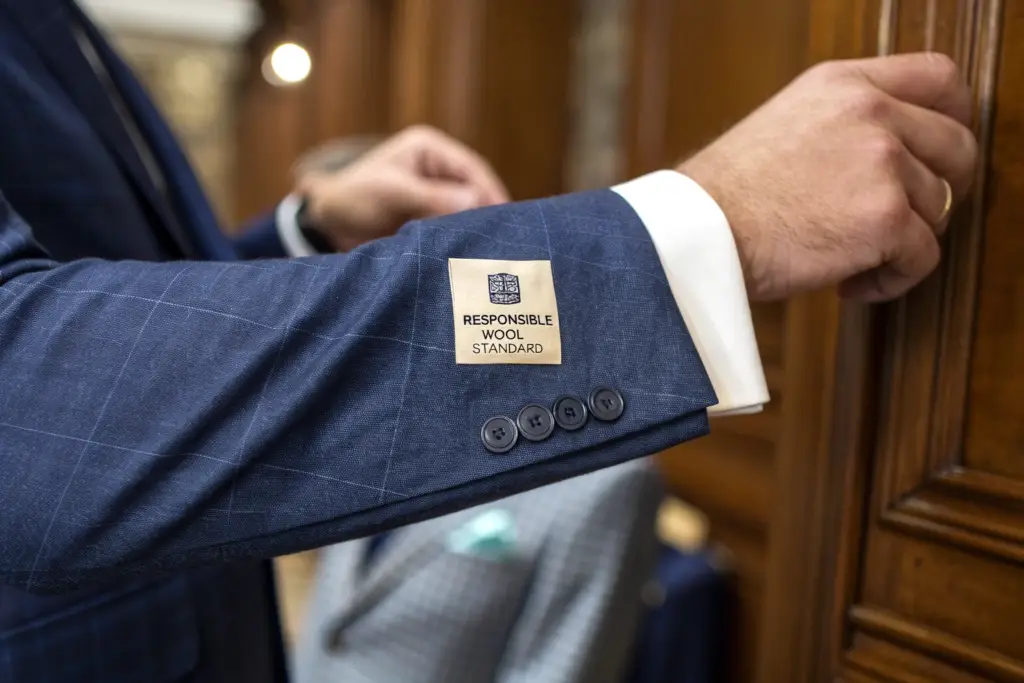
European consumers are demanding traceable wool because they want assurance that the animals were treated humanely and the land was managed responsibly. Certifications like the Responsible Wool Standard (RWS) and ZQ Merino provide a chain of custody from farm to factory. This traceability transforms wool from a commodity into a story of ethical stewardship, which European brands use as a powerful marketing advantage.
When a consumer buys an RWS-certified wool suit, they know the farmer did not practice mulesing. They know the grazing land was not degraded. This information is often delivered via a QR code on the suit’s hangtag, linking to the farm’s profile. The consumer feels connected to the origin. This connection builds brand loyalty that no amount of advertising can buy. It turns a purchase into a statement of values.
What Is the Responsible Wool Standard and Why Does It Matter?
The Responsible Wool Standard (RWS) is a voluntary global standard that addresses the welfare of sheep and the land they graze on. It is managed by the Textile Exchange, a global non-profit. The RWS requires that every stage of the supply chain, from the wool grower to the garment seller, is certified. This is a chain of custody model. You cannot mix RWS wool with conventional wool in the same spinning batch.
For a suit manufacturer, RWS certification matters because it is a legal shield against greenwashing accusations. Under the EU’s upcoming Green Claims Directive, a claim like "ethically sourced wool" must be substantiated. An RWS transaction certificate is that substantiation. It is a defensible document in a court of law or a consumer dispute.
I remember a project for a Dutch menswear brand. They wanted a line of "farm-to-suit" blazers. We sourced RWS-certified merino wool from a specific farm in New Zealand. The farm had a name, a location, and a story. The brand put a small booklet in each jacket pocket, introducing the farmer. The blazers sold out at full price in three weeks. The cost of the certified wool was 15% higher than conventional merino. But the brand’s sell-through rate jumped from 60% to 95%. The higher material cost was completely absorbed by the higher full-price sales and lower markdowns. This model is supported by the infrastructure built by organizations like Textile Exchange, which maintains the RWS standard and its associated database.
How Does ZQ Merino Compare to Generic Organic Wool?
ZQ Merino is not just a fiber. It is a complete certification system based in New Zealand. It guarantees animal welfare, environmental sustainability, and social responsibility. The key difference between ZQ and generic organic wool is the social component. Organic wool certification often focuses primarily on the land and chemical inputs. ZQ includes strict requirements for the shepherds, their families, and the local communities.
From a fabric quality perspective, ZQ Merino is exceptional. The fibers are long, strong, and very fine. This is crucial for formal wear. A suit jacket needs a crisp, clean surface. Short, weak fibers create pilling and a fuzzy appearance. ZQ wool resists pilling far better than many cheaper organic wools because the sheep are healthy and the wool is handled carefully. The resulting fabric feels cool, breathable, and luxurious against the skin, which is exactly what a man wearing a suit for 12 hours a day needs.
We now stock ZQ Merino as a standard base option for our European suit orders. The certification process is rigorous, and the farm audits are frequent. But the final product speaks for itself. When a buyer from a Scandinavian brand compares a ZQ suiting bolt to a generic organic bolt, the difference in hand feel and luster is immediate and obvious. The brands that choose ZQ are not just choosing ethics; they are choosing a superior raw material.
How Can Recycled Polyester and Nylon Maintain a Formal Aesthetic?
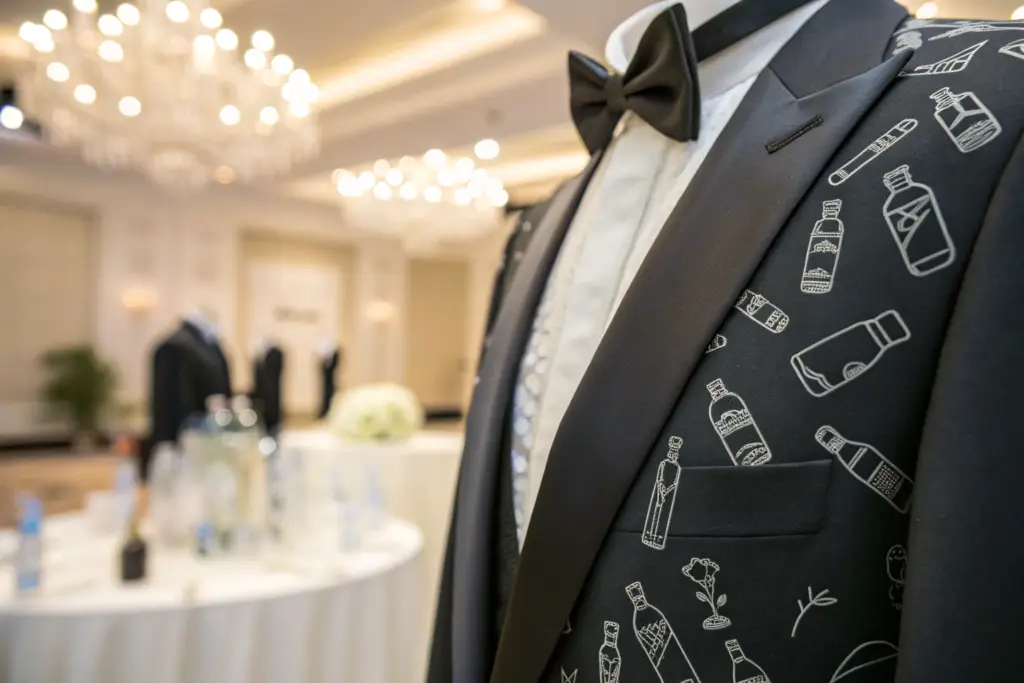
There is a stubborn myth that recycled synthetics feel cheap and look like plastic. That was true a decade ago. It is no longer true. The technology for recycling post-consumer PET bottles into high-quality polyester yarn has advanced dramatically. Today, a well-made recycled polyester fabric can mimic the drape of silk, the sheen of viscose, and the durability of virgin polyester. For the European formal wear market, this opens up huge design possibilities for sleek, modern silhouettes.
Recycled polyester and nylon maintain a formal aesthetic by utilizing advanced filament spinning techniques that create ultra-fine, uniform yarns. These yarns produce a smooth, lustrous fabric surface ideal for tuxedos, dinner jackets, and formal trousers. The key is blending recycled poly with other sustainable fibers like Tencel or organic cotton to enhance breathability and natural hand feel while keeping the carbon footprint low.
The modern formal wardrobe is no longer just wool and cotton. A man attending a gallery opening in Paris might wear a sharp, black recycled poly-blend dinner jacket with a subtle geometric weave. It looks futuristic but still refined. The fabric holds its shape perfectly, resists wrinkles, and does not require the intensive care that a pure wool garment does. This convenience is a powerful selling point for a younger European demographic that values style but not high-maintenance routines.
Does Recycled Polyester Fabric Breathe Well Enough for Suits?
This is the most common technical objection I hear from European designers. They worry that recycled polyester will create a "sauna effect" inside the suit jacket. The wearer will sweat, and the garment will feel uncomfortable. This concern is valid if you are using a cheap, thick recycled poly woven tightly. But it is not valid if you engineer the fabric correctly.
The solution is two-fold: yarn construction and blend composition. We use a filament recycled polyester that can be spun into extremely fine threads. These threads are woven into a lightweight fabric with a microporous structure that allows air to circulate. Even more effective is the blend. We often use a 55% recycled polyester, 45% Tencel lyocell blend for summer formal trousers. The Tencel wicks moisture away from the skin. The recycled poly provides the structure and crease recovery. The combination creates a microclimate inside the garment that stays cool and dry.
We tested this blend for a Copenhagen-based brand launching a "sustainable boardroom" capsule. Their CEO wore the prototype suit for a full day of meetings in August. His feedback was that it breathed as well as his high-twist wool suits but weighed noticeably less. This practical endorsement is worth more than any lab test. For brands looking to verify the technical specifications of these recycled fibers, the Global Recycled Standard provides certification that the recycled content is genuine and the processing meets environmental criteria.
What Are the Latest Innovations in Ocean-Waste Nylon for Blazers?
Nylon recovered from abandoned fishing nets is one of the most exciting stories in sustainable formal wear. Fishing nets, or "ghost gear," are a massive ocean pollution problem. They are also made of high-quality nylon 6, a polymer that can be regenerated infinitely without losing its properties. ECONYL® is the leading brand in this space, and it has changed the perception of what recycled materials can achieve.
Fishing-net nylon has a natural elasticity and resilience. This makes it ideal for unstructured blazers and travel suits. A travel blazer needs to withstand being folded into a carry-on bag and emerge without deep creases. ECONYL® fabric does exactly this. It has a memory. You can scrunch it, and it bounces back. For a modern European professional who flies between London and Frankfurt for meetings, this fabric is a game changer.
We produced a line of soft-tailored blazers using a matte-finish ECONYL® twill for a Swiss brand. The blazer had no shoulder pads and no rigid interlining. It was more like a cardigan in comfort but looked like a sharp blazer. The brand’s marketing centered on the ocean-cleanup narrative. Each blazer had a tag stating how many kilos of ocean waste were recovered to make the garment. The product sold out in pre-order. This narrative power is something virgin nylon simply cannot offer. The connection between a consumer’s purchase and a cleaner ocean is a direct emotional link that drives premium pricing and rapid sell-through.
What Certifications Confirm a Fabric’s Authentic Green Credentials?
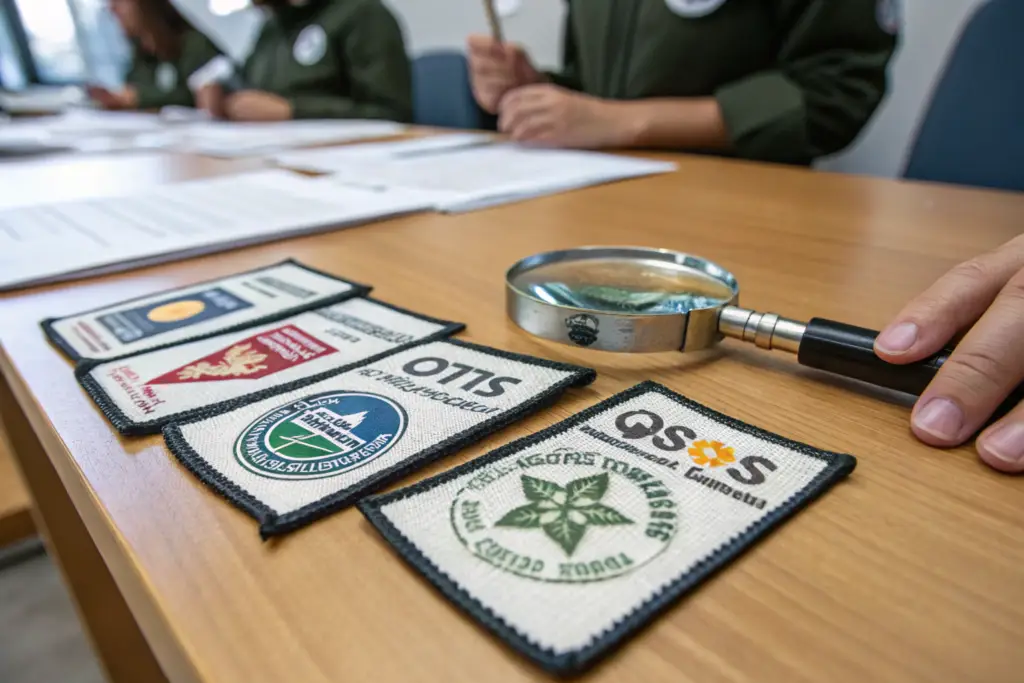
A hangtag that says "eco-friendly" is meaningless. I can print that on any piece of cardboard. The European market has moved past slogans. It demands third-party verification. This is the consequence of decades of greenwashing, where brands made vague claims without any accountability. Now, the consumer has become literate in certifications. They look for specific logos. They know the difference between a genuine GOTS certificate and a fake one. This is a positive development for honest factories.
The key certifications that confirm a fabric’s authentic green credentials for European menswear are GOTS (Global Organic Textile Standard) for organic fibers, OEKO-TEX Standard 100 for chemical safety, GRS (Global Recycled Standard) for recycled content, and RWS (Responsible Wool Standard) for ethical wool. These certifications provide a complete verification package covering fiber origin, chemical input, social compliance, and recycled integrity.
At Shanghai Fumao, we organize every fabric in our sustainable library by its certification profile. We do not accept a mill’s word for a certificate. We verify the certificate number on the issuing body’s public database. This takes an extra five minutes per fabric lot. But it means when a German brand asks us, "Is this fabric really GOTS certified?" we can send them the license number and a screenshot of the database entry within minutes. That level of transparency seals the deal.
What Does GOTS Certification Guarantee for a Wool Suit?
GOTS is the gold standard for organic textiles. For a wool suit, GOTS certification guarantees two major things that are separate from animal welfare standards. First, the wool fiber itself must be certified organic. This means the sheep were grazed on land free from synthetic pesticides and fertilizers. Second, and this is critical for formal wear, every chemical input used in the processing of the wool must meet strict environmental and toxicological criteria. The dyes, the finishing agents, the anti-moth treatments. All of them must be approved by GOTS.
This chemical control is essential for a garment that sits against a man’s skin. A suit jacket is worn over a shirt, but the collar and cuffs still make contact. A synthetic dye that contains heavy metals can cause skin irritation. GOTS bans those problematic chemicals outright. The certification also requires that wastewater from the dyeing and finishing stages is treated properly. This is an ecological benefit that European consumers actively seek.
When we develop a GOTS-certified wool suit fabric, we work closely with a mill that has a dedicated GOTS production line. The line is physically separated from conventional production. This prevents cross-contamination. Every batch of fabric is shipped with a transaction certificate that traces back to the organic wool farm. This chain of custody is legally auditable. The Global Organic Textile Standard website provides a public tool to verify any certificate number, and we encourage our clients to use it. It keeps the system honest.
Why Is OEKO-TEX Standard 100 Essential for Men’s Skin Comfort?
OEKO-TEX Standard 100 is not about organic farming. It is about product safety. It tests the finished textile for harmful substances. The test criteria are extensive and are updated annually. They include banned azo dyes, formaldehyde, heavy metals, and pesticides. Crucially, the test is performed on every component of the garment. The fabric, the lining, the interlining, the buttons, the zipper tape, the sewing thread. Everything.
For a men’s formal shirt or a suit lining, this is non-negotiable. Men often wear formal attire for long hours, sometimes under stress, which can increase skin sensitivity. A lining dyed with a cheap azo dye can release aromatic amines that cause rashes. OEKO-TEX certification eliminates that risk. The standard has four product classes. Class I is for babies, Class II is for items with direct skin contact, Class III is for items with no or little skin contact, and Class IV is for furnishing. A formal shirt lining should be at least Class II.
I recall a British brand that came to us after a dermatitis complaint from a customer who wore their wool suit. We traced the issue to the viscose lining, which contained trace formaldehyde from a cheap finishing resin. We switched their lining to an OEKO-TEX Standard 100 certified Bemberg cupro. The problem vanished. The brand now specifies OEKO-TEX for every component on their Bill of Materials. It is a fixed requirement that adds no more than a few cents per garment but protects their reputation completely. The OEKO-TEX website allows brands to check the validity of certificates, which provides a layer of security against counterfeit documentation.
How Do You Source Consistent Linen and Hemp for Summer Formal Collections?
Linen and hemp are the quintessential summer suit fabrics. They breathe. They have texture. They look effortlessly stylish. But they are also notoriously difficult to source consistently. Natural fibers vary from harvest to harvest. Rainfall, soil, and retting methods all affect the final fiber quality. A linen suit that was crisp and smooth last year can arrive this year with thick slubs and a rough hand feel. For a brand that promises consistency, this is a nightmare.
Sourcing consistent linen and hemp for formal wear requires working with established mills that use certified long-fiber flax and controlled retting processes. European-sourced linen, particularly from France and Belgium, provides the highest consistency due to standardized agricultural practices. For hemp, processing technology that softens the fiber without chemical over-softening is the key to maintaining a formal drape while achieving a skin-friendly touch.
The secret is to avoid commodity "linen" that is blended and bulked from unknown small farms. Instead, you source from a defined geographical region with a reputation for quality. The mill must also have a mechanical softening process that respects the fiber’s natural stiffness without breaking it down too much. A formal hemp jacket needs structure. Over-softened hemp becomes floppy and loses its tailoring integrity.

Why Does the Origin of Flax Matter for Suit-Grade Linen?
Flax is the plant that produces linen. The best suit-grade flax in the world grows in a narrow coastal belt stretching from Normandy in France through Belgium and into the Netherlands. The climate there, with cool sea breezes and rich soil, produces flax with exceptionally long, fine fibers. This "long line" flax is what gets spun into the smooth, lustrous linen used for high-end formal wear. Short fiber flax, or tow, is used for coarser textiles and has no place in a tailored jacket.
The origin matters because of the retting process. Retting is where the flax stalks are left in the field to rot slightly, separating the fiber from the woody core. Dew retting, which relies on natural moisture, is common but produces an inconsistent, grayish fiber. Water retting, which is tightly controlled, produces a cleaner, more uniform, and lighter-colored fiber. Belgian and French growers often use controlled water retting, which is why their linen commands a premium.
We once tried to use a less expensive linen from an Eastern European supplier for a summer suit program. The slubs were too pronounced. The jacket looked rustic, not refined. The brand rejected the bulk fabric. We re-sourced from a certified European Flax® mill. The difference was night and day. The fabric was crisp, pressed beautifully, and had a subtle sheen. The suit sold at a premium. For a formal setting, the origin of the flax is not a luxury detail; it is a structural requirement. The European Flax® certification guarantees the traceability and quality of the fiber, and we now specify it for all tailored linen orders.
Can Hemp Be Soft Enough for a Formal Summer Blazer?
Hemp has an image problem. People think of rough sacks and hippie bracelets. But modern hemp processing has created fabrics that rival linen in softness while exceeding it in durability. Hemp is a hollow fiber, which means it is extremely breathable and has a natural ability to cool the body. It also holds its shape better than linen, making it an exceptional candidate for unstructured summer blazers.
The key process is enzyme washing. The raw hemp yarn is treated with natural enzymes that gently break down the stiff lignin in the fiber. This is a biological softening, not a chemical beating. If done correctly, it preserves the fiber’s strength while making the hand feel fluid and comfortable against bare skin. A man can wear a hemp blazer over a t-shirt and feel no scratchiness.
We developed a hemp-linen-cotton blend blazer fabric for an eco-focused Italian brand. The ratio was 40% hemp, 30% organic linen, and 30% organic cotton. The hemp provided the structure and the cool touch. The linen added the luster. The cotton brought a softness that rounded out the hand feel. The fabric was garment-dyed, which gave it a relaxed, lived-in color variation. The blazer sold as a "resort formal" piece and was featured in several European fashion magazines. The client’s challenge was the initial skepticism, but a single touch of the fabric sample converted them. The key is finding a mill that has mastered the enzyme wash, which is a specialized skill. We now keep this specific hemp blend in our in-house fabric library for clients who want to test it.
Conclusion
The sustainable fabric market for men’s formal wear in Europe has matured beyond basic organic cotton t-shirts. We have seen how traceable wool, verified by standards like RWS and ZQ, gives a suit a story of animal welfare and land stewardship that resonates deeply with the modern European consumer. We have explored how recycled polyester and ocean-waste nylon, once the materials of sportswear, now create sleek, breathable, and high-performance tuxedos and blazers through advanced filament technology. And we have felt the texture of certified linen and enzyme-softened hemp, the natural luxury fibers that define summer elegance with a reduced environmental footprint.
At the center of all this is the certification. GOTS, OEKO-TEX, GRS. These are not just labels. They are legally robust, auditable promises. They are the difference between a marketing story and a verified fact. The European consumer knows this. They are checking. And they are spending their money with brands that can prove their fabric’s pedigree.
At Shanghai Fumao, we have transformed our fabric sourcing to meet this exact demand. We treat sustainability not as a checkbox but as a source of innovation and quality improvement. Our library of certified sustainable suiting fabrics is ready for your next collection. Whether you need RWS merino blazers, ECONYL® travel suits, or organic linen summer jackets, we have the supply chain mapped, the certificates filed, and the technical expertise to execute your design to the highest standard.
If you are building a men’s formal wear brand for the European market and you need a factory partner who understands the new rules of the game, I invite you to connect with us. Contact our Business Director, Elaine, at elaine@fumaoclothing.com. She can send you our certified fabric swatch book, share the full sustainability data sheets for each material, and discuss how we can bring your vision of elegant, ethical menswear to life. Let’s make suits that look sharp and do good.