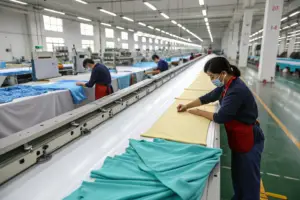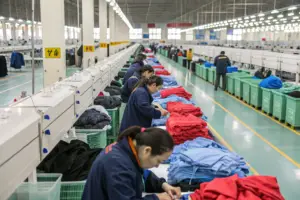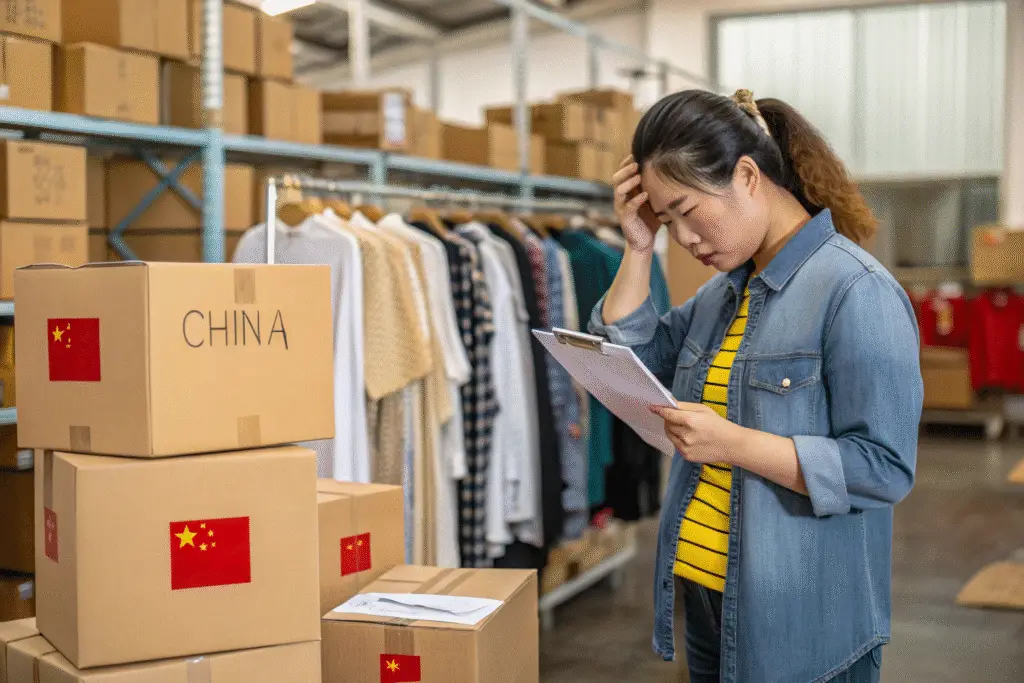
Sourcing clothing from China offers unbeatable value, but it also comes with its fair share of headaches. From communication issues and missed deadlines to quality inconsistencies and ever-changing regulations, apparel buyers often struggle to get what they ordered—when and how they expected it.
The biggest challenges in sourcing clothing from China include communication barriers, quality control, production delays, and compliance with certifications. But with the right systems and partners, each of these challenges is solvable.
As a factory owner serving U.S. brands, I’ve seen firsthand what causes stress for buyers like Ron—a confident American business owner who values cost, but demands quality. In this article, I’ll walk through the most common pain points—and how we help our clients overcome them.
Why Is Communication a Major Sourcing Obstacle?
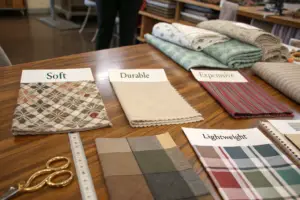
Many problems in garment sourcing stem from unclear expectations. When buyers say “lightweight hoodie” and suppliers interpret it as “thin cheap knit,” frustration builds. Add in time zones, language gaps, and cultural differences, and misalignment is common.
Miscommunication in clothing sourcing often leads to incorrect samples, late production, or subpar materials. Clarity and consistency are the antidotes.

What Causes Misunderstandings in Apparel Orders?
Key reasons include:
- Vague tech packs or style descriptions
- Assumptions about material specs or sizing
- Different measurement systems (inches vs. cm)
- Inexperienced sales reps or freelancers misinterpreting
We’ve seen clients send casual WhatsApp sketches instead of proper tech packs. This always results in rework. Or worse—production based on incorrect info.
How to Improve Supplier Communication?
- Use clear, standardized tech packs with sketches, Pantone codes, GSM, and trim notes
- Confirm terms and specs with bilingual confirmations
- Schedule weekly video calls with screen shares
- Use platforms like Trello or Notion for real-time updates
We provide a full-time bilingual account manager for every client to ensure nothing gets lost in translation. Our clients also love our shared production trackers with milestone deadlines.
How Do You Handle Quality Control Issues?
Few things ruin trust faster than receiving a shipment of misaligned prints, broken zippers, or poor stitching. Apparel quality inconsistencies are one of the most cited frustrations among global buyers.
Poor quality can destroy customer loyalty. That’s why quality control in China must be structured and transparent—not reactive.
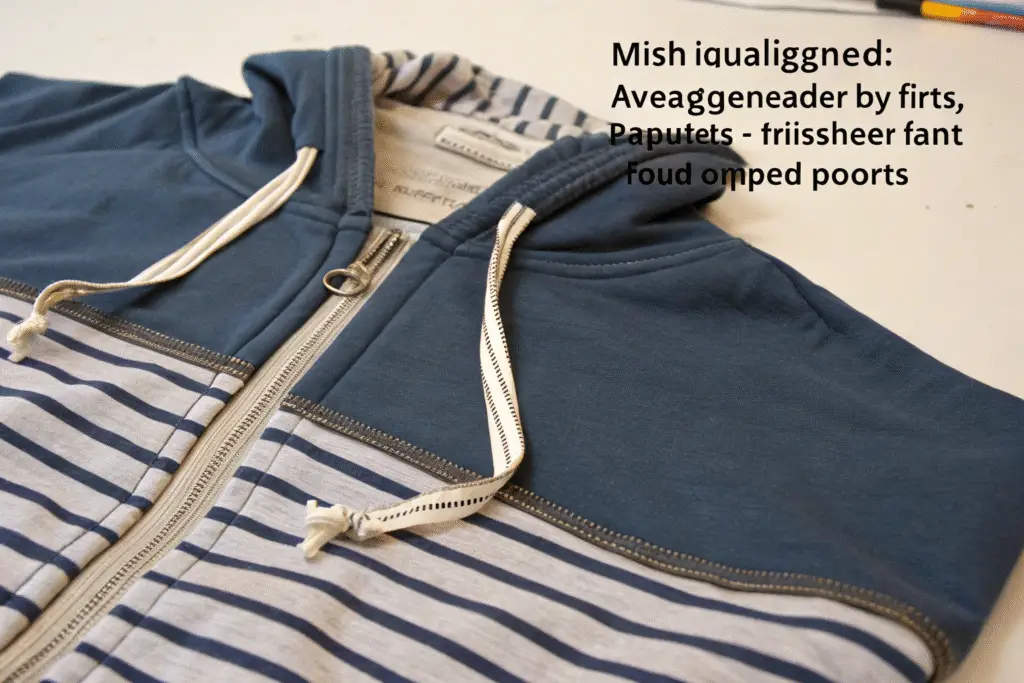
What Are Common Quality Issues in Chinese Clothing?
- Uneven stitching or broken seams
- Color shade variation within the same batch
- Incorrect sizing or missing labels
- Substituted fabrics or trims
One buyer shared how a 10,000-piece polo shirt order arrived with 25% of the collars curling after wash. The reason? Low-quality interlining—used to cut cost without approval.
How to Set Up a QC System That Works?
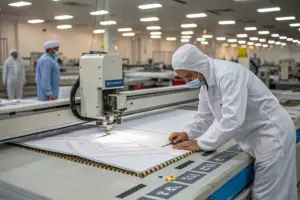
- Conduct pre-production and mid-line inspections, not just final checks
- Use agencies like QIMA or Intertek for third-party audits
- Implement Acceptable Quality Limits (AQL) based on garment category
- Require full-size run samples before approval
We follow a 3-tier QC model: factory self-check, in-house QC team, and optional third-party inspection. It ensures each order is tested, measured, and verified before leaving the warehouse.
What Delays Cause Missed Selling Seasons?
Timing is everything in fashion. Whether you’re launching for fall or preparing for Black Friday, a 3-week delay can ruin your season. Unfortunately, production delays are common—and often preventable.
The most frequent delay causes include late fabric arrivals, unclear approvals, factory overbooking, or shipping bottlenecks. Planning buffers and order pacing solves most of them.
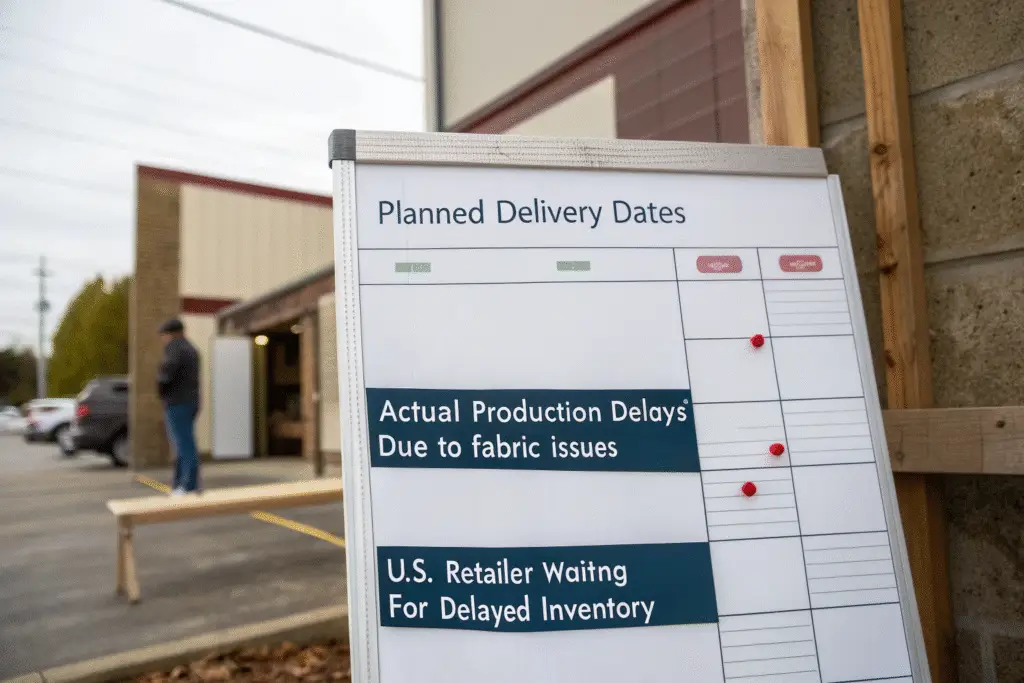
Why Do Clothing Orders Get Delayed?
Here’s what we’ve tracked across client orders:
| Cause | Delay Impact |
|---|---|
| Fabric dyeing backlog | +7–14 days |
| Design approval changes | +5–10 days |
| Power outages or lockdowns | +3–7 days |
| Port congestion or customs | +5–15 days |
For example, during China’s Golden Week, we notify all clients two months in advance to finalize POs early and avoid shutdown delays.
How to Avoid or Absorb Delays?
- Set internal delivery deadlines 10–15 days ahead of real ones
- Use buffer calendars in your production planning
- Secure fabric and trims before sample approval
- Avoid over-customization unless you have extra time
At Fumao, we offer pre-booking of production lines for repeat clients. We also track raw material ETA live, so we can flag potential risks early and shift timelines accordingly.
Buyers, especially from the U.S. and Europe, increasingly demand compliant factories—both for safety and ethical reasons. Yet certificate falsification or misunderstanding is common.
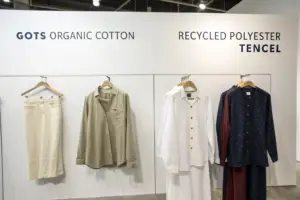
Understanding compliance requirements like BSCI, GOTS, OEKO-TEX, and Prop 65 is vital to avoid shipment rejection, fines, or brand damage.
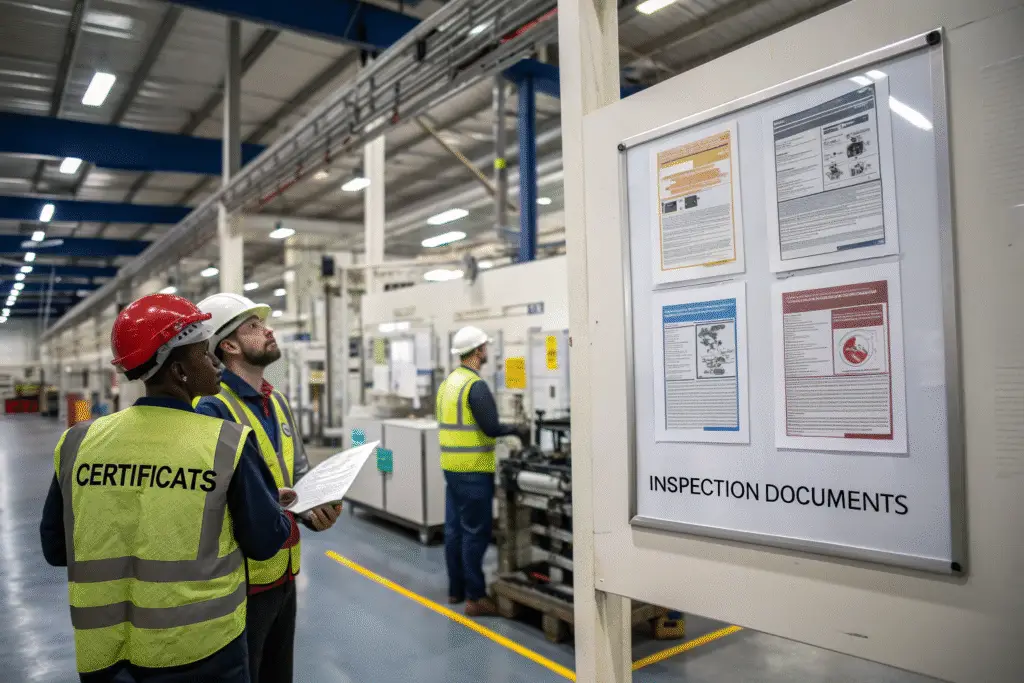
What Certifications Matter Most for U.S. Buyers?
- BSCI – Ethical factory practices
- OEKO-TEX® Standard 100 – Safe textile chemicals
- GOTS – Organic textile standards
- Prop 65 – U.S. product safety for California
We often get inquiries for rPET clothing with GRS certification or dyeing processes that avoid APEO and AZO compounds.
How to Verify Certifications?
- Ask for full audit reports, not just logos
- Match factory name and audit body via amfori or public registries
- Use compliance verification services like Sedex
- Partner with factories like us who host in-person audit transparency
We provide full digital copies of all certificates with expiration dates. Our clients also send their own auditors for spot checks. Transparency is our principle.
Conclusion
Sourcing clothing from China isn't without hurdles—but with the right strategies, these challenges can be minimized or even turned into competitive advantages.
Clear communication, proactive QC, delay buffers, and verified compliance form the foundation of a reliable sourcing model. At Fumao Clothing, we work hand-in-hand with buyers to build that system—because we know your brand’s success depends on more than just cheap prices. It’s about trust, time, and transparency.
If you’re facing one of these challenges—or want to prevent them before they happen—let’s build a sourcing model that works for your apparel business.