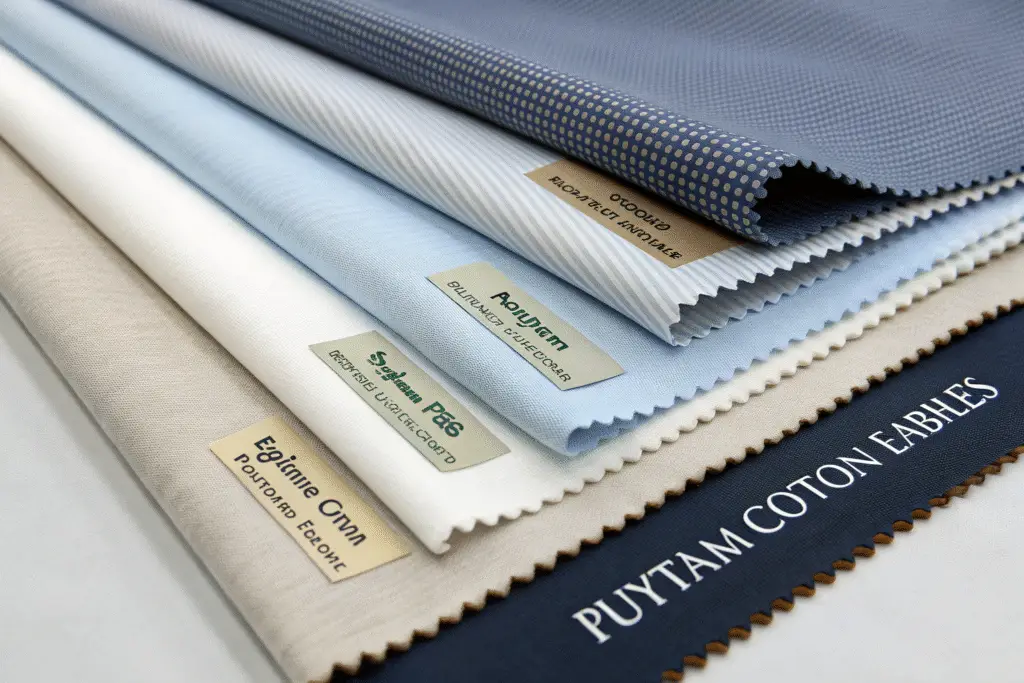
Selecting the appropriate fabric represents the most crucial decision in formal shirt manufacturing. This choice directly influences comfort, longevity, and the overall quality perception. For American brand proprietors, identifying the optimal material proves essential for guaranteeing customer satisfaction and safeguarding brand reputation. This comprehensive guide will clarify the selection process and support your informed decision-making for future procurement.
The most suitable fabrics for formal shirt production consist of long-staple cotton constructions, principally Egyptian Cotton, Supima Cotton, and premium Poplin and Twill varieties. These textiles are distinguished by their softness, structural integrity, and exceptional capacity to maintain sharp creases, establishing them as industry benchmarks for quality dress shirts. Comprehending the distinctive characteristics of each fabric type enables brands to customize their selections according to specific market demands, effectively balancing luxury attributes, functional performance, and cost considerations.
As an manufacturing specialist with extensive collaboration experience across numerous U.S. brands, I have observed how strategic fabric selection can determine a collection's success. Let us examine the technical details to facilitate your confident sourcing decisions.
What constitutes optimal cotton selection for formal shirts?
In formal shirt manufacturing, cotton quality demonstrates significant variation. The cotton fiber length, or staple measurement, differentiates standard shirts from premium products. Long-staple cotton varieties represent the superior choice because their extended fibers enable spinning into finer, more resilient, and smoother yarns. This manufacturing advantage produces fabrics exhibiting remarkable softness, pilling resistance, and characteristic luminosity.
The two most distinguished long-staple cotton types are Egyptian and Supima. Both provide discernible luxury qualities, though their geographical origins impart unique characteristics that appeal to sophisticated brands and their clientele.
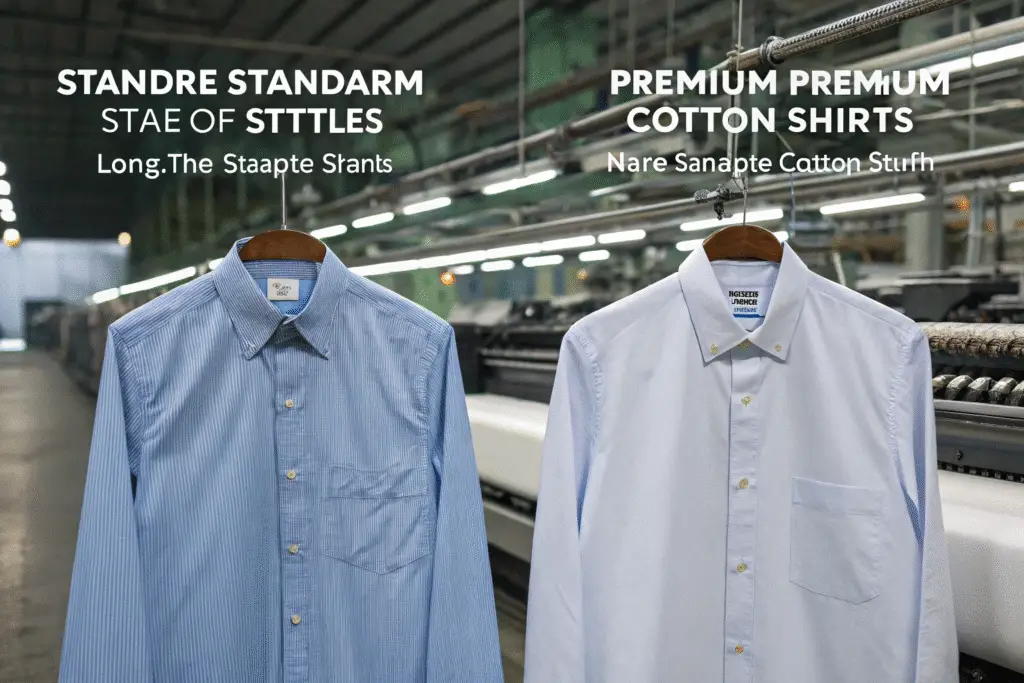
Egyptian Cotton maintains an unequivocal association with luxury apparel. Cultivated in the distinctive microclimate of the Nile River Valley, its extra-long fibers yield exceptionally refined and robust yarns. Shirts manufactured from this material demonstrate outstanding softness, breathability, and durability. The fabric possesses a characteristic, understated sheen that enhances the garment's aesthetic presentation. For brands targeting premium market segments, supplying shirts utilizing authenticated Egyptian Cotton constitutes a powerful quality statement. Procurement professionals should verify certification documents, as nomenclature misuse occasionally occurs. Our organization maintains complete material documentation transparency to establish reliable partnerships.
How does Supima Cotton compare in shirt manufacturing applications?
Supima Cotton represents America's premium cotton variety, comprising less than 1% of global cotton production. Supima constitutes a branded extra-long-staple cotton cultivated in the United States, sharing numerous attributes with Egyptian cotton, including superior softness, tensile strength, and colorfastness. The principal advantage for many American brand partners involves its consistent availability and stringent certification protocols that ensure authenticity. Shirts produced from Supima Cotton demonstrate brilliant dye receptivity and exceptional surface smoothness, rendering them a dependable and prestigious selection for premium formalwear collections.
How do poplin and twill weaves impact formal shirt performance?
The fabric weave structure determines textile texture, weight, and drape characteristics. For formal shirts, weave selection carries equal importance to fiber composition. The two most prevalent and high-performance weaves are poplin and twill. Understanding their technical differences enables appropriate fabric specification according to intended application, whether for corporate environments or formal occasions.
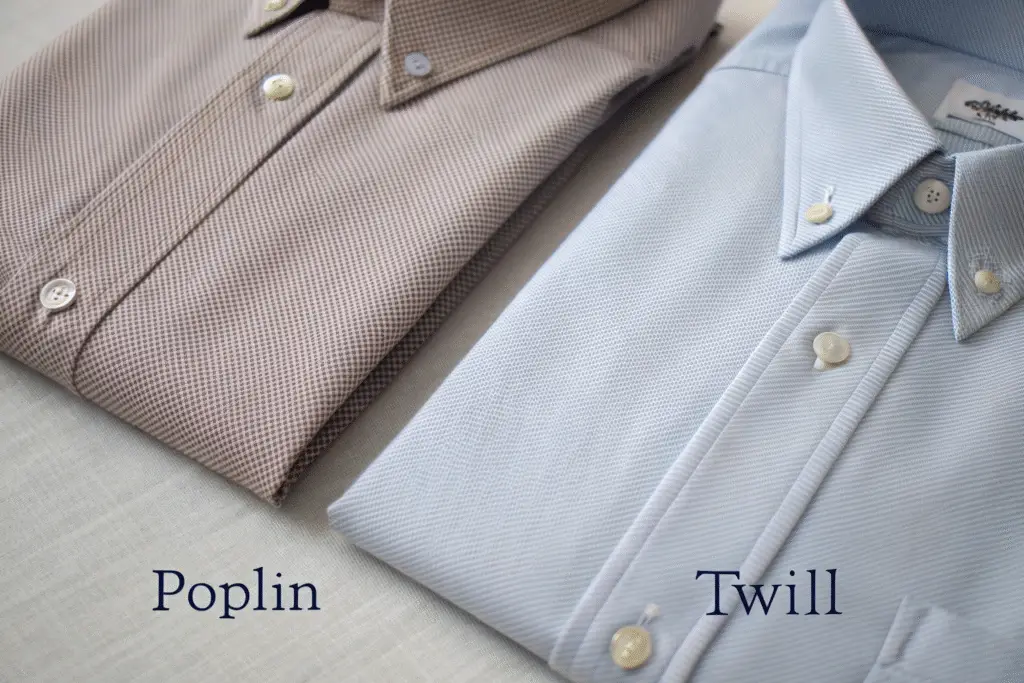
Poplin delivers crisp, refined finishes, while twill provides softer, more textured hand-feel properties. Both represent excellent choices, though they serve somewhat different purposes and aesthetic preferences. The selection between them can define a shirt line's fundamental character.
When does poplin weave represent the optimal choice?
Poplin, alternatively designated as broadcloth, constitutes the most ubiquitous formal shirt fabric. Its construction utilizes a fundamental one-over-one-under weaving pattern, producing fine, flat, and smooth textiles. This structural configuration imparts poplin's characteristic crispness and subtle luminosity. The material demonstrates lightweight properties, excellent breathability, and maintains sharp press retention. Poplin serves as the primary selection for classic white dress shirts and proves ideal for professional office environments and formal events requiring immaculate, business-appropriate presentation. Its durability and universal acceptance establish it as a foundational textile for any apparel collection.
Does twill suitability extend to business shirt applications?
Twill unquestionably qualifies as an excellent business shirt fabric. Its construction employs a diagonal weaving pattern (typically 2x1 or 2x2), generating distinctive ribbed texturing. This weave architecture produces slightly heavier fabrics with enhanced durability and superior tactile softness compared to poplin. Twill demonstrates elegant drape characteristics and reduced wrinkle propensity. It communicates depth and sophistication in garment presentation. While entirely appropriate for professional settings, twill shirts frequently exhibit richer, more tactile qualities that appeal to clients seeking alternatives to standard poplin. This versatile fabric effectively bridges business formal and smart-casual wearing applications.
What methodology balances quality and cost in fabric specification?
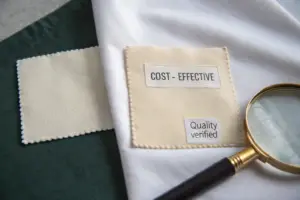
For brand management, achieving the optimal equilibrium between exceptional quality and competitive pricing constitutes fundamental profitability. The objective rarely involves selecting the most expensive fabric, but rather identifying materials delivering maximum value for specific target demographics. This requires comprehension of cost determinants and strategic decision-making that preserves perceived quality standards.
Strategic fabric specification can substantially influence profit margins without compromising product appeal. This involves recognizing appropriate investment points and optimization opportunities.
| Fabric Specification | Relative Cost Structure | Optimal Application | Critical Consideration |
|---|---|---|---|
| Standard Short-Staple Cotton | $ | Budget-Conscious Collections | Pilling susceptibility; reduced softness |
| High-Thread-Count Poplin | $$ | Core Product Lines | Balance between smoothness and durability |
| Supima or Egyptian Twill | $$$ | Premium/Luxury Tiers | Unmatched softness and brand enhancement |

What represents thread count's actual performance impact?
Thread count references the number of threads woven within one square inch of fabric. While elevated thread count frequently indicates refined, softer, and more durable textiles, it does not singularly determine quality. The intrinsic cotton fiber quality remains more significant. Long-staple cotton with moderate thread count often outperforms short-staple cotton with high thread count in both tactile comfort and longevity. We advise partners to prioritize fiber provenance initially, then consider thread counts between 80-200 for ideal softness, breathability, and strength balance in most formal shirts.
Can DDP terms streamline international supply chain operations?
Absolutely. Implementing DDP (Delivered Duty Paid) shipping protocols with your manufacturing partner can significantly simplify logistics management and ensure cost predictability. Under DDP arrangements, we, as suppliers, manage all shipping-related expenses and risks, including export documentation, marine transportation, insurance coverage, and import duties through to your U.S. warehouse reception. This eliminates unexpected cost liabilities and streamlines operational processes, enabling concentrated focus on sales and marketing activities. For procurement specialists managing complex logistics operations, this service model transforms efficiency standards and budgetary control.
What criteria define an optimal shirt manufacturing partner?
Beyond fabric considerations, your selected manufacturer determines production success. The appropriate partner should provide not only quality materials but also comprehensive services, reliable communication protocols, and unwavering commitment to scheduling and quality assurance. Your manufacturer should function as a seamless extension of your organizational team.
The operational challenges of shipment delays and communication deficiencies remain prevalent concerns. Professional manufacturing facilities eliminate these issues through transparent procedures and dedicated project management systems.
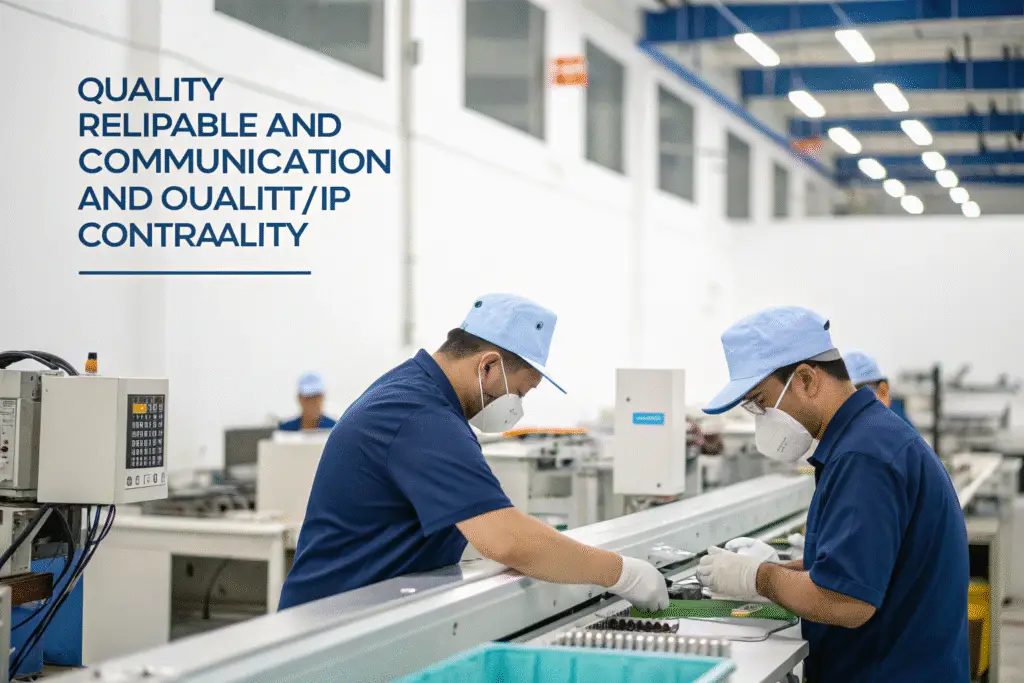
Why does quality assurance represent an indispensable manufacturing component?
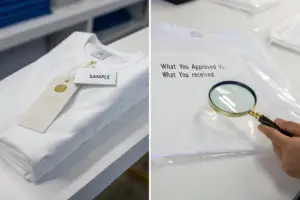
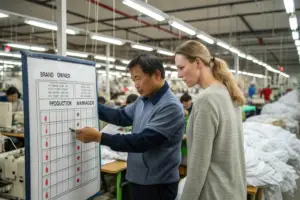
Quality control constitutes the foundation of reliable manufacturing partnerships. It requires integration at every production phase: from incoming fabric inspection through production line monitoring to final randomized finished goods examination. A robust QC protocol ensures every shirt departing our facility complies with your precise specifications and quality benchmarks. This safeguards your brand from costly customer returns and negative feedback consequences. We implement multi-stage quality assurance protocols that provide partners with complete operational confidence.
How can manufacturers ensure scheduling compliance?
On-time delivery represents a function of operational experience and process management. Manufacturers guarantee compliance through established material supplier relationships, efficient internal production scheduling, and demonstrated logistics management expertise. Our manufacturing facility maintains safety stock of common textiles and utilizes advanced planning software for real-time order progress monitoring. Our scheduling commitment underpins the trust numerous U.S. brands place in our seasonal collaboration; we recognize that shipment delays can equate to missed selling opportunities, and we structure operations accordingly to prevent such occurrences.
Conclusion
Specifying optimal formal shirt fabrics constitutes a strategic decision integrating the luxury of long-staple cottons like Egyptian and Supima with the functional performance of poplin and twill weaves. Through comprehension of these material properties and collaboration with manufacturers emphasizing rigorous quality control, transparent communication, and reliable DDP shipping, you can establish a successful and respected apparel brand. The appropriate partnership transforms complex overseas production into seamless and profitable business extension.
We maintain dedication to becoming such partners for ambitious U.S. brands. If prepared to manufacture premium formal shirts that will satisfy your customers, we invite dialogue initiation. For direct consultation regarding future orders, please contact our Business Director, Elaine, at elaine@fumaoclothing.com. We remain committed to supporting your market vision realization.