
In today's digital-driven world, businesses are rapidly shifting towards virtual solutions. But does this mean the human touch is becoming obsolete? Many companies now rely on 3D models and AI-generated designs, but there's still a key missing element: the ability to physically touch and feel a product before making a decision.
Physical samples provide an irreplaceable sense of quality, texture, and craftsmanship that digital simulations simply cannot replicate. While technology enhances efficiency, it lacks the sensory experience that buyers need to make confident purchasing choices. That’s why, despite digital advancements, physical samples remain crucial in industries like fashion and textiles.
If you're sourcing garments for your business, relying solely on digital images or AI renderings can be risky. How can you ensure the quality of fabric? What about the weight, softness, or drape of the material? This is where the human touch still holds significant value.
Is technology replacing human touch?
Digitalization has transformed industries, making processes faster and more efficient. But is it truly replacing human interaction?
Technology has revolutionized product sourcing, but it has not eliminated the need for human involvement. While digital platforms provide convenience, they cannot fully replace the sensory experience of evaluating a product in person. This is particularly true in industries like apparel manufacturing, where touch, feel, and physical inspection play a vital role in decision-making.
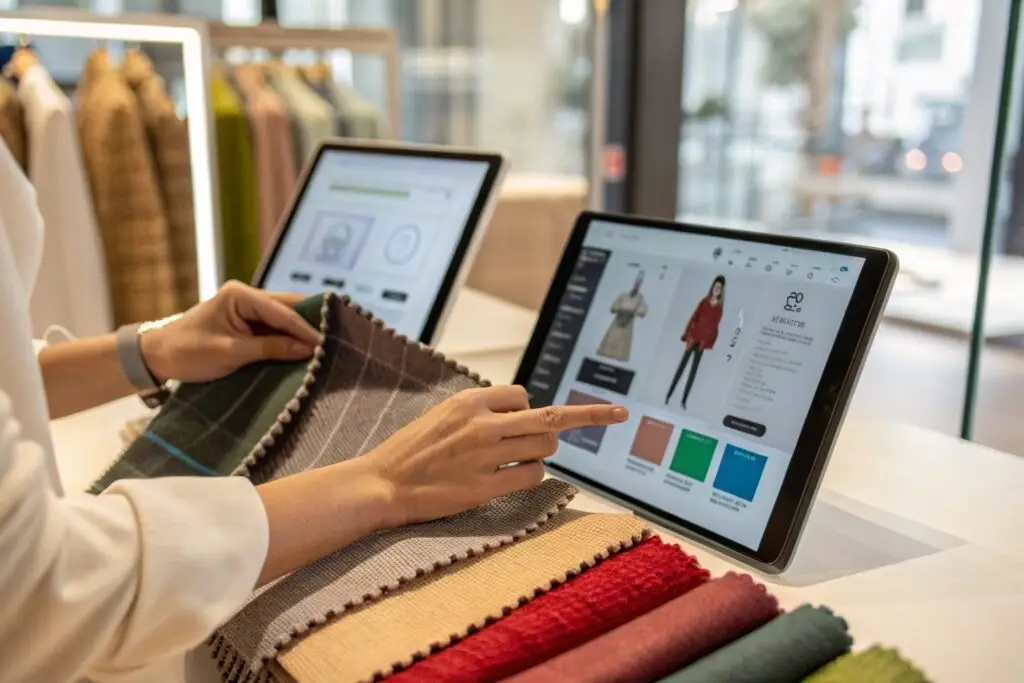
The limitations of digital-only sourcing
Despite the advancements in AI, 3D modeling, and virtual try-ons, digital tools1 still have gaps when it comes to quality assessment. A screen cannot convey the exact texture of a fabric, the breathability of a material, or the stitching precision. Even the best digital simulations fall short of replicating the real-life experience.
The psychological impact of physical interaction2
Humans rely on their senses to make purchasing decisions. The act of touching a fabric, feeling its weight, and even smelling a material contribute to an emotional connection3. Studies show that physical interaction increases confidence in purchasing decisions, reducing hesitation and buyer’s remorse.
How can the industry strike a balance between technology and human touch?
While digital solutions improve efficiency, businesses must find ways to integrate the human element to maintain trust and quality.
A hybrid approach—combining digital convenience with physical verification—ensures a seamless and trustworthy sourcing process. Using technology for initial screening and physical samples for final decisions provides the best of both worlds, reducing risks while maintaining efficiency.

Implementing a hybrid sourcing model4
To successfully integrate both digital tools and physical samples, businesses can follow a structured approach:
| Step | Digital Approach | Human Touch |
|---|---|---|
| 1. Initial Screening | AI-based fabric selection5 | Sample request |
| 2. Shortlisting Options | 3D visualizations | Physical touch and feel |
| 3. Final Decision | Virtual meetings | Factory visit or bulk sample approval |
By combining digital precision with physical evaluation, buyers can reduce uncertainty while maintaining speed and accuracy in sourcing decisions.
The role of trust in supplier relationships6
Building long-term relationships with suppliers requires a level of trust that digital interactions alone cannot establish. When buyers receive physical samples, they gain confidence in the supplier’s ability to meet expectations. This trust becomes the foundation for future business transactions.
What is the meaning of human touch in technology?
Incorporating human touch into technology isn’t about rejecting progress—it’s about enhancing it with meaningful interactions.
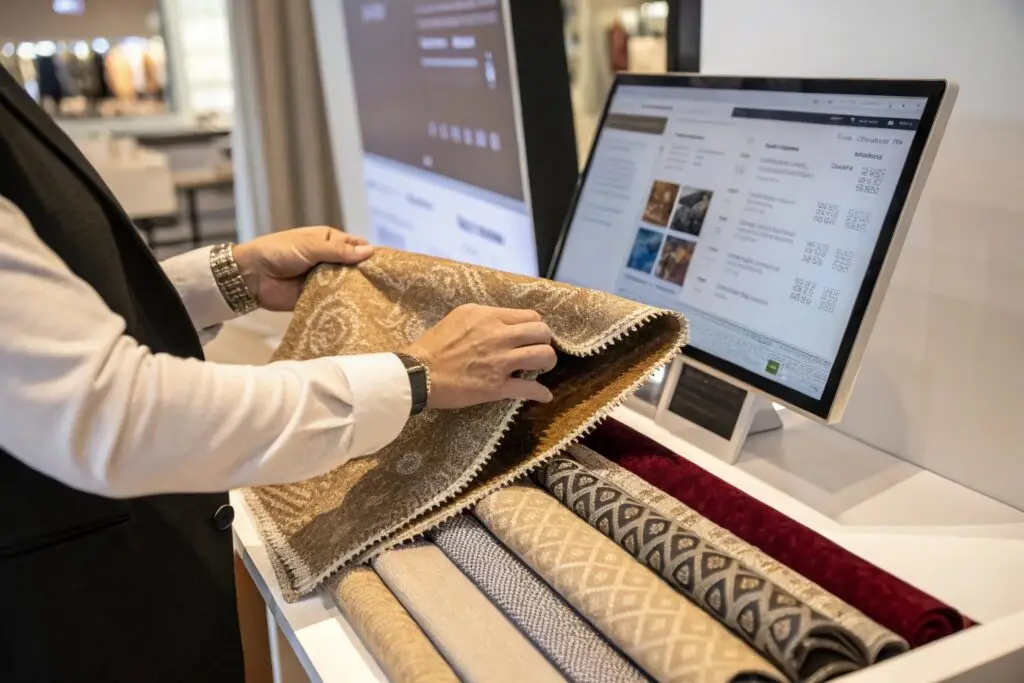
Human touch in technology refers to the intentional integration of personal interactions, sensory experiences, and trust-building elements in an otherwise digital process. In the apparel industry, this means blending virtual platforms with tangible experiences like fabric sampling and in-person consultations.
How does personalization impact decision-making?
Customers respond positively to a personalized experience7. When technology is combined with human interaction, such as customized recommendations or hands-on fabric samples, it creates a more engaging experience. This can influence purchasing behavior8 and increase brand loyalty.
The challenge of maintaining authenticity9 in a digital era
As AI and automation become more prevalent, brands must work harder to retain authenticity. Customers can sense when interactions feel robotic. By ensuring that human elements—like expert consultations and physical product validation—are still part of the process, businesses can maintain their credibility.
Why is human touch important in customer service?
In an era where chatbots and automated responses dominate, personalized customer service is more valuable than ever.
Human interaction in customer service fosters trust, improves problem-solving, and enhances customer satisfaction. While automation speeds up responses, it often lacks the warmth and adaptability of human conversation. Customers still appreciate real connections when making important decisions.

The emotional impact of human interaction
Studies show that customers who experience personalized service10 are more likely to make repeat purchases. The ability to ask questions, receive expert advice, and feel heard adds significant value that automation alone cannot provide.
Why trust is the foundation of business success
Trust is essential in business relationships. Whether it’s choosing a supplier or making a bulk purchase, customers need reassurance that they’re making the right choice. This is where human touch plays a crucial role—offering transparency, responsiveness, and a sense of security.
Conclusion
While technology continues to advance, the human touch remains irreplaceable, especially in industries where sensory evaluation is key. By balancing digital convenience with physical interaction, businesses can build trust, improve decision-making, and enhance customer satisfaction. In the end, the most successful companies are those that understand the power of blending technology with human experience.
-
Understanding the limitations of digital tools can help you make more informed purchasing decisions, especially in fashion and textiles. ↩
-
Exploring the role of physical interaction can enhance your understanding of consumer behavior and improve your shopping experience. ↩
-
Discovering the impact of emotional connections can help you understand why certain products resonate more with consumers. ↩
-
Explore this link to understand the hybrid sourcing model's benefits and implementation strategies for businesses. ↩
-
Learn about the advantages of using AI for fabric selection and how it enhances sourcing efficiency. ↩
-
Discover insights on the importance of trust in supplier relationships and how it affects long-term business success. ↩
-
Exploring this resource will provide insights into how personalization enhances customer engagement and influences buying decisions. ↩
-
Understanding these factors can help businesses tailor their strategies to effectively meet customer needs and boost sales. ↩
-
This link will offer valuable strategies for brands to stay genuine and credible in an increasingly automated world. ↩
-
Exploring this link will provide insights into how personalized service enhances customer loyalty and satisfaction. ↩