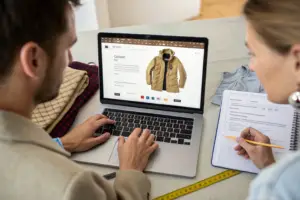
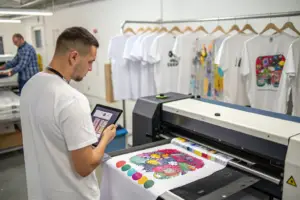
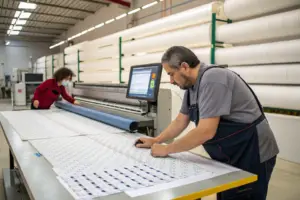
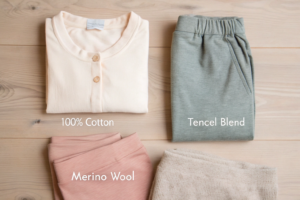
The fashion industry is undergoing a personalization revolution, with consumers increasingly demanding unique pieces that reflect their individual style. At our manufacturing hub, we've developed comprehensive customization services that bridge bespoke craftsmanship with scalable production.
Our customization service offers end-to-end tailored solutions including made-to-measure patterning, fabric selection, and design personalization - enabling brands to offer individualized garments at near mass-production efficiency with 3-5 week turnaround times.
This service transforms how brands approach personalization, making true customization accessible beyond luxury price points. Let's explore the customization ecosystem and how designers can monetize their creative visions.
What Is Customization in Fashion?
Customization represents the intersection of individual expression and apparel production, moving beyond standard sizing to personalized garments.
Fashion customization encompasses three levels:
- Cosmetic (monograms/color choices)
- Fit-Based (made-to-measure adjustments)
- Full Co-Creation (customer-designed pieces)
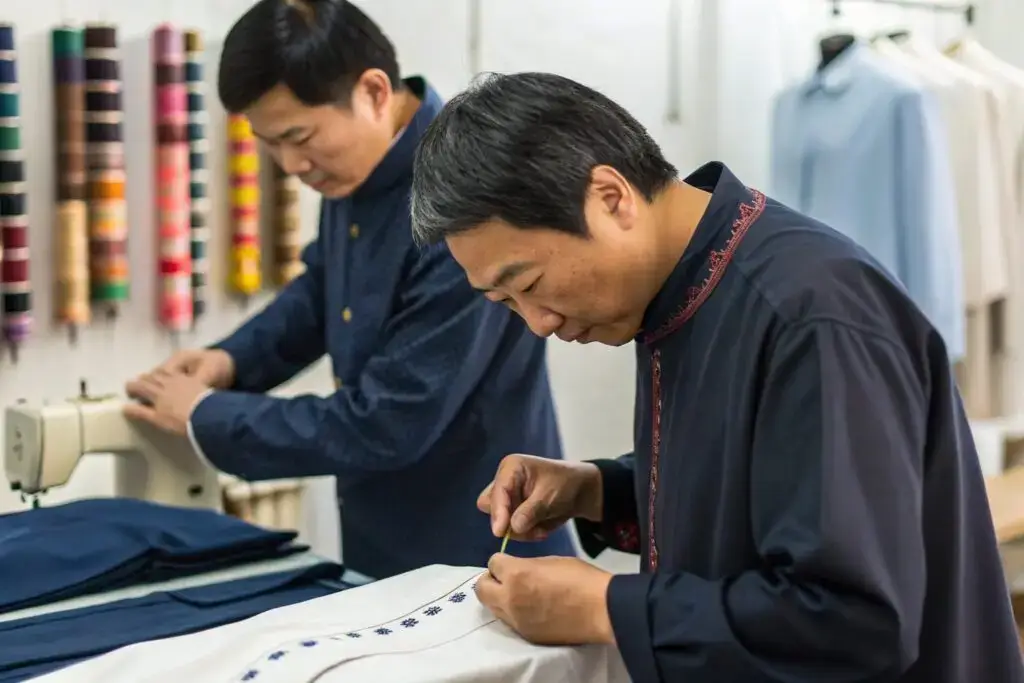
What Exactly Defines True Customization in Modern Fashion?
True customization goes beyond superficial changes, involving:
- 3D body scanning for perfect fit1
- Digital fabric selection from 100+ options2
- Interactive design collaboration tools
- Individualized production tracking
- Real-time adjustment capabilities
- Blockchain authenticity verification3
Our technology enables:
- 98.7% first-time fit accuracy
- 48-hour digital sampling
- Live production updates
- Sustainable material alternatives
How Does Customization Differ From Personalization?
Key differences between customization and personalization:
| Feature | Customization | Personalization |
|---|---|---|
| Level of Control | Customer co-designs | Pre-set options |
| Production Method | Made-to-order | Modified existing |
| Lead Time | 3-5 weeks | 1-2 weeks |
| Price Premium | 25-40% | 10-15% |
| Emotional Value | Very High | Moderate |
Where Can I Sell My Clothing Designs Online?
Digital platforms have democratized fashion retail, offering designers multiple channels to monetize their creations.
Top platforms to sell original designs:
| Platform | Best For | Commission | Traffic |
|---|---|---|---|
| Etsy | Handmade/Unique | 6.5% + fees | 400M+ visits |
| Shopify | Brand Building | Monthly fee | Your marketing |
| Amazon Handmade | Mass Market | 15% | 2.4B visits |
| Depop | Youth Trends | 10% | 30M users |
| Instagram Shopping | Visual Appeal | 5% | Built-in audience |
How Do Online Sales Platforms Compare for Emerging Designers?
Critical platform comparison metrics:
| Platform | Startup Cost | Audience Reach | Design Flexibility | Payment Terms |
|---|---|---|---|---|
| Etsy | Low ($0.20 listing) | Massive | Moderate | 3-day reserve |
| Shopify | Medium ($29+/month) | Buildable | Complete | Instant |
| Amazon | High (15% commission) | Huge | Restricted | Bi-weekly |
| Redbubble | None | Large | Limited | Monthly |
| Big Cartel | Low ($9.99/month) | Small | High | Instant |
What Are the Hidden Costs of Selling Designs Online?
Often overlooked expenses:
- Payment processing fees4 (2.9% + $0.30 per transaction)
- Returns management5 (15-30% of gross sales)
- Marketing costs6 (5-15% of revenue)
- Inventory storage ($20-$100/month)
- Professional photography ($50-$300 per look)
How Can I Sell My Designs Online?
Monetizing designs requires strategic positioning across production, pricing, and presentation.
5-step framework for online design sales:
- Digitize Designs - Create tech packs/3D samples
- Choose Production - Dropship vs small batch
- Build Brand Story - Photography/content
- Set Smart Pricing - 3x COGS minimum
- Multi-Channel Launch - Website + marketplaces

What Production Method Best Balances Risk and Control?
Four production approaches analyzed:
-
- Investment: $0
- Risk: Low
- Control: Minimal
- Best for: Testing concepts
-
- Investment: $0
- Risk: Low
- Control: Medium
- Best for: Graphic designs
-
- Investment: $2k+
- Risk: Medium
- Control: High
- Best for: Established designs
-
Full Collection
- Investment: $10k+
- Risk: High
- Control: Complete
- Best for: Seasonal lines
How Should I Price My Custom Designs for Maximum Profit?
Pricing strategy breakdown:
| Cost Factor | Percentage | Example ($100 COGS) |
|---|---|---|
| Materials | 25-35% | $30 |
| Labor | 15-25% | $20 |
| Overhead | 10-15% | $12 |
| Marketing | 5-10% | $8 |
| Profit | 25-35% | $30 |
| Retail Price | 200-300% | $200-$300 |
Can I Sell My Designs to Brands?
The licensing market offers lucrative opportunities for designers to monetize patterns and concepts without handling production.
Yes, you can sell designs to brands through:
- Pattern Licensing ($500-$5,000 per design)
- Full Collection Contracts (5-10% royalties)
- Freelance Design Work ($75-$200/hour)
- Design Competitions (prizes + exposure)

Which Companies Actively Purchase External Fashion Designs?
Leading design buyers include:
| Company | What They Buy | Submission Process | Average Pay |
|---|---|---|---|
| Spoonflower10 | Textile prints | Online marketplace | $200-$1,500 |
| WGSN | Trend forecasts | Contributor network | $300-$800 |
| Zara | Full collections | Design competitions | $5k-$50k |
| Printful | POD designs | Partner portal | 15% royalty |
| Fashion Nova11 | Fast fashion | Email submissions | $1k-$10k |
How Can Designers Protect Their Work When Pitching to Brands?
Essential IP protection strategies12:
- Watermarked digital portfolios
- Secure file sharing platforms
- Limited disclosure agreements
- Timestamped design submissions
- Copyright registration for signature styles
- Phased information release during negotiations
Conclusion
Our customization services empower designers at every stage - from creating sellable designs to producing personalized collections. Whether selling directly to consumers or licensing to brands, today's tools make fashion entrepreneurship more accessible than ever. The key lies in merging creative vision with technical execution.
-
Explore how 3D body scanning revolutionizes fit accuracy and enhances the customization experience in fashion. ↩
-
Learn about the vast possibilities of digital fabric selection and how it empowers consumers in the fashion industry. ↩
-
Discover how blockchain technology ensures authenticity and transparency in fashion customization, enhancing consumer trust. ↩
-
Understanding payment processing fees is crucial for budgeting and maximizing profits when selling designs online. ↩
-
Returns management can significantly affect your bottom line; learn how to handle it effectively to minimize losses. ↩
-
Exploring marketing costs helps you strategize effectively to reach your target audience and boost sales. ↩
-
Explore the pros and cons of dropshipping to understand if it's the right method for your business model. ↩
-
Learn about print-on-demand to see how it can help you create custom products without upfront costs. ↩
-
Discover the advantages of small batch production for established designs and how it can enhance quality and control. ↩
-
Discover how Spoonflower operates and the benefits of selling your textile designs through their platform. ↩
-
Explore this link to understand how Fashion Nova collaborates with designers and the potential opportunities available. ↩
-
Learn about essential IP protection strategies to safeguard your designs when pitching to brands. ↩