We’ve all rushed into buying something off the rack, only to regret it later. The fit’s not right, the quality's off, or it just doesn’t feel like you. That’s the problem with ready-to-wear—it’s made for everyone, not for you.
Ready-to-wear is fast and convenient. Custom-made offers better fit and personal style. Your choice depends on what you value more: speed or precision.
Let’s compare the two and see which one truly fits your lifestyle—and your wardrobe goals.
What is the difference between custom-made and ready-to-wear?
Buying clothes can be confusing when you're choosing between something already made and something made just for you. Many people don’t know what they’re really getting.
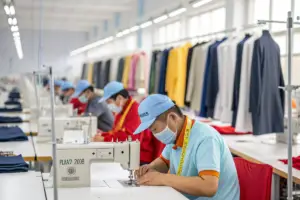
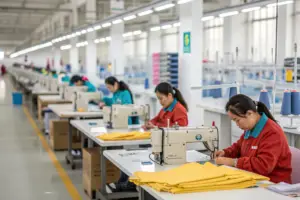
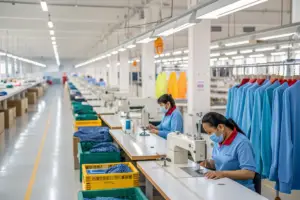
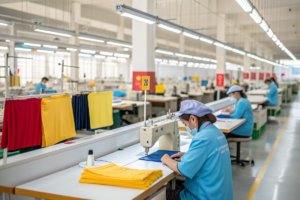
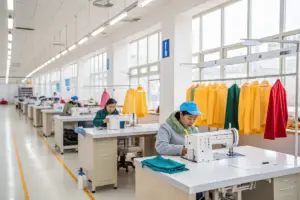
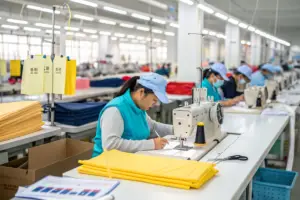
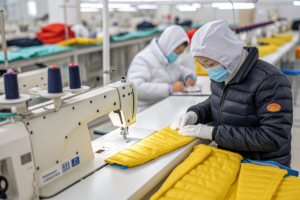
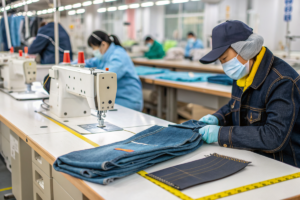
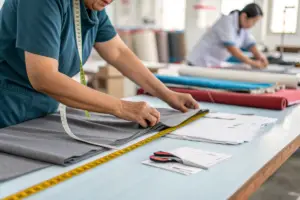
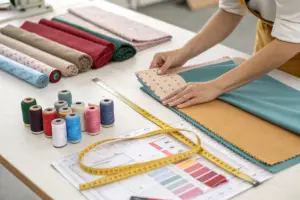
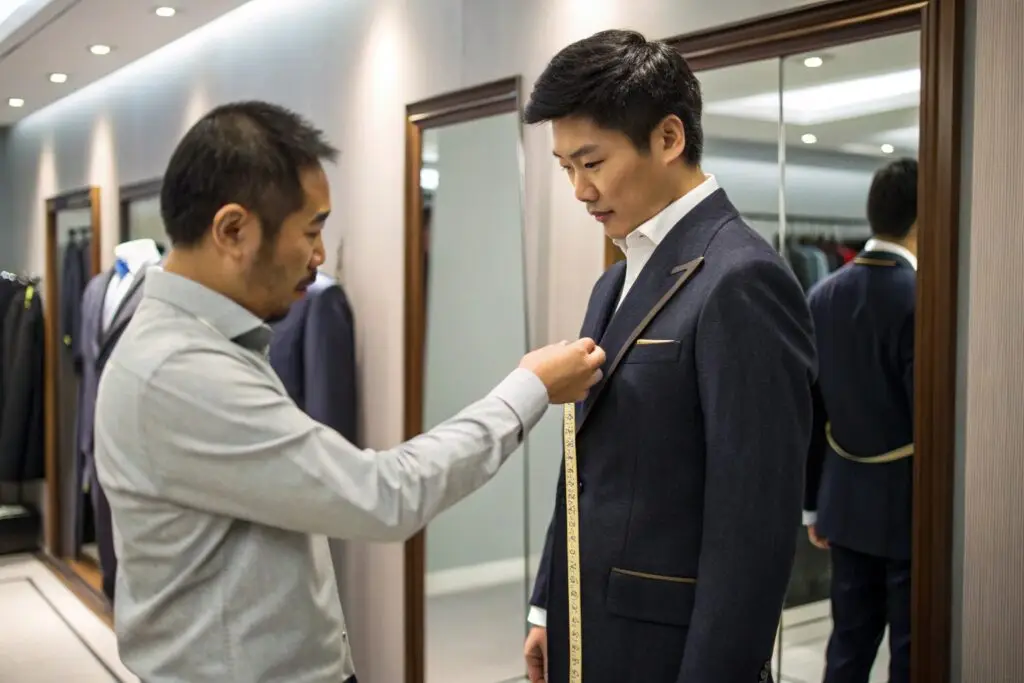
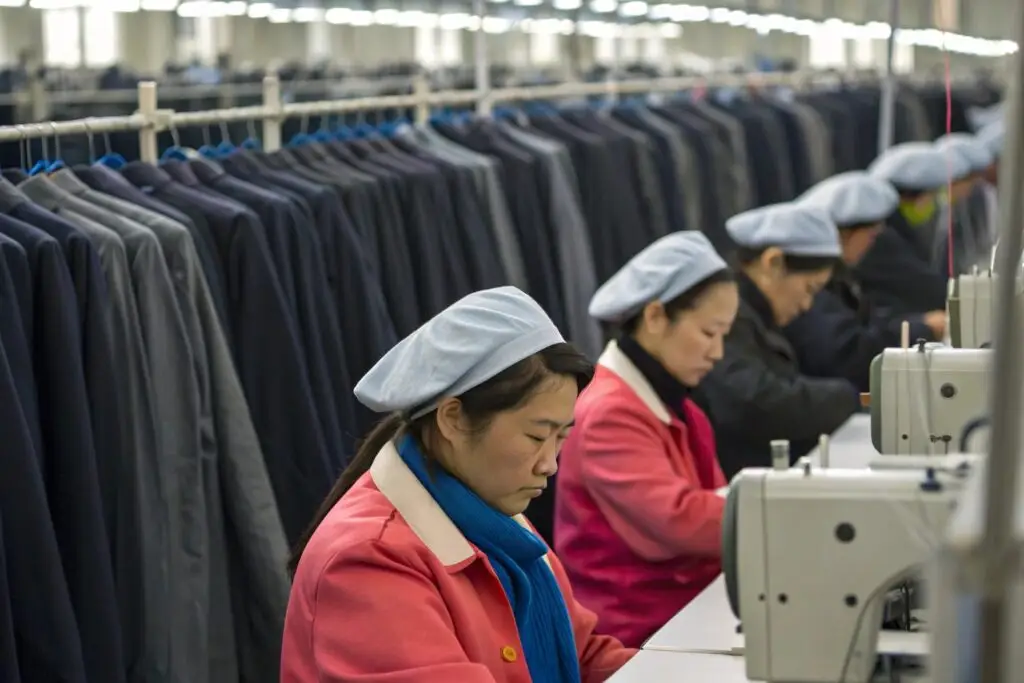
Ready-to-wear clothes are mass-produced in standard sizes. Custom-made garments are tailored for a specific individual’s body and preferences.
Why does ready-to-wear1 often lead to compromises in fit, quality, or design?
When I first started sourcing apparel, I noticed how many complaints came from standard sizing. People wanted clothes fast, but they also wanted them to fit perfectly. Unfortunately, ready-to-wear often fails to deliver both.
Because it’s mass-produced, ready-to-wear clothing follows general sizing charts. But not everyone is a "medium" or fits neatly into a factory pattern. That’s where custom-made2 wins—it starts with you.
Ready-to-wear may offer trendy designs at lower costs, but it sacrifices individuality. The fabrics are often chosen for cost, not comfort. The stitching must be fast, not perfect. It’s fast fashion3—and that comes with limits.
How does the process differ from one another, and what should buyers expect?
Let’s break it down clearly:
| Feature | Ready-to-Wear | Custom-Made |
|---|---|---|
| Fit | Standard sizes | Tailored to individual measurements |
| Delivery Time | Immediate or within days | Requires lead time (1-4 weeks) |
| Design Control | Limited to available stock | High—choose fabric, cut, details |
| Price | Lower upfront | Higher, but better long-term value |
| Materials | Often mid-grade | Usually higher-quality fabrics |
Buyers of ready-to-wear should expect speed and simplicity. Custom-made buyers should expect more interaction, more decisions—and better results. Both have their place. The key is knowing what matters most to you.
Is it ready-to-wear or bespoke?
The fashion world throws around terms like "bespoke," "custom," and "ready-to-wear" a lot. But not all these terms mean the same thing—and that can create confusion.
Ready-to-wear means pre-made clothing in standard sizes. Bespoke means fully custom clothing made from scratch to fit one person exactly.
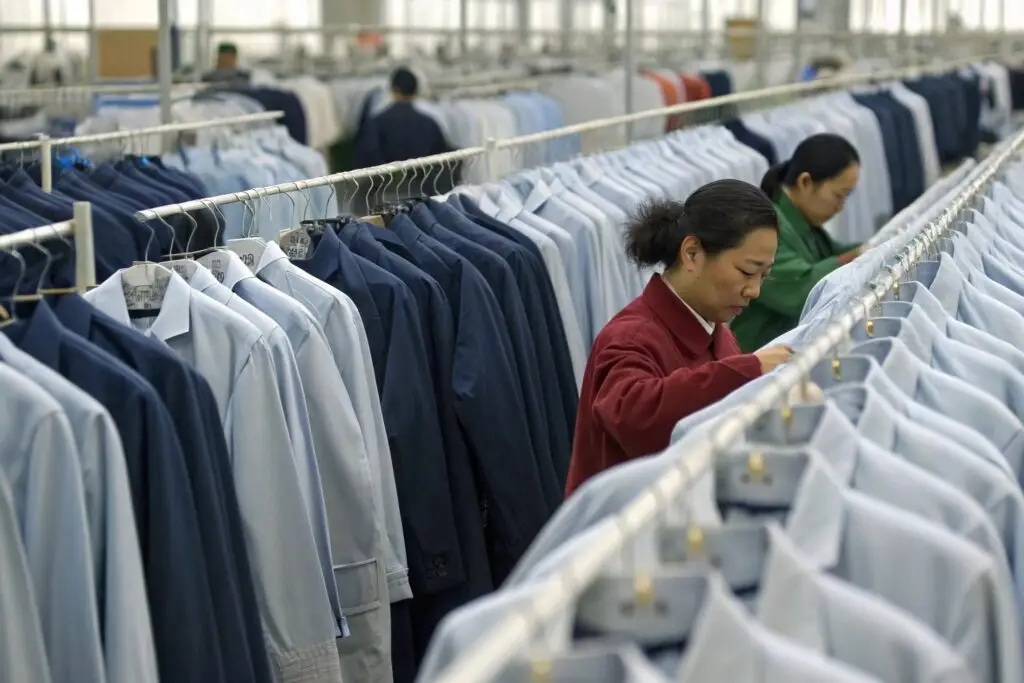
How do “bespoke,” “made-to-measure,” and “ready-to-wear” differ in tailoring?
This is something many people—even in the industry—get mixed up. So let’s clarify it simply:
- Ready-to-Wear (RTW)4: Factory-produced. Pick your size and go.
- Made-to-Measure (MTM)5: Starts from a pre-existing pattern, but gets adjusted to your measurements.
- Bespoke6: The highest level. Built from scratch for your exact shape and style.
Think of it like buying a car:
| Type | Car Comparison |
|---|---|
| RTW | Buying a car off the lot |
| MTM | Customizing a model you picked |
| Bespoke | Building your own car from zero |
Bespoke offers the most control, but takes the most time and cost. Ready-to-wear is fast and cheap, but generic. Made-to-measure is the middle ground. Knowing the difference helps you make better buying decisions.
Which option is best for different types of buyers?
If you're a fashion-forward professional who wants the perfect fit and premium feel, bespoke or made-to-measure may be right for you.
If you're running a brand, managing inventory, or launching seasonal collections, ready-to-wear gives you speed and predictability. It’s also ideal for B2B buyers like Ron, who need scalable solutions.
At Fumao, we support all three. We work with buyers who want ready-to-wear basics, but we also handle made-to-order and even limited bespoke runs for premium clients.
Can ready-to-wear be made to order?
This sounds like a contradiction, right? But in today’s fashion world, it’s actually a smart hybrid model. Made-to-order bridges the gap between mass production and personalization.
Yes, ready-to-wear items can be made to order. This means using standard designs but producing them only after the customer places the order.
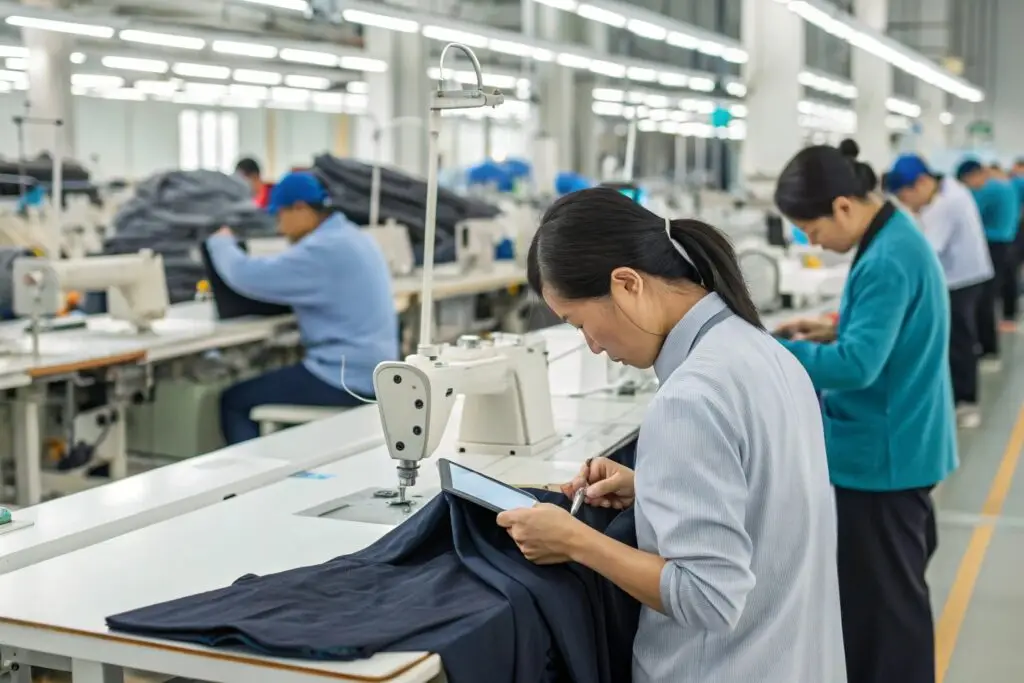
How does made-to-order7 give flexibility without the cost of full customization?
Made-to-order is efficient. You still use standard sizing and core designs, but you avoid overproduction and can offer minor customizations. That’s why many smart brands are turning to this model.
Here’s what it can look like:
| Component | Ready-to-Wear | Made-to-Order |
|---|---|---|
| Stock | Pre-produced | Made after ordering |
| Options | Fixed | Optional upgrades |
| Inventory Risk | High | Low |
| Personalization | None | Light (e.g., logo) |
This model reduces waste and gives customers more choice. For B2B, it’s a strong way to reduce inventory costs while keeping buyers happy. You still get the efficiency of ready-to-wear, but add a premium touch.
Why are more fashion brands choosing made-to-order over bulk production?
Bulk production often leads to unsold inventory. That ties up cash, clogs your warehouse, and creates waste. Made-to-order solves this.
More brands are choosing made-to-order because:
- It’s more sustainable8
- It’s easier to test new designs
- It allows flexibility in sizing and fabric
- It aligns with consumer demand for personalization9
It’s not full-on bespoke, but it’s better than guessing what people will buy. And customers appreciate the transparency—they know you’re making something just for them.
Is my clothes ready or are my clothes ready?
This might sound like a grammar lesson, but it reflects how we talk about clothing—and how important clarity is, especially when selling globally.
The correct phrase is “Are my clothes ready?” because “clothes” is a plural noun.
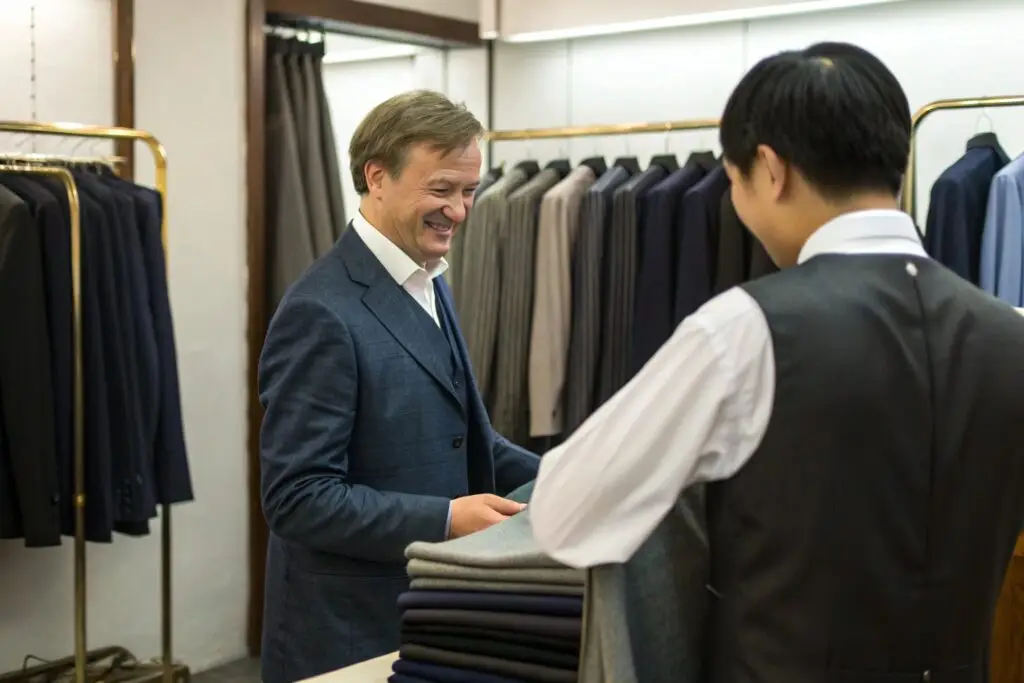
Why does language accuracy10 matter in fashion communication11?
Fashion isn’t just visual—it’s verbal. How you talk to customers matters, especially in global business. If your phrasing sounds awkward, it creates doubt about your professionalism.
Imagine receiving a message saying, “Your clothes is ready.” It sounds unprofessional, even careless. For fashion brands, especially those dealing internationally, clear English matters.
If you’re managing product descriptions12, customer emails, or order updates, accuracy builds trust.
What other common phrases should fashion businesses get right?
Here are a few phrases that often trip people up—and how to say them correctly:
| Incorrect | Correct |
|---|---|
| Your clothes is ready. | Your clothes are ready. |
| The trouser are available. | The trousers are available. |
| This cloth is nice. | This piece of clothing is nice. |
Getting these right improves how your brand is perceived. It may seem small, but in fashion, details are everything.
Conclusion
Choosing between ready-to-wear and custom-made isn’t just about price or speed—it’s about what you value. Whether you want convenience, fit, or personal style, understanding your options helps you make smarter decisions.
-
Explore this link to understand the limitations of ready-to-wear clothing and how it impacts fit and quality. ↩
-
Discover the advantages of custom-made clothing, including fit and quality, to see if it's right for you. ↩
-
Learn about fast fashion's impact on the industry and why it raises concerns about sustainability and quality. ↩
-
Explore the benefits of Ready-to-Wear clothing to understand its appeal for quick and affordable fashion choices. ↩
-
Learn about Made-to-Measure tailoring to see how it combines customization with convenience for a better fit. ↩
-
Discover the world of Bespoke tailoring to appreciate its craftsmanship and personalized service for the perfect fit. ↩
-
Explore how made-to-order production can enhance sustainability and customer satisfaction in the fashion industry. ↩
-
Learn about the environmental benefits of sustainable fashion practices and their importance in today's market. ↩
-
Discover the latest trends in fashion personalization and how they cater to consumer preferences. ↩
-
Understanding the significance of language accuracy can enhance your brand's communication and professionalism in the fashion industry. ↩
-
Exploring best practices in fashion communication can help you connect better with your audience and elevate your brand's image. ↩
-
Learning how to craft compelling product descriptions can significantly boost your sales and customer engagement in the fashion market. ↩