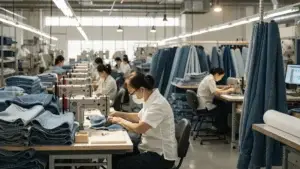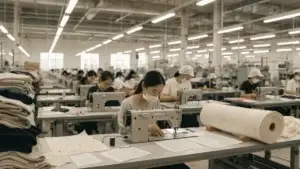
When scaling up from a fabric strike-off to full production, one of the most common challenges is ensuring that the pattern remains consistent. Differences in production methods, materials, and processes can lead to unexpected changes in the final fabric. Let’s explore how patterns are created, transferred, and maintained from strike-off to bulk production.
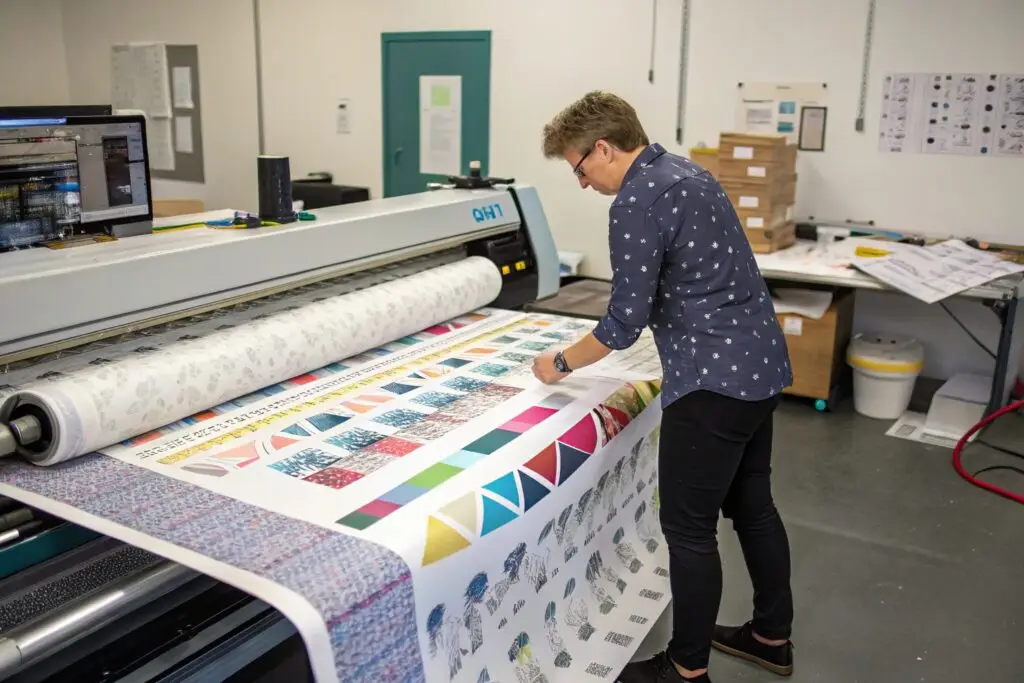
Fabric patterns are created and transferred using techniques like screen printing, digital printing, or rotary printing. While strike-offs are used to review the design and colors, scaling up to production can introduce variations due to differences in equipment, materials, and processes. At Fumao Clothing, we prioritize consistency by using advanced techniques and thorough testing to ensure your patterns remain true to your vision.
Now, let’s dive deeper into the process of creating and transferring fabric patterns, the role of strike-offs, and how to maintain consistency from strike-off to production.
How Patterns Are Created and Transferred on to a Fabric in Printmaking
Creating and transferring fabric patterns is a complex process that requires precision and expertise. But how does it work?
Fabric patterns are created using design software and transferred onto fabric through techniques like screen printing, digital printing, or rotary printing. Each method has its advantages and challenges, and the choice of technique depends on the design complexity, fabric type, and production scale. Fumao Clothing uses advanced printing techniques to ensure high-quality, consistent patterns.
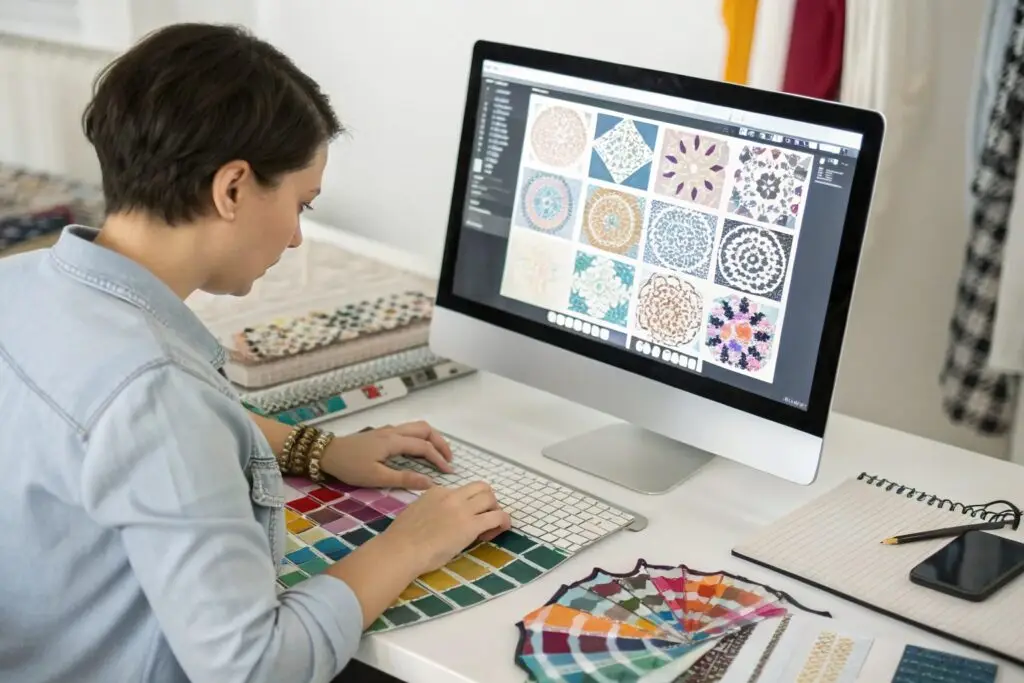
What Are the Common Fabric Printing Techniques?
The most common fabric printing techniques include:
- Screen Printing1: A traditional method where ink is pushed through a mesh screen onto the fabric. It’s ideal for bold designs and large-scale production.
- Digital Printing2: A modern technique that uses inkjet technology to print designs directly onto the fabric. It’s perfect for intricate patterns and small batches.
- Rotary Printing: A high-speed method that uses cylindrical screens to transfer designs onto fabric. It’s commonly used for large-scale production of repetitive patterns.
By understanding these techniques, you can choose the best method for your fabric patterns.
How Can You Ensure Pattern Consistency During Production?
Ensuring pattern consistency during production involves several steps:
- Precision Equipment: Use advanced printing machines that maintain accuracy at scale.
- Quality Control3: Conduct regular checks to ensure the pattern aligns with the strike-off.
- Skilled Operators: Employ experienced technicians who understand the intricacies of fabric printing.
By following these steps, you can ensure your patterns remain consistent from strike-off to production.
What is a Strike-Off in Fabric Printing?
A strike-off is a critical step in the fabric printing process, but what exactly is it?
A strike-off in fabric printing is a small sample of printed fabric used to review the design, colors, and print quality before full production. It ensures that the final product matches your vision. However, strike-offs may not fully represent the final fabric’s texture or handfeel due to differences in production methods and materials.
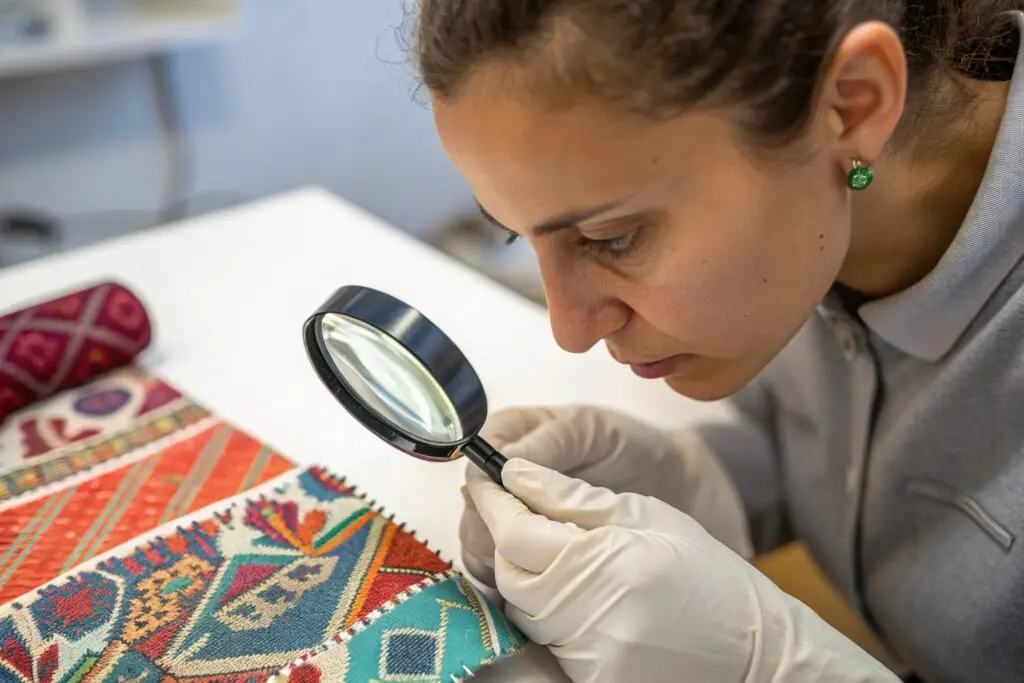
How is a Fabric Strike-Off Created?
Creating a fabric strike-off4 involves several steps:
- Design Approval: The design is finalized and prepared for printing.
- Sample Printing: A small sample of the fabric is printed using the chosen method (e.g., screen printing, digital printing).
- Review and Feedback: The strike-off is reviewed for color accuracy, design alignment, and overall quality. Feedback is provided to make any necessary adjustments.
By following this process, we ensure that the final product meets your expectations.
Why Might Strike-Offs Differ from Bulk Production?
Strike-offs may differ from bulk production due to:
- Production Methods: Strike-offs are often made using different techniques than mass production.
- Material Variations: Small-scale samples may not fully represent the final fabric’s texture or weight.
- Finishing Processes: Strike-offs may lack the finishing treatments applied during full production.
Understanding these differences can help you better evaluate the final fabric’s quality.
What is the Purpose of a Strike-Off?
The purpose of a strike-off is to ensure the final product meets your expectations and standards. But why is this step so critical?
The purpose of a strike-off is to review and approve the design, colors, and print quality before full production. It helps identify and correct any issues early, ensuring the final product meets your specifications. Fumao Clothing uses strike-offs to deliver high-quality garments that exceed your expectations.
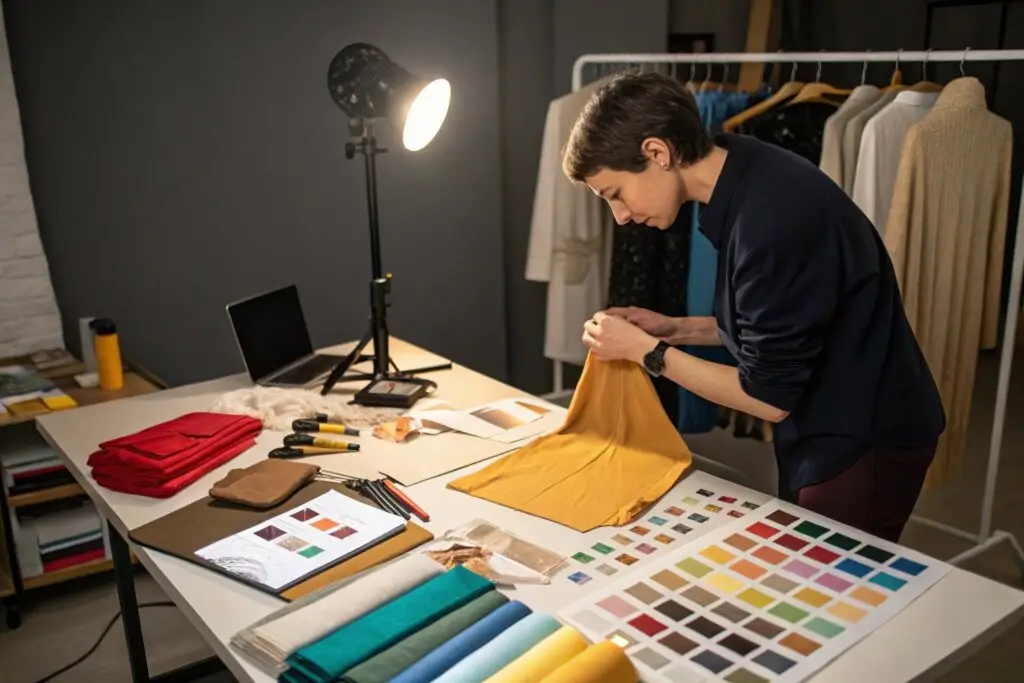
How Does a Strike-Off Benefit Your Business?
A strike-off benefits your business in several ways:
- Quality Control5: It ensures the final product meets your quality standards.
- Cost Savings6: Identifying and correcting issues early prevents costly mistakes during mass production.
- Customer Satisfaction7: It ensures the final product aligns with your vision and requirements.
By incorporating strike-offs into your production process, you can ensure high-quality results and customer satisfaction.
What Are the Long-Term Benefits of Strike-Offs?
The long-term benefits of strike-offs include:
- Improved Efficiency: Streamlined processes reduce delays and errors.
- Stronger Brand Reputation: High-quality products enhance your brand’s reputation.
- Customer Loyalty: Satisfied customers are more likely to return and recommend your brand.
These benefits make strike-offs an essential step in the production process.
What is the Difference Between Strike-Offs and Lab Dips?
Strike-offs and lab dips are both used in fabric production, but they serve different purposes. What’s the difference?
A lab dip is a small sample of dyed fabric used to evaluate color accuracy, while a strike-off is a sample of printed fabric used to review the design, colors, and print quality. Both are essential for ensuring the final fabric meets your expectations, but they focus on different aspects of the production process.
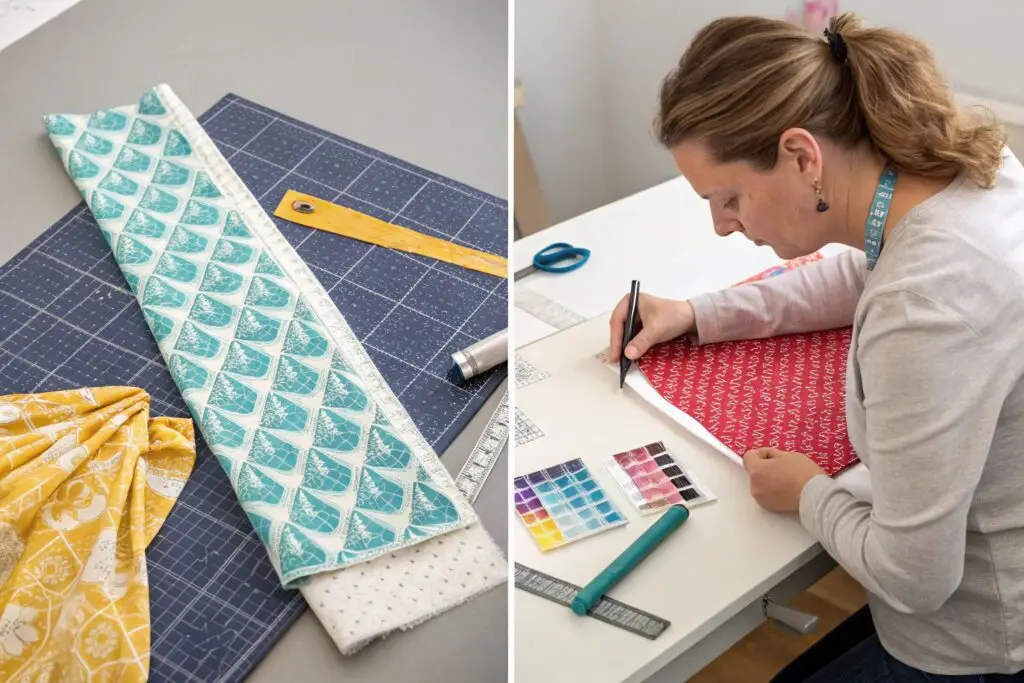
How Do Lab Dips Work?
Lab dips involve:
- Color Matching8: The dye is adjusted to match your desired color.
- Sample Creation9: A small sample of fabric is dyed and sent for approval.
- Review and Feedback: The lab dip is reviewed for color accuracy, and adjustments are made if necessary.
Lab dips ensure the final fabric matches your desired color.
How Do Strike-Offs Work?
Strike-offs involve:
- Design Approval10: The design is finalized and prepared for printing.
- Sample Printing: A small sample of the fabric is printed using the chosen method.
- Review and Feedback: The strike-off is reviewed for design accuracy, colors, and print quality.
Strike-offs ensure the final product aligns with your vision.
Conclusion
Scaling up from a strike-off to bulk production can introduce changes in fabric patterns, but understanding these variations can help you achieve consistent results. By using advanced printing techniques, thorough testing, and production-grade samples, you can ensure your patterns remain true to your vision. Fumao Clothing is committed to delivering high-quality fabrics that look and feel exactly as you envision. Contact us today to learn more about how we can help you achieve your vision.
-
Explore this link to understand the intricacies of screen printing, its advantages, and applications in fabric design. ↩
-
Discover the benefits of digital printing, including its versatility and efficiency for intricate designs, by visiting this resource. ↩
-
Learn about effective quality control measures in fabric printing to ensure consistency and high standards in production. ↩
-
Explore this link to gain a deeper understanding of fabric strike-offs and their significance in textile production. ↩
-
Understanding quality control can help you enhance your product standards and customer satisfaction. ↩
-
Exploring cost-saving strategies can lead to more efficient production and increased profitability. ↩
-
Learning about customer satisfaction strategies can help you build loyalty and enhance your brand reputation. ↩
-
Understanding Color Matching is crucial for achieving the perfect fabric hue. Explore this link to enhance your knowledge. ↩
-
Learning about Sample Creation can help you grasp the importance of fabric samples in the dyeing process. Check this resource for insights. ↩
-
Design Approval is key to ensuring your vision is realized in the final product. Discover more about this process through the link. ↩