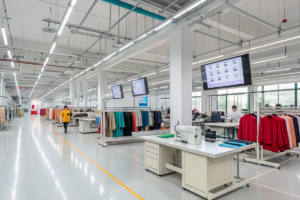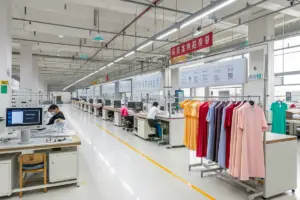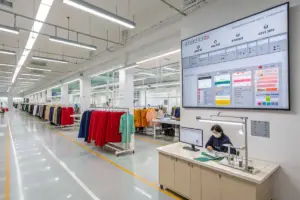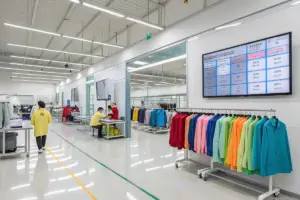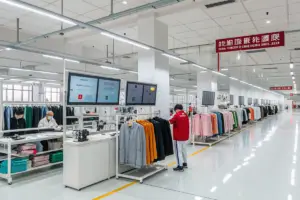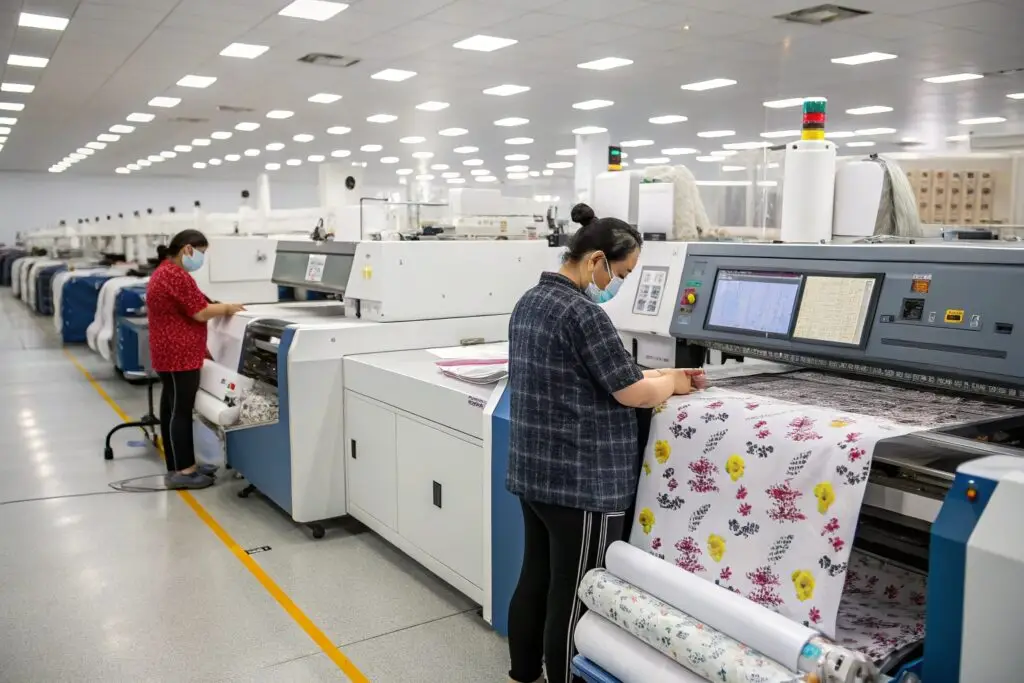
We’re making clothes with 21st-century designs but 20th-century systems. That mismatch is slowing down the whole industry.
Apparel manufacturing is overdue for a digital transformation. While fashion evolves fast, many factories still rely on outdated machines, manual labor, and guesswork, causing waste, delay, and inefficiency.
The future of fashion isn’t just about what’s trending—it’s about how we make it. And that future depends on smarter, faster, and cleaner technology in manufacturing.
How has technology changed the fashion industry?
Fashion looks digital from the outside, but behind the scenes, it’s still shockingly analog. Only a few brands are using tech to its full potential.
Technology has transformed the fashion industry by streamlining design, speeding up production, reducing costs, and enabling greater personalization through automation and data.
How does digital transformation impact product creation?
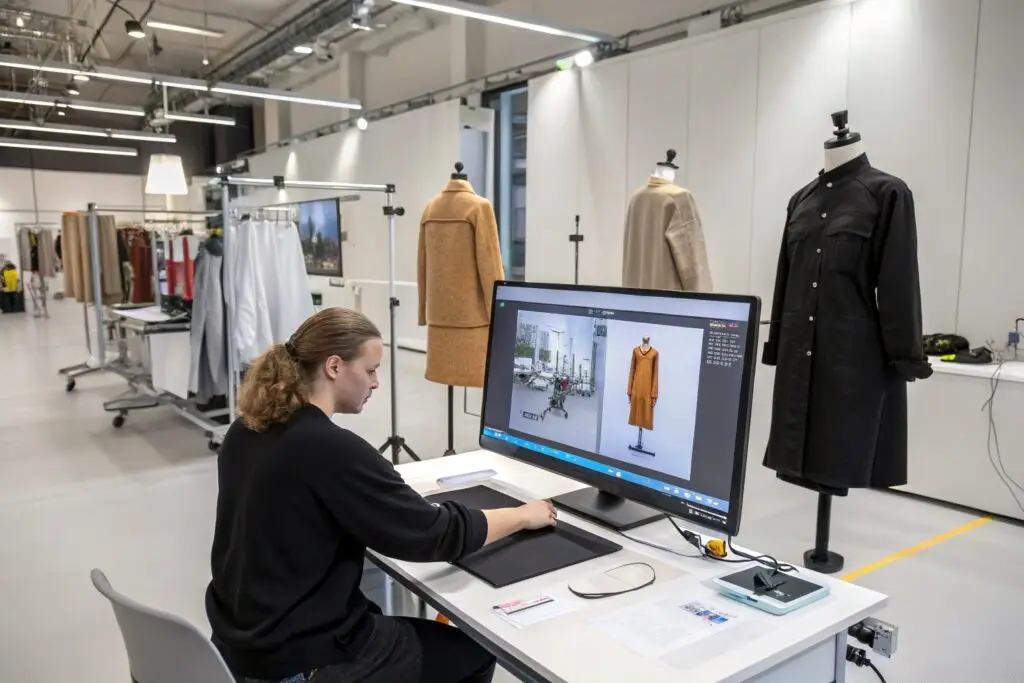
Digital design tools allow designers to sketch, visualize, and sample garments without touching fabric. At Fumao, we use CAD to turn client sketches into 3D garments, cutting sampling time in half. This means faster approvals and fewer physical samples.
| Area | Old Process | Tech-Driven Process |
|---|---|---|
| Design | Paper sketches | CAD & 3D rendering |
| Sample creation | Manual sewing | Virtual prototyping |
| Fit testing | In-person fittings | 3D avatars, body scanning |
| Product feedback | Focus groups | Real-time online analytics |
This shift speeds up the supply chain and allows brands to respond to market trends instantly.
What does tech enable that manual methods can’t?
With automation, we can cut and sew with 1mm precision. AI can predict demand1 based on past sales, reducing deadstock. RFID tracking shows exactly where your product is in the supply chain. These tools reduce human error, lower waste, and increase transparency—things manual systems struggle to match.
What is apparel manufacturing technology?
For many, fashion tech ends at e-commerce. But apparel tech goes deep into machines, materials, and systems used in production lines.
Apparel manufacturing technology includes the digital tools, automated systems, and smart machinery used to design, cut, sew, monitor, and finish garments at scale.
What tools define modern apparel manufacturing?
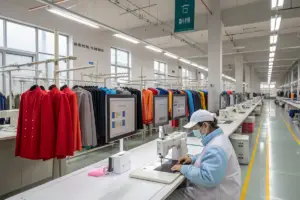
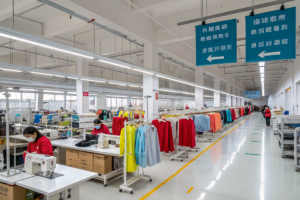
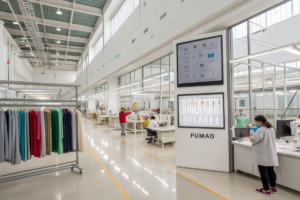
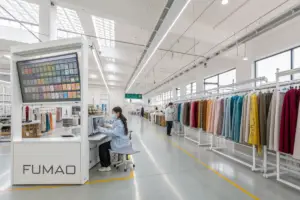
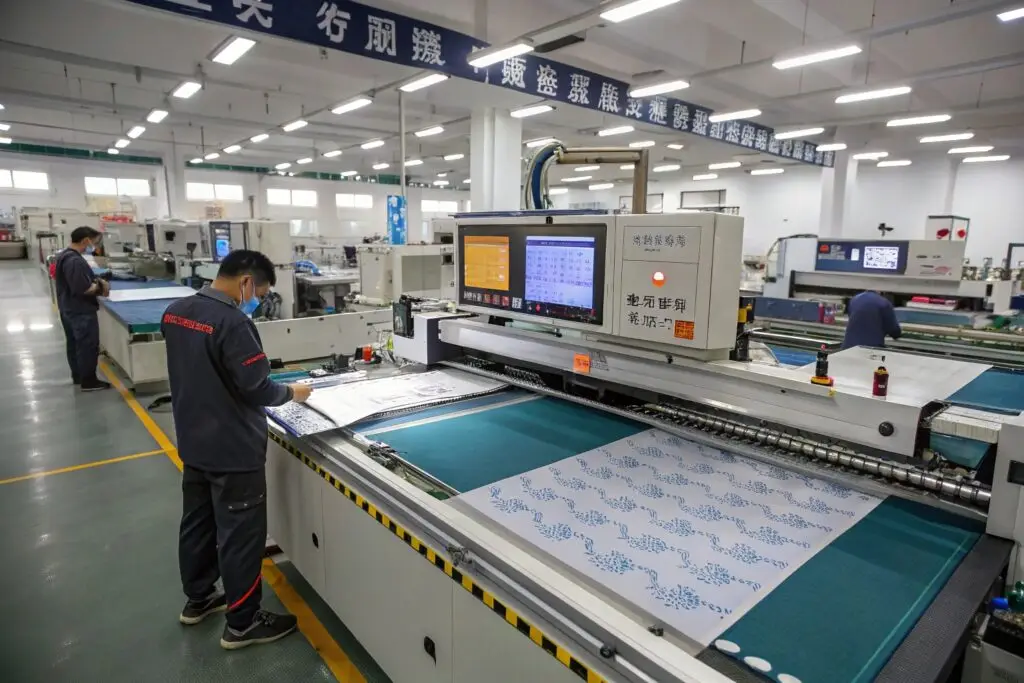
At Fumao, we’ve adopted computer-controlled cutting machines2 and AI-supported production planning software3. These help us reduce fabric waste and hit tight deadlines. Smart sewing machines alert us when something goes wrong—before a full batch gets ruined.
| Tech Tool | Function |
|---|---|
| CAD (Computer-Aided Design) | Creates technical drawings and 3D |
| CAM (Computer-Aided Mfg.) | Guides cutting, sewing automation |
| ERP Systems | Manages planning and resources |
| RFID/Barcode Tracking | Tracks inventory and workflow |
Together, these tools bring precision and predictability to what used to be a messy and manual process.
Why are many factories still behind?
Because upgrading costs time, money, and training. Many factories in Asia still rely on skilled labor and traditional methods. But as labor costs rise and clients demand transparency, this tech shift is no longer optional. It’s survival.
What is the new technology in textile manufacturing?
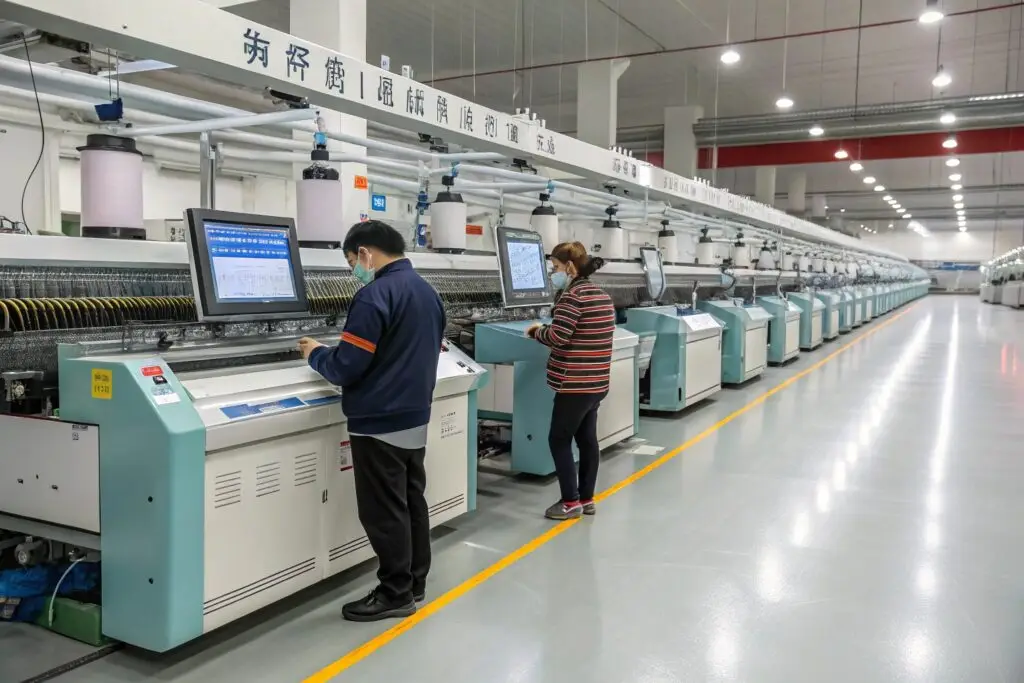
Apparel starts with fabric. And fabric tech is evolving too—quieter than design trends, but just as impactful.
New technologies in textile manufacturing include 3D knitting, smart textiles, eco-friendly dyeing, and AI-powered quality inspection systems.
How are new materials changing what we wear?
Innovations like biodegradable polyester4, moisture-adaptive yarns, and temperature-regulating fabrics are reshaping comfort and sustainability. At Fumao, we work with mills that use dope-dyeing methods—color is added before fiber formation, cutting water use by 90%.
| Innovation Type | Benefit |
|---|---|
| Smart fabrics | React to heat, light, or sweat |
| Eco dyes | Less water and fewer chemicals |
| 3D knitting5 | Seamless garments, zero waste |
| Nano-coatings | Add stain or bacteria resistance |
These aren’t just science fiction. They’re live now. Brands using these stand out—not just for style, but substance.
What systems are modern mills adopting?
Many mills are now fully digitized. Yarn tracking, automated loom control, and AI defect detection are becoming standard. This means fewer defects, faster turnaround, and better consistency. Clients care about that—even if they don’t see it directly.
What are the negative impacts of technology on the fashion industry?
Tech is powerful—but not perfect. When used poorly or without strategy, it can cause harm just as easily as good.
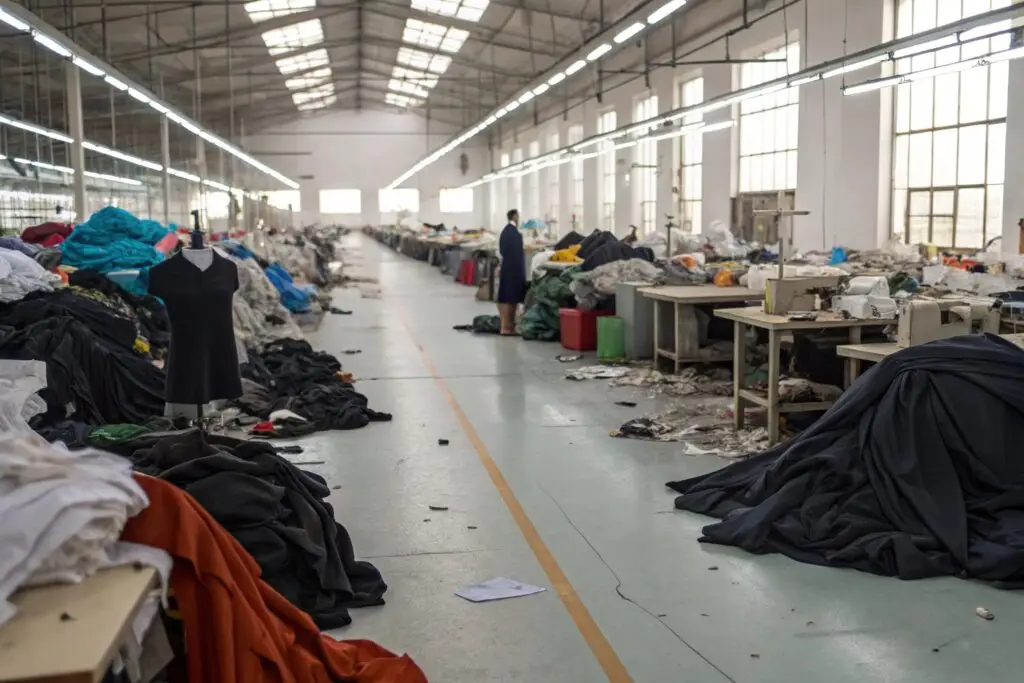
Technology can increase fashion waste, widen the skill gap, and push smaller players out of the market if not adopted responsibly and inclusively.
How does tech accelerate overproduction6?
Fast fashion brands use data and machines to launch dozens of collections per year. This speed fuels overproduction and consumer waste7. AI predicts trends, but that doesn’t mean the world needs more clothing. Without limits, tech becomes a tool for excess.
| Tech Use | Unintended Outcome |
|---|---|
| Demand forecasting | Too much stock |
| Automation | Job loss in low-income regions |
| Trend analysis | Microtrends, more landfill |
| Seamless production | Less emphasis on craftsmanship |
At Fumao, we focus on responsible tech8. Our machines improve efficiency, but we also train workers, reuse scraps, and run short-order tests to avoid overproduction.
Does tech make fashion less human?
Sometimes, yes. When chatbots replace stylists or data replaces design instinct, the result can feel cold. The best brands mix tech with heart—smart systems, but human stories. After all, fashion is still personal.
Conclusion
Apparel manufacturing is at a crossroads. To stay relevant, it must embrace tech—but with purpose. Smarter systems, better fabrics, and thoughtful adoption can turn a lagging industry into a future-ready one.
-
Discover how AI-driven demand prediction can optimize inventory and reduce waste in the supply chain. ↩
-
Explore how computer-controlled cutting machines enhance efficiency and reduce waste in apparel manufacturing. ↩
-
Discover the impact of AI in optimizing production planning and resource management in the apparel industry. ↩
-
Explore how biodegradable polyester is revolutionizing sustainable fashion and reducing environmental impact. ↩
-
Learn about 3D knitting’s role in creating seamless, waste-free garments and its impact on the fashion industry. ↩
-
Understanding overproduction’s impact can help consumers make informed choices and promote sustainable practices in fashion. ↩
-
Learning about solutions to consumer waste can empower individuals to contribute to a more sustainable fashion ecosystem. ↩
-
Exploring responsible tech can inspire brands to adopt sustainable practices and reduce waste in fashion production. ↩