We were promised convenience, endless choice, and stress-free browsing. But in reality, online fashion shopping often leads to confusion, disappointment, and piles of returns.
Online shopping is making fashion more frustrating for many consumers due to sizing inconsistencies, deceptive visuals, poor quality control, and the lack of physical try-on experiences.
In 2025, buying clothes should be easier than ever—yet more and more people feel overwhelmed and let down. Here's why.
What are the negatives of online shopping?
Shopping online sounds like a dream: shop anytime, anywhere, with a click. But that dream often comes with hidden drawbacks.
The negatives of online shopping include inaccurate product photos, inconsistent sizing, low garment quality, slow shipping, difficult returns, and the lack of sensory feedback.

What makes online shopping for clothes so unreliable?
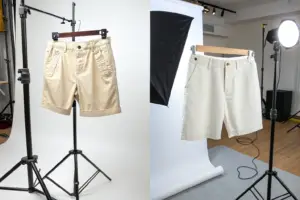
- Photos don't match reality – Lighting, retouching, and styling distort the actual look
- Fabric feels unknown – You can’t touch or stretch anything
- Fit is a gamble – Sizes vary wildly across brands
- Returns are a hassle1 – Print a label, re-pack, wait for refund
- Shipping delays – Waiting days or weeks breaks the excitement
- No instant gratification – You buy, then you wait—and maybe regret
| Issue | Real-Life Impact |
|---|---|
| Inaccurate images2 | Surprise and disappointment |
| Poor fit | Returns, lost trust |
| Quality mismatch | Clothes feel cheap or flimsy |
| Return fatigue | Avoiding future purchases |
I once bought a dress that looked rich and structured online—but arrived looking like a bedsheet. The photos told one story, the product told another.
What does this do to the shopping experience?
Instead of joy, it creates buyer fatigue3. Shoppers second-guess every choice, worry about return policies, and often settle for “good enough” rather than what they really want.
Why do some people advise against shopping online?
It seems like everyone shops online now—but there’s a growing number of consumers pulling back.
People advise against online shopping because it encourages overconsumption, causes emotional fatigue, and often leads to disappointment due to product misrepresentation or fit issues.

What makes online shopping emotionally draining?
- Impulse buying4 – It’s easy to click, but regret follows
- Comparison overload5 – Too many options, not enough guidance
- False expectations – Perfect models in perfect lighting set the bar unrealistically
- Lack of satisfaction – The thrill of “adding to cart” fades fast
| Reason to Avoid Online | Shopper Emotion |
|---|---|
| Regret after impulse | Guilt, frustration |
| Low product quality | Disappointment |
| Fit doesn’t work | Annoyance, wasted time |
| Too many choices | Overwhelm, decision fatigue |
I’ve had friends go on “online shopping detoxes” because they felt addicted and unfulfilled. The more they clicked, the worse they felt.
What alternatives are people turning to?
- In-store try-ons with online pickup
- Curated rental or subscription boxes
- Buy-less, buy-better mindsets6
- Local brands with real-world showrooms
It’s not about rejecting tech—it’s about finding balance and reconnecting with the purpose of buying clothes: to feel good in what you wear.
Which is better, online shopping or offline?
The debate between online and in-store shopping isn’t black and white. Each has strengths—and real weaknesses.
Neither is better for everyone. Online shopping offers convenience and variety, while offline provides accurate sizing, instant feedback, and the joy of physical experience.

How do they compare?
| Feature | Online Shopping | Offline Shopping |
|---|---|---|
| Convenience | 24/7 access | Limited hours |
| Fit Accuracy | Low (unless brand nails it) | High (try before buy) |
| Product Variety | High | Limited per location |
| Returns | Delayed, sometimes tricky | Immediate or not needed |
| Experience | Passive, isolated | Interactive, sensory |
In my own business, we saw return rates from online buyers almost 3x higher than those who shopped in-person. That’s because fit and feel matter more than we thought.
What’s the hybrid future?
The most effective brands blend both worlds:
- AR try-ons7
- In-store pickups
- Real-time inventory
- Mobile checkout in physical stores
- Virtual styling appointments
The goal isn’t choosing online or offline—it’s building a system that honors the strengths of both.
What is the most common problem with online shopping?
Across all platforms and price points, one issue tops the list for fashion shoppers: fit.
The most common problem with online shopping is poor garment fit caused by inconsistent sizing, unclear descriptions, and lack of real-world feedback.

Why is fit so tricky online?
- Sizes vary between brands and regions
- No two “mediums” are the same
- Product descriptions rarely mention fabric stretch or drape
- Models don’t reflect all body types
- Sizing charts are based on body, not garment
| Fit Issue | Shopper Experience |
|---|---|
| Runs smaller/larger | Confusion and returns |
| Inflexible material | Restrictive or baggy feel |
| Misleading product info | Surprise at delivery |
I’ve personally returned over 50% of the clothing I bought online—simply because it didn’t fit as expected. And I’ve been in this industry for years.
How can we fix it?
- Brands must offer garment measurements8, not just body guides
- Real photos and video try-ons on diverse models9
- Customer reviews with height/weight references
- AI-based size recommendations10 tied to actual purchase history
Until then, shoppers are left guessing—and brands are left covering the cost of endless returns.
Conclusion
Online shopping was supposed to make fashion easier. But without better fit data, quality transparency, and emotional clarity, it’s leaving many shoppers more frustrated than fulfilled. Fixing the future of fashion means solving the problems tech alone can’t.
-
Learning about the challenges of returns can help you prepare and improve your online shopping experience. ↩
-
Exploring this topic reveals the impact of misleading visuals on consumer trust and satisfaction. ↩
-
Understanding buyer fatigue can help you navigate online shopping better and make more informed choices. ↩
-
Understanding impulse buying can help you make more informed decisions and avoid emotional pitfalls while shopping online. ↩
-
Exploring this topic can provide insights into managing choices and reducing stress while shopping online. ↩
-
Learning about this mindset can inspire more thoughtful purchasing decisions and enhance your shopping experience. ↩
-
Exploring AR try-ons can reveal innovative ways to improve customer engagement and reduce return rates in online shopping. ↩
-
Understanding garment measurements can help you choose the right size and reduce return rates. Explore this link for detailed insights. ↩
-
Diverse models can enhance relatability and improve fit accuracy for shoppers. Discover more about this important topic. ↩
-
AI-based size recommendations can personalize your shopping experience, making it easier to find the right fit. Learn more about this technology. ↩