You have watched our factory walkthroughs on TikTok. You have scrolled through two years of our Instagram content. You have read our LinkedIn articles and exchanged a dozen emails with our team. The digital relationship feels solid. But when the moment comes to place a $50,000 production order, you still feel the hesitation. You have never shaken our hands. You have never seen the fabric samples in person. You have never watched our team's body language as they discuss your designs. The digital trust is strong, but the physical trust—the kind built through presence, handshakes, and unscripted moments—is still missing.
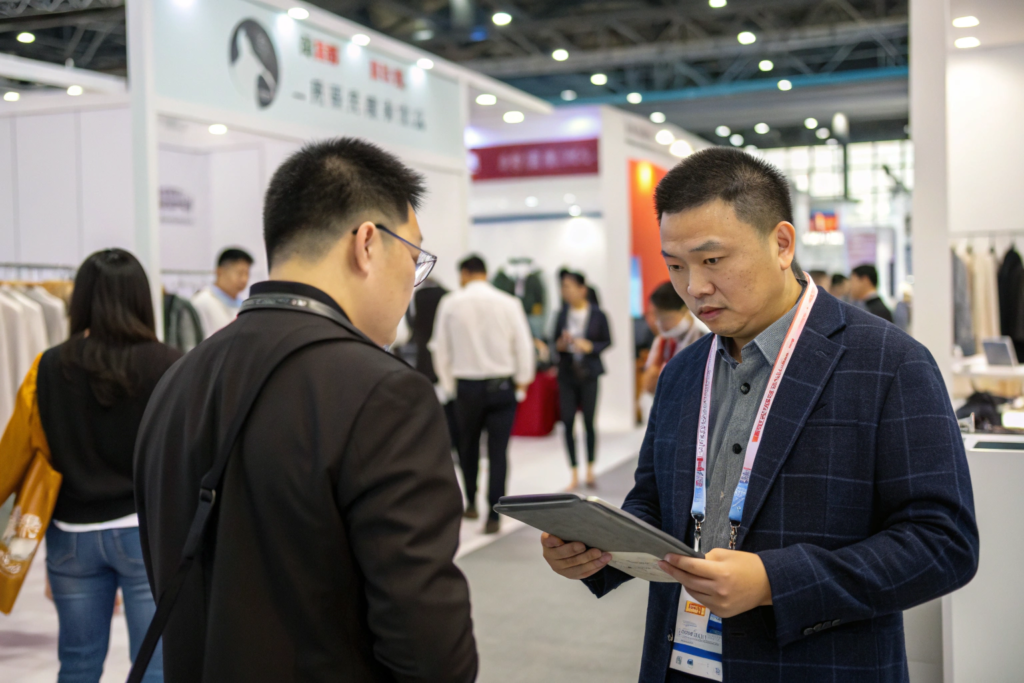
Yes, face-to-face exhibitions remain one of the best ways to meet a top clothing manufacture like Shanghai Fumao, but their role has evolved. Exhibitions are no longer the starting point of the relationship. They are the culmination of digital vetting, the moment where months of online research and communication are validated through physical presence. A brand owner who meets us at a trade show after following our social media, reading our content, and exchanging preliminary emails arrives at the booth ready to make a decision, not to begin a discovery process. The exhibition compresses the final trust-building stage into a single, high-intensity interaction.
At Shanghai Fumao, we participate in major international apparel exhibitions because they provide an irreplaceable dimension to the partnership-building process. But we also recognize that the way buyers use exhibitions has changed fundamentally. Let me explain the enduring value of face-to-face meetings, how to maximize an exhibition encounter when you have already vetted us online, and why the combination of digital pre-vetting and physical validation is the most powerful sourcing strategy available.
What Unique Value Does a Face-to-Face Exhibition Still Provide in the Digital Age?
Digital tools have transformed factory vetting. A buyer can watch production floor videos, review certifications through live database checks, and communicate asynchronously across time zones. These tools have made the sourcing process faster and more informed. But they have not made physical presence obsolete. There are dimensions of assessment and relationship-building that digital communication cannot replicate, and these dimensions are often the ones that determine whether a sourcing relationship succeeds or fails over the long term.
The unique value of a face-to-face exhibition in the digital age lies in three irreplaceable experiences: tactile evaluation of fabric quality, garment construction, and finish that cannot be fully conveyed through photos or videos; interpersonal chemistry assessment that reveals whether communication styles, values, and working rhythms align; and the serendipitous discovery of capabilities, new materials, or new ideas that emerge from unscripted conversation rather than structured digital inquiry. These experiences accelerate trust and deepen the partnership in ways that digital-only relationships cannot match.
Why Does Tactile Evaluation Remain Essential for Quality Assessment?
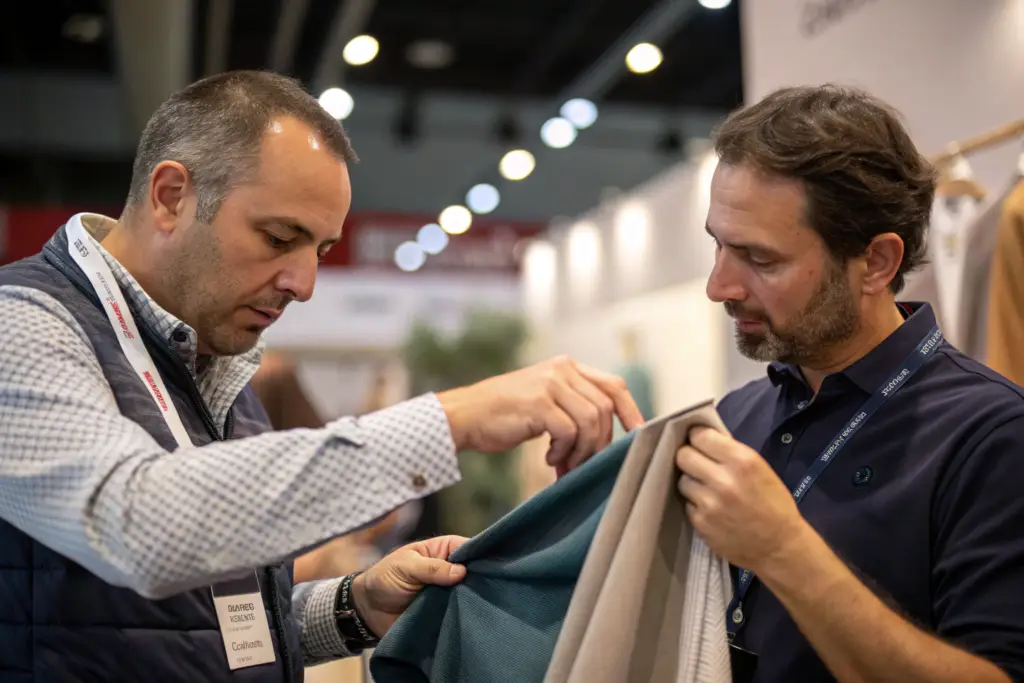
A high-resolution photo of a fabric can show the color and the surface texture. It cannot convey the hand feel—the softness, the weight, the drape, the way the fabric moves and recovers when stretched. A boutique brand owner whose designs depend on the specific tactile quality of a Japanese cotton twill or an Italian wool crepe cannot make a final material decision from photos alone. They need to touch the fabric.
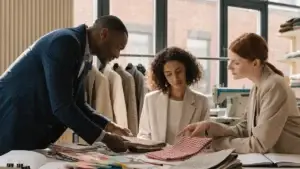
At an exhibition, our booth displays fabric swatches, sample garments, and trim options that buyers can handle directly. A brand owner can pick up a men's Oxford shirt and feel the fabric weight. They can stretch a piece of ribbed knit to assess its recovery. They can compare two similar-looking fabrics side by side and feel the quality difference that determines whether a garment retails for $68 or $128. This tactile evaluation either confirms the positive impression formed through digital vetting or surfaces concerns that digital content did not reveal. We have had buyers visit our booth, handle our samples, and tell us, "Your Instagram content is great, but the fabric feels even better than I expected." That moment of exceeded expectation is a trust accelerator. This fabric evaluation at trade shows is a sensory experience that digital content can promise but cannot deliver.
How Does Interpersonal Chemistry Influence Long-Term Partnership Success?
A manufacturing partnership is not a transaction. It is a relationship that will span years, involve hundreds of communications, and be tested by inevitable production challenges. The way a factory team communicates, listens, and responds during a face-to-face conversation reveals the relationship quality the brand can expect. Does the factory representative listen carefully before responding? Do they ask thoughtful questions about the brand's vision and challenges? Do they offer honest assessments of feasibility, or do they promise everything to close the deal?
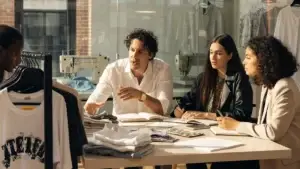
These interpersonal signals are difficult to read through email or even video calls. They emerge naturally in an unscripted, in-person conversation. A brand owner who sits with our team at an exhibition can observe how we interact with each other, how we handle questions, and how we respond to challenges. They can sense whether there is a genuine personal connection that will make the partnership enjoyable and resilient, or whether the relationship feels purely transactional. Several of our longest-standing brand partnerships began with a conversation at an exhibition booth where the chemistry was immediately right. The digital vetting had been done in advance. The in-person meeting confirmed that the people behind the factory were partners the brand wanted to work with for years. This supplier relationship building dimension is the human foundation of a successful sourcing partnership.
How Has the Role of Exhibitions Evolved with Digital Pre-Vetting?
Twenty years ago, a buyer walked into a trade show with no prior knowledge of the exhibitors. They wandered the aisles, collected brochures, and initiated conversations with factories they had never heard of. The exhibition was the beginning of the discovery process. Today, that model is inefficient and risky. A buyer who arrives at an exhibition without digital pre-vetting is making decisions based on booth design and salesmanship rather than verified capability.
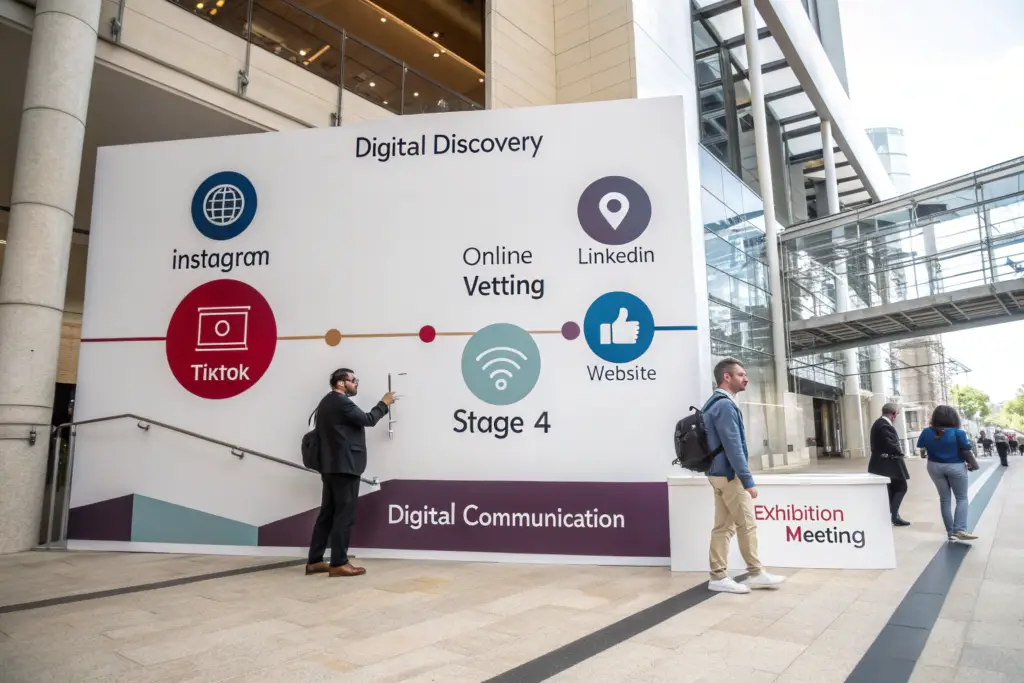
The role of exhibitions has evolved from the starting point of supplier discovery to the final validation stage of a process that begins digitally. The modern buyer discovers factories through Instagram, TikTok, LinkedIn, and Google; vets them through content analysis, certificate verification, and digital communication; and then meets the shortlisted factories at an exhibition to perform the tactile, interpersonal, and final verification that digital channels cannot provide. The exhibition meeting is a decision accelerator, not a discovery exercise.
What Should a Buyer Do Before Attending an Exhibition to Maximize Their Time?
A buyer who arrives at an exhibition with a plan achieves far more than a buyer who wanders the aisles. The pre-exhibition preparation should include identifying which of the exhibitors the buyer has already vetted digitally, scheduling specific appointment times with those factories, preparing a list of specific questions and physical samples to review, and setting clear objectives for what the meeting should accomplish.
We encourage buyers who have followed us online to schedule a booth appointment in advance. This ensures the right team members are available, the relevant samples are prepared, and the conversation starts at an advanced level rather than with basic introductions. A buyer recently scheduled a 45-minute booth meeting with us at a trade show after following our content for six months. She arrived with her tech packs, a list of specific fabric references she wanted to feel, and targeted questions about our children's wear safety compliance processes. The conversation started at the specification stage, not the "tell me about your factory" stage. We reviewed her tech packs, she handled the fabrics she was considering, and we provided a preliminary cost estimate on the spot. She told us the meeting accomplished more in 45 minutes than three months of email exchanges with another factory. This trade show preparation for buyers approach transforms the exhibition from a browsing trip into a high-efficiency sourcing event.
How Does the Exhibition Meeting Accelerate the Final Decision?
A brand that has been communicating digitally with a factory for weeks or months often reaches a decision plateau. The digital communication has answered all the questions that can be answered remotely. The remaining uncertainty is the human factor: Do I trust these people with my brand? The exhibition meeting resolves this uncertainty in a concentrated interaction.
The 30 to 60 minutes spent at a booth provide a density of information and interaction that would take weeks of scheduled video calls to approximate. The buyer touches the fabrics, examines the construction samples, meets multiple team members, observes the team dynamics, and engages in unscripted conversation that reveals the factory's true character. At the end of that meeting, the buyer has either confirmed their positive digital assessment and is ready to proceed, or they have identified concerns that were not visible digitally and can remove the factory from consideration. In either case, the decision is made. The prolonged "maybe" state that characterizes many digital-only sourcing relationships is resolved. This exhibition as decision accelerator function is one of the most valuable contributions of face-to-face meetings in the modern sourcing process.
How Does Fumao Clothing Maximize the Value of Exhibition Interactions?
A factory booth that is designed to collect business cards looks very different from a factory booth designed to advance partnerships. The card-collection booth has glossy brochures, a fishbowl for business cards, and salespeople who deliver a rehearsed pitch. The partnership-advancement booth has samples to touch, technical data to review, comfortable seating for in-depth conversations, and team members who listen more than they talk.
Shanghai Fumao maximizes the value of exhibition interactions by designing our booth and our team's approach around the advanced-stage buyer. We bring extensive fabric and sample libraries organized for tactile evaluation, not just visual display. We staff the booth with senior team members who can answer technical questions and make provisional commitments, not just sales representatives who collect inquiries. We prepare for each scheduled meeting by reviewing the buyer's digital interaction history, so the conversation begins at an informed level. And we focus the interaction on resolving the specific remaining questions that digital vetting could not answer.
What Samples and Materials Should a Buyer Expect to Review at the Booth?
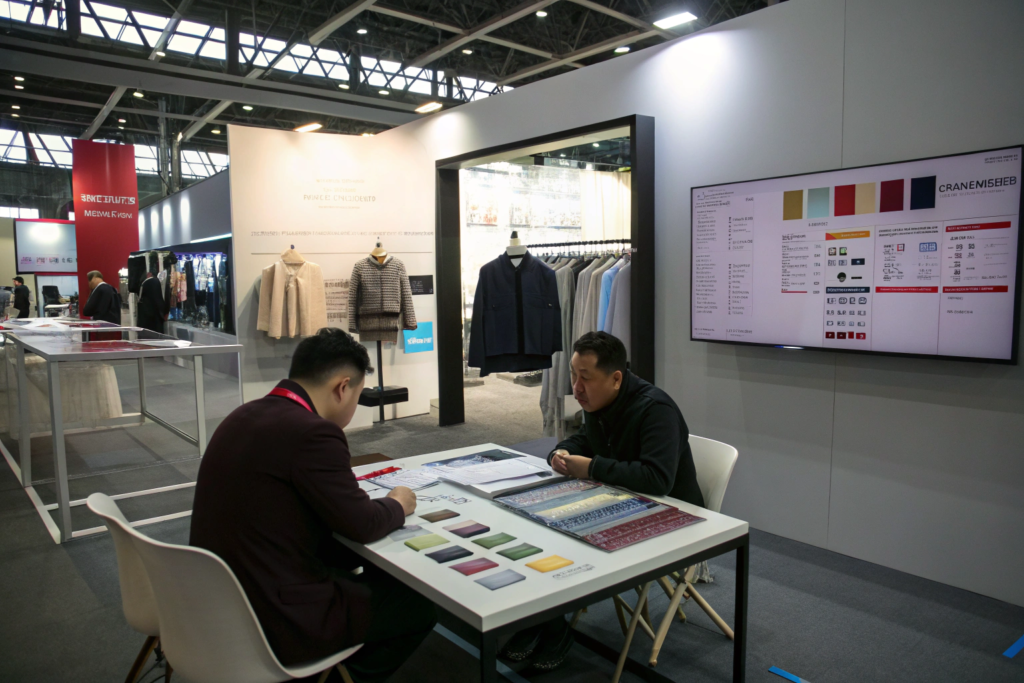
A serious factory booth at an exhibition should offer more than finished garments on mannequins. The buyer should be able to access the raw materials, the construction details, and the technical specifications that demonstrate manufacturing competence. Finished garments show what the factory can make. The underlying materials and documentation show how the factory makes it and whether the quality is consistent.
Our booth includes a fabric library organized by fiber type, weight, and application. Buyers can touch cotton shirting fabrics, wool suiting fabrics, performance knit fabrics, and sustainable fabric options. Each fabric swatch is accompanied by a technical card showing the fiber composition, weight in GSM, width, and available certifications. Our sample garments are displayed with their internal construction visible—a half-lined jacket shows the interlining and seam finishing, not just the exterior appearance. Our quality documentation binder includes sample inspection reports, AQL sampling explanations, and testing certification examples. A buyer who spends time with these materials leaves with a comprehensive understanding of our quality standards, not just a memory of attractive finished products. This exhibition sample preparation depth is a signal of a factory that expects to be evaluated substantively.
How Does the Booth Team Composition Reflect Factory Seriousness?
The people staffing the booth communicate as much about the factory as the samples on display. A booth staffed entirely by sales representatives suggests a factory where the buyer will never interact with the people who actually produce the garments. A booth that includes production management, quality control leadership, or even the factory owner signals that the factory prioritizes direct, knowledgeable communication.
Our exhibition team always includes senior personnel who can make decisions and answer technical questions without deferring to someone back at the factory. Typically, our booth is staffed by our Business Director Elaine, a senior production manager, and depending on the show, myself or another member of the leadership team. When a buyer asks a detailed question about our knitwear production capability, the production manager answers from direct experience, not from a training manual. When a buyer wants to discuss pricing structure or MOQ flexibility for a startup program, Elaine can make provisional commitments without needing approval from an absent superior. This direct access to decision-makers and technical experts compresses the sales cycle and demonstrates the flat, communicative organizational structure that the buyer will experience as a partner. This trade show staffing strategy is a deliberate choice that reflects our partnership philosophy.
How Does the Exhibition Encounter Transition into an Ongoing Partnership?
The exhibition meeting that ends with a business card exchange and a vague "we'll follow up" has failed. The exhibition meeting that ends with a clear next step, a defined timeline, and a mutual commitment to move forward has succeeded. The difference lies in how the factory manages the transition from the high-energy exhibition environment to the structured partnership-building process that follows.
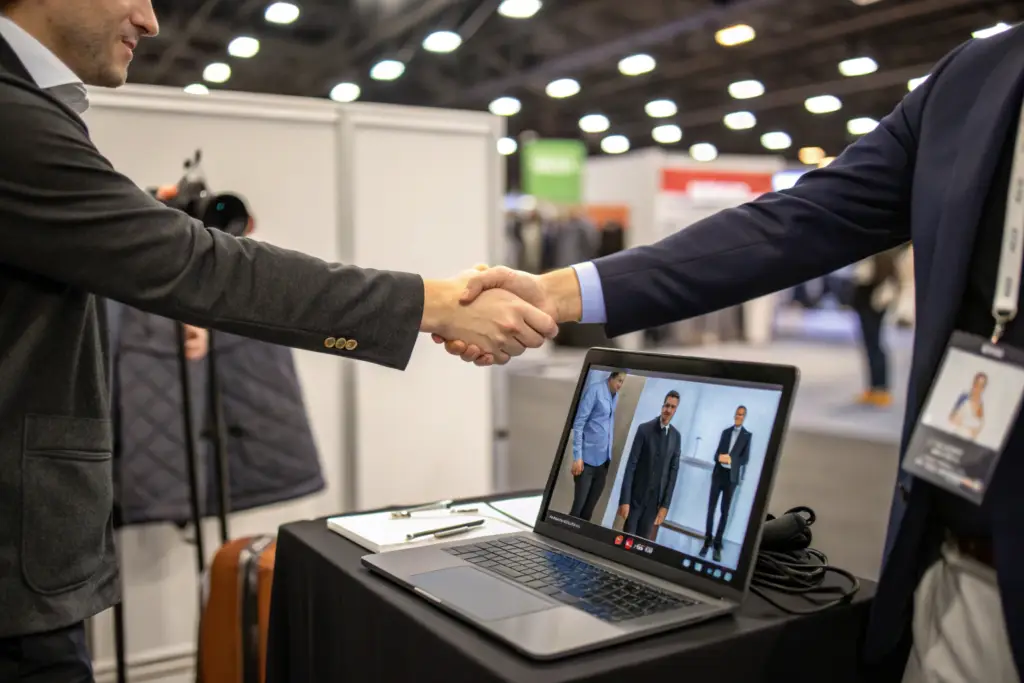
A successful exhibition encounter transitions into an ongoing partnership through a defined post-show follow-up process: a personalized summary of the booth discussion sent within 48 hours, a specific proposal or sample plan delivered within the agreed timeframe, and a scheduled video call or factory visit to maintain the momentum generated at the show. The exhibition is not the end of the vetting process. It is the beginning of the active partnership phase, where the trust built in person is translated into concrete production actions.
What Should the Post-Exhibition Follow-Up Include?
A generic "nice to meet you" email sent two weeks after the show is worse than no follow-up at all. It signals that the buyer was one of hundreds of contacts collected and processed through an impersonal system. The follow-up should reference the specific conversation, the specific products discussed, and the specific next steps agreed upon.
Within 48 hours of a meaningful booth conversation, we send a personalized follow-up that summarizes the key points discussed: the product categories of interest, the fabric types the buyer evaluated, the MOQ and pricing discussion, any samples that were requested or promised, and the agreed next steps with a proposed timeline. This follow-up demonstrates that we listened carefully, we captured the details accurately, and we are organized enough to execute on commitments. A buyer who receives this level of follow-up knows they are dealing with a factory that values the relationship and has the operational discipline to manage it. This post-trade show follow-up best practice separates factories that are serious about partnership from those that are collecting inquiries for a mass email blast.
How Quickly Should the Sampling Process Begin After the Exhibition?
The momentum generated at an exhibition dissipates quickly. A buyer who handled our fabric samples, discussed their designs with our team, and expressed enthusiasm on the show floor will lose that enthusiasm if weeks pass without concrete progress. The sampling process should begin within the window of post-show momentum.
We aim to move from booth conversation to sample initiation within two weeks. If the buyer provided a tech pack at the show, we begin the sampling process immediately upon return to the factory. If additional information is needed, we request it in the 48-hour follow-up email and schedule a video call within the week to finalize specifications. The sample is then produced and shipped within our standard sampling timeline. A buyer who experiences this rapid transition from exhibition meeting to physical sample in hand within three to four weeks gains confidence in our speed and reliability. The exhibition trust, validated by rapid, tangible action, creates a powerful foundation for the full production partnership. This rapid sampling after trade shows capability is a differentiator that buyers should expect from a top manufacturing partner.
Conclusion
Face-to-face exhibitions remain one of the best ways to meet a top clothing manufacture, but their role in the sourcing journey has been transformed by digital pre-vetting. The modern buyer does not discover factories at trade shows. They discover factories through Instagram, TikTok, LinkedIn, and Google. They vet factories through content analysis, certificate verification, and digital communication. They arrive at the exhibition with a shortlist of pre-vetted partners and use the face-to-face meeting to perform the tactile, interpersonal, and final verification that screens cannot provide. The exhibition is the decision accelerator, not the discovery tool.
At Shanghai Fumao, our exhibition presence is designed for this evolved role. We bring the samples, the technical data, and the senior team members that a pre-vetted buyer needs to make a final assessment. We engage in substantive conversations that begin where the digital relationship left off. We follow up with precision and speed that maintain the exhibition momentum. And we transition the validated relationship into active sampling and production within weeks of the handshake.
If you have been following our content online and want to take the next step toward a partnership, we invite you to meet us at our next exhibition. Check our website and social media for our upcoming show schedule. Contact our Business Director, Elaine, at elaine@fumaoclothing.com to schedule a specific appointment time at the show, or to begin the conversation now if you cannot wait for the next exhibition. Whether we meet first through a screen or across a booth table, we look forward to building a partnership based on demonstrated competence and earned trust.