You have spent months designing the perfect wide-leg linen pant. It drapes perfectly on the sketch. You find a supplier on Alibaba who promises "100% premium linen" at an unbeatable price. The sample arrives. It feels like sandpaper. The leg width is off by two inches. The color is a dull beige, not the warm sand you specified. You paid $150 in shipping for a sample that belongs in the trash. Sourcing linen from China is a minefield because linen is not cotton. It has a memory. It wrinkles in specific ways. It shrinks unpredictably. Cheap linen looks like a wrinkled mess; high-quality linen looks like a deliberate texture.
Sourcing high-quality linen wide-leg pants from China requires deep knowledge of flax fiber grades, specific wash techniques, precise seam construction for the wide-leg silhouette, and a factory partner who understands that linen is a living fabric that must be handled differently from standard cotton.
This is a fabric that punishes shortcuts. At Shanghai Fumao, we have developed a specific workflow for linen that differs radically from our cotton or synthetic lines. I want to share the exact specifications, questions, and quality checks you need to lock down before you place an order.
What Are the Specific Fiber and Weave Specifications for Premium Linen Wide-Leg Pants?
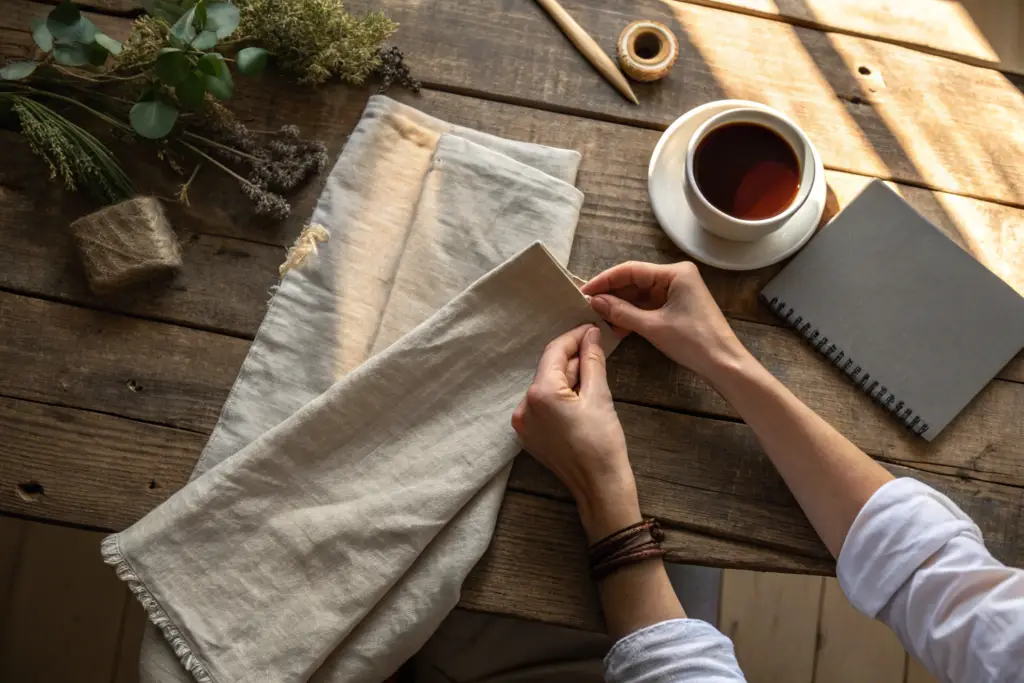
Linen is not a generic commodity like generic "polyester." It is an agricultural product. The quality of the final garment is determined the moment the flax is harvested in Normandy, Belgium, or China. The retting process, the spinning method, and the weave density all determine whether your pants feel like a luxury resort piece or a cheap tablecloth. You cannot just ask for "linen." You have to specify the biological and mechanical history of the fiber.
Premium linen wide-leg pants start with long-staple, wet-spun flax fibers woven into a specific weight that balances drape with opacity, typically ranging from 180gsm to 220gsm for a pant that flows without being see-through.
You need to become a fiber detective. The difference between a $15 pair and a $55 pair wholesale is locked inside the yarn specification sheet, not just the sewing.
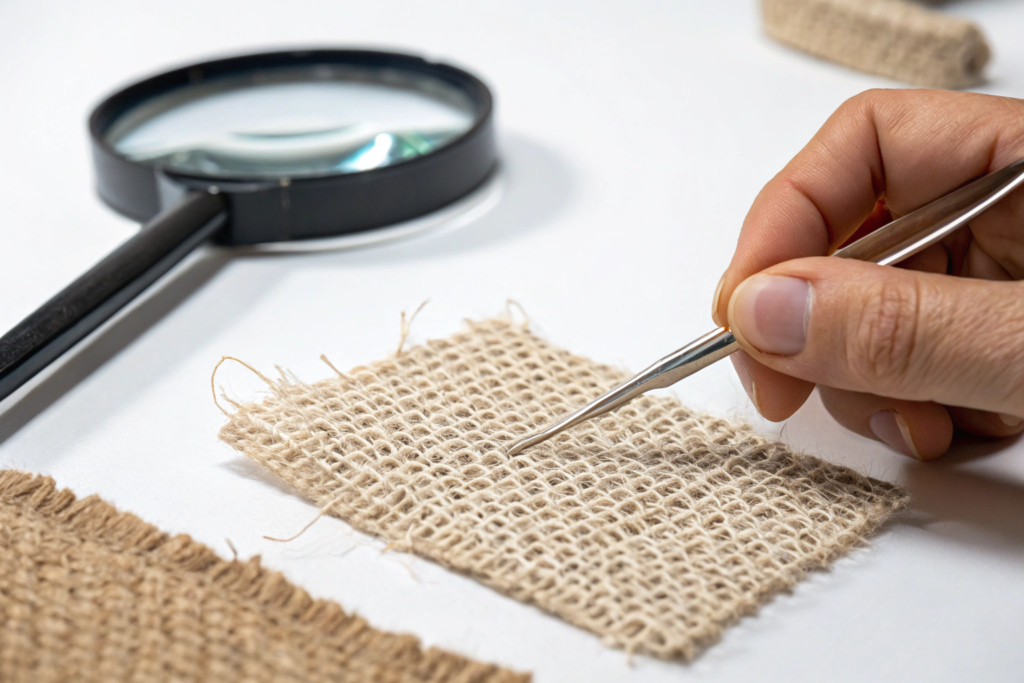
How does the difference between "wet-spun" and "dry-spun" linen yarn affect the final pant quality?
This is the single most important question you can ask a supplier, and most suppliers will not know the answer unless they are a specialist. Dry-spun linen is rough, hairy, and stiff. It is used for sackcloth and cheap rustic decor. Wet-spun linen is spun under water. The water lubricates the fibers, allowing them to align and twist into a smooth, fine, strong yarn.
When you design a wide-leg pant, you need movement. A dry-spun fabric will stand stiffly away from the body like a cone. A wet-spun fabric will swing and drape fluidly. I showed this to a client from Los Angeles who was designing a luxury loungewear line. He brought a sample of a French brand's famous linen pant and asked why ours felt different, even though we used the same weight. The difference was the wet-spinning process.
We sourced a specific wet-spun yarn from a mill in Changzhou that specializes in linen. The hand-feel transformed completely. The pant went from "rustic kitchen" to "coastal luxury."
You must specify in your tech pack:
- Fiber Origin: European Flax (certified) or Chinese Flax. European flax is generally longer staple.
- Spinning Method: Wet Spun.
- Yarn Count: Lea (linen uses the Lea system, not Ne. A 14 Lea yarn is standard for mid-weight pants; 21 Lea is for fine shirting).
- Slub Character: Controlled slubs or clean. A clean, fine yarn costs more.
If your factory cannot tell you the Lea count of the yarn they use, they are buying a commodity blend from a market, and you have no control over the quality.
What is the ideal GSM and opacity testing for a wide-leg silhouette?
A wide-leg pant has a lot of fabric. It swings. If the fabric is too light, it clings to the legs and loses the structural shape. If it is too heavy, it feels like you are wearing a curtain. More importantly, linen can be surprisingly sheer, especially in light colors like natural flax or white.
I recall a disaster averted for a client doing a beach wedding collection. She ordered "lightweight linen" for breathability. The sample looked beautiful in the studio. Then we took a photo with natural backlighting. The pant was entirely transparent. You could see the pocket bags and leg silhouette perfectly. That is not the luxury look she wanted.
We had to increase the weight from 150gsm to 200gsm and change the weave to a tighter plain weave. You need an opacity standard. Here is our internal spec table for linen pant weights:
| Pant Style | Recommended GSM | Weave Type | Opacity Check |
|---|---|---|---|
| Beach Cover-Up | 130 - 160gsm | Loose Plain | Sheer acceptable |
| Summer Resort | 180 - 200gsm | Plain/Twill | Must pass backlit phone test |
| Year-Round Tailored | 220 - 260gsm | Twill/Herringbone | Opaque |
| Heavyweight Workwear | 280gsm+ | Canvas | Fully Opaque |
Always ask for a "backlit photo" of the fabric swatch held up against a window. Hold a black phone behind the fabric. If you can see the phone screen clearly, the fabric is too sheer for a standard market wide-leg pant. This is a hard stop.
Why Are Wash and Finishing Techniques Critical for the Linen "Hand Feel" and Shrinkage Control?
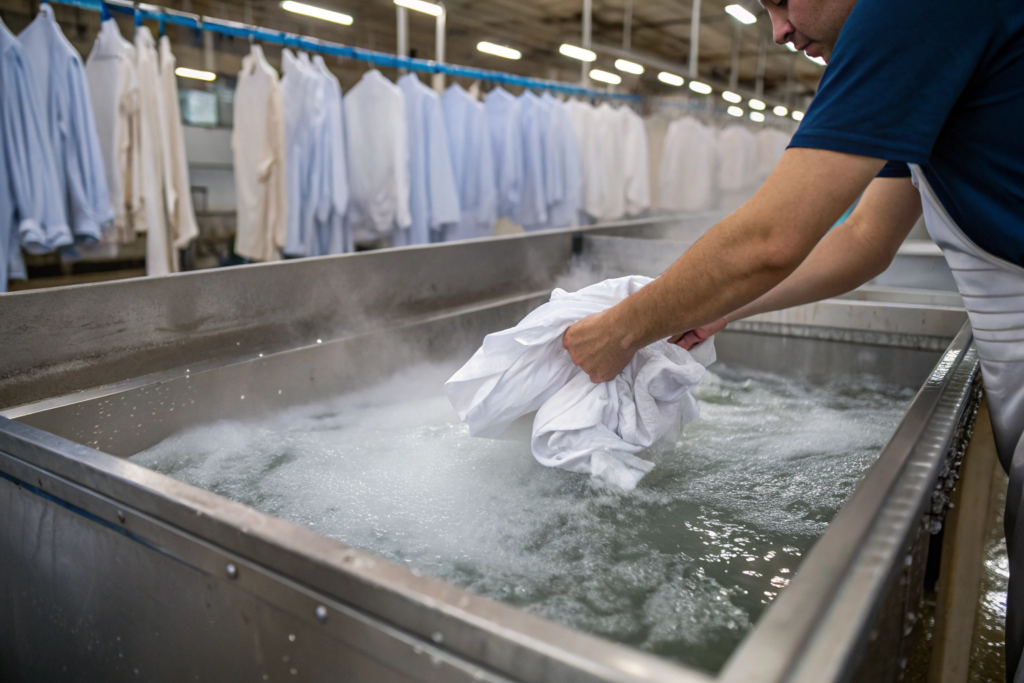
Raw linen is boardy. It feels like a stiff tablecloth. If you sew a pant from unwashed linen and ship it, your customer will return it. It will scratch the skin and shrink two sizes on the first wash. The magic of a premium linen pant happens after it is sewn. It happens in the washing vat. This is where the fabric relaxes, softens, and releases the tension from the loom. This process is called garment washing, and it is where most cheap factories cut corners.
Critical linen wash techniques include enzyme washing to remove the scratchy surface hairs, silicone softening to add a peachy hand feel, and a compulsory tumble-dry shrinkage cycle to ensure the pant does not distort when the customer launders it at home.
You cannot skip the wash. A raw linen pant is an unfinished product. You must build the wash into your manufacturing cost and timeline, or you will fail.
How does an enzyme wash prevent the "sandpaper" feel and excessive pilling?
Linen fibers are naturally coarse and contain a natural gum called pectin. If you do not remove this gum, the fabric pills terribly and feels abrasive. A standard water wash will not remove it. You need an enzyme wash, specifically a cellulase enzyme.
The enzyme eats the tiny micro-fuzz protruding from the yarn. It is a biological process that cleans the surface without eating the core of the fiber. We run our linen pants through a specific "Bio-polishing" cycle at a controlled pH and temperature.
I worked with a client who had previously sourced linen from a basic cotton factory. They did a standard "garment wash" with just water and stones. The pants came out looking prematurely aged, with random white streaks and a harsh hand feel. We recreated the sample using a neutral cellulase enzyme at 55°C for 45 minutes. The difference was night and day. The surface became smooth, but the characteristic linen texture remained.
Your specification must state:
- Wash Type: Acid Cellulase Enzyme Wash.
- Duration: 40-60 minutes, depending on desired softness.
- Post-Wash Neutralization: Ensure the enzyme is completely killed with a high-temperature rinse or a pH shift, or the holes will continue to develop in storage.
If a factory says "we just do a soft wash," they do not have the technical capability for high-end linen. Walk away.
Why is "compaction shrinkage" the secret to consistent sizing in linen pants?
Linen shrinks. A lot. A pair of unwashed linen pants can shrink 8-10% in length and 4-5% in width on the first hot wash. If you do not remove this shrinkage before the garment is cut and sewn, your size chart is a lie. The customer buys a Medium, washes it once, and now it fits like an Extra Small. This is a return rate killer.
There are two ways to handle this. The cheap way is to cut the fabric "with shrink allowance." You predict the shrinkage and make the pattern longer. This is guesswork and results in inconsistent sizing because shrinkage varies across a fabric roll. The premium way is "compaction" or "full shrinkage" before cutting.
We buy the greige linen, then we send it to the wash house for a relaxation dryer cycle. We wash and dry the raw fabric at industrial temperatures (often 80°C) until it will not shrink any more. Only then do we lay it on the cutting table.
I tracked the data for a recent run of 500 wide-leg pants. The pre-wash rate was 7.2% in length. We compacted the entire roll. The finished garment residual shrinkage dropped to 1.5%, which is compliant with the AATCC 135 standard. The customer returns for "sizing changes after wash" dropped to near zero. Compaction is expensive. You lose fabric weight in the wash. But it is the only way to guarantee that a linen pant stays the size you designed. This is non-negotiable in my factory.
What Are the Crucial Construction Details That Prevent Wide-Leg Linen Pants from Deforming?
A wide-leg pant is structurally vulnerable. The wide opening catches the wind. The weight of the fabric pulls on the waistband. The bias parts of the leg twist. If you construct it with the same seam types you use for a slim chino, the pant will literally warp during wear. The crotch will drop, the side seams will twist to the front, and the hem will sag unevenly. Linen, being less elastic than cotton, needs to be locked into place with specific tailoring techniques.
Crucial construction details for wide-leg linen pants include French seams or flat-felled seams to prevent fraying, a fully interfaced waistband to resist rolling, and a deep hem with a blind stitch to maintain the clean, heavy drape of the wide leg opening.
You are designing an architectural structure that happens to be made of fabric. The engineering needs to be visible on the spec sheet.
Why are French seams non-negotiable for the side seams of quality linen pants?
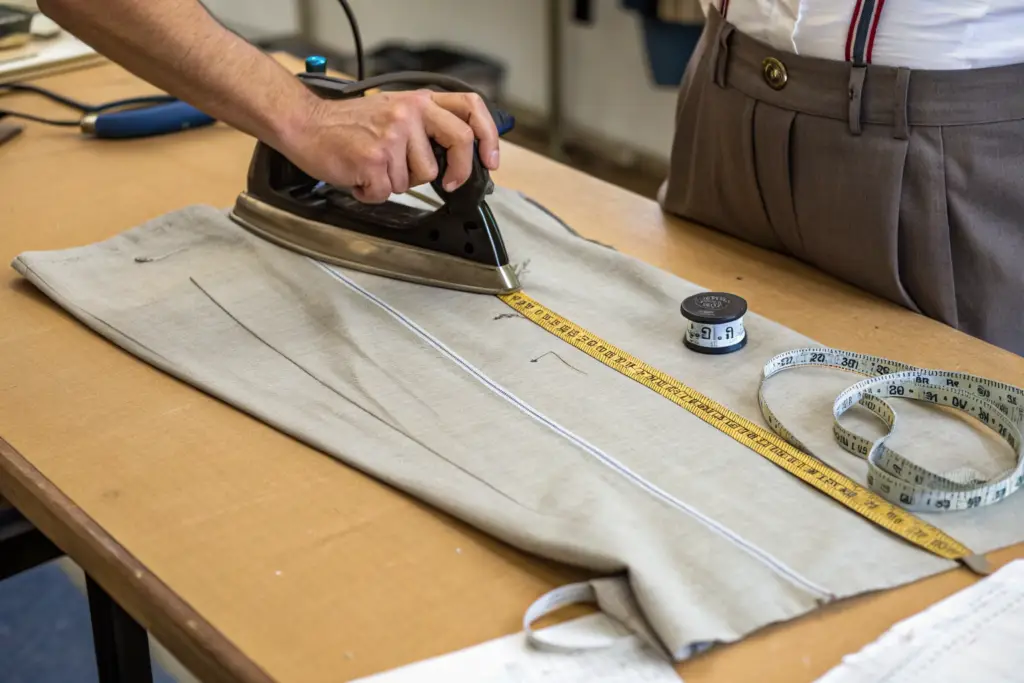
Linen frays. The cut edges of a linen weave are loose. If you use a standard 4-thread overlock for the side seams, the overlock stitching can create a bulky, scratchy ridge. Worse, the overlock thread is often polyester, which looks cheap and shiny when the pant moves. And after a few washes, the fabric edge can fray right out of the overlock stitching.
A French seam traps the raw edge inside a double-folded seam. It leaves no exposed threads. The interior of the pant looks as clean as the exterior. This is the hallmark of a luxury garment.
A client who ran a boutique eco-brand specifically demanded "no polyester thread touching the skin." For her linen pants, we used a full French seam with 100% cotton thread. The seam allowance is 1.2cm, folded in half. It lies perfectly flat. It takes more time. It consumes more fabric. But when the pant swings open, the interior reveals zero serged edges. This is the visual cue that screams "premium" when a customer unboxes the product.
Here is your construction checklist:
- Side Seams: French Seam (for luxury) or Flat-Felled (for workwear).
- Inseam: Can be overlocked if the fabric is heavy, but must be trimmed cleanly.
- Crotch Curve: Reinforced with a self-fabric bartack, not a cheap zigzag.
- Thread: Specify 100% cotton core-spun or high-quality poly-core. Cotton thread for the French seams ensures the entire garment ages consistently.
How does the "waistband interlining" choice make or break the pant structure?
The waistband is the engine of the pant. If the waistband rolls over, the pant looks like pajama bottoms. Linen is soft and wants to collapse. It needs a skeleton. This skeleton is the fusible interlining inside the waistband.
Cheap factories use a papery, stiff fusible that delaminates after three washes. You get bubbles in the waistband. Then it goes floppy. We use a high-quality woven cotton fusible that has a similar shrinkage rate to the linen shell. It moves with the fabric rather than fighting it.
I remember a specific failure from a batch of samples. The waistband curled outward like a cheap ribbon. The issue was that the factory used a knit fusible on a woven linen fabric. The two materials had different tensions. We stripped it. We re-cut the waistband with a firm, woven weft-insertion fusible. We also added a hidden 1/4 inch topstitch on the inside waistband to anchor the interlining to the seam allowance.
Specify in your Bill of Materials:
- Interlining Type: Woven cotton fusible (not non-woven).
- Weight: Medium-heavy, to match the linen weight.
- Application: Fully fused on both the outer and inner waistband halves.
- Edge Stitching: A hidden "stitch in the ditch" from the front that catches the back waistband seam allowance, preventing the interlining from peeling.
This attention to the internal skeleton is what separates a Shanghai Fumao product from a generic commodity pant. The waistband holds its shape for the life of the garment.
How to Audit a Chinese Linen Factory Before Placing Your First Bulk Order?
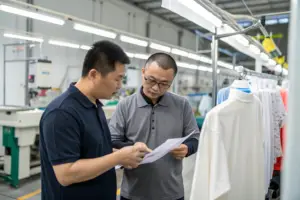
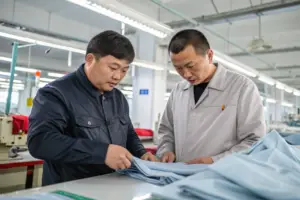
A beautiful sample is a promise. The bulk order is the fulfillment. Too many brands fall in love with a perfect sample and then receive a container of garbage. This is because the factory used their "sample room" specialists to make the prototype, but they intend to use the regular line for the bulk. You need to audit the factory's linen-specific process, not just their showroom.
Audit a linen factory by inspecting their raw fabric storage for humidity control, checking their wash house capabilities for enzyme processing, verifying their separate linen cutting table, and demanding a "sealed sample" that locks the wash standard for bulk production.
You cannot audit a linen factory from a Zoom call. You need visual proof of their specific linen infrastructure, or you need a partner on the ground who can provide that proof.
Why does a separate "linen cutting table" indicate a specialized operation?
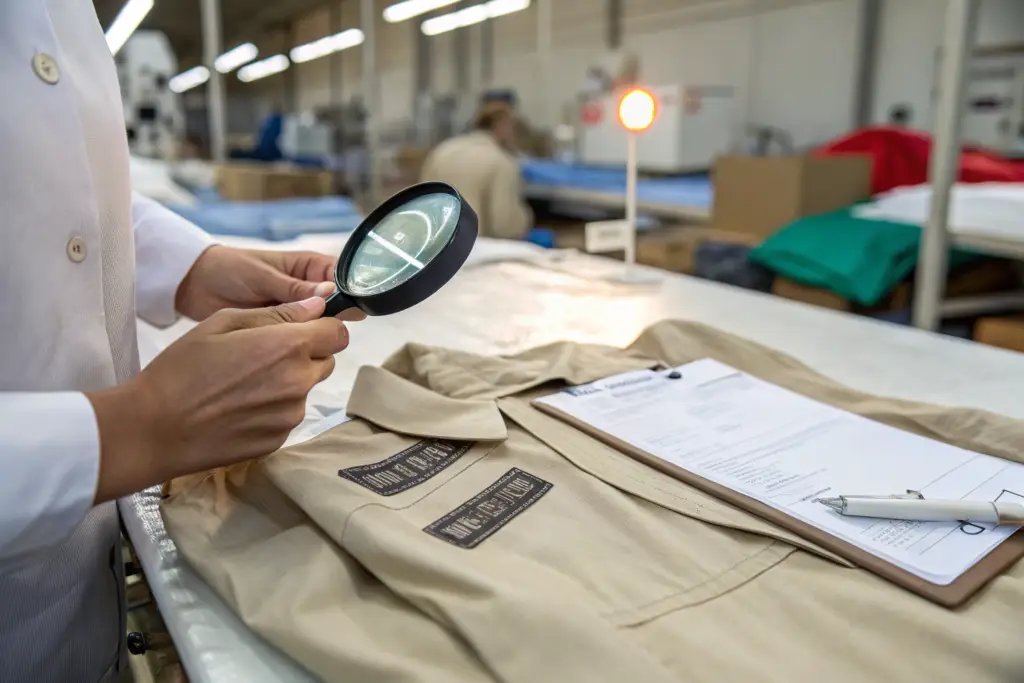
Linen is cut differently from cotton. It stretches. It distorts easily. If a factory cuts linen on the same sticky, scratched cutting table used for denim and synthetics, the fine linen fibers snag and the grainline shifts. A specialist factory has a dedicated, ultra-smooth cutting table, or a vacuum-suction table to hold the loose weave in place.
During a factory visit, I always inspect the table surface. Is it nicked? Are there scratches? For a video audit, I ask the factory to run a fingernail across the table surface on camera. If it catches, it will catch the linen.
We had a situation where a prospective client was vetting us versus a competitor. We sent a video of our dedicated linen cutting room. We showed the vacuum table holding down a 10-meter spread of delicate natural linen. The competitor sent a photo of a general table piled with mixed fabrics. The visual evidence of the vacuum table, the air suction holding the fabric layers perfectly still, won the contract. It proved we could cut the wide-leg panels without distortion.
You must request:
- Vacuum Cutting Table: A "must-have" for high-quality wide-leg pant cutting to prevent slippage.
- Grainline Laser: A projector that shows the straight grain directly on the fabric. Linen is often woven off-grain, and a laser alignment ensures the pants don't twist.
- Humidity Control: Linen absorbs moisture from the air. A humid cutting room relaxes the fiber and changes the dimension. The factory should have a dehumidifier in the fabric storage room.
What is a "Sealed Wash Standard Sample," and why does it control bulk consistency?
Linen wash treatments are not an exact science. The water chemistry, the enzyme batch, the machine load, all create minor variations. You can approve a sample with a beautiful, soft "peach skin" finish. Then the bulk order comes out slightly stiffer or slightly thinner. The factory says, "It's within tolerance." But the brand identity is lost.
To lock the standard, we create a "Sealed Sample." We produce a physical garment that represents the exact perfect wash standard. We cut this sample in half. We give one half to the client. We keep one half in our QC department, sealed in a plastic bag.
Then, before shipping the bulk, the QC inspector takes a random pair from the bulk, washes it identically to the sealed sample, and places them side by side. If the bulk pant hand-feel or color does not match the sealed half, the shipment is placed on hold.
I learned this from a high-end Japanese denim brand. They do it for denim fading. We applied it to linen softening. A client saved $20,000 because the bulk wash came out slightly too dark and stiff compared to the sealed standard. Because we could prove the deviation against the physical standard, the wash house re-processed the batch for free.
This is your final defense. Ensure your custom apparel contract includes a clause for a Sealed Wash Standard. This physical token eliminates the subjective argument about "softness" and replaces it with a binary "match or no match" decision.
Conclusion
Sourcing high-quality linen wide-leg pants from China is a specialist skill. It is not a standard procurement task. You must control the fiber from the flax field, specifying wet-spun long-staple yarns. You must control the wash, demanding enzyme bio-polishing and full compaction shrinkage to prevent the customer from receiving a scratchy, shrinking tent. And you must control the construction, using French seams and woven interlinings that give the wide-leg silhouette its architectural integrity.
This level of detail separates a pant that sells for $40 from one that sells for $120. It separates a one-time purchase from a customer who buys every color. Linen is an honest fabric. It reveals every shortcut. If you are ready to develop a linen collection that is engineered with this level of obsessive precision, our team at Shanghai Fumao is ready to walk you through every stage. Reach out to our Business Director, Elaine, at elaine@fumaoclothing.com to discuss your linen wide-leg pant project. Let's build something that breathes, drapes, and sells out.