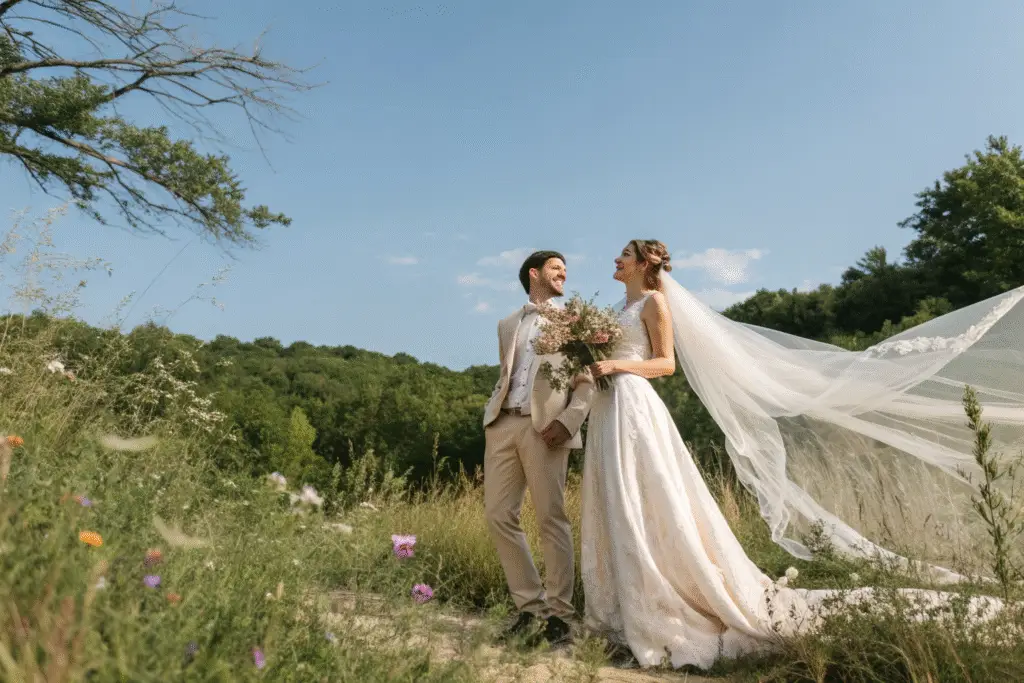
The wedding industry has long symbolized luxury and beauty, yet it also carries a significant environmental cost. Conventional bridal garments often rely on synthetic fabrics, chemical dyes, and non-recyclable trims that remain in landfills for decades. With sustainability becoming a global priority, couples are increasingly searching for attire that reflects both elegance and ecological responsibility.
Biodegradable wedding attire answers this demand by using natural fibers, plant-based dyes, and compostable details. To source such garments effectively, buyers must evaluate fabrics, dyeing techniques, supplier credibility, and customization opportunities that deliver both performance and sophistication.
In my role as a manufacturer, I have seen rising demand from U.S. and European buyers for wedding apparel that unites fashion with sustainability. Let’s look at the core elements shaping biodegradable wedding attire and how brands can source them with confidence.
What Fabrics Are Best For Biodegradable Wedding Attire?
The foundation of biodegradable wedding attire lies in fabric choice. To ensure true sustainability, materials must decompose naturally without leaving toxins behind.
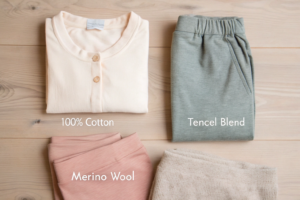
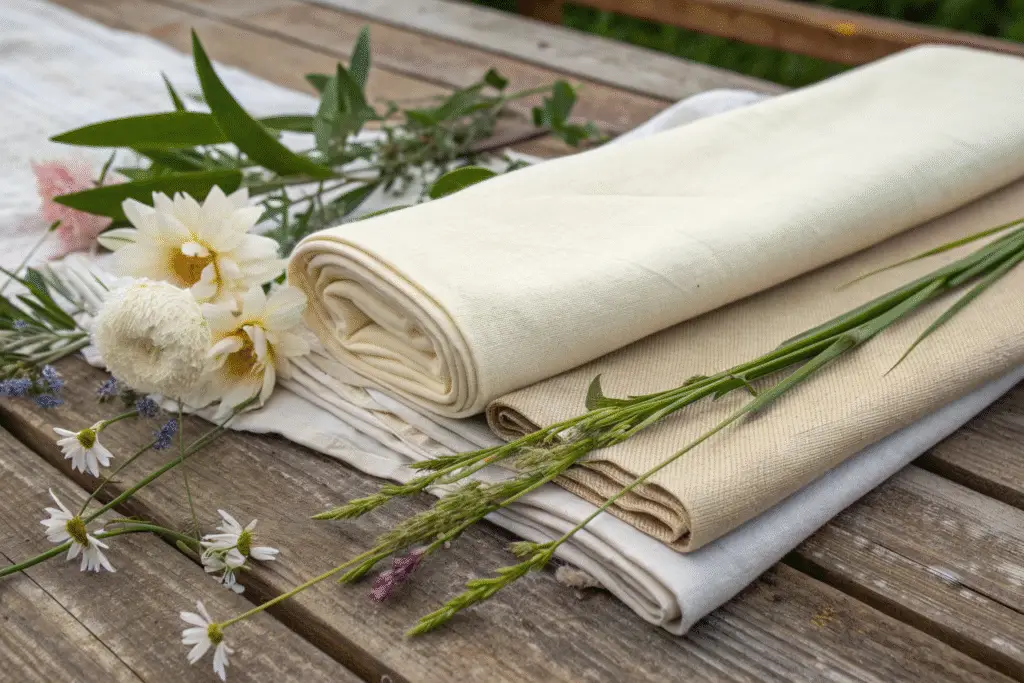
Organic cotton, hemp, linen, bamboo, and peace silk are the leading options. They combine eco-friendly properties with luxurious textures suitable for bridal wear.
Why Is Peace Silk Popular?
Peace silk allows silkworms to complete their lifecycle, offering the same elegance as conventional silk while being cruelty-free. This makes it an ethical and sustainable choice for eco-conscious couples.
Can Hemp And Bamboo Look Luxurious?
Yes. Modern processing techniques refine hemp and bamboo into soft, drapable textiles. According to Textile World, these fabrics now rival synthetics in both comfort and visual appeal.
How Do Natural Dyes Enhance Sustainability?
Fabric alone does not determine biodegradability; dyeing methods also play a vital role. Eco-friendly dyeing ensures that the final garment remains non-toxic after disposal.
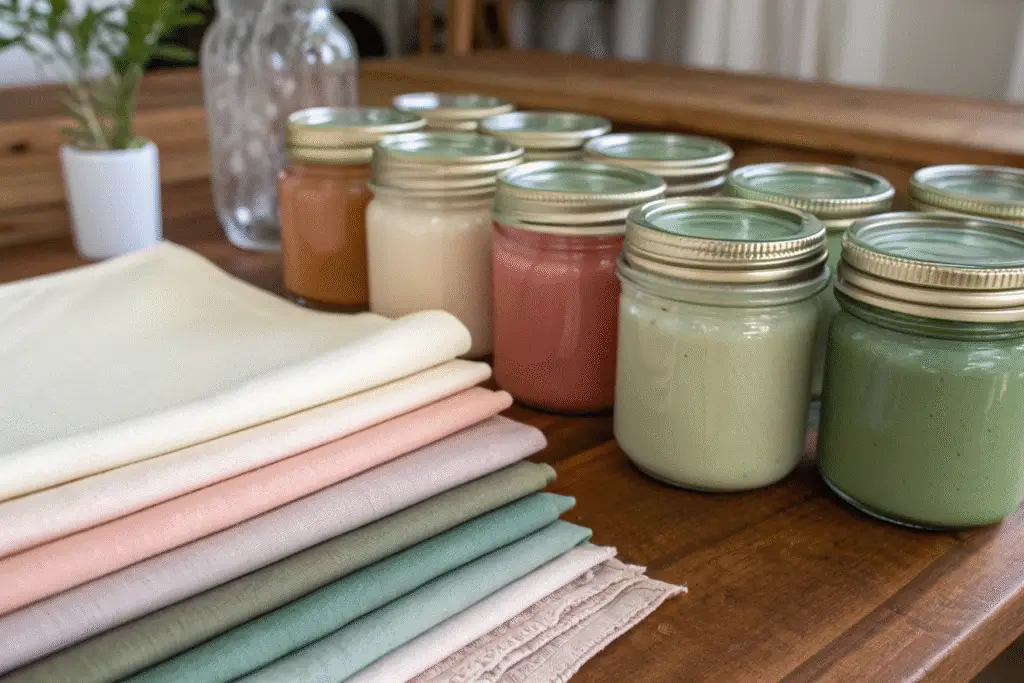
Plant-based and mineral dyes create timeless shades while keeping garments fully compostable. Indigo, turmeric, and madder root are popular natural sources for elegant wedding colors.
What Are The Benefits Of Plant-Based Dyes?
Unlike petrochemical dyes, plant-based alternatives avoid heavy metals and synthetic additives. As Botanical Colors highlights, they produce beautiful tones while reducing environmental damage.
Can Natural Dyes Achieve Bridal Shades?
Yes. Advances in eco-dyeing now deliver delicate whites, blushes, and pastels perfect for wedding attire. This makes it possible to meet bridal expectations without sacrificing sustainability.
Where To Find Reliable Suppliers Of Eco Wedding Apparel?
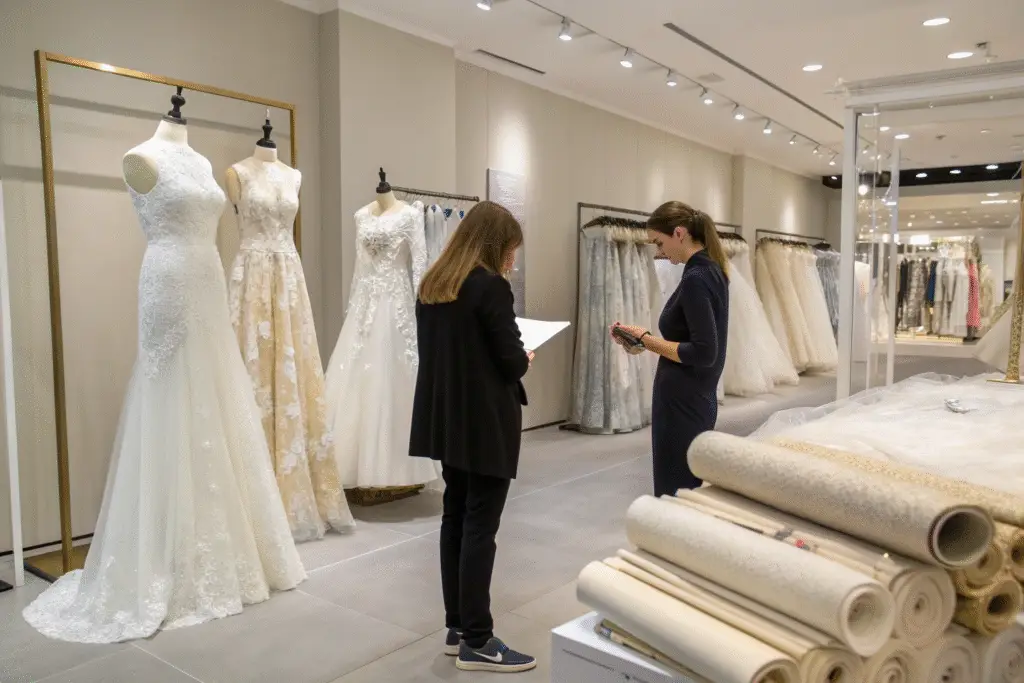
Sourcing biodegradable attire requires factories that understand both luxury craftsmanship and sustainable practices. Not every supplier has expertise in both areas.
The most reliable partners are those specializing in sustainable textiles while demonstrating proven skill in high-end tailoring.
What Certifications Should Buyers Look For?
Certifications such as GOTS, OEKO-TEX, and Fair Trade confirm that fabrics are organic, free of harmful substances, and ethically produced.
How To Assess Supplier Expertise?
Requesting prototypes, reviewing previous collections, and checking quality control systems are essential steps. A qualified supplier should also be able to adapt delicate materials into complex bridal patterns.
What Customization Options Are Available?
Customization remains central to bridal wear. For biodegradable attire, it means blending sustainable elements with personalized designs that meet cultural or aesthetic expectations.
Options include biodegradable lace, natural trims, plant-based embellishments, and customized cuts that reflect the couple’s style.
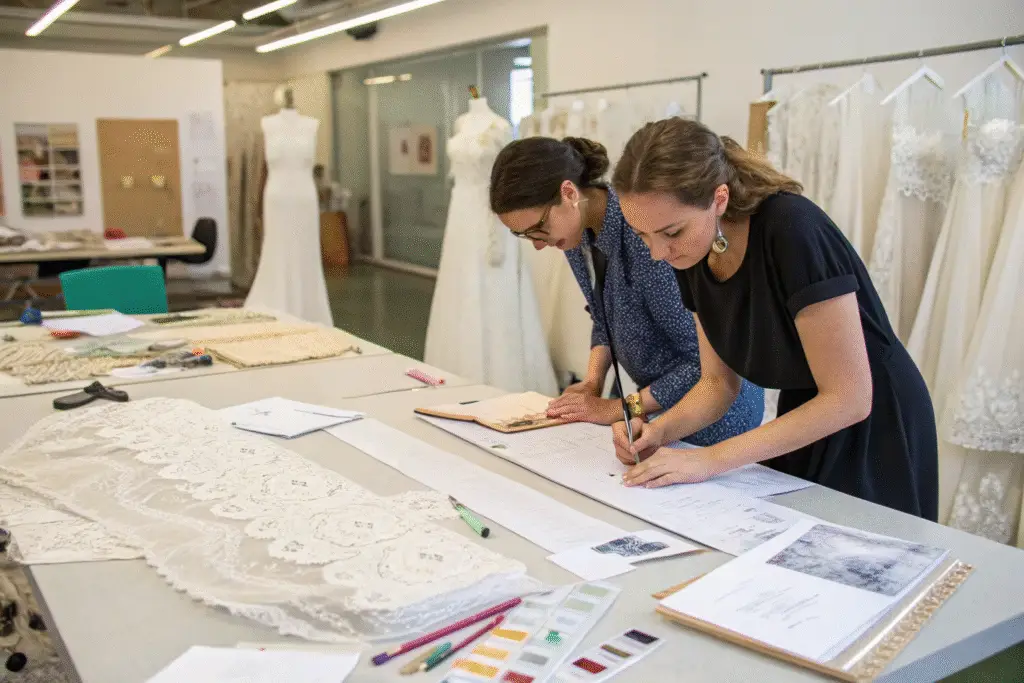
Can Eco Garments Match Luxury Standards?
Yes. With refined fabrics and expert tailoring, biodegradable gowns can be as elegant as traditional garments. Vogue has featured designers proving that eco-fashion can still achieve luxury aesthetics.
What About Accessories?
Accessories can also be made biodegradable, including veils, corozo-nut buttons, and compostable packaging. These details reinforce sustainability and add value for conscious buyers.
Conclusion
Biodegradable wedding attire combines natural fabrics, plant-based dyes, certified suppliers, and personalized design to create garments that honor both love and the planet. These innovations prove that sustainability and luxury can coexist in bridal fashion.
At Shanghai Fumao, we help global buyers source eco-friendly apparel, including biodegradable bridal wear. Our expertise in sustainable materials and fine tailoring ensures garments that meet both environmental and aesthetic expectations. To explore how we can support your next collection, contact our Business Director Elaine at strong>elaine@fumaoclothing.com</strong.