You have designed a beautiful line of kids' clothes. The colors are vibrant, the fabrics are soft, and the prints are adorable. Parents buy them, children love them. But then, the reviews start coming in. "Shrank to doll size after one wash." "The color faded and bled onto everything." "It says hand wash only... for a toddler's onesie?! Never again." Your product, which was meant to simplify a parent's life, has become a source of frustration. A busy mom and successful kids' wear designer once told me, "The best compliment a parent can give my brand is, 'My kid lives in this, and I just throw it in the wash.' Easy care is not a minor feature; it's the ultimate promise of respect for a parent's time and sanity."
Making kids' clothes easy to wash and maintain is an engineering and design philosophy, not just a care label instruction. It starts at the very source of the raw material and the construction method. The key strategies are: 1) Proactive Shrinkage Control (using pre-shrunk, compacted fabrics and engineering shrinkage into the pattern), 2) Engineering for Colorfastness and Stain Release (using reactive dyes that bond with the fiber and finishes that help release stains), and 3) Designing with Intrinsically Low-Maintenance Materials and Construction (choosing inherently wrinkle-resistant and durable fibers, and avoiding fussy, delicate trims that cannot survive a machine). The goal is a garment that can survive a toddler's life and a parent's washing machine.
At Shanghai Fumao, we know that a beautiful kids' wear garment that shrinks, fades, or requires hand-washing is a failed product. Our quality control and development process is built to engineer care-free durability into the very DNA of your collection. Let me explain the specific, actionable techniques that will make your brand a parent's favorite.
How to Engineer Your Garments to Prevent the #1 Complaint: Shrinkage?
The single biggest frustration for parents, and the #1 cause of returns in children's wear, is a garment that shrinks dramatically after the first wash. This is not an unavoidable act of nature; it is a predictable failure of the manufacturing process that can be almost entirely eliminated through a combination of proactive material selection and intelligent pattern engineering. You must win the battle against shrinkage before the first customer ever fills their washing machine.
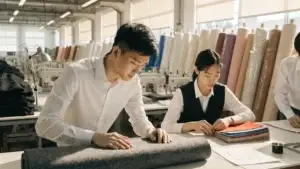
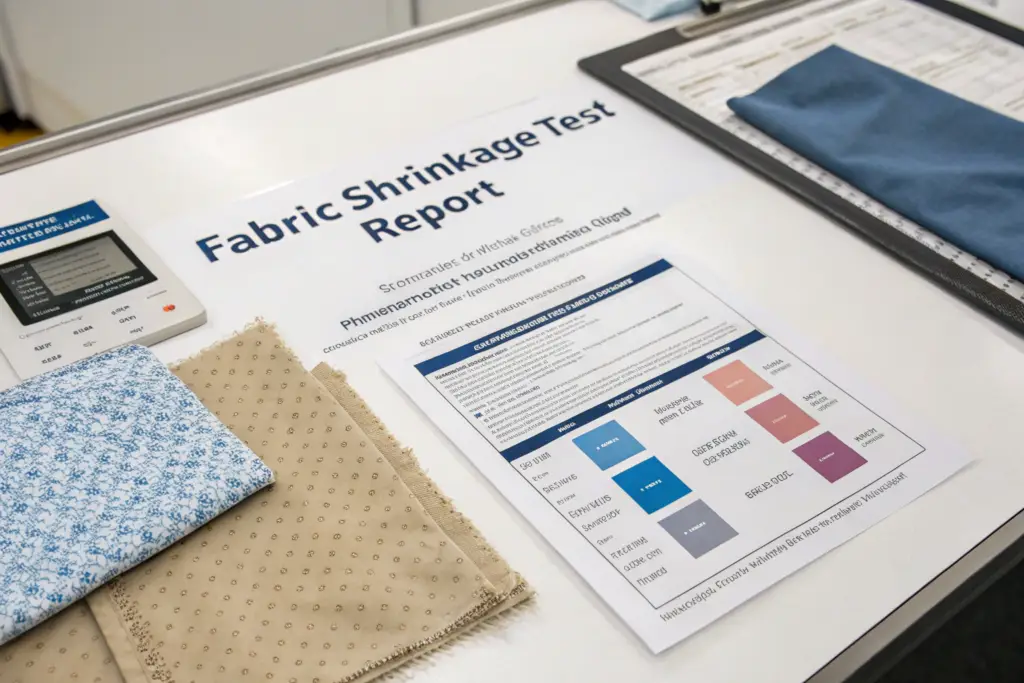
To prevent shrinkage, you must use "pre-shrunk" or "compacted" fabrics from the mill, which have been mechanically relaxed to remove much of the latent tension. Then, a professional factory will cut a test swatch from your bulk fabric, perform a standardized wash test, measure the residual shrinkage (e.g., 3% in length), and then mathematically scale up the pattern pieces by that exact percentage. The garment is sewn slightly larger, and it shrinks perfectly to the target spec after the customer's first wash. This is the science of a perfect, lasting fit.
A brand we work with had a disastrous first run of GOTS organic cotton onesies that shrank a full size. The problem was traced to the mill: the fabric had not been properly compacted. They switched to a compacted version of the same fabric, and our pattern-making team implemented a strict, data-driven shrinkage allowance. The next run of onesies had zero shrinkage complaints. The fix was not magic; it was engineering. This is the standard of our shrinkage control process .
What Does "Compacted" Fabric Mean and How Does It Differ from "Pre-Shrunk"?
These terms are often used interchangeably, but they refer to the same critical process. A compacting machine uses steam, heat, and pressure to mechanically force the fabric's yarns to relax and "take up" a significant portion of their future shrinkage potential. A properly compacted cotton jersey, for example, will have a residual shrinkage of less than 3%, compared to 5-8% for an uncompacted one. This is a non-negotiable standard for any quality kids' wear garment. This is a key specification in our fabric sourcing .
How Do You Conduct a Proper Wash Test on a PP Sample Before Bulk Approval?
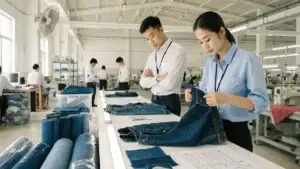
This is the final, and most critical, step. We take the final, approved Pre-Production (PP) sample, made from the actual bulk fabric, and launder it according to the care label instructions for multiple cycles (usually 3-5). We then measure every critical Point of Measure (POM) against the original spec. Only when the post-wash measurements are within the agreed tolerance do we authorize bulk production. This is a non-negotiable part of our quality assurance for kids' wear .
How to Guarantee Colorfastness and Prevent the "Laundry Bleed" Disaster?
A vibrant, beautiful kids' garment that bleeds dye all over a parent's expensive washing machine, or onto other clothes, is a disaster. The emotional damage to the brand is often worse than the financial cost of a return. Guaranteeing colorfastness is a non-negotiable science. It requires using the correct type of dye that chemically bonds with the fiber and then rigorously testing the finished fabric to ensure it will withstand real-world laundry conditions.
To guarantee colorfastness, the type of dye must match the fiber. Reactive dyes for cotton and acid dyes for nylon chemically bond with the material and are far more wash-fast than cheaper pigment dyes that simply sit on the surface. The factory must then perform rigorous testing, including an AATCC Wash Fastness test (a simulated, accelerated laundry cycle with a multi-fiber strip to check for bleeding) and a Crocking test (to check for dry/wet rubbing color transfer). A premium kids' wear garment should achieve a Wash Fastness rating of at least 4 (out of 5) for both color change and staining.
A brand we work with had a beautiful line of dark indigo cotton dresses that bled onto everything in the first wash. The problem was that the mill had used a cheap, surface-level pigment dye. We switched them to a reactive dye for the same color, which chemically bonds with the cotton fibers. We then performed a multi-cycle wash test and a crocking test, which the new fabric passed easily. The bleeding problem was permanently solved. This is the power of specifying the correct dyeing process and testing .
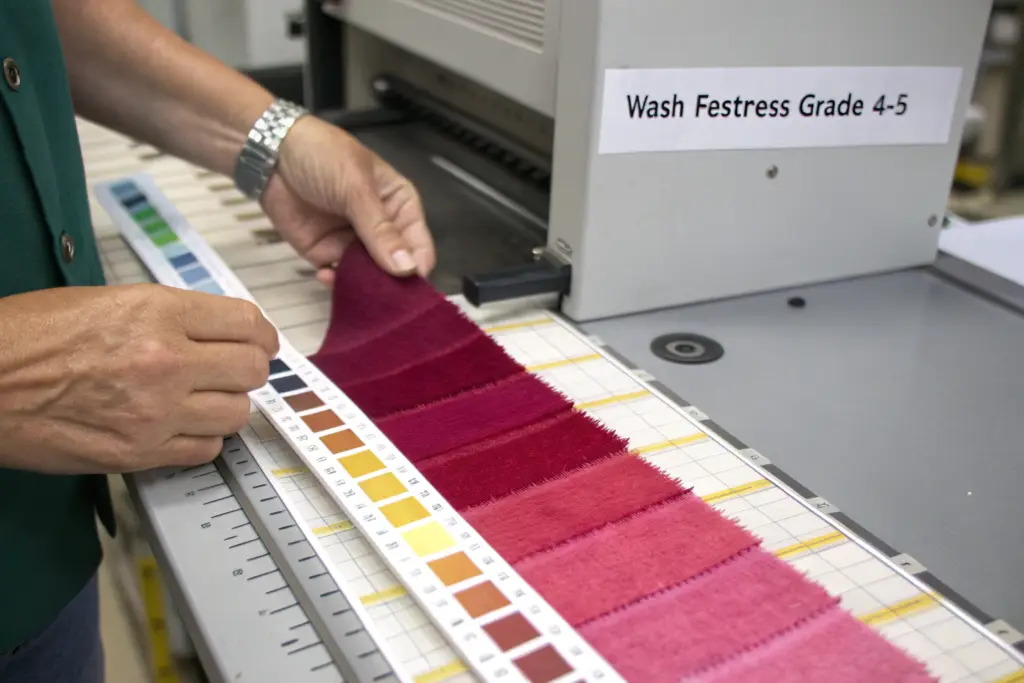
What Is the Difference Between a Pigment Dye and a Reactive Dye in Terms of Washability?
This is a crucial distinction. A pigment dye is like paint; it sits on the surface of the fabric and is held in place by a binder. It is cheaper, but it will eventually crack, fade, and bleed, especially with frequent washing. A reactive dye chemically bonds with the fiber itself, becoming a permanent part of the material. It is significantly more wash-fast, fade-resistant, and is the only acceptable choice for a premium, long-lasting kids' garment.
How Does the "Crocking Test" Predict If a Dark Jean Will Stain a White Couch?
The crocking test is a mechanical simulation of friction. A standard white cloth is rubbed against the dyed fabric under controlled pressure, both dry and wet. The amount of color transferred to the white cloth is then visually assessed against a standard Grey Scale. A rating of 3-4 or higher means the color is well-fixed and is unlikely to cause real-world staining. This test is a powerful predictor of customer experience. This is a key part of our color quality control .
How to Choose Fabrics and Construction That Are Inherently Low-Maintenance?
A care label that says "Hand Wash Cold, Lay Flat to Dry, Do Not Wring" is a declaration of surrender to a parent. It is a guarantee that the garment will be left in the drawer, or ruined in the wash. True easy care is about designing a product that can survive—and thrive—through a standard, modern laundry cycle. This requires selecting fibers, weaves, and construction details that are inherently tough, resilient, and low-maintenance.
Inherently low-maintenance kids' wear starts with smart material choices. Blended fabrics (like a Cotton/Polyester fleece) offer significantly better wrinkle resistance and durability than 100% cotton. Performance synthetics like nylon are incredibly tough and dry rapidly. Modern cellulosic fibers like Tencel are beautifully soft, resistant to wrinkles, and easy to care for. Construction details, like using a soft, tagless printed label instead of a scratchy satin tag, and using durable flatlock seams, further enhance the garment's longevity and ease of care.
A brand we work with designs their entire line around the concept of "machine-washable, tumble-dryable luxury." They use a beautiful, soft Tencel/cotton blend for their dresses, which resists wrinkles and dries fast. Their joggers are made from a durable, pill-resistant cotton/polyester fleece . They use only soft, tagless heat-transfer labels. Their marketing is built around the promise: "Spend less time washing, more time playing." Their customers are fiercely loyal because the brand respects their time. This is the power of a low-maintenance design philosophy .
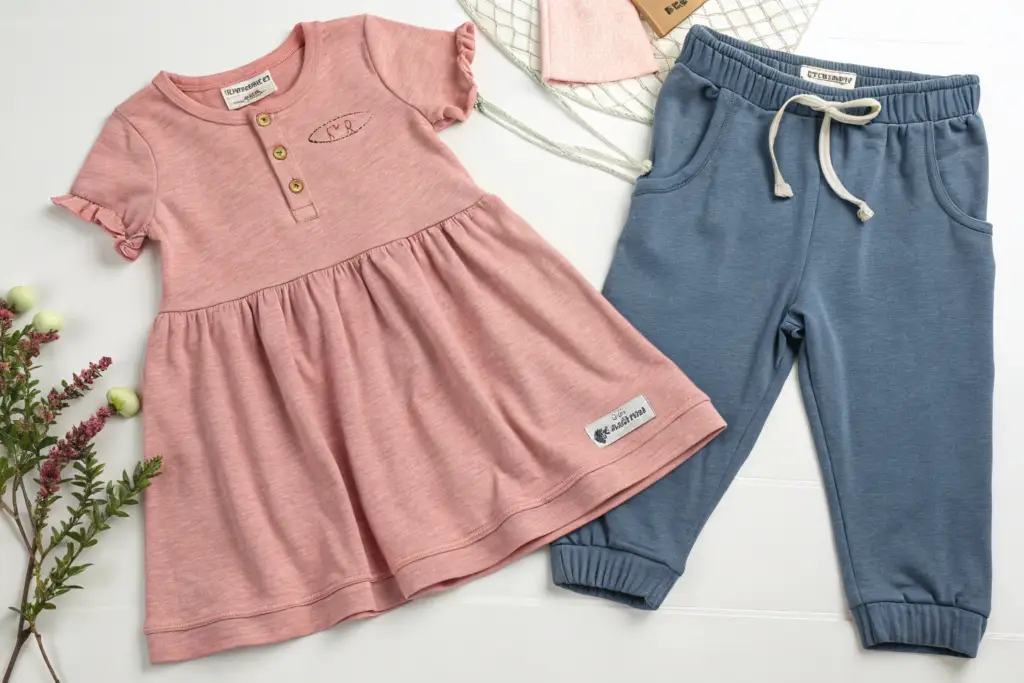
What Are the Best "Machine Wash and Tumble Dry" Fabrics for Active Kids?
For parents who will not follow delicate care instructions, the safest fabrics are those that are engineered for abuse. These include:
- Polyester and Polyester Blends: Inherently wrinkle-resistant, durable, and fast-drying.
- Cotton/Polyester Blends: A good balance of comfort and durability.
- Nylon: Exceptionally tough and abrasion-resistant.
- Pre-Shrunk, Compacted Cotton: If using 100% cotton, it must be pre-shrunk to survive the dryer.
This is the foundation of our durable kids' wear fabric library .
Why Is a Soft, "Tagless" Label a Crucial Feature for Comfort and Care?
A scratchy, satin label at the back of the neck is one of the most common reasons a child will refuse to wear a garment. A parent will have to cut it out, often leaving a scratchy, unfinished edge. A soft, heat-transfer ("tagless") label is printed directly onto the fabric and has zero handfeel. It is the ultimate in comfort and eliminates a major source of irritation and a parental annoyance. This is our standard recommendation for sensitive skin kids' lines .
How Does Fumao's Quality System Make Easy-Care a Guarantee, Not a Hope?
A garment that is truly easy to care for is not an accident. It is the predictable outcome of a systematic, multi-stage quality control process that verifies performance at every step. Our job is to provide our B2B partners with the objective, data-driven proof that their collection will not just look good on day one, but will perform flawlessly for the entire life of the garment. We make easy-care a verifiable, engineered guarantee.
Fumao's quality system makes easy-care a guarantee by systematically testing and verifying the key performance attributes. We conduct shrinkage testing on all incoming batch fabrics. We perform wash fastness and crocking tests to guarantee color durability. We run pilling resistance tests to ensure surfaces remain smooth. And we verify that all labeling is compliant and reflects the true, tested performance of the garment. We provide you with the data that proves your collection will survive the washing machine.
A new brand partner told us, "The 'Easy-Care Performance Report' you provide with my orders is the most valuable document I receive. It gives me the confidence to stand behind my product 100%. I can tell my customers, 'This has been tested to survive 20 washes without shrinking or fading.' That's a promise no other brand can make, and it's built our reputation for quality." That is our goal. To provide the rigorous, scientific verification that turns your quality promise into a proven, undeniable fact. This is the value of a performance-focused manufacturing partner .
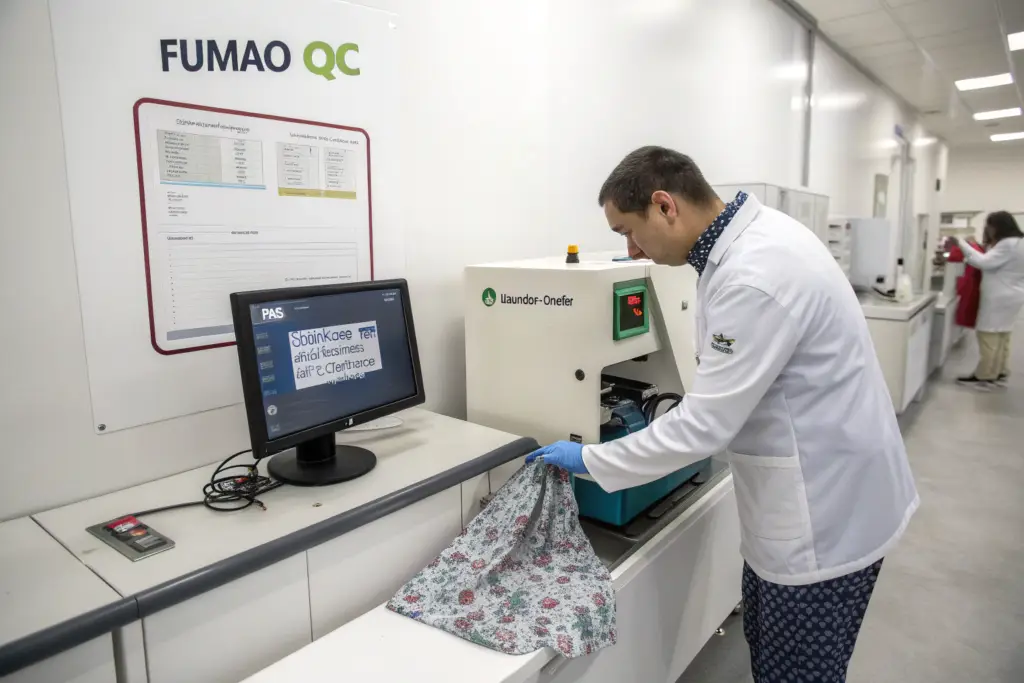
How Do You Test for "Pilling Resistance" to Ensure a Garment Stays Looking New?
We use the Martindale Abrasion and Pilling Tester (ISO 12945-2) . A sample of the garment's fabric is rubbed against a standard abrasive for a specified number of cycles (often 2,000). The tested sample is then compared against a set of visual standards and given a grade of 1 (severe pilling) to 5 (no pilling). A premium kids' garment must achieve a grade of at least 4. This is a core part of our durability testing .
How Can Our Care Label Guidance Help Reduce Customer Complaints and Returns?
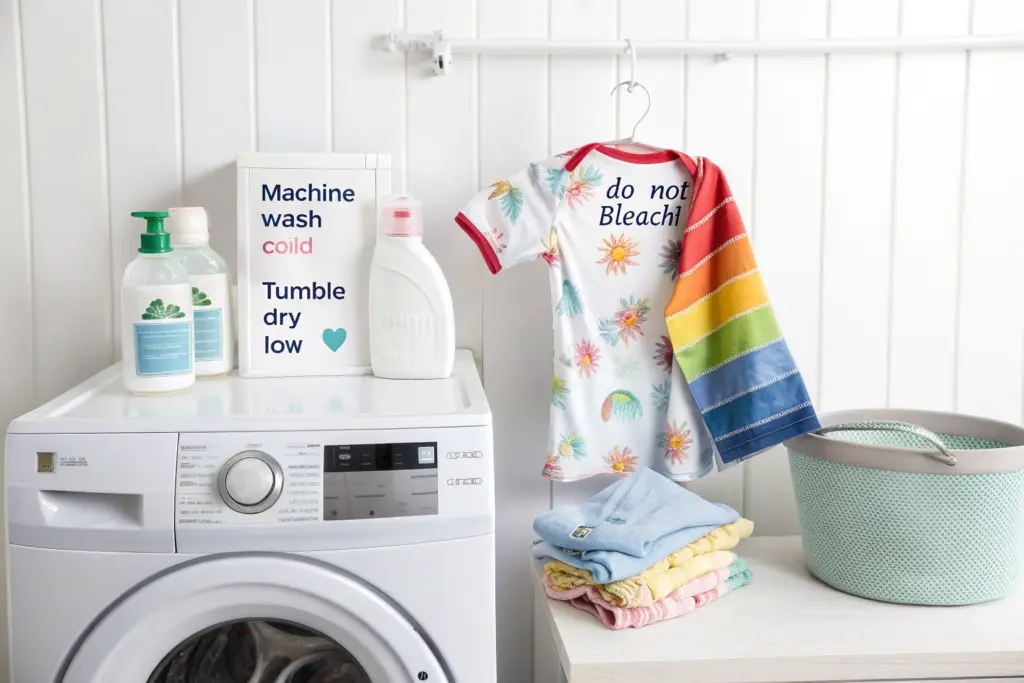
A confusing or incorrect care label is a major source of customer error and frustration. We help our partners create clear, simple, and accurate care labels using the universally recognized ISO care symbols. We ensure the recommended care instructions are consistent with the garment's tested performance. A clear, accurate label empowers the customer and dramatically reduces the risk of unintentional damage. This is a key part of our brand protection service .
Conclusion
Making kids' clothes easy to wash and maintain is not a single instruction on a tag; it is a fundamental design and engineering philosophy that must be built into the product from the very beginning. By proactively controlling shrinkage through fabric choice and pattern engineering, guaranteeing colorfastness through the right dye and rigorous testing, and designing with inherently low-maintenance materials and details, you create a product that respects parents' time and builds a fiercely loyal brand following.
At Shanghai Fumao, we are the partner that brings this engineering discipline to your collection. Our systematic, data-driven quality control process and our deep expertise in materials and construction provide the verifiable guarantee that your kids' wear is not just beautiful, but built for real life. We help you build a brand that parents trust.
If you are ready to build a kids' wear line that is engineered for easy care and lasting quality, let's talk. Our Business Director, Elaine, can walk you through our performance testing and quality assurance process. Please email Elaine at: elaine@fumaoclothing.com.