The demand for vintage and retro fashion is booming, especially in Western markets. From 90s-style cargo pants to 70s bell-bottoms and 50s fit-and-flare dresses, consumers are craving nostalgia in their closets. If you’re a brand looking to tap into this demand, the key is finding the right factory that specializes in these timeless aesthetics.
Factories that offer vintage or retro clothing must understand both the design language of past decades and the modern standards of comfort, fit, and quality. This guide will show you how to find these factories, evaluate their capabilities, and launch a successful retro collection.
What Defines a Factory Specializing in Vintage Clothing?
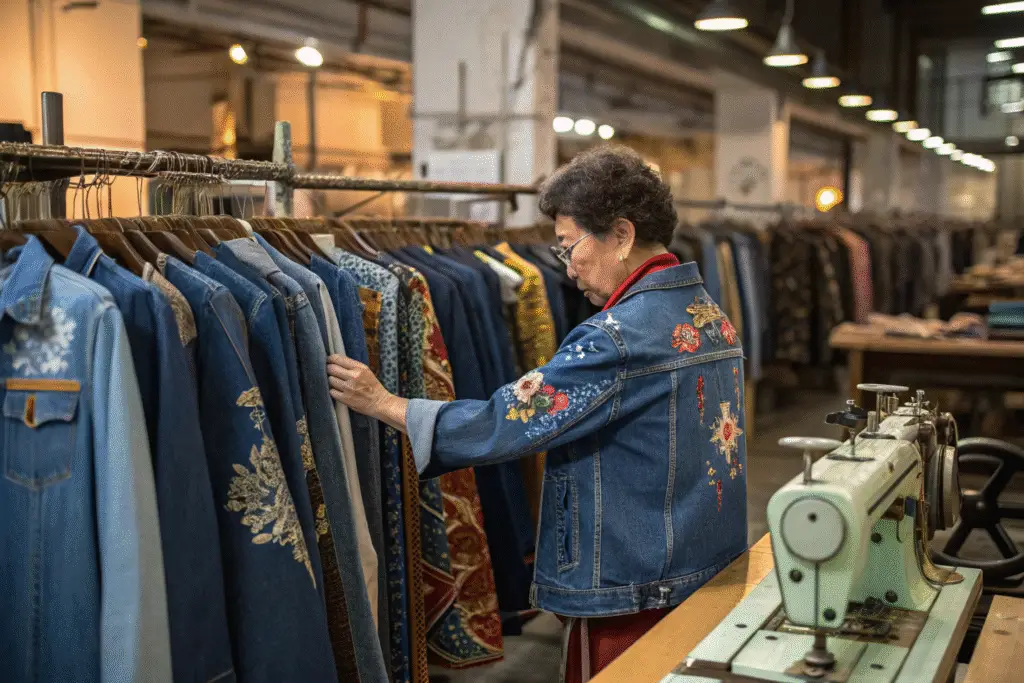
Vintage and retro fashion requires more than just copying old silhouettes. Factories that excel in this space understand garment washing techniques, fabric texture, embroidery styles, and pattern cutting from different eras.
A true vintage-specialized factory will have experience producing clothing that looks aged, washed, and stylized to reflect past decades, while still being wearable today.

What Fabrics and Finishes Signal a Vintage-Capable Factory?
Look for factories that offer:
- Enzyme-washed or stonewashed denim
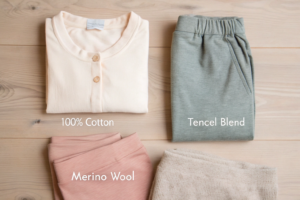
- Slub cotton, rayon, and hemp blends
- Pigment dyeing and acid wash processes
- Embroidery machines for script-style fonts
- Contrast piping and retro ribbing options
Explore Prosperity Textile for vintage denim fabric options or Shaoxing Keqiao for access to legacy prints.
Can Small MOQs Still Deliver Retro Authenticity?
Yes, especially with experienced ODM manufacturers. Some Chinese factories specialize in small batch retro lines with minimums as low as 100 pcs per style. Visit Indie Source or Panaprium’s factory lists for boutique-scale vintage suppliers.
If your order is larger, mid-sized factories in Guangzhou, Dongguan, or Zhejiang often offer custom retro workwear, varsity jackets, and Y2K cargo lines with competitive pricing.
How to Search Online for Vintage-Focused Garment Suppliers?
Finding the right vintage supplier online requires using the right platforms, keywords, and filters. Many top factories don’t outright advertise as “vintage,” so you’ll need to decode their language and read between the lines.
Use targeted search terms like “acid-wash denim manufacturer,” “retro print shirt supplier,” or “vintage hoodie OEM” to discover relevant partners.

What Are the Best Platforms for Vintage Garment Sourcing?
Here are five effective platforms:
- Alibaba: Filter by keywords like “retro,” “washed,” “embroidered.”
- Foursource: B2B directory with sustainability tags and vintage product filters.
- GlobalSources: Good for discovering Asian exhibitors with specialty styles.
- Maker’s Row: For USA-based retro factories.
- Fibre2Fashion: Global directory with garment, fabric, and trend filter capabilities.
Searches like “vintage baseball jacket OEM” or “90s streetwear sweatshirt manufacturer” will narrow results down quickly.
How Do You Verify Retro Product Capability Online?
Review factory portfolios and past collections. Look for:
- Aged garment photos
- Fabric dyeing process explanations
- Mention of retro patterns (polka dots, bandana print, camo)
- Historical branding examples
You can also request swatches or order samples. Some suppliers showcase their work on Instagram or Pinterest—check if they’re tagged by other vintage clothing brands.
What Sampling and Customization Options Are Ideal for Retro Styles?
Retro pieces are all about the detail—whether it's a collar shape from the 60s or a graphic font from the 90s. That’s why your supplier needs robust sampling services and a strong eye for nostalgic accuracy.
Customization for vintage includes not just cut and print, but also garment treatment, trim style, and branding. You need a factory that can simulate wear, replicate color fades, and match the vibe of the original era.
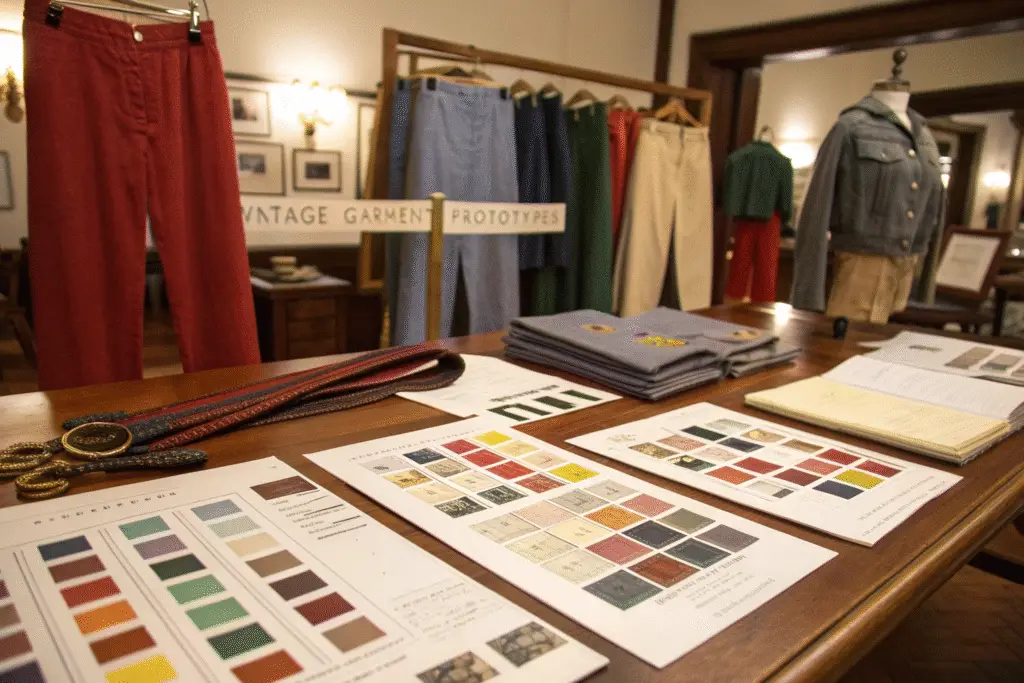
What Are the Most Requested Retro Customization Options?
Common requests we fulfill for clients include:
- Vintage-wash tees with puff print or cracked ink graphics
- Corduroy flare pants with custom button fly
- 80s-style track jackets with dual-stripe taping
- Raglan-sleeve baseball tees with contrast hems
- Chain-stitch embroidery for scripted logos
You can also explore Teg International and Apparel Production Inc. for U.S.-based custom vintage manufacturers.
Can You Reproduce Deadstock or Archive Styles?
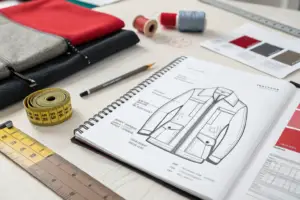
Yes, if you provide either physical samples or detailed tech packs. We’ve helped brands recreate archive Levi’s styles or 80s racing jackets by deconstructing a sample and rebuilding it with modern fabrics.
Factories offering reverse engineering services or 3D scanning can further support this process. Always clarify copyright status before reproducing designs.
How to Evaluate Quality Control and Ethical Compliance in Vintage Production?
Many retro brands in the West now emphasize sustainable production and ethical labor alongside their nostalgic appeal. Your factory must not only replicate past styles but also meet today’s standards in quality control and compliance.
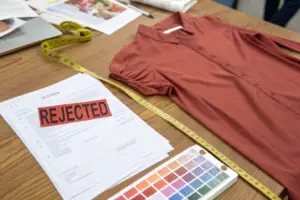
Quality in vintage production means consistent washes, secure stitching, compliance labeling, and eco-certification where possible.
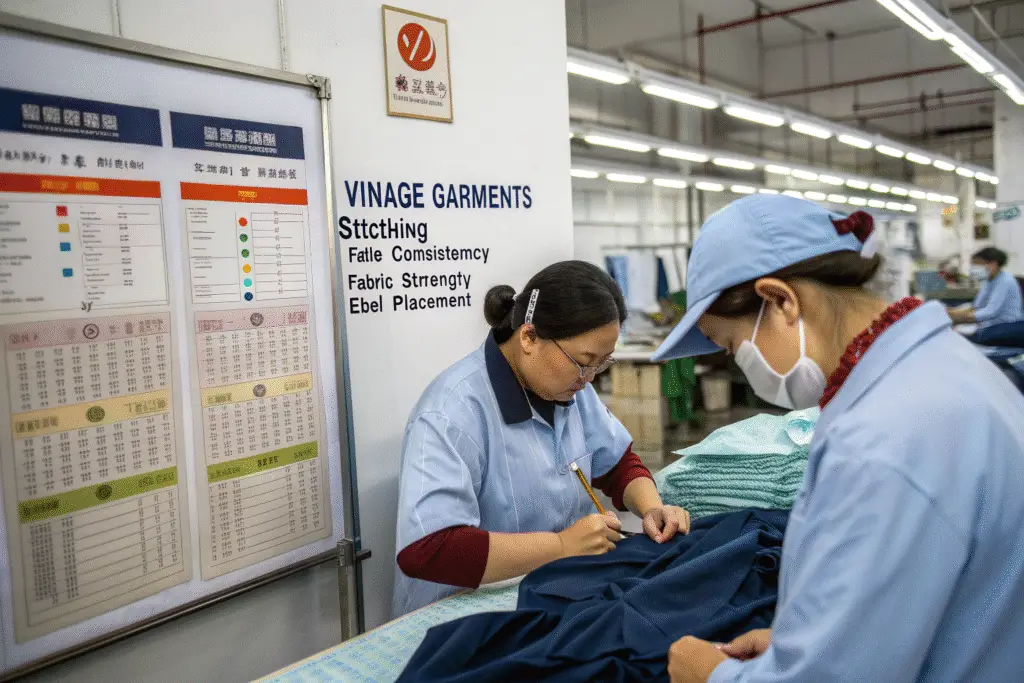
How Is Vintage Wash Quality Evaluated?
We recommend checking:
- Color fade consistency across production batches
- Fabric integrity after stone/enzyme wash
- Stitch strength (especially at shoulders and hems)
- Shrinkage tolerance (after 3 washes)
- Logo durability (after 10–20 washes)
Use third-party inspections from QIMA or SGS to validate consistency and durability.
What Ethical Certifications Should a Vintage Supplier Have?
Ask for:
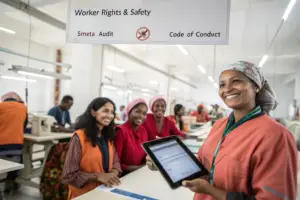
- BSCI or Sedex audit reports
- OEKO-TEX Standard 100 for chemical safety
- GOTS or RCS for recycled/organic fabric use
- SA8000 for labor standards
You can verify many certificates on platforms like amfori.org or directly through certification bodies. Also, check if the supplier offers recycled packaging—a growing demand among Western eco-conscious vintage buyers.
Conclusion
Finding the right factory for your vintage or retro clothing line is about more than fabric and stitching—it’s about finding a production partner who respects the past and delivers for the present.
From sourcing authentic-looking fabrics to executing era-specific designs, and ensuring ethical, quality-assured production, working with the right Chinese or global factory can bring your nostalgic vision to life.
At Fumao Clothing, we specialize in producing low-MOQ vintage garments with modern comfort and retro precision. Whether it’s 70s workwear, 90s streetwear, or Y2K statement pieces, we help you craft collections that turn throwback style into future success.