Starting a clothing brand but not ready to commit to bulk orders? You’re not alone—and yes, it’s possible to find manufacturers with no minimum order quantity (MOQ).
Clothing manufacturers with no minimum allow you to order just one sample or a few units, helping you test your brand idea with less risk and more flexibility.
Let’s walk through how to find these suppliers, what to expect, and how to launch smart—without high volume commitments.
What is the minimum amount to start a clothing brand?
You don’t need thousands of dollars to begin. But how much is enough to get started?
You can start a small clothing brand with as little as $500 to $2,000 if you work with no-minimum or low-MOQ manufacturers and begin with simple designs.
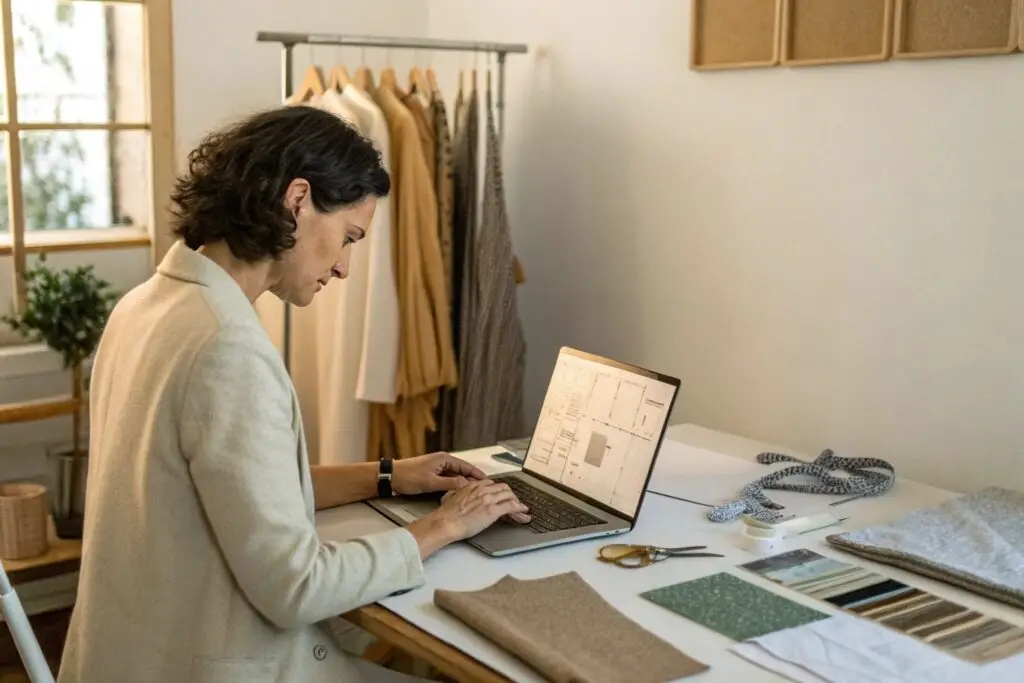
What does your startup budget1 need to cover?
Even with no MOQ, you’ll still need funds for essentials:
- Sample fees
- Logo and branding assets
- Product photography
- Packaging
- Shipping and import taxes
- Website or online store setup
Here’s a rough startup budget guide:
| Item | Estimated Cost |
|---|---|
| Sample development | $50–$200 |
| Product photography | $100–$300 |
| Logo and label design | $50–$150 |
| Website or online store | $100–$300 |
| Initial small production | $300–$1,000 |
Start small with 1–2 styles. Once you test the market and gather feedback, you can scale production and lower costs per unit.
Where is it cheapest to manufacture clothes?
You want to keep your costs low—but where should you look?
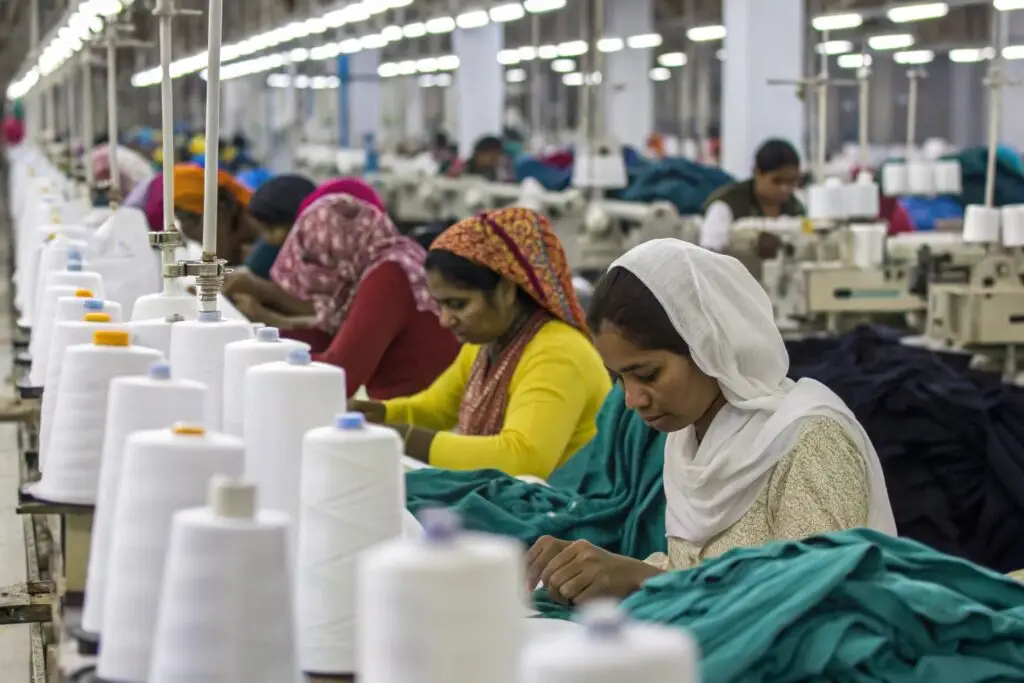
The cheapest places to manufacture clothes are typically Bangladesh, India, and Vietnam due to lower labor costs and strong textile supply chains.
Why are these regions more affordable?
- Bangladesh2: Specializes in high-volume, basic garments at very low cost
- India: Known for cotton, embroidery, and artisan wear
- Vietnam3: Offers solid infrastructure for activewear and outdoor garments
- China4: Still competitive due to speed, automation, and experience—even with rising wages
Here’s a cost comparison by country:
| Country | Average Unit Cost (T-shirt) | Lead Time |
|---|---|---|
| Bangladesh | $1.00–$1.80 | 4–6 weeks |
| India | $1.50–$2.50 | 3–5 weeks |
| Vietnam | $2.00–$3.00 | 3–4 weeks |
| China | $2.50–$4.00 | 2–4 weeks |
| Turkey | $3.00–$5.00 | 2–3 weeks |
If you need fast delivery, China and Turkey are reliable. If you need low cost, Bangladesh and India may be better—but be sure to vet factories carefully for quality control and certifications.
How much does it cost for a clothing manufacturer?
Cost is one of the biggest factors when choosing a manufacturer—but what exactly are you paying for?
The cost of working with a clothing manufacturer depends on product type, material, design complexity, quantity, and location. Basic items like T-shirts can cost as little as $3 per unit; complex items can go over $15.

What drives manufacturing cost?
Here are the main cost components:
- Fabric and materials5: Cotton, polyester, blends, custom dyeing
- Labor and sewing6: Based on the number of panels, stitching difficulty
- Design complexity: Zippers, embroidery, linings, and custom trims
- Print/Labeling: Screen printing, woven tags, private label options
- MOQ impact7: The fewer units you make, the higher the price per unit
Example: Basic 100% Cotton T-shirt
| Quantity | Unit Price (USD) | Total Price |
|---|---|---|
| 50 pcs | $5.00 | $250 |
| 100 pcs | $4.00 | $400 |
| 500 pcs | $3.20 | $1,600 |
Manufacturers with no MOQ will often charge a premium per unit, but the trade-off is low risk and more control for startups.
What is the minimum order quantity of clothing?
Even if you’re not ready for bulk, knowing the MOQ landscape helps you plan better.
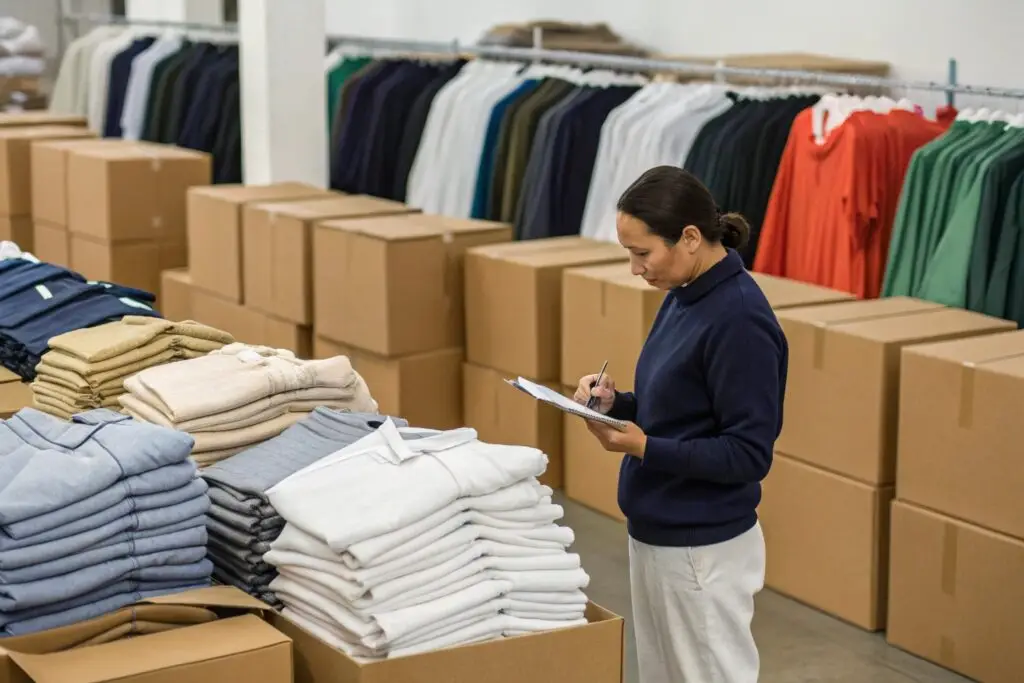
The minimum order quantity (MOQ) in clothing is the smallest number of units a manufacturer will agree to produce per design, color, or size—often ranging from 100 to 500 units.
What’s typical for ready-to-wear items?
| Garment Type | MOQ Range |
|---|---|
| T-shirts | 100–300 pcs |
| Hoodies | 150–500 pcs |
| Activewear sets | 200–600 pcs |
| Kidswear | 50–200 pcs |
But for manufacturers who promote "no MOQ8" or "low MOQ," you can:
- Order single samples
- Produce as few as 10–30 units for testing
- Launch with a limited collection
Always ask what their MOQ refers to9—is it per color, size, or total style? Some factories are flexible, especially for returning clients.
Conclusion
Finding a clothing manufacturer with no minimum is completely possible—especially if you're launching smart and staying lean. Whether you're testing a design, running a micro-drop, or starting your first brand, low MOQ and sample-friendly manufacturers help you move fast without big risks.
-
Understanding the components of a startup budget is crucial for financial planning and success. Explore this link for detailed insights. ↩
-
Explore how Bangladesh's garment industry thrives on low costs and high volume, making it a key player in global fashion. ↩
-
Discover Vietnam's robust infrastructure and its advantages in producing high-quality activewear and outdoor garments. ↩
-
Learn about China's speed, automation, and experience that keep it a top choice for garment production worldwide. ↩
-
Understanding fabric types can help you make informed decisions about quality and cost in manufacturing. ↩
-
Explore how labor costs and sewing complexity affect overall production expenses, crucial for budgeting. ↩
-
Learn how MOQ influences pricing strategies and production decisions, essential for startups and small businesses. ↩
-
Understanding 'no MOQ' can help you find flexible manufacturers for your clothing line, allowing for smaller orders and testing new designs. ↩
-
Learning about MOQ specifics can help you negotiate better terms with manufacturers and optimize your production strategy. ↩