Fabric shapes how we experience clothing, home decor, and even sustainability. Over the years, I’ve learned that choosing the right fabric isn’t just about looks—it’s about comfort, durability, and ethics.
In this guide, I’ll break down 12 essential fabrics, from everyday cotton to luxurious cashmere, sharing personal stories and practical insights. You’ll discover why linen wrinkles so easily, how to spot fake silk, and which fabrics work best for sensitive skin.
Whether you’re a DIY sewer or a conscious shopper, understanding these materials will help you make smarter choices—and avoid laundry disasters (trust me, I’ve had plenty!). Let’s dive in.
1. Cotton
I’ve worn cotton since I was a kid. It’s soft, breathable, and perfect for everyday use. My first memory of cotton is a pair of pajamas that never irritated my skin.
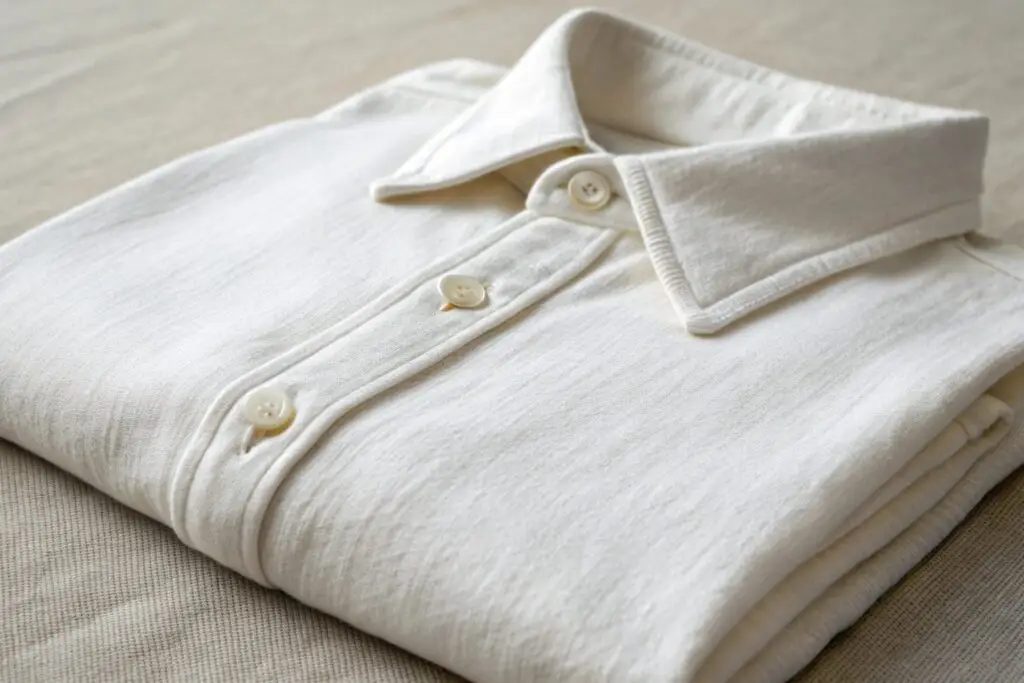
What Makes Cotton Unique?
Cotton comes from the fluffy fibers of the cotton plant. These fibers are spun into yarn, which is then woven or knitted. Cotton’s strength lies in its ability to absorb moisture, making it ideal for towels and summer clothes. However, it wrinkles easily and shrinks if washed in hot water.
How Does Cotton Compare to Other Fabrics?
| Property | Cotton | Polyester |
|---|---|---|
| Breathability | High | Low |
| Durability | Moderate | High |
| Eco-Friendliness | Biodegradable | Non-biodegradable |
2. Silk
Silk feels luxurious but requires careful handling. I once spilled coffee on a silk blouse and learned the hard way that it stains easily.
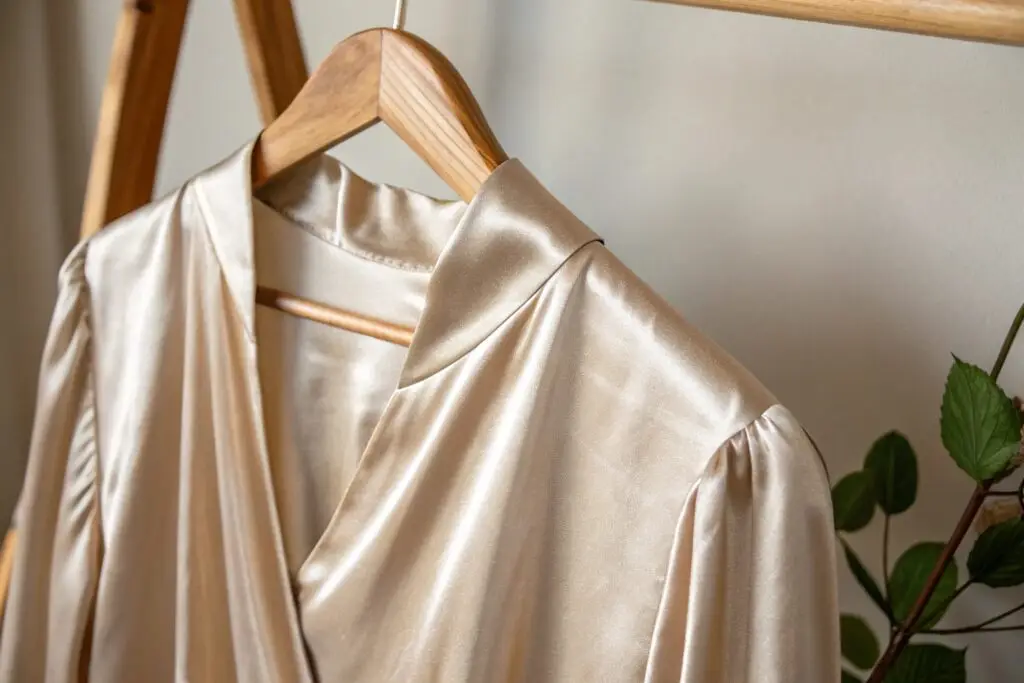
Why is Silk So Expensive?
Silk production involves harvesting silkworm cocoons, which is labor-intensive. The fibers are delicate and must be unwound carefully. Ethical concerns about killing silkworms have led to alternatives like “peace silk,” where moths escape before boiling.
How to Care for Silk Fabric?
Always hand-wash silk in cold water with mild detergent. Avoid direct sunlight when drying, as it weakens the fibers. Store silk in breathable garment bags to prevent moth damage.
3. Wool
Wool keeps me warm during snowy winters. My thick wool coat has survived years of harsh weather without losing shape.
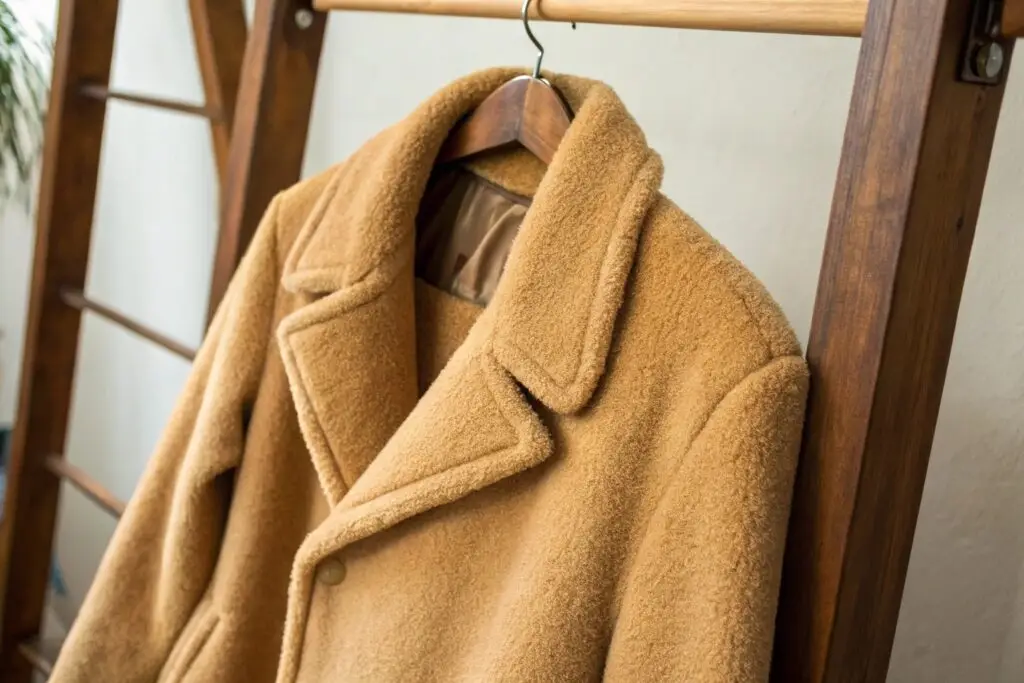
What Are the Different Types of Wool?
| Type | Source | Texture |
|---|---|---|
| Merino | Sheep | Soft, fine |
| Cashmere | Goats | Ultra-soft |
| Angora | Rabbits | Fluffy |
Can Wool Cause Allergies?
Some people find wool itchy due to lanolin or coarse fibers. Merino wool is less irritating because its fibers are thinner. Always test a small patch of skin before buying wool clothing.
4. Linen
Linen is my go-to fabric for summer trips. It wrinkles like crazy, but the breezy feel makes up for it.
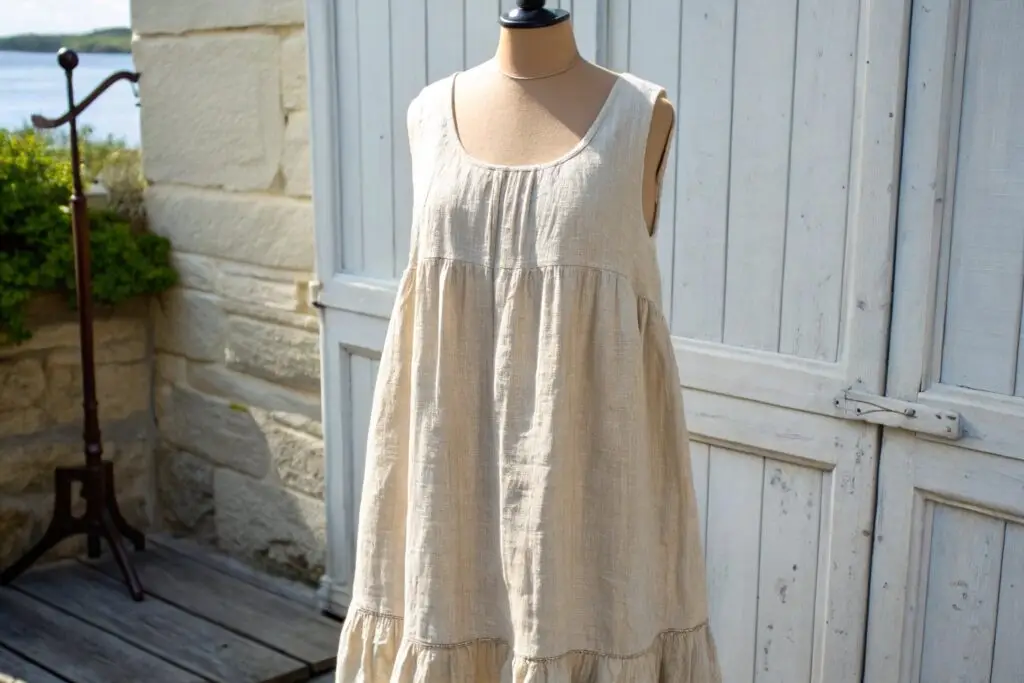
Why Does Linen Wrinkle So Easily?
Linen fibers lack elasticity, so they crease easily. Embrace the wrinkles—they give linen its casual charm. Ironing while damp helps reduce creases temporarily.
Is Linen Sustainable?
Linen is made from flax plants, which need less water and pesticides than cotton. It’s fully biodegradable, making it an eco-friendly choice.
5. Polyester
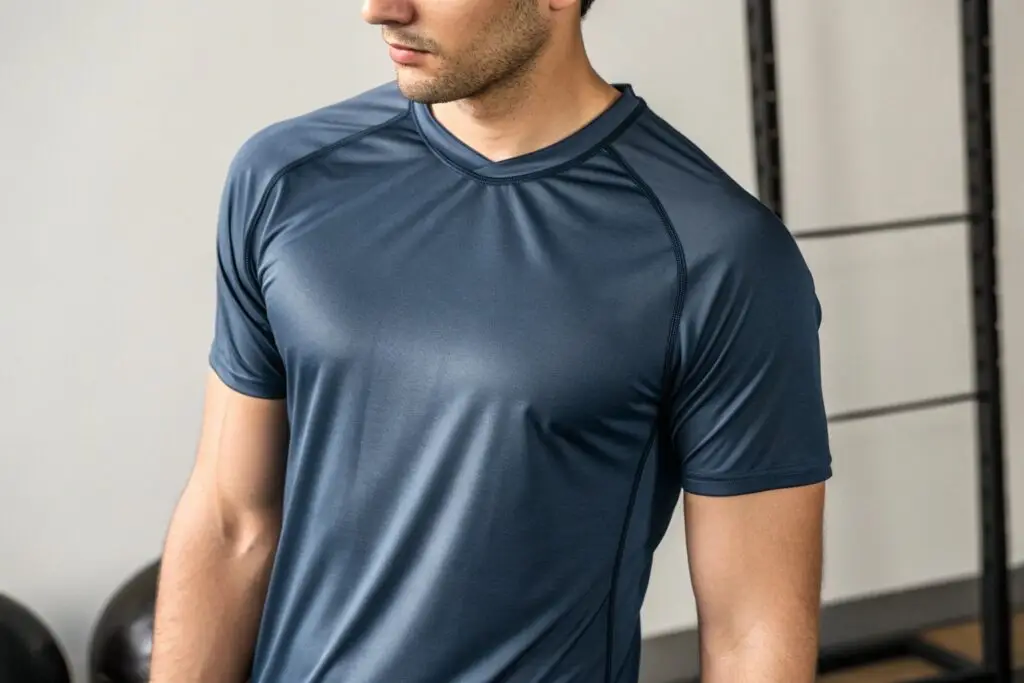
Polyester is everywhere—from sportswear to sofa covers. I avoided it for years until I tried moisture-wicking polyester gym clothes.
How is Polyester Made?
Polyester is synthetic, created from petroleum-based chemicals. The fibers are melted, stretched into threads, and woven into fabric. It’s durable but contributes to microplastic pollution.
Polyester vs. Natural Fabrics
| Aspect | Polyester | Cotton |
|---|---|---|
| Cost | Cheap | Moderate |
| Environmental Impact | High (non-biodegradable) | Low (biodegradable) |
| Moisture-Wicking | Excellent | Poor |
6. Denim
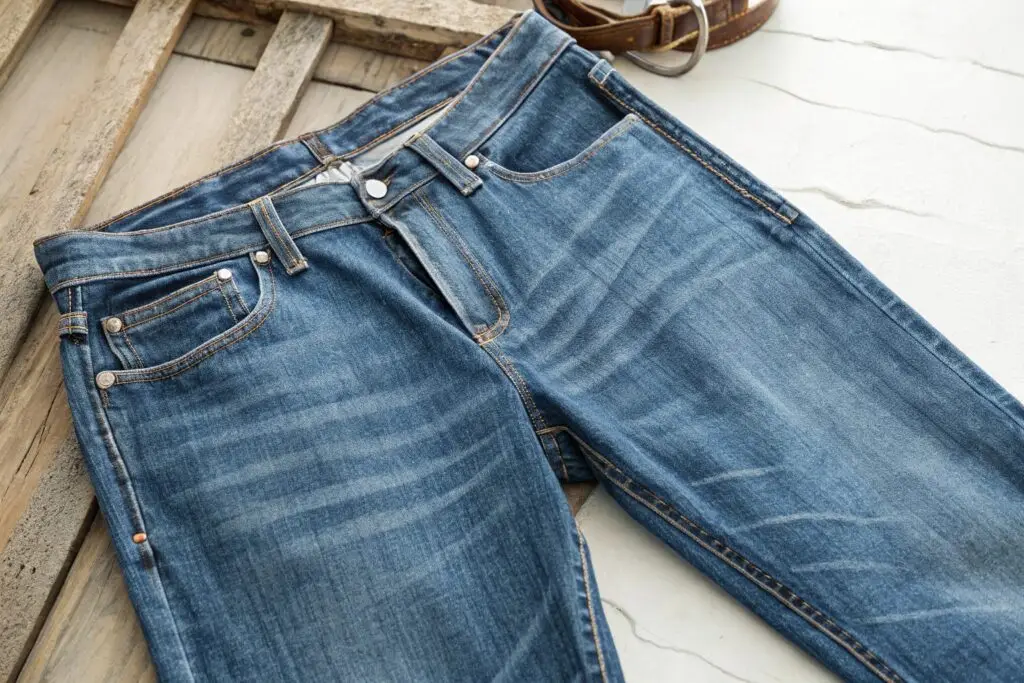
Denim jeans are a staple in my wardrobe. My oldest pair has faded perfectly over five years of wear.
What Makes Denim Different from Regular Cotton?
Denim uses a twill weave, where threads pass under two or more warp threads. This creates diagonal ridges, making denim tougher than plain cotton. Indigo dye gives it the classic blue color.
How to Make Denim Last Longer?
Wash denim inside out in cold water. Avoid frequent washing—spot clean stains instead. Air-dry to prevent shrinkage and fading.
7. Velvet
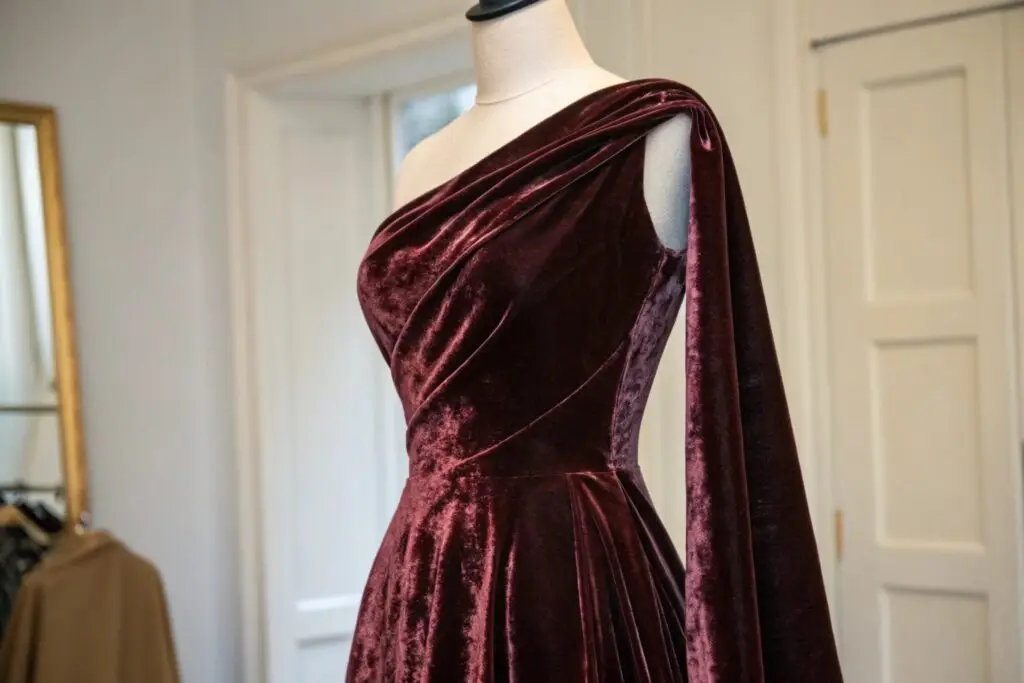
Velvet adds elegance to any outfit. I bought a velvet dress for a party and felt like royalty—until I spilled wine on it.
Why Does Velvet Have a Sheen?
Velvet’s shimmer comes from its dense, short pile fibers. Light reflects differently depending on the direction you brush the fabric.
Can Velvet Be Machine-Washed?
Never machine-wash velvet! The friction ruins the pile. Use a soft brush to remove dust and blot stains with a damp cloth.
8. Rayon
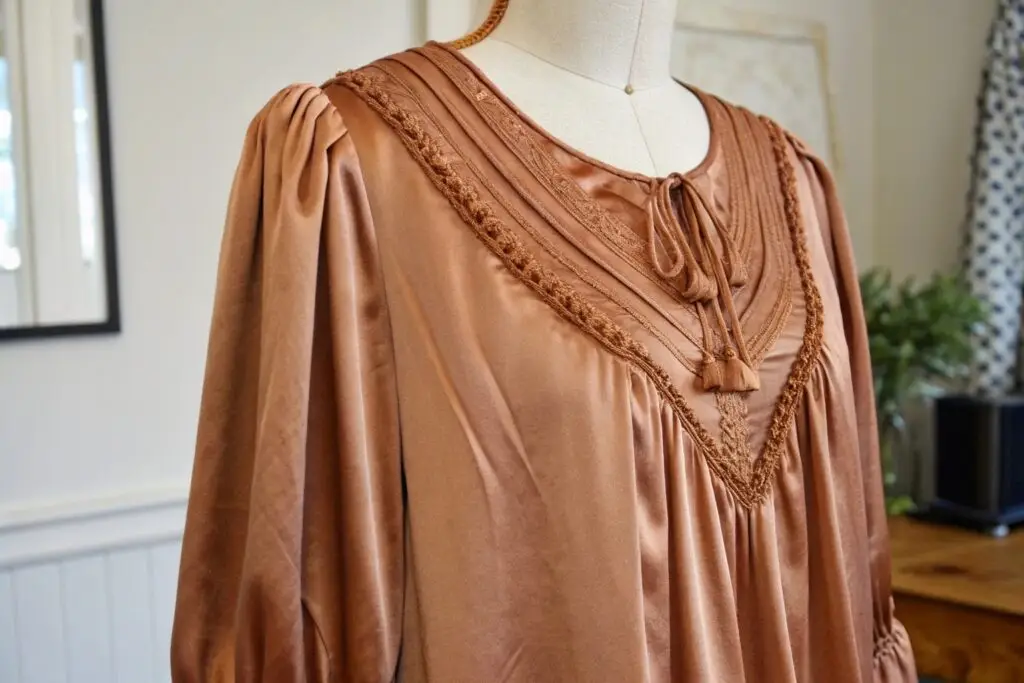
Rayon feels like silk but costs way less. I love rayon blouses for their drape, but they shrink if washed incorrectly.
Is Rayon Natural or Synthetic?
Rayon is semi-synthetic. It’s made from wood pulp but requires heavy chemical processing. Some call it “artificial silk.”
How to Prevent Rayon from Shrinking?
Always hand-wash rayon in cold water. Lay flat to dry—never wring or tumble dry. Iron on low heat to avoid scorching.
9. Nylon
Nylon is strong and lightweight. My hiking backpack is made of nylon, and it’s survived years of rough use.

Why is Nylon Used for Activewear?
Nylon resists abrasion and dries quickly. It’s often blended with spandex for stretchiness. However, it traps sweat and can feel clammy.
Nylon’s Environmental Impact
| Issue | Detail |
|---|---|
| Production | Petroleum-based, energy-intensive |
| Biodegradability | Takes 30-40 years to decompose |
10. Cashmere
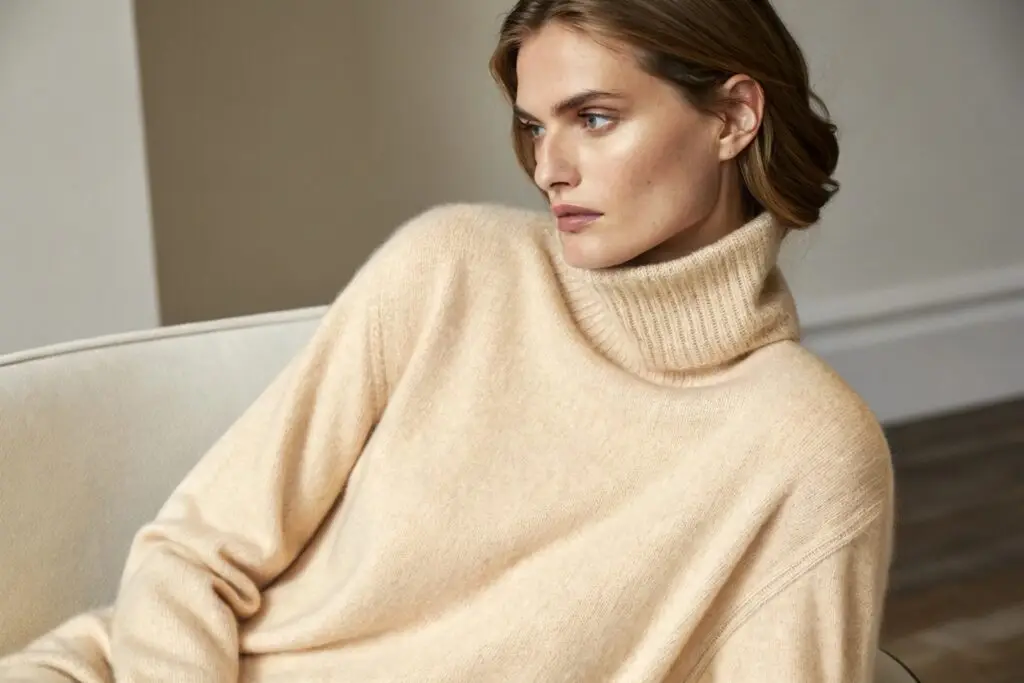
Cashmere is my winter luxury. A cashmere scarf feels like a hug, but it’s pricey—I saved up for months to buy one.
Why is Cashmere So Soft?
Cashmere comes from the undercoat of Himalayan goats. The fibers are finer and smoother than sheep’s wool, creating that signature softness.
How to Spot Fake Cashmere?
Genuine cashmere feels warm instantly when rubbed on your cheek. Fake versions (often acrylic) feel plasticky. Check for uneven fiber thickness under a magnifying glass.
11. Hemp
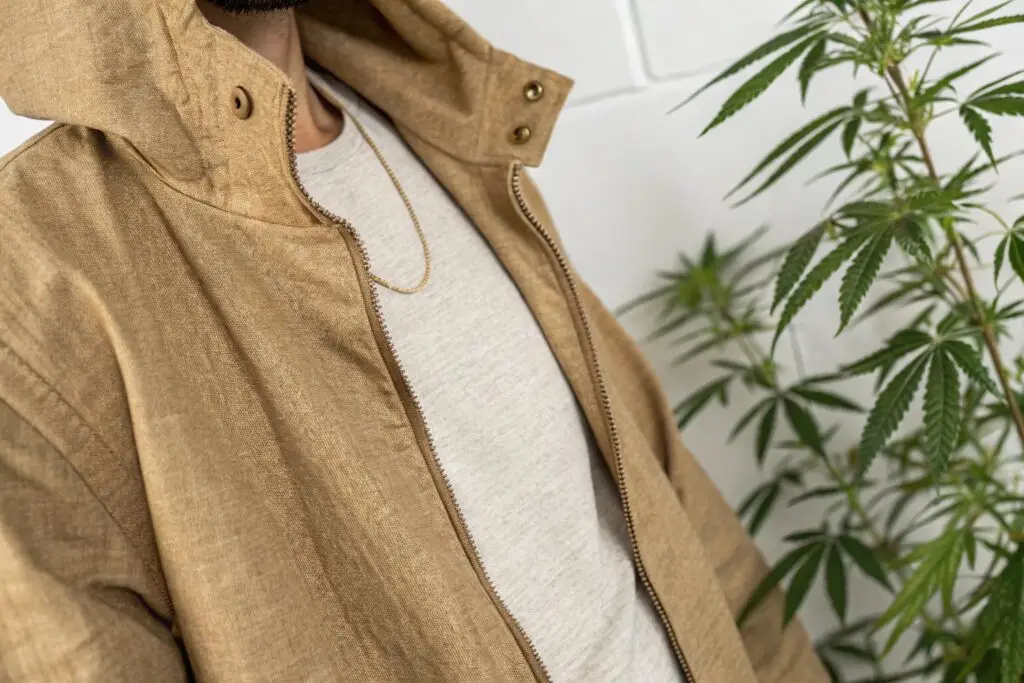
Hemp fabric surprised me with its toughness. I bought hemp grocery bags a decade ago, and they’re still intact.
Is Hemp Legal Everywhere?
Hemp is legal in most countries if it contains less than 0.3% THC. It’s used for fabric, paper, and even construction materials.
Hemp vs. Cotton: Which is Better?
| Factor | Hemp | Cotton |
|---|---|---|
| Water Usage | Low | High |
| Durability | High | Moderate |
| Softness | Improves with washing | Soft from start |
12. Bamboo
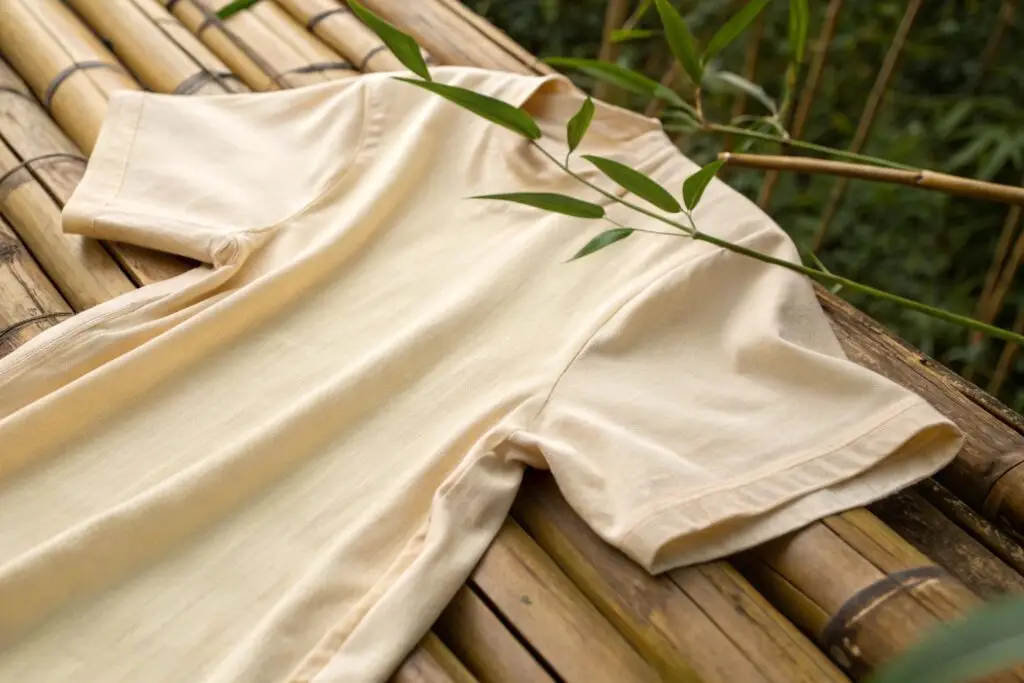
Bamboo fabric feels like a hybrid of cotton and silk. I switched to bamboo bedsheets last year, and my night sweats disappeared.
Is Bamboo Fabric Truly Eco-Friendly?
Bamboo grows rapidly without pesticides, but processing it into fabric often uses toxic chemicals. Look for brands that use mechanical, not chemical, methods.
Bamboo vs. Cotton for Sensitive Skin
Bamboo’s smooth fibers cause less friction, reducing irritation. It’s naturally antibacterial, making it ideal for eczema-prone skin.
Conclusion
Choosing the right fabric depends on your needs—cotton for breathability, nylon for durability, cashmere for luxury. I’ve made mistakes (like washing silk in hot water), but experimenting taught me what works. Always check care labels and consider sustainability—your clothes should feel good and do good!