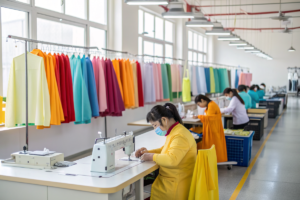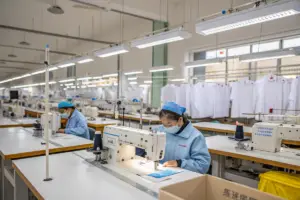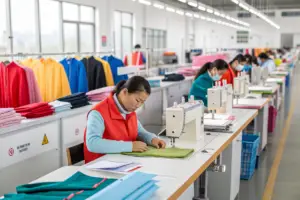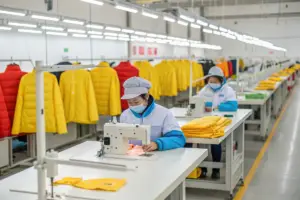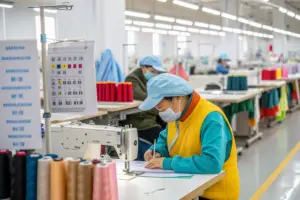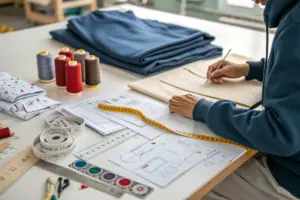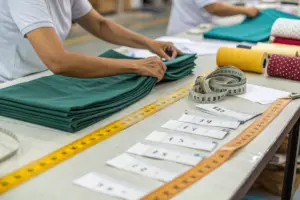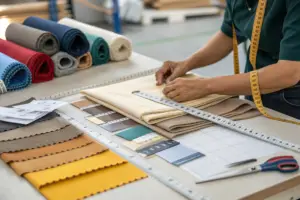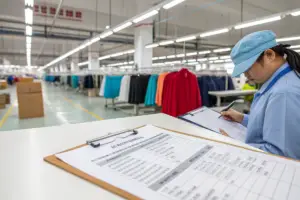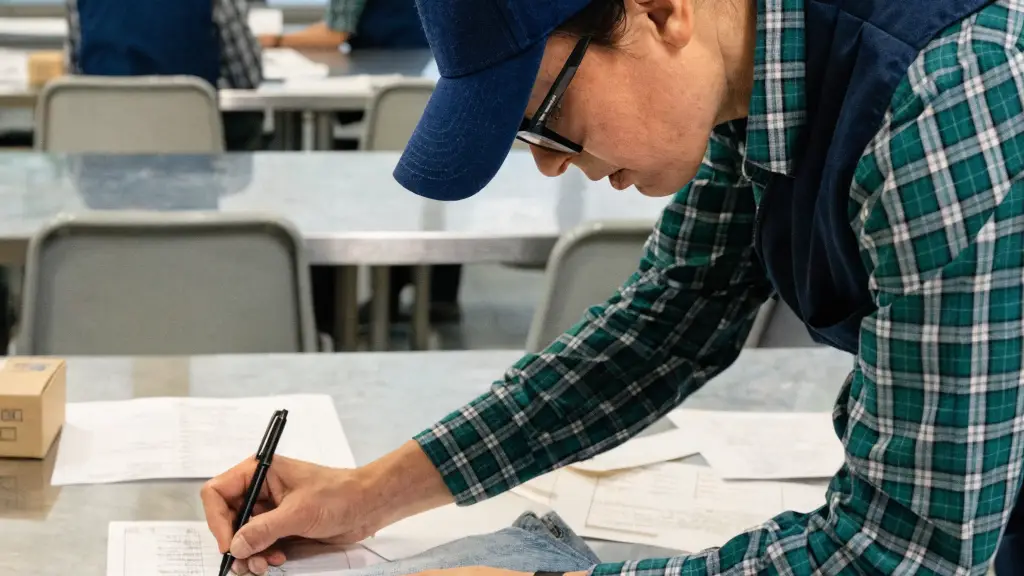
Quality control is the most important part of clothing sourcing. I have seen too many orders with problems that could have been caught with proper QC. Good QC saves you money and protects your brand.
To do quality control for clothing from China, use AQL sampling standards, inspect at key stages, check measurements against specs, test fabric quality, verify labeling, and use third-party inspection services for important orders.
I will explain the QC process step by step. I will share the standards you need. I will also tell you when to inspect during production.
When Should You Inspect Clothing During Production?
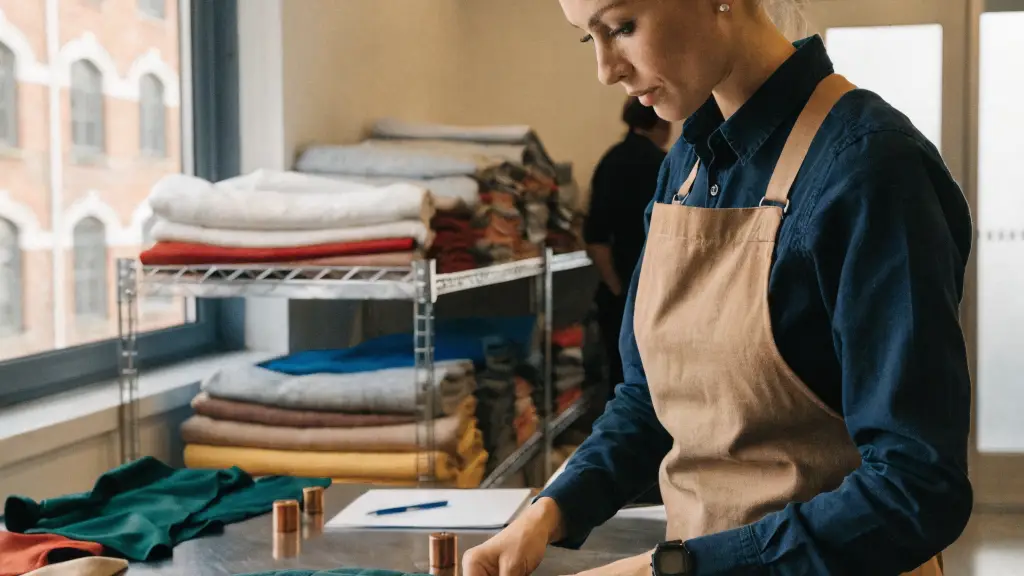
Timing is everything in QC. Inspecting at the right time catches problems early. Late inspections are expensive to fix.
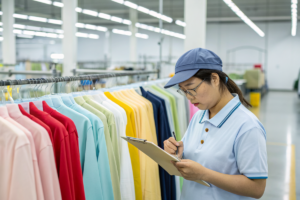
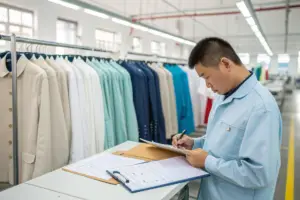
Inspect at three stages: raw materials before cutting, during production or in-line, and final inspection before shipment. The final inspection is most common, but in-line inspection catches issues earlier.
Here are the key inspection stages.
| Stage | Timing | What to Check | Cost to Fix Issues |
|---|---|---|---|
| Raw material | Before cutting | Fabric, trims, labels | Lowest cost |
| In-line | During sewing | Stitching, fit, details | Medium cost |
| Final | Before shipment | All aspects | Highest cost |
What Is the AQL Standard for Clothing Inspection?
AQL means Acceptable Quality Limit. It is the industry standard for sampling. For most clothing, AQL 2.5 is used. This means no more than 2.5% defective items. AQL 4.0 is for basic items. AQL 1.0 is for high-end products. The inspector randomly selects samples based on the batch size. At Fumao Clothing, we maintain AQL 2.5 as our minimum standard. Learn more at SGS and Bureau Veritas.
How Many Samples Should You Check in Clothing QC?
The sample size depends on the batch size. For a batch of 1000 pieces, check 125 samples. For 5000 pieces, check 315 samples. For 10000 pieces, check 500 samples. The inspector follows an AQL sampling table. At Fumao Clothing, we welcome third-party inspections. We are confident in our quality. Learn more at Intertek and SGS.
What Are the Most Common Quality Defects in Clothing?
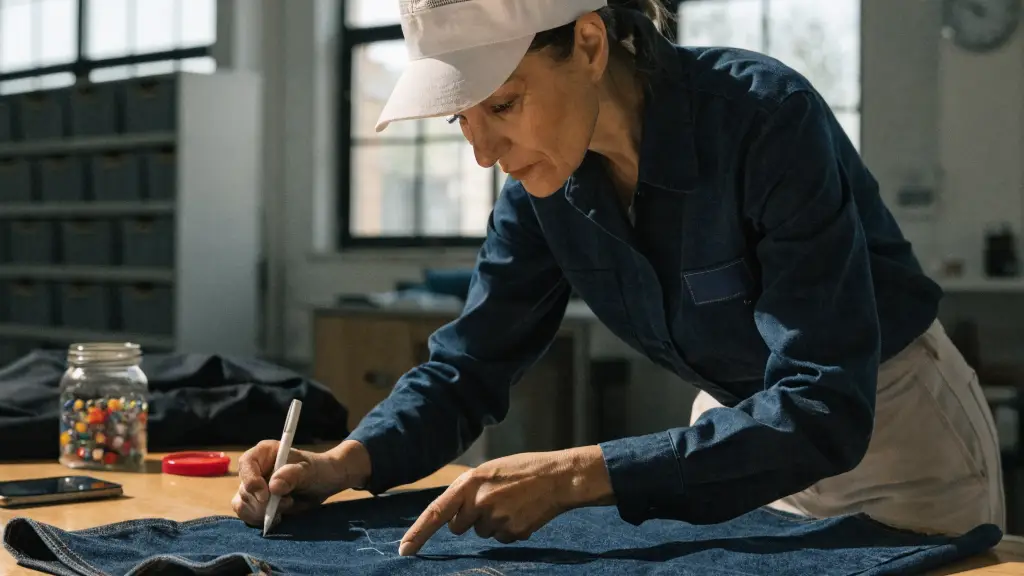
Knowing the most common defects helps you know what to look for. I have seen these issues in many shipments over the years.
Common clothing defects include stitching issues like skipped stitches, fabric defects like holes or stains, size measurement errors, color variation between pieces, and labeling mistakes.
Here are the most common defects and their causes.
| Defect Type | Examples | Cause | Prevention |
|---|---|---|---|
| Stitching | Skipped stitches, loose threads | Machine or operator error | Regular machine maintenance |
| Fabric | Holes, stains, thin spots | Fabric quality issue | Inspect fabric before cutting |
| Size | Shorter or wider than spec | Cutting or sewing error | Check patterns before cutting |
| Color | Varies between pieces | Dye batch difference | Use same dye lot |
| Labels | Wrong position or info | Operator error | Check labels before attaching |
How to Check Garment Measurements During QC?
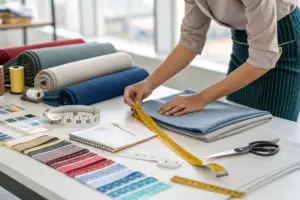
Measurements must match the spec sheet. Check chest width, length, shoulder width, sleeve length, and hem width. Measure at the correct points. Allow a tolerance of plus or minus 1 cm for most measurements. Any pieces outside tolerance are defects. At Fumao Clothing, we check measurements at every stage. We maintain strict tolerances. Learn more at SGS and Intertek.
How to Check Color Consistency in a Clothing Batch?
Color variation can ruin a clothing line. Check the color against the approved sample. Use a light box with standard lighting. Check pieces from different cartons. The color should match within an acceptable range. At Fumao Clothing, we use spectrophotometers for color checking. We maintain the same dye lot for each order. Learn more at Pantone and Oeko-Tex.
Should You Use Third-Party Inspection Services?
Third-party inspection adds cost but adds protection. I recommend it for new clients and large orders. It gives you independent quality verification.
Third-party inspectors like SGS, Bureau Veritas, and Intertek provide independent quality checks. They inspect at your request and send you a detailed report. This is especially important for first-time orders.
Here is a comparison of third-party inspection services.
| Company | Services | Cost Range | Coverage |
|---|---|---|---|
| SGS | Full QC, AQL inspection | $300-$800 per visit | Global |
| Bureau Veritas | Full QC, social audits | $300-$800 per visit | Global |
| Intertek | Full QC, lab testing | $300-$700 per visit | Global |
| QIMA | Full QC, online reports | $250-$600 per visit | China focused |
How to Set Up a QC Plan with Your Clothing Factory?
A QC plan should be agreed before production starts. Specify the AQL level, inspection stages, measurement tolerances, and defect classification. Share the spec sheet. Share the approved sample. The factory QC team and the third-party inspector both use the same standards. At Fumao Clothing, we have a comprehensive QC plan for every order. We share it with clients before production. Learn more at SGS and Bureau Veritas.
How Does Fumao Clothing Ensure Quality?
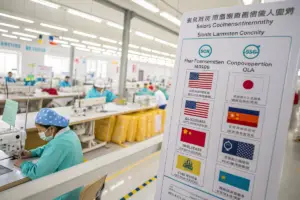
We have a dedicated QC team. We inspect at every stage from fabric to finished goods. We hold BSCI and OEKO-TEX certifications. We welcome SGS or Bureau Veritas inspections. We do not cut corners on quality. Contact Elaine at elaine@fumaoclothing.com to see our QC process.
Conclusion
Quality control protects your brand and your investment. Use AQL standards. Inspect at the right stages. Use third-party services. At Fumao Clothing, quality is our priority. Contact Elaine at elaine@fumaoclothing.com.
#shanghaigarment #fumao #fumaoclothing #qualitycontrol #garmentfactory #clothingmanufacturer #apparelquality #wholesaleclothing #inspection #chinaclothing