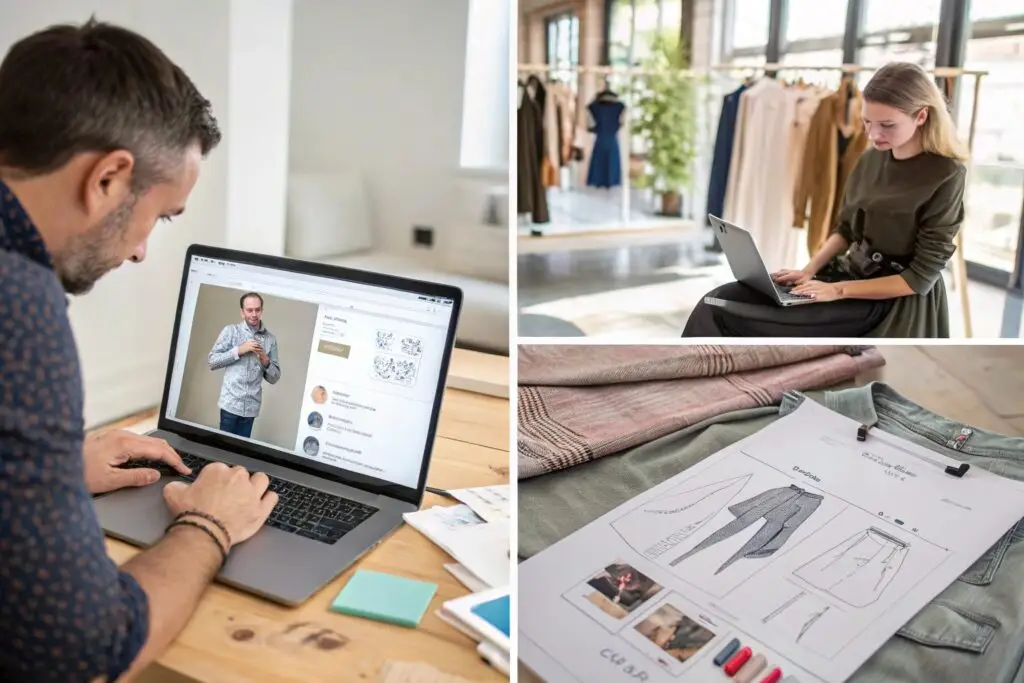
Starting a private label clothing brand allows you to sell custom apparel under your own brand name without managing production. Whether you’re building a luxury brand, streetwear label, or sustainable fashion company, private label manufacturing gives you full control over design, branding, and marketing.
But how do you create your own private label brand, and what are the legal and business aspects involved?
This guide covers how to start your own clothing brand, whether Nike is a private label, the legality of rebranding wholesale apparel, and what private label clothing actually means.
How Do I Make My Own Brand of Clothing?
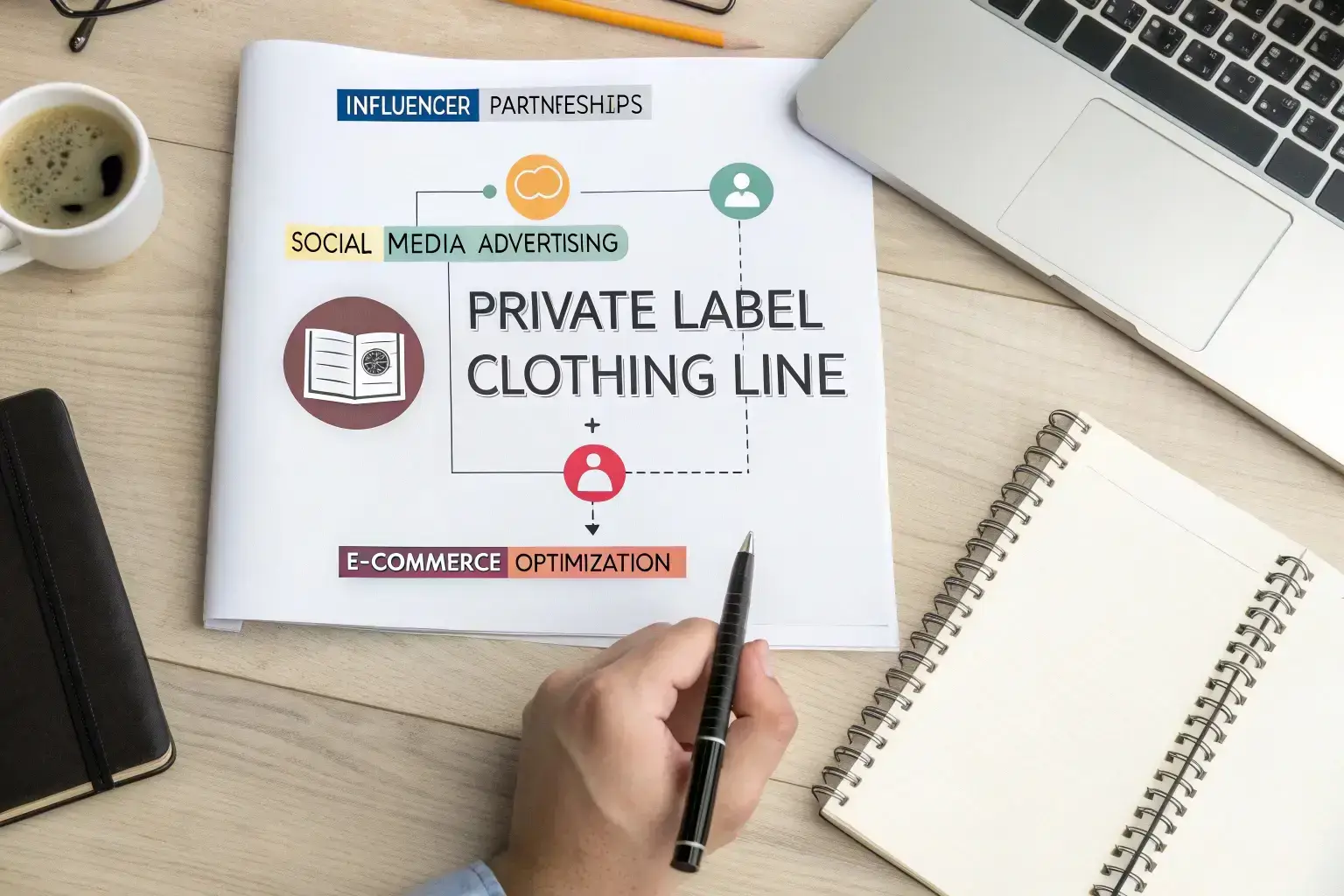
Launching a successful private label clothing brand involves choosing a niche, sourcing a manufacturer, and building a strong brand identity.
Step-by-Step Guide to Creating a Private Label Fashion Brand
| Step | Action | Tools & Resources |
|---|---|---|
| 1. Choose Your Niche | Pick a focus (e.g., streetwear, activewear, luxury fashion). | Market research tools, fashion trends. |
| 2. Develop Your Brand Identity | Create a logo, brand message, and unique value proposition1. | Canva, Adobe Illustrator. |
| 3. Find a Manufacturer | Select a private label clothing supplier2. | ThomasNet, Maker’s Row, Sewport. |
| 4. Customize Your Products | Add logos, labels, colors, and fabric options. | Fashion designers, CLO 3D. |
| 5. Order Samples | Test product quality before full production. | Factory samples, sourcing agents. |
| 6. Set Up an E-Commerce Store | Sell through Shopify, Amazon, or direct-to-consumer platforms. | Shopify, WooCommerce, Etsy. |
| 7. Market & Scale | Use social media, influencers, and paid ads3. | Instagram, TikTok, Facebook Ads. |
Tips for a Successful Clothing Brand Launch
✅ Start with a small collection – Test demand before scaling.
✅ Focus on branding & packaging – Unique labels, custom tags, and premium packaging add value.
✅ Use influencer marketing – Collaborate with niche influencers to drive sales.
💡 A strong niche, high-quality products, and strategic marketing are key to private label success.
Is Nike a Private Label?
No, Nike is not a private label brand. It is a fully integrated sportswear company that designs, manufactures, and sells its own products.
How Nike Differs from Private Label Clothing
| Feature | Nike | Private Label Brands |
|---|---|---|
| Manufacturing | Owns factories and outsourced partners. | Uses third-party manufacturers. |
| Branding | Exclusive Nike designs and logos. | Custom branding for individual retailers. |
| Retail Model | Sells only under the Nike name. | Can be sold under multiple brand names. |
Why Private Label Competes with Nike
✅ Lower Costs – Private label brands can offer affordable alternatives to major sports brands4.
✅ More Flexibility – Private labels can sell on multiple platforms5 (Amazon, Shopify, boutiques).
✅ Branding Control – Private labels fully control their marketing and customer engagement6.
💡 Unlike Nike, private label brands use third-party manufacturers while maintaining brand exclusivity.
Is It Legal to Put Your Own Label on Clothing?
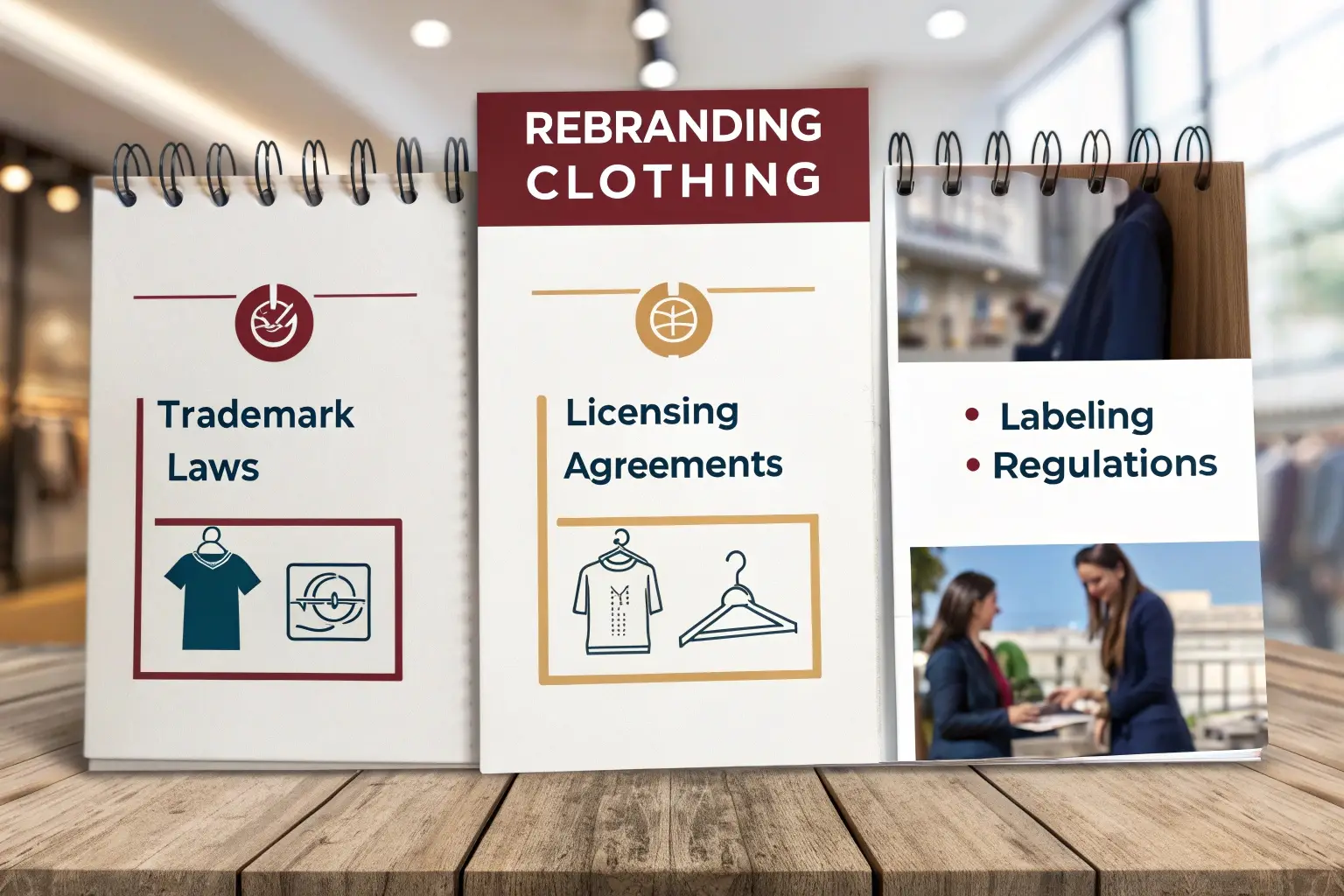
Yes, it is legal to put your own label on clothing, but there are important legal considerations to follow.
Legal Rules for Rebranding Clothing
| Legal Requirement | Description |
|---|---|
| Manufacturer Permission | You must have an agreement allowing relabeling of factory-made clothing7. |
| Trademark Compliance | Avoid using copyrighted logos or designs8 from other brands. |
| Country of Origin Labeling | Some regions require disclosing where the clothing was made9. |
| Consumer Protection Laws | Clothing must meet safety and quality standards (e.g., flammability regulations). |
Risks of Mislabeling Clothing
🚫 Selling counterfeit or falsely branded items can result in legal penalties.
🚫 Failing to disclose country of origin may lead to customs violations.
🚫 Rebranding without manufacturer consent can breach supplier agreements.
💡 To legally private label clothing, work with authorized manufacturers and comply with labeling laws.
What Is Private Label Clothing?
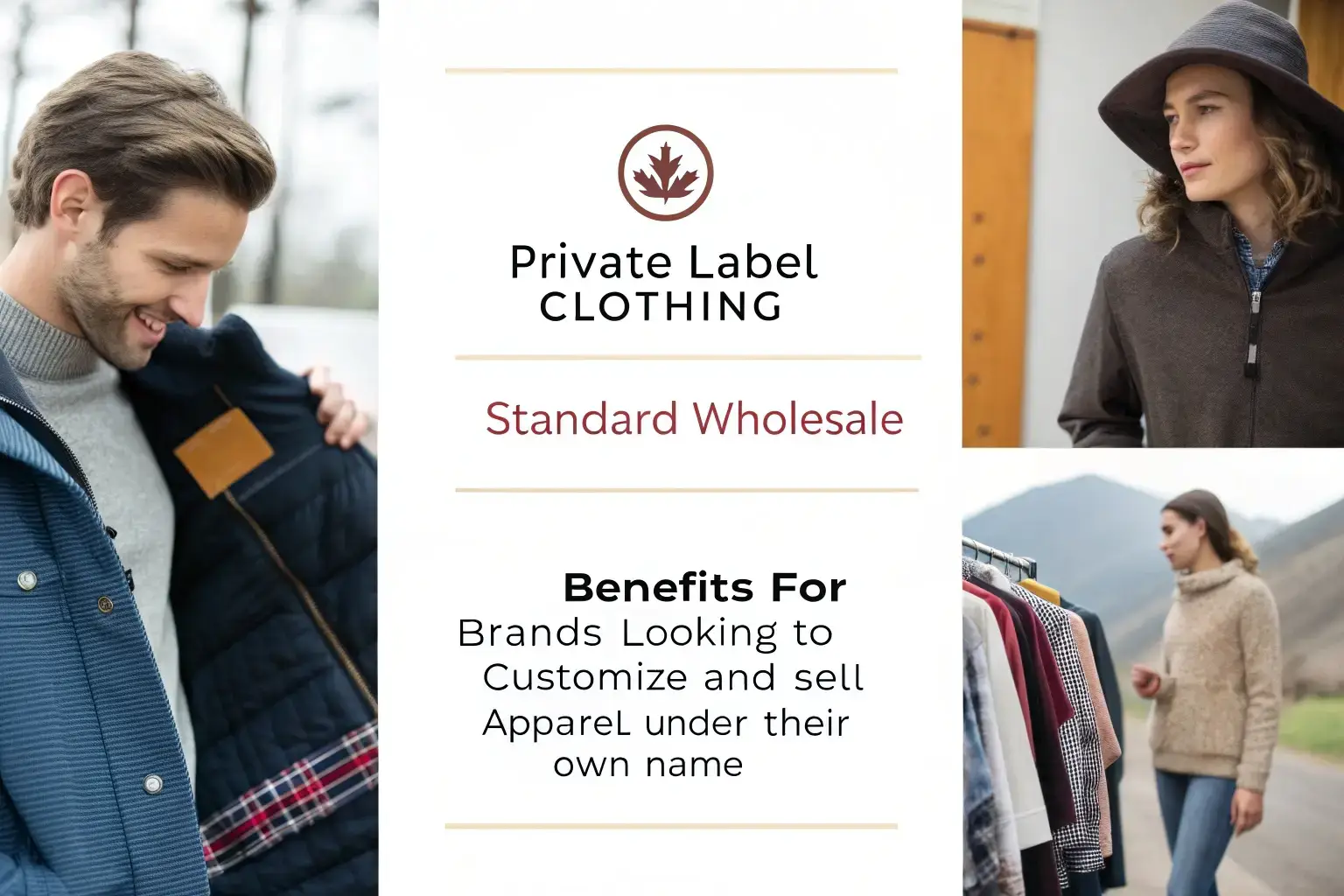
Private label clothing refers to garments manufactured by third-party factories but sold under a retailer’s or brand’s name.
How Private Label Clothing Works
| Step | Description |
|---|---|
| 1. Choose a Supplier | Find a manufacturer that offers private labeling10. |
| 2. Select Products | Pick blank apparel like T-shirts, hoodies, or activewear11. |
| 3. Customize Branding | Add logos, labels, embroidery, and packaging. |
| 4. Order in Bulk | Most suppliers require MOQs of 50–500 pieces12. |
| 5. Sell Under Your Brand | Market and sell products through your website, Amazon, or boutiques. |
Private Label vs. White Label Clothing
| Feature | Private Label | White Label |
|---|---|---|
| Branding | Unique to the retailer | Generic products rebranded |
| Customization | High (fabric, fit, logo, colors) | Minimal (logo and packaging only) |
| Exclusivity | Designed specifically for one brand | Sold to multiple businesses |
| MOQ (Minimum Order Quantity) | Higher (100–500 pieces) | Lower (10–50 pieces) |
| Best For | Long-term brand development | Quick-start e-commerce stores |
Benefits of Private Label Clothing
✅ Full Brand Control – Customize styles, fabrics, and packaging.
✅ Higher Profit Margins – Branded clothing sells at premium prices.
✅ Scalability – Easily expand your product line.
💡 Private label fashion allows businesses to launch unique brands without handling production.
Conclusion
Starting a private label clothing brand allows you to create and sell custom apparel without managing manufacturing. Unlike brands like Nike, which control their production, private label brands partner with manufacturers to create unique designs. However, relabeling wholesale clothing must be done legally and ethically.
Key Takeaways
✅ Creating a private label brand requires finding a manufacturer, branding your apparel, and marketing effectively.
✅ Nike is not private label—it fully controls its production and branding.
✅ It is legal to relabel clothing, but you must comply with trademark and labeling laws.
✅ Private label clothing allows full customization, while white label is more generic.
💡 By choosing the right manufacturer and following best practices, you can launch a profitable private label clothing brand!
-
This resource will guide you in developing a compelling brand identity that stands out in the fashion industry. ↩
-
Exploring this link will help you find reliable suppliers to kickstart your fashion brand. ↩
-
Discover proven strategies to effectively market your clothing brand and reach your target audience. ↩
-
Discover a range of budget-friendly options that provide quality and style similar to top sports brands. ↩
-
Learn about the strategies private label brands use to maximize their reach and sales across various online platforms. ↩
-
Explore how private label brands manage their branding and customer relationships effectively for better market presence. ↩
-
Understanding the legal requirements for relabeling can help you avoid costly mistakes and ensure compliance with regulations. ↩
-
Learn how to navigate copyright laws to protect your brand and avoid legal issues when rebranding clothing. ↩
-
Discover the importance of country of origin labeling and how it affects your business practices and compliance. ↩
-
Understanding private labeling can help you navigate the clothing industry and build your brand effectively. ↩
-
Exploring blank apparel options can inspire your product selection and branding strategies. ↩
-
Knowing the MOQs helps you plan your inventory and budget for starting a private label clothing line. ↩