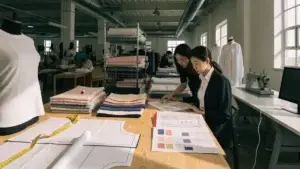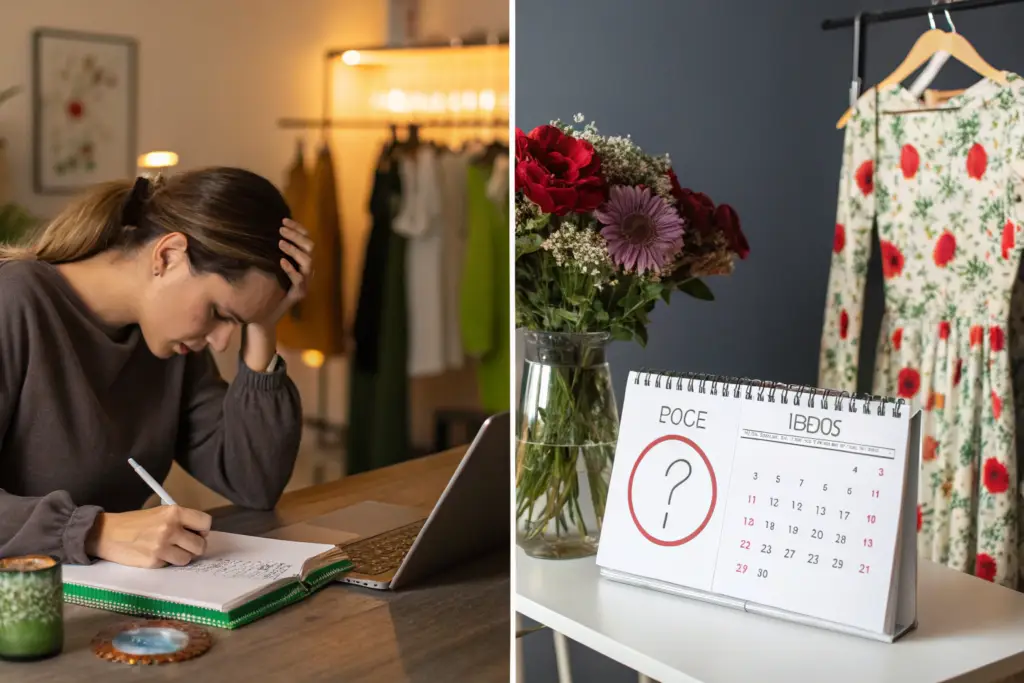
You found the perfect floral dress. The sample was beautiful. The fabric was vibrant. The price was right. You placed a 2,000-unit order with a May delivery date. June arrives. The dresses are not here. July is approaching. Your boutique customers are asking where their summer stock is. The selling season is slipping away. You email the factory. They tell you the fabric printer had a delay. Then the sewing line was overloaded. Then there was a holiday. The excuses pile up. The dresses arrive in August. Summer is over. You are stuck with inventory you have to discount by 40% just to clear warehouse space. This is not a rare story. It is the most common tragedy in the apparel sourcing world. I hear it from new clients almost every month.
You avoid delayed shipments on floral dresses by locking in three things before you place the order. First, confirm the fabric printing lead time with the mill directly, not just the garment factory. Second, agree on a production schedule with specific milestone dates, not a single ship date. Third, choose a shipping method, preferably DDP, that keeps the factory responsible for the goods until they reach your door.
At Shanghai Fumao, we manufacture floral dresses alongside our denim and woven product lines. I have seen where the delays hide. They hide in the fabric printing stage. They hide in the pattern approval loop. They hide in the customs documentation. I want to show you the entire timeline of a floral dress order, where each bottleneck lives, and exactly how to design your sourcing process so you receive your dresses when you need them, not a month after your customers have moved on.
What Are the Hidden Causes of Delays in Floral Dress Production?
Everyone talks about shipping delays. The container stuck at the port. The vessel waiting at anchor. These are visible. You can track them. The real delays, the ones that kill your season, happen long before the container reaches the port. They happen in the fabric mill. They happen in the sampling room. They happen when the factory does not tell you the truth about their current workload until it is too late.
Floral dresses have a unique vulnerability that denim shorts or solid-color garments do not have. The fabric is the bottleneck. A solid fabric can be dyed in a day. A floral print requires a separate, specialized process. The white base fabric must be woven. Then it must be prepared for printing. Then the print design must be color-separated. Then the screens or digital files must be made. Then the fabric is printed. Then it is steamed, washed, and finished. Each step is a potential delay point. A factory that does not control the printing process, or does not communicate honestly about its timeline, is a factory that will miss your ship date.
Let me map out the three most common hidden delay triggers and how you can spot them before they trap your order.
Why Is Fabric Printing Lead Time the Biggest Hidden Bottleneck?
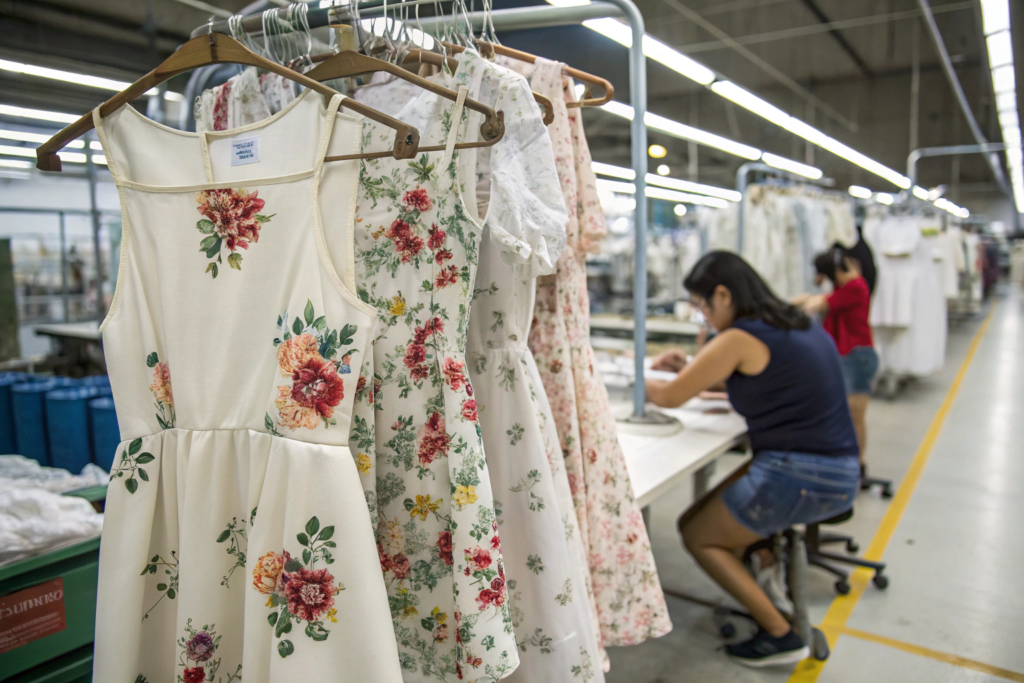
Printing is not instant. A rotary screen printing mill needs time to engrave the screens for your specific floral design. Each color in your print requires a separate screen. A six-color floral design means six screens. The engraving process can take 7 to 10 days. After the screens are ready, the mill schedules the print run. Your 2,000 meters of fabric is a small order for a large mill. They will prioritize the 50,000-meter order from a big brand. Your order waits in the queue.
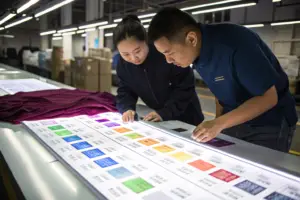
Digital printing is faster for small runs. No screens are needed. The design file goes directly to the printer. But digital printing has its own limitations. The ink cost is higher. The color fastness can be lower on certain polyester fabrics. And not all mills have high-speed digital printers. Many still rely on older, slower machines. The key point is that the garment factory does not control the print schedule. The mill does. If the garment factory tells you "fabric takes two weeks," ask them to break that down. How many days for screen engraving? How many days in the print queue? How many days for finishing? If they cannot answer, they are not managing the mill. They are hoping. The textile printing lead time factors are well-documented in the custom fabric industry. A smart buyer asks for the mill's production schedule, not just the garment factory's promise.
How Does the Sample Approval Process Create Silent Delays?
You receive the first sample. The fit is slightly off. You send feedback. The factory makes a second sample. The fabric is not quite the right shade. You send another comment. The factory makes a third sample. Two months have passed. You have not even placed the bulk order yet. The production window is shrinking.
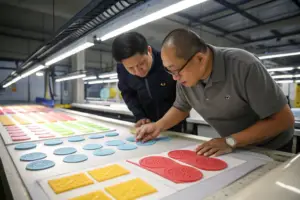
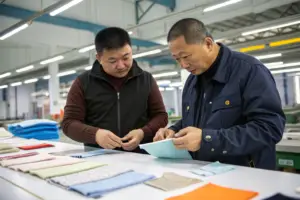
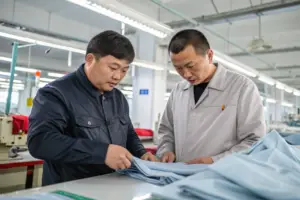
Sample approval is a negotiation between your vision and the factory's execution. Every round of comments adds time. The time is not just the sewing of the sample. It is the shipping of the sample to you. International courier takes 3 to 5 days each way. Two rounds of samples mean two weeks lost just in transit. The solution is not to skip sampling. The solution is to provide a complete, accurate tech pack from the start. Include a reference physical sample if you have one. Specify the print placement precisely. A floral print that looks beautiful on a swatch can look completely wrong when placed on a dress because the flower motif hits the seam in an unflattering way. We ask clients to send a print placement diagram. Where does the largest flower motif sit on the body? Does the print mirror at the side seam or run continuously? These decisions prevent a round of sampling. A clear apparel tech pack guide saves weeks in the pre-production phase. The factory that asks you detailed questions about print placement before making the first sample is the factory that values your timeline.
How Should You Structure the Production Schedule for On-Time Delivery?
A single ship date is a wish. A production schedule with milestone dates is a plan. When you ask a factory "When can you ship?" and they reply "June 15th," you have no visibility into whether that date is realistic. You are trusting a single sentence. If June 15th arrives and the goods are not ready, you have no warning. You are blindsided.
A proper production schedule breaks the order into discrete milestones. Fabric ordered. Fabric received. Cutting started. Sewing started. Washing completed. Packing completed. Shipment booked. Each milestone has a date. Each date is tracked. If the fabric receipt milestone is missed by five days, you know immediately that the ship date will likely slip by five days. You can adjust your marketing launch or your retail buyer communication. The delay is still painful, but it is not a surprise. Surprises are what destroy trust. Visibility allows you to manage expectations.
Here is the specific milestone structure we use for floral dress orders and how it protects your timeline.
What Milestone Dates Should Your Production Contract Include?
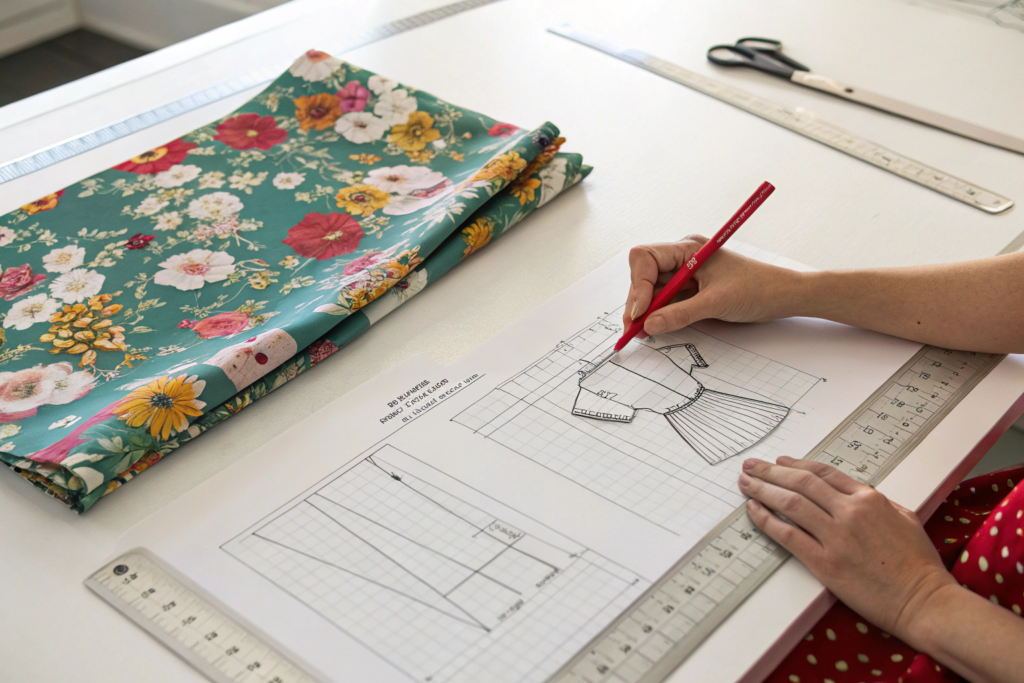
A purchase order or contract should specify at minimum six milestone dates. First, the fabric order date. This is the date the factory places the order with the print mill. Second, the fabric in-house date. This is the date the printed fabric arrives at the garment factory and passes incoming inspection. Third, the cutting completion date. Fourth, the sewing completion date. Fifth, the finishing and packing completion date. Sixth, the vessel departure date or the handover date to the forwarder.
Each milestone has a planned date and a tolerance. The tolerance is usually plus or minus two working days for internal milestones. If a milestone is missed by more than the tolerance, the factory must notify you within 24 hours and present a recovery plan. The recovery plan explains how they will catch up. Overtime shifts. Additional sewing lines. Air freight instead of sea freight at their cost. This is the discipline of production milestone tracking. A factory that resists putting milestone dates in the contract is a factory that does not trust its own ability to meet them. I put milestone dates in every contract. It forces my production team to be honest with themselves about what is achievable. It also gives you, the buyer, the data you need to hold us accountable.
Email updates are passive. You send an email asking for a status update. The factory replies two days later. The information is already old. A shared digital calendar is active. It shows the current status of each milestone in real-time.
We use a production tracking board for every client order. The board is a Trello-style kanban with columns for each production stage. As the order moves through the factory, the floor supervisor scans a barcode at the completion of each stage. The card automatically moves to the next column. You have the link. You can check the status of your order at any time, from any device. You do not need to email anyone. You see that the fabric is in-house. You see that cutting is 50% complete. You see that sewing started. This transparency has eliminated 90% of the "where is my order" emails we used to receive. The digital production tracking concept transforms the buyer-factory relationship from adversarial check-ins to collaborative visibility. If a delay occurs, you see it on the board the same day we do. You can ask a specific question. "I see sewing stopped at 80% for two days. Is there a quality issue?" That is a much better conversation than "Where are my dresses?" three days before the ship date.
How Can You Verify That a Factory Can Actually Meet Its Deadlines?
A factory can promise anything. The factory that promises the shortest lead time often wins the order. Then it misses the deadline. The factory that gave you a slightly longer but more honest lead time loses the order but would have delivered on time. This is the sourcing dilemma. You are trying to choose a partner based on promises, and the most honest partner can sound the least attractive.
The solution is to verify capacity before you place the order. Do not ask "What is your lead time?" Ask "Show me your current production load." Ask "Can I see a photo of your cutting table with today's date?" Ask "How many floral dress orders have you shipped to the U.S. in the last six months?" These questions cannot be answered convincingly by a trading company with no factory floor. They can be answered instantly by a real manufacturer with an organized production office.
Here are the two verification methods that separate factories with real delivery capability from those with a good sales script.
What Does a Factory's Current Production Load Tell You About Your Timeline?
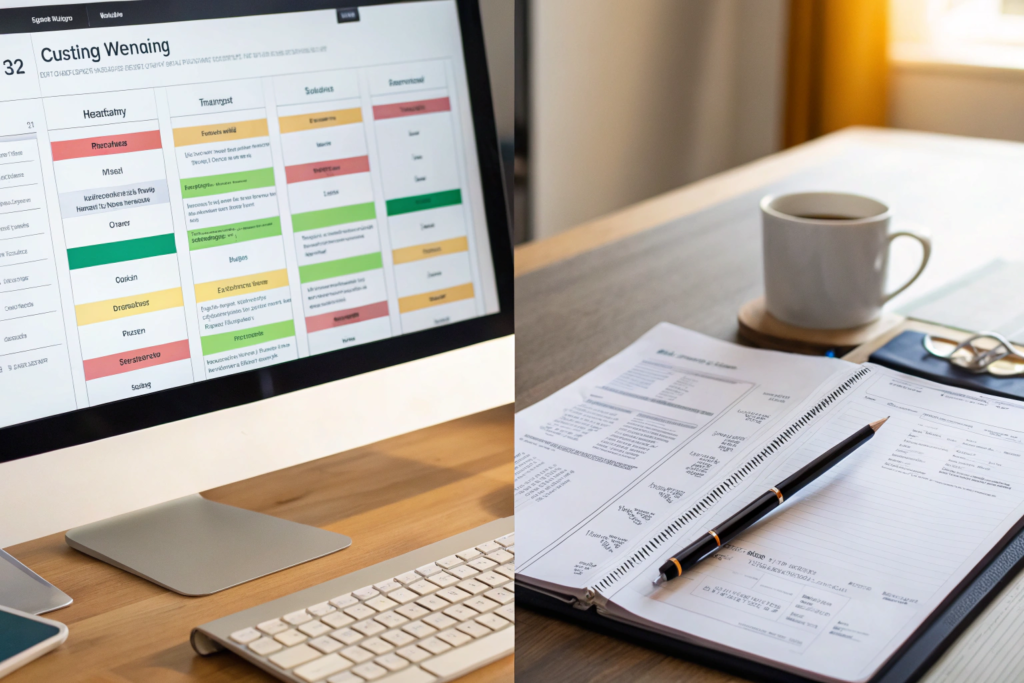
Every factory has a finite number of sewing lines and a finite number of hours per day. If they are running at 100% capacity and your order is supposed to ship in four weeks, mathematically, your order will not fit unless they bump another client. Ask the factory to show you their production schedule board. Not a cleaned-up version. The real board.
When you are on a video call, ask the factory contact to walk over to the production office and show you the whiteboard or the digital screen. Look at the number of orders listed. Look at the dates. Is the board full for the next six weeks? If yes, and they are promising you a four-week lead time, ask which order they are delaying to make room for yours. The question will make them uncomfortable. That is the point. A factory that is honest about its capacity will say "Our line three opens up on March 10th. We can start your cutting then. That puts your ship date around April 5th." This is a specific, verifiable commitment. The production capacity planning math is simple. A line can sew a certain number of dresses per day. If the line is fully booked until a certain date, your order cannot start before that date. A factory that refuses to show you the schedule board is hiding their overload.
Can a Video Tour of the Cutting and Sewing Floor Verify Readiness?
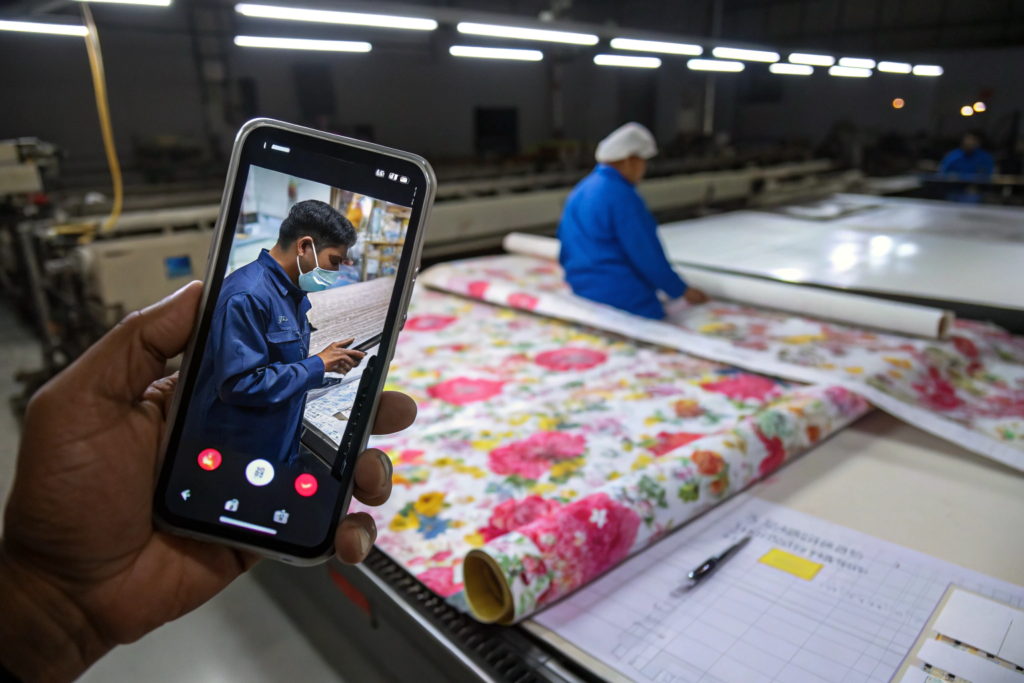
A live video tour is the next best thing to an in-person audit. It cannot be easily faked if you lead the tour with specific requests. Do not let the salesperson guide you through a pre-planned route. Ask to see specific things.
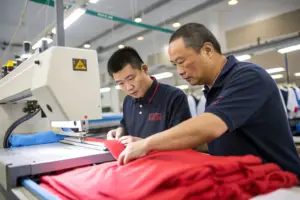
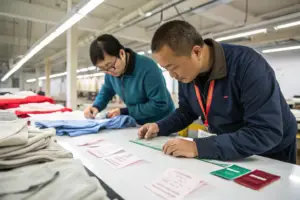
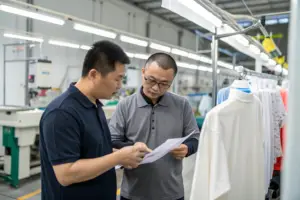
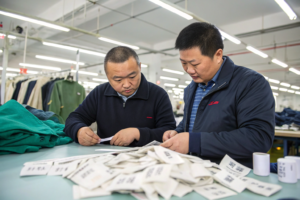
Ask to see the fabric storage area. Are there rolls of printed floral fabric on the shelves? If the factory genuinely handles floral dress orders, there should be floral prints visible in the warehouse. Ask to walk to the cutting table. Is there fabric spread on the table? Are there workers actively cutting? A busy cutting table at 10:00 AM on a Tuesday is a sign of a factory with real production activity. Ask to see a finished garment with a bundle ticket attached. The bundle ticket shows the style number, the quantity, and the date. Ask the contact to zoom in on the date. If the dates are recent, the factory is actively producing. If the floor is quiet, the machines are empty, and the cutting table is bare, the factory is slow. A slow factory might promise you a fast lead time because they have no other work. But why do they have no other work? Probably because they have a history of quality or delivery problems that drove other clients away. The factory audit checklist concept applies here. Use your eyes. Trust what you see, not what you are told.
What Role Does Shipping and Logistics Play in Guaranteeing Delivery Dates?
Production is complete. The dresses are packed into cartons. They sit on the loading dock. The production team celebrates. They met their milestone. Then the freight forwarder calls. The vessel is delayed by four days. Or the truck to the port does not show up. Or the customs paperwork has an error. The shipping phase is the last mile of the marathon. It is where many factories mentally check out because they view shipping as the buyer's problem under FOB terms.
This is exactly why we recommend and primarily operate on DDP terms for floral dress shipments. Under DDP, shipping is still our problem. The goods are not delivered until they are at your warehouse. This alignment of responsibility keeps our logistics team engaged and diligent through the entire process. We do not celebrate the completion of packing. We celebrate the delivery confirmation from your warehouse manager. The difference in mindset is everything.
Here is how the shipping phase can be de-risked through smart term selection and proactive documentation.
Why Does DDP Shipping Protect Your Seasonal Timeline Better Than FOB?
Seasonal products like floral dresses are unforgiving of delays. A two-week delay at the port means two weeks of missed sales at full price. Under FOB terms, you own the goods once they are on the vessel. The two-week port delay is your financial loss. You pay for the storage. You lose the sales. The factory has already been paid. They have no financial incentive to help.
Under DDP terms, the factory owns the goods until delivery. The two-week port delay is our financial loss. We pay the demurrage. We absorb the cost. More importantly, we work aggressively to prevent the delay. We choose carriers with higher schedule reliability scores. We route through ports with lower congestion. We pre-clear customs to avoid documentation holds. We book trucking appointments in advance. These are actions a factory takes when they have skin in the logistics game. The DDP vs FOB comparison is stark. FOB transfers risk at the factory door. DDP transfers risk at your warehouse door. For seasonal fashion, where time is literally money, DDP is the only term that makes the factory your partner in on-time delivery rather than your opponent in a blame game.
How Does Pre-Clearance of U.S. Customs Speed Up Final Delivery?
Customs clearance can take one day. It can take two weeks. The difference depends on whether the paperwork is perfect and whether the entry is filed before the vessel arrives. A common mistake is to file the entry summary only after the vessel docks. This adds 3 to 5 days of processing time while the container sits in the terminal.
We file the CBP entry summary three days before the vessel's estimated arrival. This is called pre-clearance. By the time the container is discharged, Customs has already reviewed and conditionally released the shipment. The container can move directly to the truck without sitting in a customs exam lane, unless it is flagged for a random inspection. Even for inspections, pre-clearance reduces the waiting time because the paperwork review is already done. The CBP customs clearance process is well-documented. A factory that has a U.S. customs broker on retainer and files pre-clearance as standard practice is a factory that understands logistics is not an afterthought. It is part of the production timeline. We include the pre-clearance step in our milestone schedule. You see the date the entry was filed. You see the release confirmation. You know the container is clear before it even touches American soil.
Conclusion
Delayed shipments on floral dresses are not acts of God. They are the predictable consequences of a sourcing process that lacks visibility into the three critical phases. The fabric printing phase. The production milestone phase. The logistics handover phase. You prevent delays by demanding a fabric lead time breakdown that separates screen engraving, print queue, and finishing. You prevent delays by insisting on a production contract with six milestone dates, each with a tolerance and a recovery plan, tracked on a shared digital board you can check anytime. You prevent delays by verifying the factory's current production load through a live video tour of the cutting table and the scheduling whiteboard, before you send a deposit. And you prevent delays by choosing DDP shipping terms that keep the factory financially responsible for the dresses until they are in your warehouse, with pre-clearance filing that speeds the container through U.S. Customs.
I have been on the factory side of delayed shipments. I know the sick feeling of telling a client their summer dresses will arrive in the fall. I decided years ago that I never wanted to make that call again. That decision led to the milestone tracking system, the digital production boards, the greige fabric stocking, and the DDP shipping model we use today. The system is not perfect. Supply chains are complex. But it catches 95% of potential delays before they become client problems.
If you are sourcing floral dresses and you want a factory that treats your ship date with the same seriousness you do, reach out to our Business Director, Elaine. She can show you a sample production milestone schedule, a live view of our current production board, and a DDP shipping timeline with pre-clearance milestones included. Email her at elaine@fumaoclothing.com. Let Shanghai Fumao be the factory that delivers your floral dresses when your customers are actually looking to buy them.