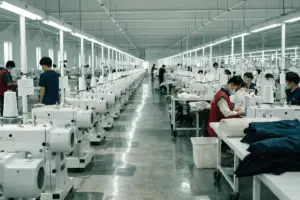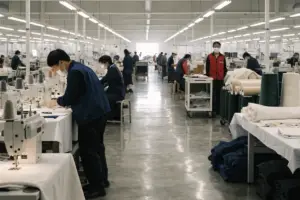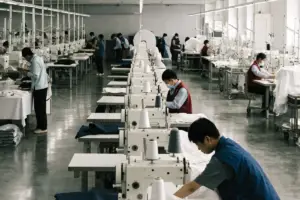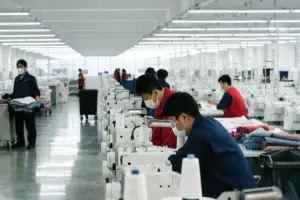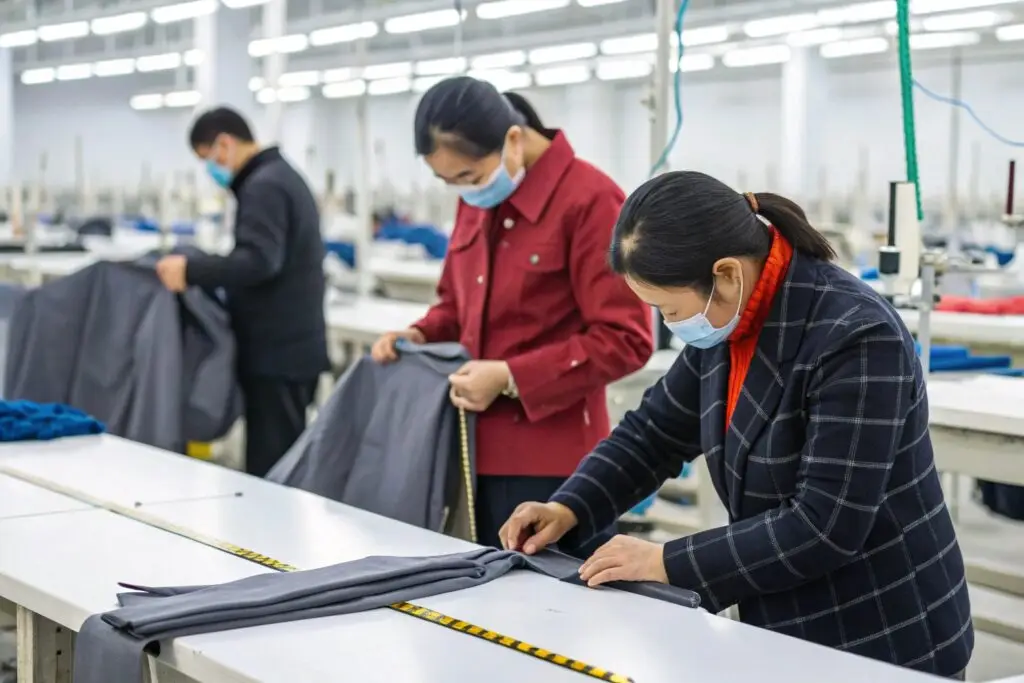
High return rates are killing profits. And most brands blame the customer. But what if the real problem started back at the factory?
The right apparel factory can lower online return rates by improving fit consistency, fabric quality, QC processes, and packaging precision—long before a product reaches the shopper.
Returns aren’t just a retail problem. They’re a manufacturing opportunity. And brands that work closely with the right production partners win in both customer trust and profit.
How to reduce ecommerce return rate?
Most online returns happen for predictable reasons—wrong size, unexpected fabric, poor construction. All of them can be fixed upstream in production.
To reduce ecommerce return rates, brands must focus on better fit, accurate product descriptions, strict quality control, and transparent customer expectations—starting with the factory.
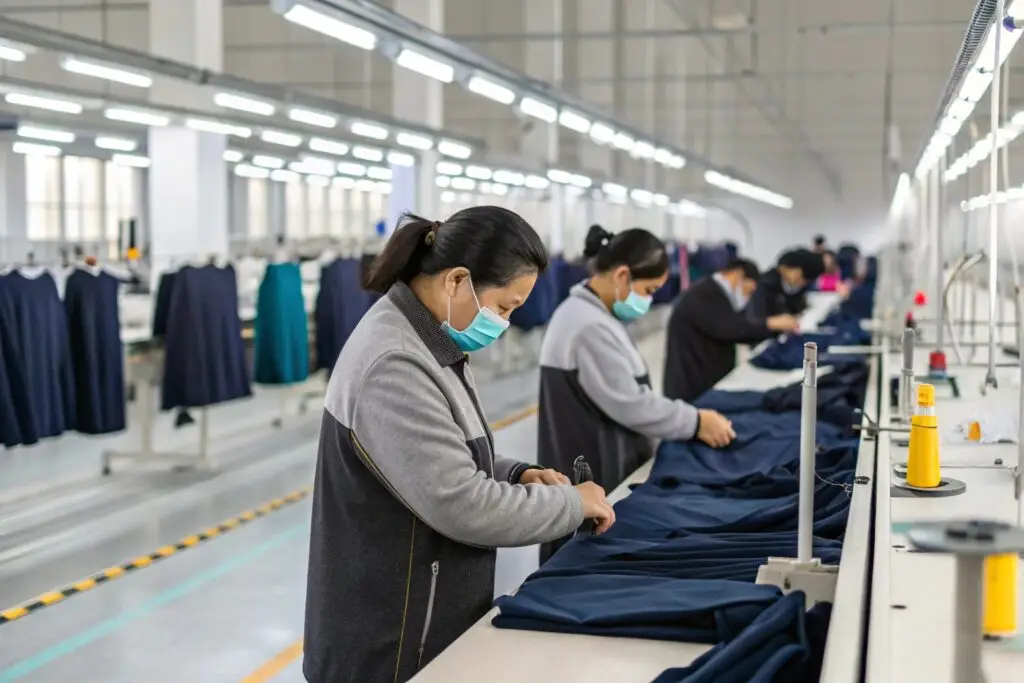
What part does manufacturing play in lowering returns?
It’s bigger than most brands realize. If your factory uses inaccurate patterns, cuts corners on stitching, or mislabels sizing, your customer ends up frustrated—and clicks “return.”
| Return Reason | Factory-Level Fix |
|---|---|
| Wrong fit | Consistent sizing, tested fit blocks |
| Poor stitching | Skilled labor, tighter QC checkpoints |
| Color mismatch | Accurate dyeing and sample references |
| Fabric surprise | Honest fiber composition + testing |
At Fumao, we run size confirmation samples for every first-time order and offer custom labeling, so customers receive exactly what’s expected.
What else can brands do post-production?
Add clear size guides, video try-ons, and return-resistant features like QR-linked garment care. But all these efforts fall flat if the factory didn’t get the product right the first time.
What is the return rate for online products?
Online shopping is convenient—but returns are the price we pay for not trying things on. And for apparel, that price is steep.
The average return rate for online products ranges from 20% to 30%, but fashion and footwear can exceed 40% depending on fit accuracy and quality perception.

Why is apparel return rate1 so high?
Because fit and fabric are sensory. What looks perfect on screen can feel wrong in real life. And shoppers often order multiple sizes “just in case.”
| Product Category | Average Online Return Rate |
|---|---|
| Apparel (fashion) | 30–40% |
| Footwear | 35–45% |
| Electronics | 10–15% |
| Beauty | <5% (limited return eligibility) |
Returns create cost: shipping, restocking, repackaging, and often refunding. The solution isn’t free returns—it’s fewer reasons to return.
Can factories help reduce size-based returns2?
Absolutely. A factory with in-house pattern engineers, fabric shrinkage testing, and pre-wash sampling can eliminate up to 70% of size-related errors. Brands must stop treating factories as vendors—and start treating them as fit partners3.
What is the return rate in manufacturing?
In manufacturing terms, “return rate” often refers to defects or issues reported by clients—not consumers. But the principle is the same: poor output leads to costly reversals.
Manufacturing return rates vary by category, but in apparel, anything above 2–3% due to quality or size mismatch is considered high and signals factory process issues.
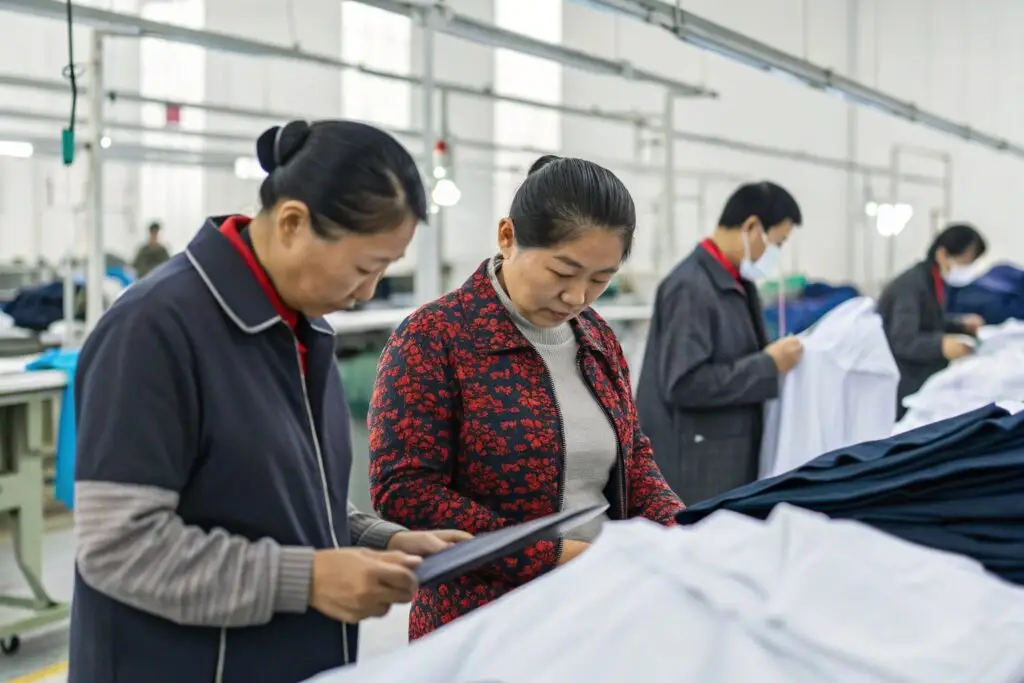
What causes manufacturing returns?
At Fumao, we’ve seen several key causes when working with clients new to us:
| Manufacturing Issue4 | Return Triggered By Buyer |
|---|---|
| Size spec deviation5 | Garments don’t match PO measurements |
| Stitching defects6 | Holes, loose threads, seam gaps |
| Color or fabric mismatch | Doesn’t match sample or tech pack |
| Trim/labeling errors | Wrong logo placement or material |
By integrating inline inspections and pre-shipment audits, we’ve helped clients reduce product returns from 5% to under 1% within three orders.
Why is reducing this return rate critical?
Because once a defective item leaves the factory, the damage multiplies—cost of refund, shipping, disposal, and reputational hit. Preventing errors at the source is always cheaper.
How can online retailers address the high return rates in specific categories?
Some categories are always risky—jeans, bras, dresses—because they rely on precision fit and complex construction. But the right systems can turn risk into reliability.
To lower return rates in sensitive product categories, retailers must combine customer data, predictive sizing, product feedback, and factory collaboration on precision fit and material consistency.

Which categories have the highest risk—and how to fix them?
| Category | Common Return Reasons | Fix Strategy |
|---|---|---|
| Denim | Fit inconsistency, shrinkage | Standardized block fits, pre-wash, stretch % |
| Intimates | Size confusion, discomfort | AI sizing tools7, soft elastic testing |
| Dresses | Wrong body fit, poor lining | Size-inclusive patterns, better interfacing |
| Jackets/Coats | Heaviness, poor mobility | True-to-weight samples, shoulder grading |
At Fumao, we co-develop fit blocks for clients across categories. One lingerie brand saw return rates drop by 38% after six months of consistent fit sampling.
How can data improve factory output?
Retailers should feed return data8 back to factories. If size L is returned 3x more than other sizes, the pattern may need adjustment. Factories can’t fix what they don’t see. Data sharing = better results.
Conclusion
Your factory shapes more than your product—it shapes your return rate. Partner with factories that care about fit, quality, and detail, and you won’t just make clothes—you’ll make profits that stay.
-
Understanding the reasons behind high return rates can help brands improve their strategies and reduce costs. ↩
-
Exploring effective strategies can help brands minimize returns and enhance customer satisfaction. ↩
-
Learning about the fit partner concept can lead to better collaboration and improved product quality. ↩
-
Understanding common manufacturing issues can help businesses implement better quality control measures and reduce returns. ↩
-
Exploring the impact of size spec deviations can guide manufacturers in improving sizing accuracy and customer satisfaction. ↩
-
Learning about stitching defects can help manufacturers enhance their quality assurance processes and minimize returns. ↩
-
AI sizing tools can revolutionize the fashion industry by providing accurate sizing, leading to fewer returns and happier customers. ↩
-
Leveraging return data can optimize production processes, reduce waste, and enhance overall efficiency in retail operations. ↩