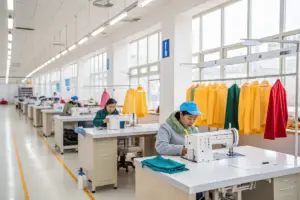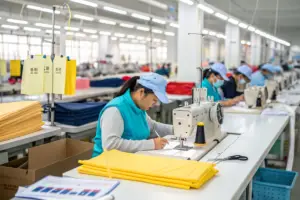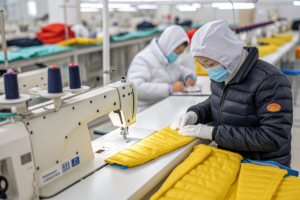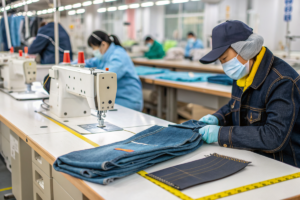
Large seasonal collections used to rule the industry. Now, fast, limited, and targeted drops are rewriting the rules for how clothes are made—and when.
Smaller drops are changing apparel manufacturing by shifting focus from mass production to agile, responsive, and customer-led models that lower inventory risk and boost brand engagement.
I remember when one of our clients stopped placing 10,000-unit orders. Instead, they asked for 300 pieces—fast. At first, it felt risky. But the result? Faster sellouts, fewer markdowns, and a stronger customer base.
What does new drop mean in fashion?
Fashion drops aren’t new, but they’ve evolved. What used to be tied to seasons is now tied to social media, demand, and hype.
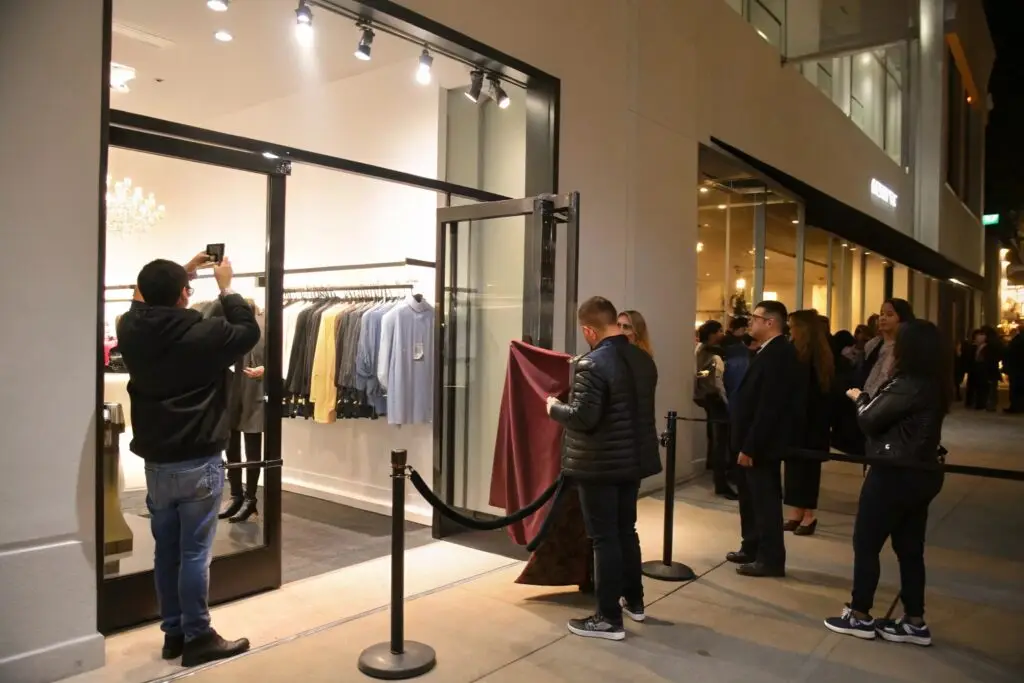
A “new drop” in fashion means the release of a limited collection of clothing or accessories, often unannounced or teased shortly before launch, designed to create urgency and exclusivity.
Why do fashion brands increasingly rely on small drops1 instead of full seasonal collections?
Today’s customers:
- Want newness often
- Follow fast-moving online trends
- Lose interest in long waits
Small drops help brands:
- Stay fresh and visible
- Reduce unsold inventory
- Create hype with scarcity
We now work with several brands that do monthly or bi-weekly drops. Their customers come back—not just for the products, but for the thrill of limited releases2.
How do small drops support a faster design-to-market cycle3 for fashion businesses?
Here’s what smaller drops allow:
| Step | Traditional Model | Drop-Based Model |
|---|---|---|
| Design | 3–6 months in advance | 2–4 weeks |
| Production | Mass scale | Micro-batches |
| Marketing | Seasonal catalogs | Teasers, lives, countdowns |
| Sales | Broad channels | DTC-first, social-driven |
By skipping long planning cycles, brands using drops can move from idea to customer in less than 30 days.
How big is the clothing and apparel market?
Even as drops get smaller, the overall fashion economy keeps growing—powered by digital, global demand, and new business models.
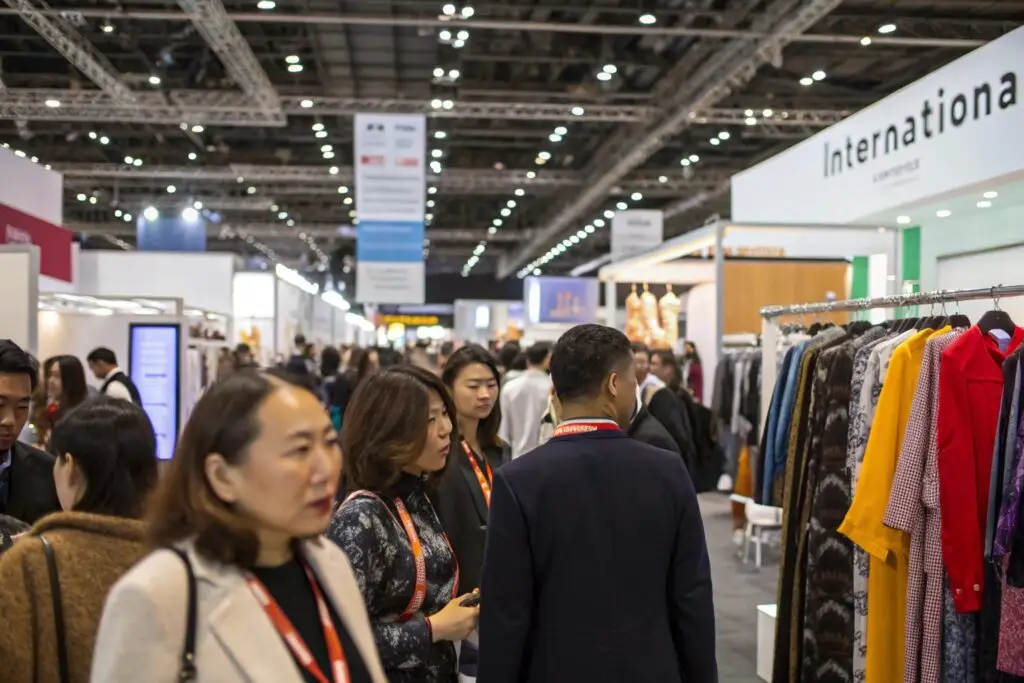
The global clothing and apparel market is valued at over $1.7 trillion in 2024 and projected to reach $2.1 trillion by 2028, with growth fueled by fast fashion, e-commerce, and emerging niche brands.
Why is the market growing even though more brands are shifting to smaller drops and lower inventory?
Smaller drops don’t mean fewer clothes. They mean smarter production.
- Brands launch more frequently
- Consumers shop more often
- Technology enables faster restocks
The rise of DTC (direct-to-consumer) models4 and online shopping gives small brands global reach. Even a brand with 500-piece drops can sell in 50 countries.
How are drop-based strategies5 helping smaller brands compete in a trillion-dollar market?
Here’s what drop models offer to small players:
- Speed: They can beat bigger brands to trend
- Flexibility: They test, learn, and repeat
- Focus: Drops let them target micro-communities
For example, one of our startup clients only does 150-piece runs for specific sports influencers. Every drop sells out. Their market share may be small—but it’s highly profitable.
What are drops in fashion?
The drop model is inspired by streetwear. But today, even luxury and sustainable brands are using it to manage demand and hype.
Drops in fashion are short-term, limited-edition releases of clothing or accessories designed to generate urgency, exclusivity, and rapid sales.
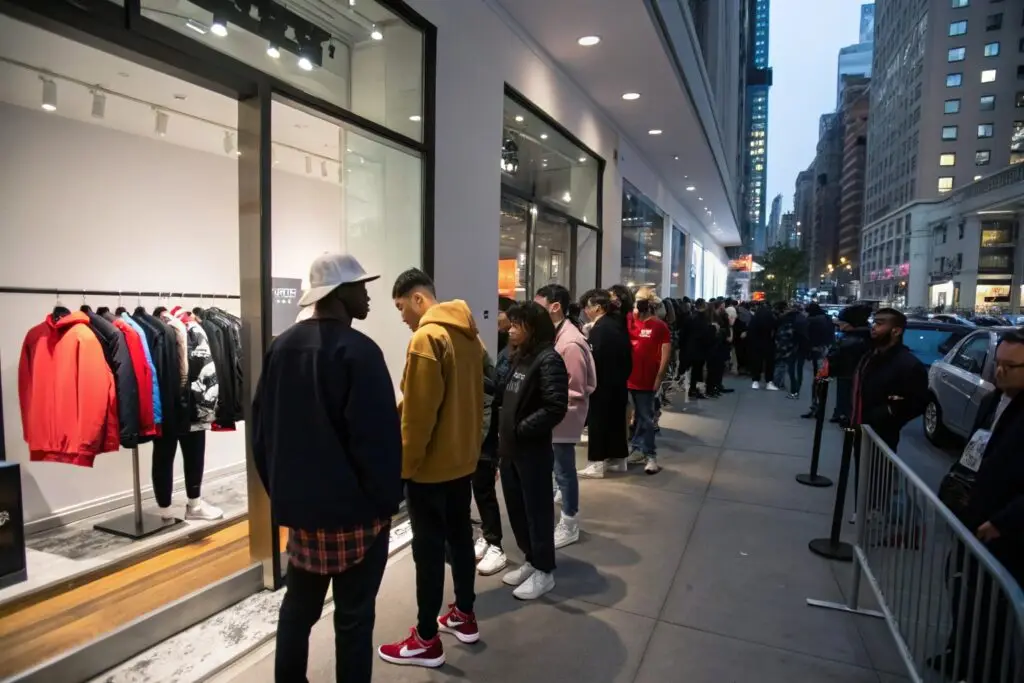
How do drops differ from regular product launches in apparel manufacturing?
Traditional launches require:
- Forecasting demand months in advance
- Producing bulk quantities
- Shipping to multiple sales points
Drops, on the other hand:
- Focus on a small quantity (50–500 units)6
- Go live via brand websites or apps
- Rely on direct communication (email, SMS, IG)
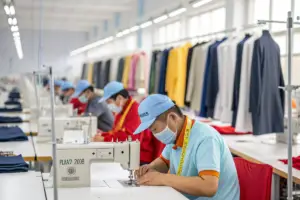
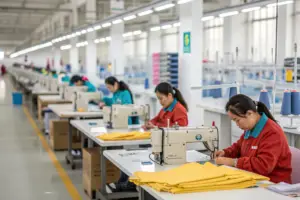
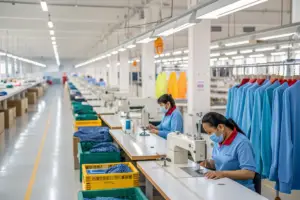
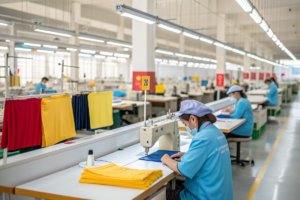
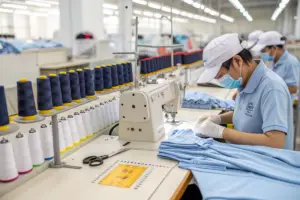
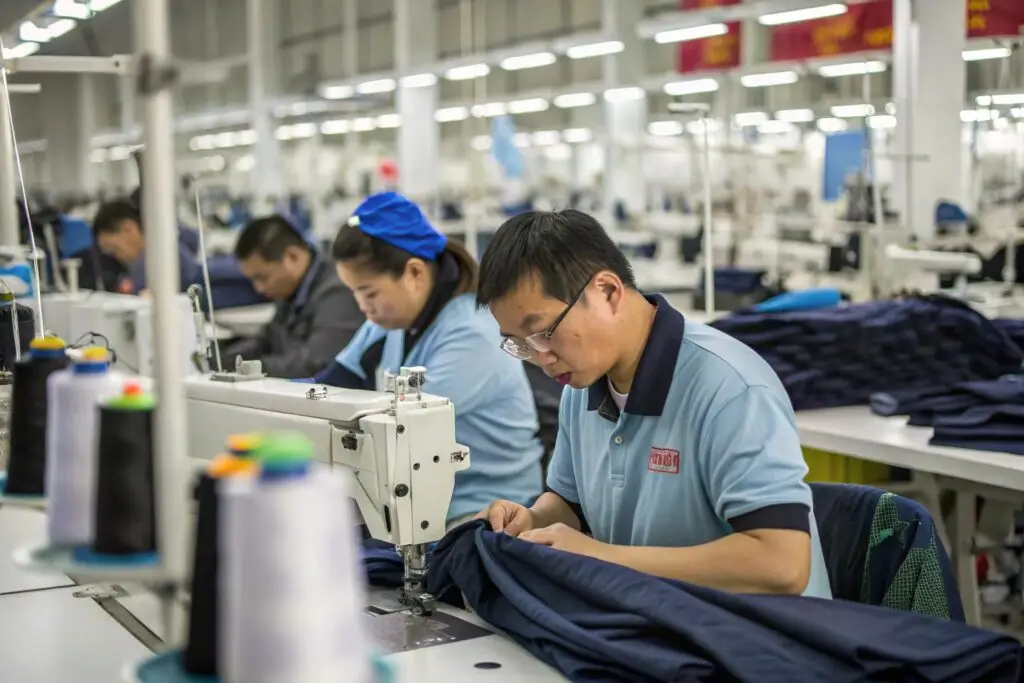
We’ve seen clients go from design to drop in under 3 weeks—thanks to our flexible production lines and fast sample approval.
What types of fashion brands benefit most from drop-based models?
The model works across categories:
| Brand Type | Drop Advantage |
|---|---|
| Streetwear | Builds hype and community |
| Luxury | Supports scarcity-driven pricing7 |
| Sustainable brands | Reduces overproduction |
| Creator-led brands | Matches viral content rhythm |
We support all of these by offering small MOQs, real-time updates, and express delivery options.
Why do brands do limited drops?
It’s not just about stock—it’s about story. Limited drops keep customers excited and loyal.
Brands do limited drops to reduce inventory risk, increase perceived value, shorten feedback loops, and maintain high engagement with their audience.

Why do limited drops result in higher conversion and lower return rates?
Scarcity triggers action. When customers know:
- “Only 100 pieces exist”
- “This won’t be restocked”
They buy faster. And because they’re emotionally invested, they rarely return.
| Metric | Bulk Launch | Limited Drop |
|---|---|---|
| Conversion rate | 1–3% | 5–12% |
| Return rate | 10–15% | 2–5% |
| Sell-through time | 30–60 days | 2–7 days |
We’ve seen brands hit 85% sell-through in 48 hours using limited drops8 and email pre-launch lists.
How do limited drops help align brand identity with customer experience?
Every drop becomes a brand moment9—not just a sales event. Brands build rituals:
- Tease new pieces with countdowns
- Offer exclusive access to subscribers
- Use packaging or product names tied to cultural moments
This turns buyers into fans. And it turns factories like ours into creative partners—not just suppliers.
Conclusion
Smaller drops aren’t just a trend. They’re a smarter way to make, launch, and sell fashion in a faster world. For brands, they reduce risk. For factories, they demand speed. For customers, they deliver excitement. This is how apparel manufacturing is being reshaped—one drop at a time.
-
Explore how small drops are revolutionizing the fashion industry by keeping brands fresh and engaging with consumers. ↩
-
Discover the marketing strategies behind limited releases and how they drive consumer excitement and brand loyalty. ↩
-
Learn about the benefits of a faster design-to-market cycle and how it enhances brand responsiveness and customer satisfaction. ↩
-
Exploring DTC models can provide insights into how brands reach consumers directly, enhancing their market presence. ↩
-
Learning about drop-based strategies can help you understand how smaller brands successfully compete in a large market. ↩
-
Exploring this resource will provide insights into how small production runs can enhance brand strategy and customer engagement. ↩
-
Understanding scarcity-driven pricing can help you grasp how luxury brands create value and exclusivity in their offerings. ↩
-
Explore how limited drops can enhance customer engagement and drive sales effectively. ↩
-
Discover how creating brand moments can transform customer relationships and enhance brand loyalty. ↩