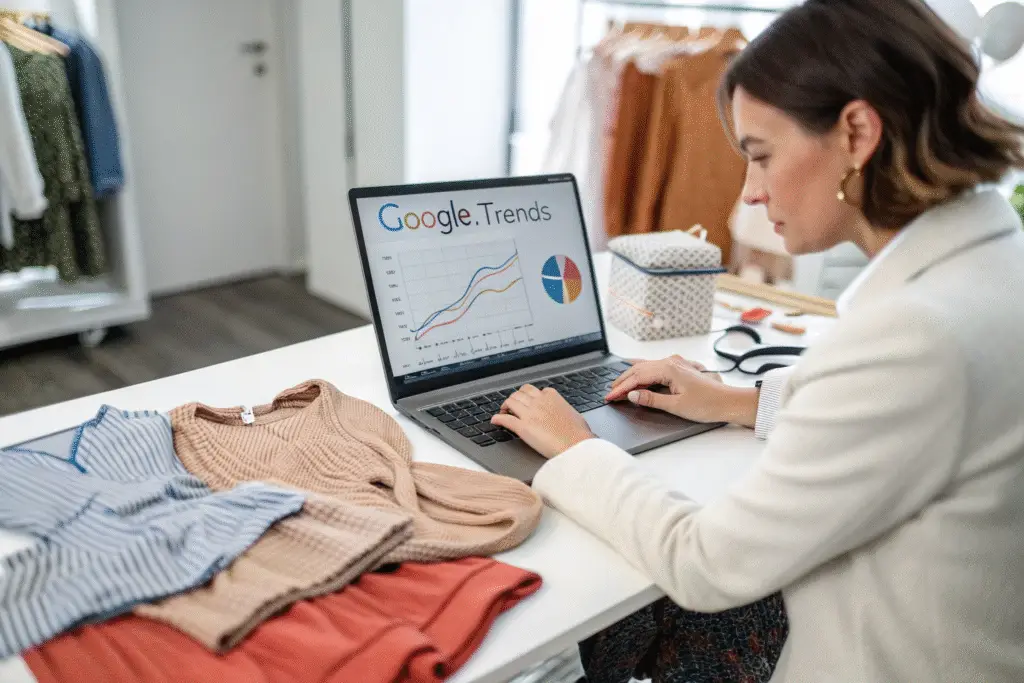
Understanding apparel demand is more art than guesswork—but now you can back your decisions with data. Google Trends reveals what consumers are searching for—and when.
By tracking seasonal peaks, regional interest, and pattern shifts, Google Trends becomes a powerful tool for forecasting fashion demand.
In this article, I’ll guide you through using Google Trends to predict demand cycles, optimize inventory, and source the right apparel at the right time.
Why Google Trends Matters for Seasonal Apparel
Without data, brands run on hunches. Google Trends gives you real search behavior and timing.
This tool helps brands and importers understand when interest spikes and where it matters most.
How Accurate Are Google Trends for Apparel?
Google Trends analyzes millions of searches, then scales popularity to a 0–100 index. While it doesn’t give exact volume, its consistent timing is reliable.
A study by Think with Google found Trends data matches sales spikes for swimwear, sweaters, and holiday collections.
Can Apparel Buyers Really Plan Inventory with It?
Yes. By comparing search peaks from previous years, buyers can time orders and production. If “summer dress” peaks in April–May, production and FOB dates are planned backwards.
This reduces overstock, markdowns, and missed sales windows—especially in fast fashion.
How to Use Google Trends for Seasonal Forecasting
Google Trends gives you a world of data with easy filters—then you interpret and act.
Step 1: Choose accurate terms (e.g., “wool coat”) Step 2: Set a 5‑year period Step 3: Select key markets Step 4: Compare related searches
What Keywords Work Best for Seasonal Analysis?
Start simple and layer complexity:
- General: “raincoat”, “sweater dress”
- Style-specific: “pleated skirt”, “cargo pants”
- Event-driven: “Halloween costume”, “New Year dress”
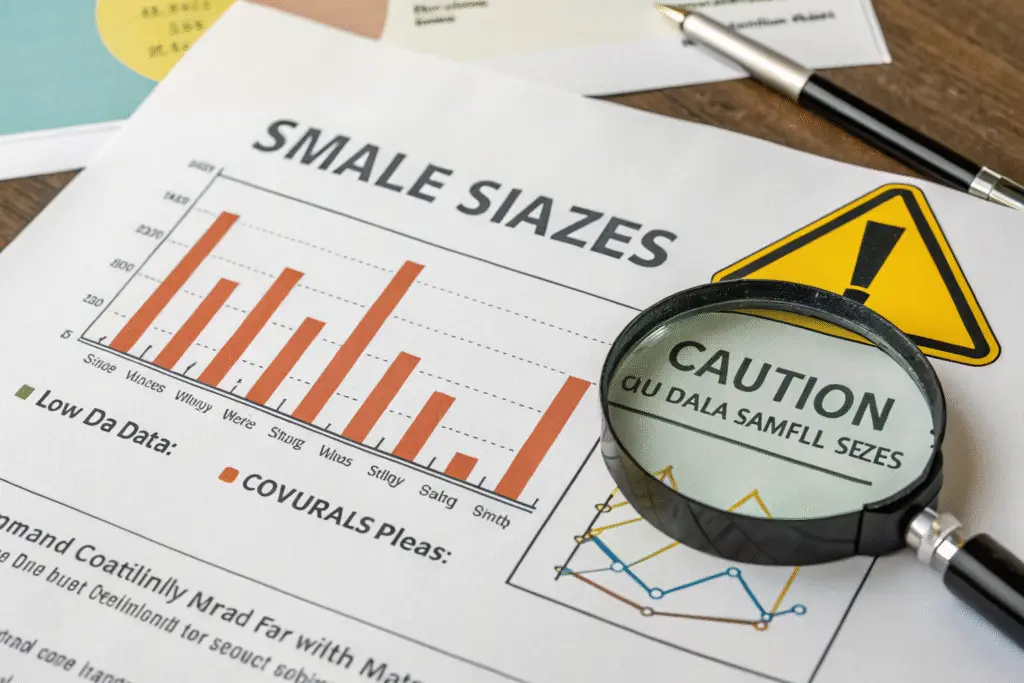
Make sure search volume is consistent; low data may skew indexes.
Should You Compare Multiple Terms?
Absolutely. Comparing terms reveals shifts in preference. For example, “knit dress” vs “mini dress” trends may show shift to modest comfort wear.
Use comparison charts to decide which product to push or pause in your lineup.
What Apparel Categories Show Strong Seasonal Patterns?
Not all clothing is seasonal—but many are. Data helps prioritize.
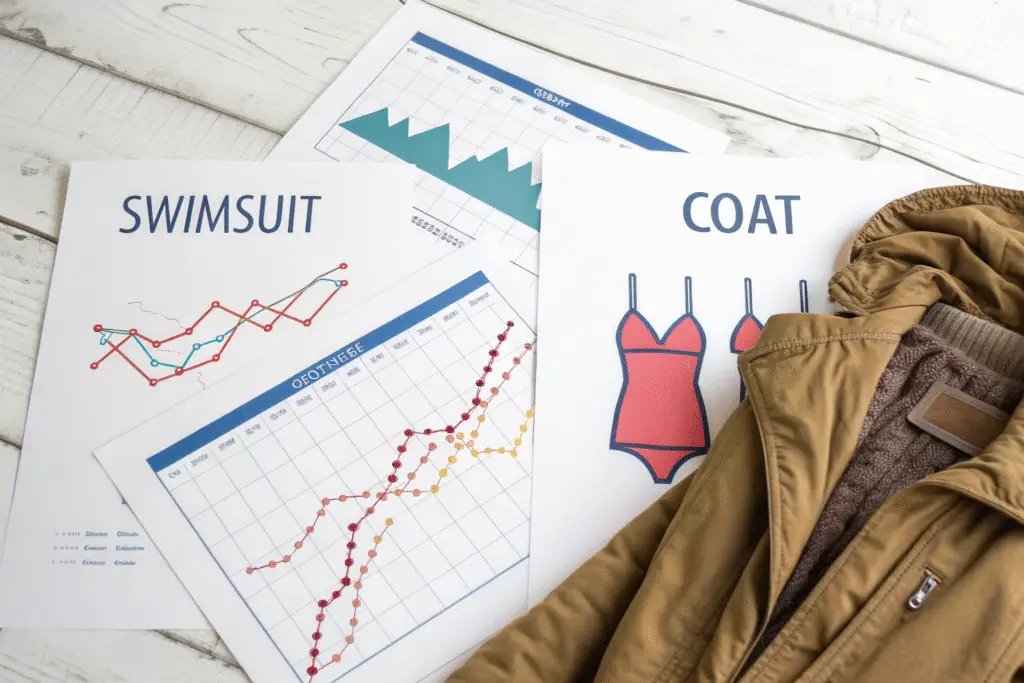
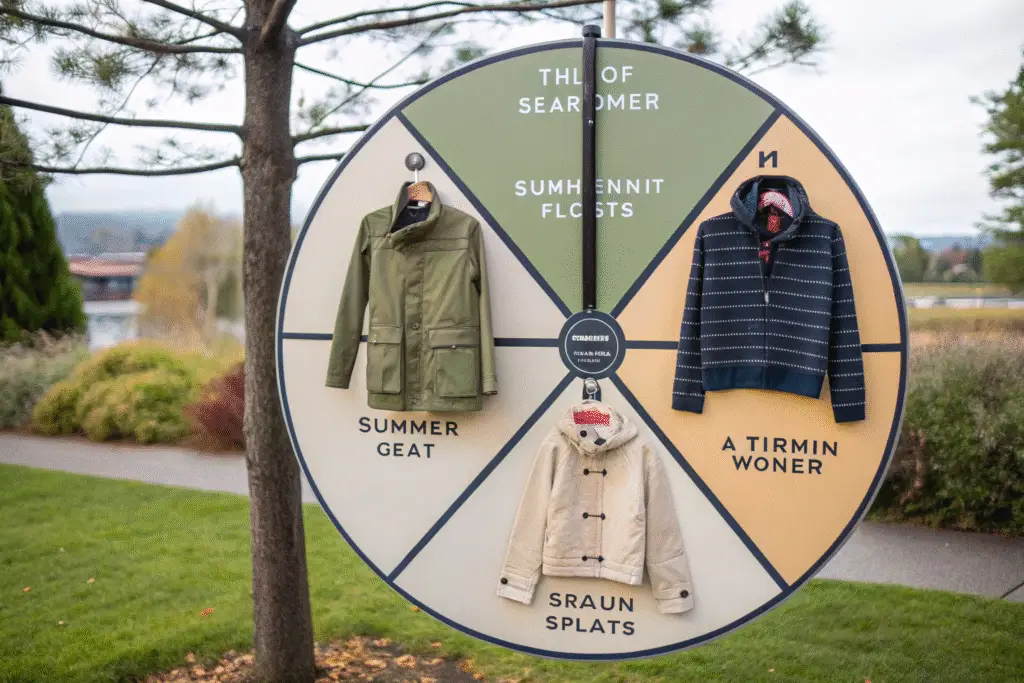
Swimwear, coats, scarves, boots, and holiday attire show the clearest seasonal demand cycles.
When Does Swimwear Peak?
Most U.S. searches for “one-piece swimsuit” rise sharply in May and June. Latin America and Australia show peaks in November–January.
Understanding global timing lets importers stock regionally optimized quantities ahead of season.
What About Fall & Winter Styles?
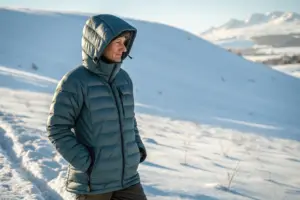
Searches for “wool coat” and “knit scarf” increase in September–October. “Puffer jacket” spikes in November–December, confirming cold-season production cycles.
Brands like Uniqlo use this data to time launches and promotions.
How Do Geographic Trends Affect International Sourcing?
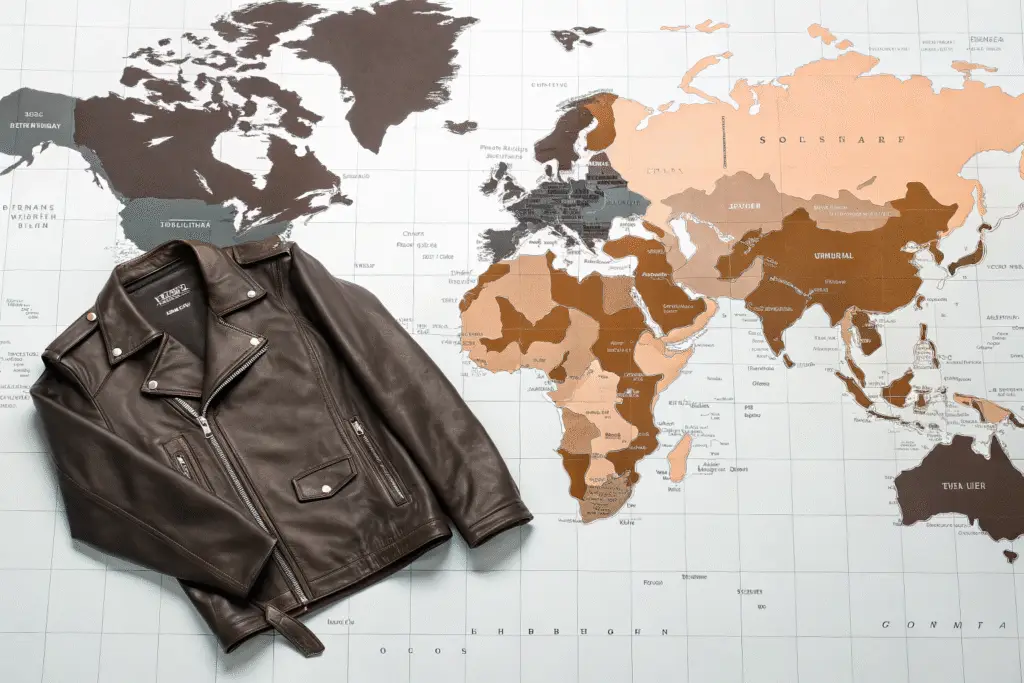
Different markets peak at different times. Google Trends helps global buyers customize inventory.
Regional timing ensures you never run out during a local spike—or overload in off-season.
How Should You Segment by Region?
Set location filters: U.S., Europe, Australia, or specific cities. Notice when “rain jacket” heats up in London vs Seattle vs Tokyo.
This data guides both production timing and MOQ allocation by region.
Can You Forecast Regional Launches?
Yes. If Australian “board shorts” trend ahead of the U.S. by two months, you can ship those earlier. Smart importers use this lead time to maximize sales momentum.
What Limitations Should You Know?
Google Trends isn’t perfect. You need context and corroboration.
Limitations include low data on niche items, skew from news shifts, and differences in search behavior.
What Items Lack Reliable Data?
Micro niches like “organic bamboo bra” may not register enough searches. In those cases, supplement with Etsy, Amazon, or supplier feedback to confirm demand.
Can Trending News Skew Results?
Yes. Celebrity endorsements or viral trends can create short spikes—like “yellow sweater” if a famous person wears it.
Always check whether it’s a one-off fad or sustained interest before sourcing.
How to Combine Trends with Other Sourcing Tools?
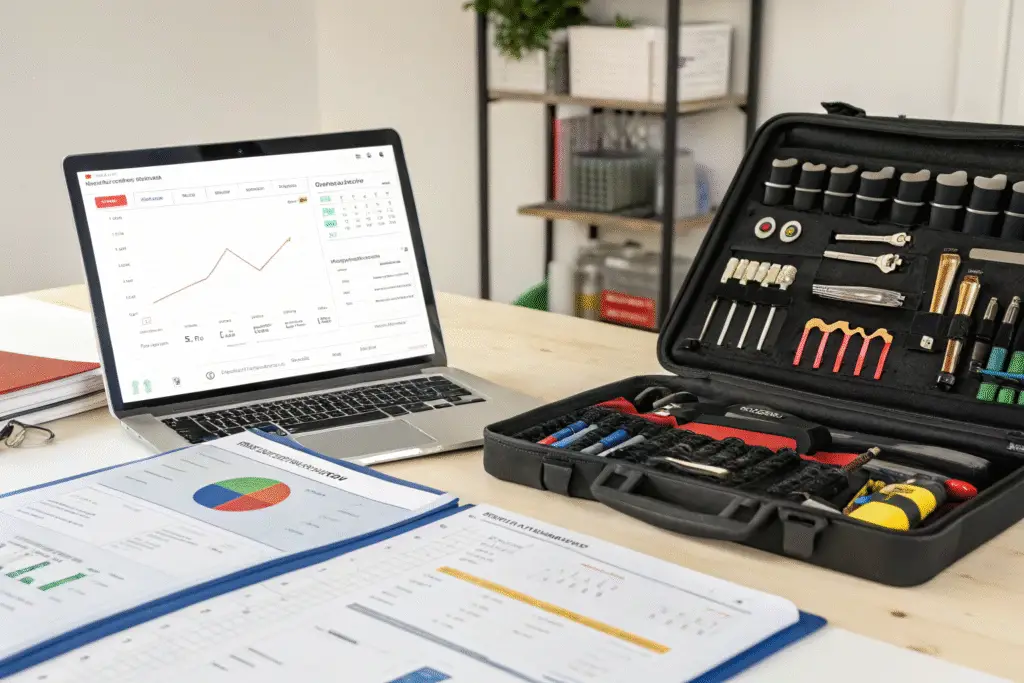
Google Trends is one data point. Pair it with market insights, fabric lead times, and your supplier’s production schedule.
The best sourcing decisions come from combining Trends, trade data, and factory timelines.
Should You Sync Trends with Production Calendars?
Yes. If “denim skirt” peaks in March, schedule fabric booking in January, cutting in February—so your inventory arrives exactly at peak.
How Do You Use Supplier Feedback?
Ask your manufacturer for lead-time data by item. Compare their historical shipping delays with expected peak timing from Trends. This avoids over-optimism and ensures on-time stock.
Conclusion
Google Trends gives you a direct line to global search intent—and it’s a strong predictor of seasonal apparel demand. By tracking peaks, comparing regions, and combining data with industry knowledge, you can plan smarter product cycles and optimize inventory.
In a fast-changing fashion world, using real-time consumer data isn’t optional. It’s essential. Let Google Trends become your sourcing compass—so you never miss the moment.