Trends come and go faster than ever. Social media pushes micro-trends weekly, and fast fashion cycles flood the market with disposable styles. But there’s a quiet revolution happening—capsule wardrobes that favor longevity over novelty.
Capsule collections promote long-term use by focusing on timeless design, quality materials, and versatile styling, reducing the urge to chase short-lived trends.
At Fumao, we work with U.S. apparel brands that are shifting away from trend-chasing. By adopting capsule strategies, they create collections that customers wear longer, value more, and waste less.
Why Do Capsule Designs Outlast Fashion Trends?
Capsule design isn’t built on what’s hot—it’s built on what lasts. Instead of copying fleeting TikTok aesthetics, capsule brands create pieces meant to stay in your wardrobe for years.
Capsule collections emphasize enduring design elements that transcend trend cycles and seasonality.
What makes a design “timeless” in capsules?
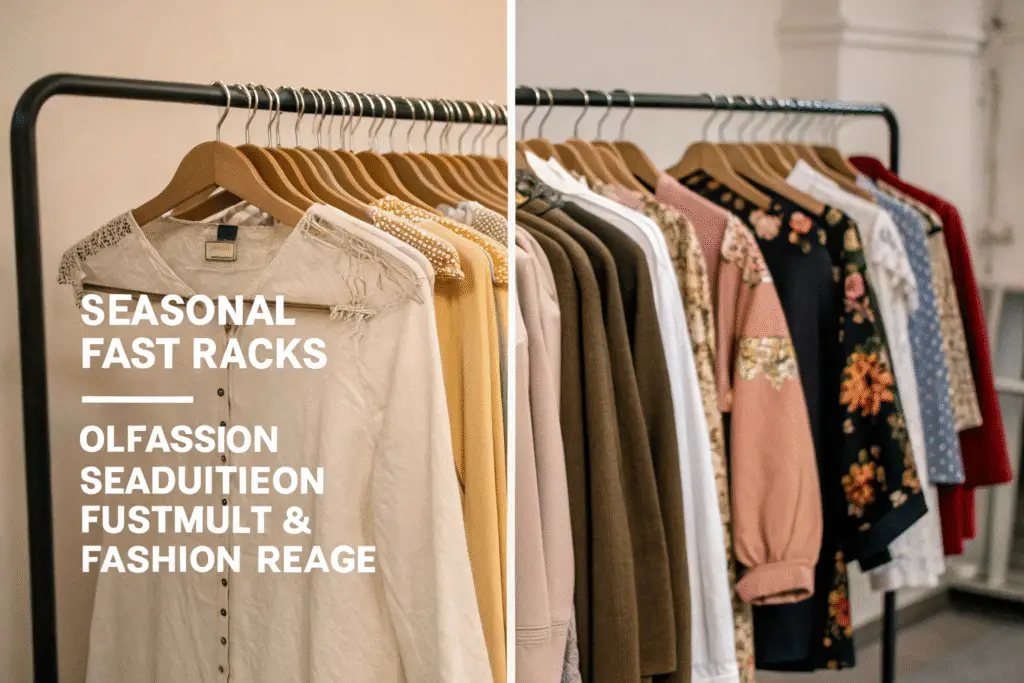
Timeless pieces focus on silhouette, function, and versatility. Think well-fitted blazers, crisp button-ups, and neutral tones. These avoid trend volatility and stay relevant year-round.
At Fumao, we use style archives and trend cycle analysis to guide our capsule clients toward shapes and colors that age gracefully.
How does trend-resistance reduce waste?
Trendy clothes are often discarded after just a few wears. Capsule pieces are designed with multi-season use in mind. They hold value because they aren’t anchored to a single moment.
Brands like Everlane or Cuyana offer long-life staples. With capsule collections, their customers replace fewer items per year—cutting waste and extending product utility.
How Does Versatility Increase Wear Frequency?
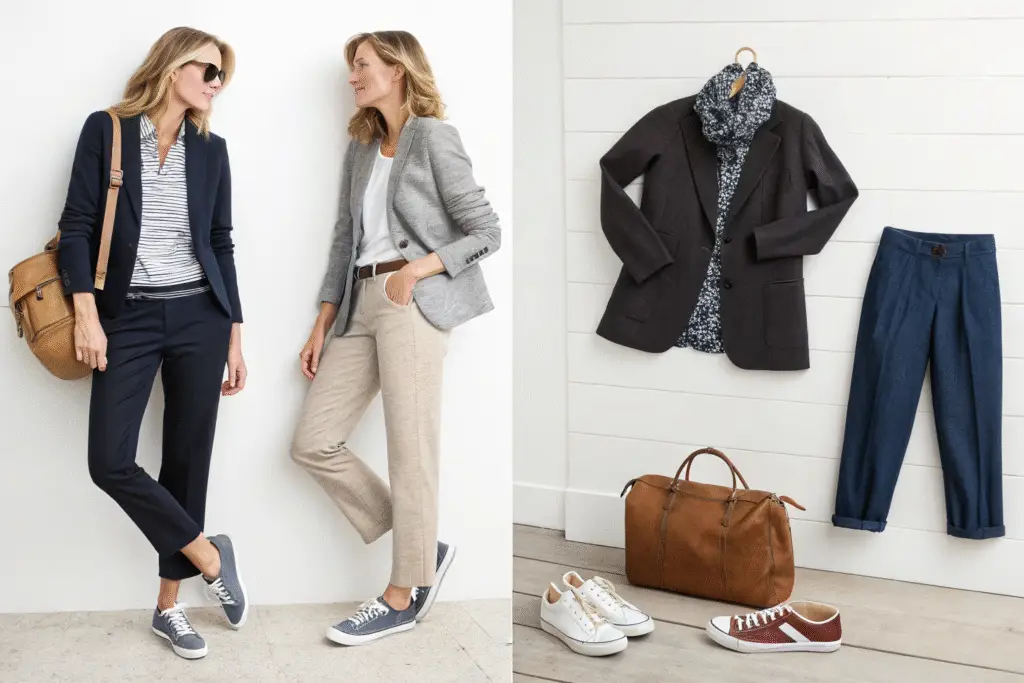
One of the strongest arguments for capsules is versatility. When each item can do more, you need fewer of them—and they become your go-tos across settings and seasons.
Capsule pieces increase garment utility through versatile styling, leading to higher wear-per-use and reduced consumption.
Why is wear-per-use a key sustainability factor?
Wear-per-use measures how often a garment is worn before it’s discarded. Fast fashion often scores under 10. Capsule pieces, by contrast, often exceed 50 wears.
According to the Ellen MacArthur Foundation, increasing wear-per-use by 50% can reduce fashion’s carbon impact by over 40%. That’s why versatility matters.
How does design enable cross-scenario use?
We help brands prototype garments with multiple looks in mind. A capsule dress, for example, might be worn loose with sneakers or belted with heels. This dual-function design reduces wardrobe size but expands outfit options.
Using 3D lookbooks or digital styling tools, brands can show customers 5–7 use cases for each garment—encouraging them to wear it longer and more creatively.
Why Does Fabric Quality Drive Long-Term Use?
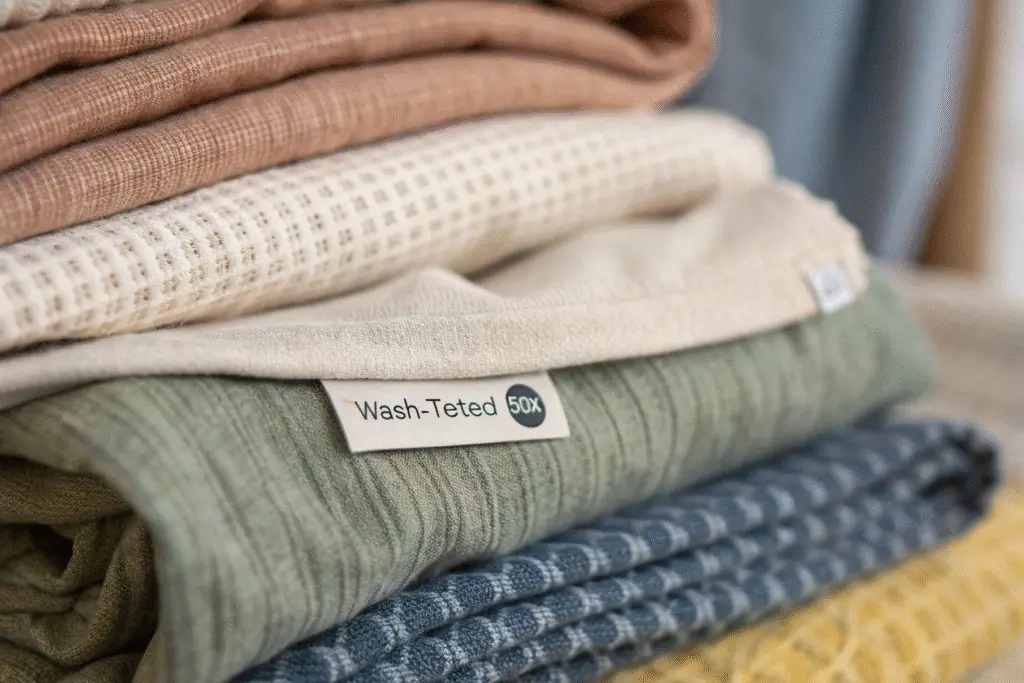
Even the best design won’t last if the fabric can’t hold up. That’s why capsule collections prioritize premium materials that age well, resist wear, and support repair over replacement.
Capsules use durable, low-impact fabrics that withstand frequent wear and laundering without degrading quickly.
Which fabrics hold up best over time?
We recommend GOTS-certified organic cotton, Tencel™ lyocell, and hemp blends. These materials retain shape, resist pilling, and handle repeated washing better than cheaper synthetics.
We conduct Martindale and pilling tests before approving capsule fabric lots—ensuring the garments stay attractive for years.
Why is fabric sustainability tied to longevity?
If a piece wears out in five washes, it ends up in landfill. Sustainable fashion isn’t just about how it’s made, but how long it lasts. Capsule logic pairs durability with environmental integrity.
By using low-impact dyes and reinforced stitching, we help capsule brands deliver pieces that last longer without sacrificing aesthetics.
How Does Mindful Shopping Change Consumer Habits?
Capsule collections require a mindset shift—not just fewer pieces, but better pieces. When consumers slow down and reflect on each purchase, they move from fashion reaction to fashion intention.
Capsule systems teach buyers to value longevity, making each purchase more meaningful and less wasteful.
How do limited options support mindful shopping?
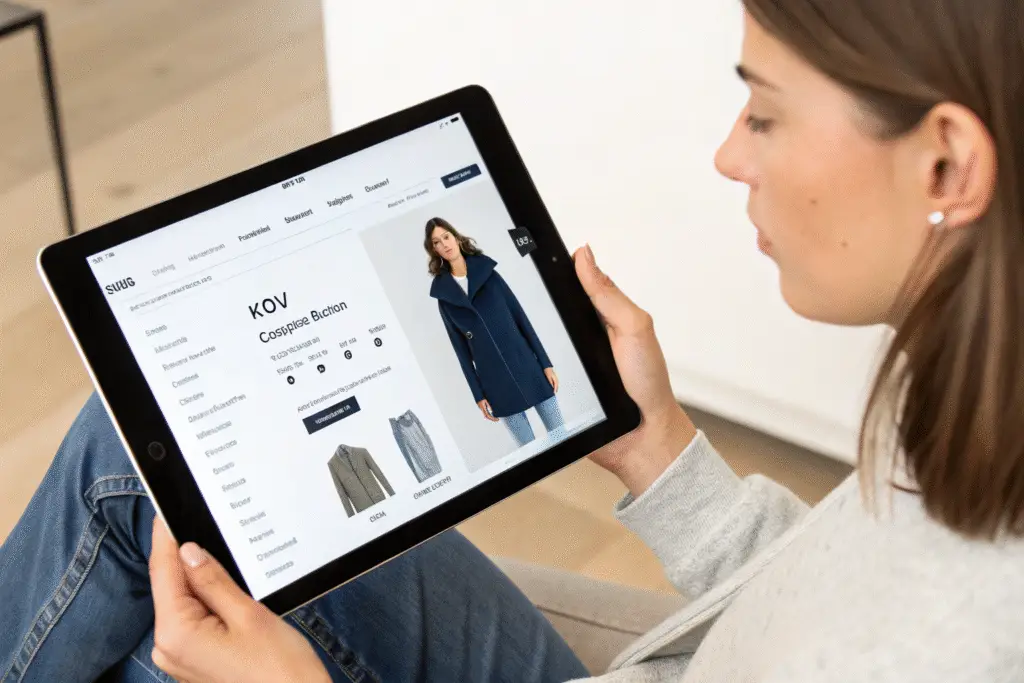
When you offer 6–12 curated pieces, customers pause and think. They evaluate each one not just by look, but by use, compatibility, and quality. This is the opposite of fast fashion’s “buy now, decide later” model.
Brands can add features like lifetime cost calculators or styling libraries to deepen the buying experience and justify investment.
Can long-term value improve customer loyalty?
Yes. Capsule buyers often feel proud of their wardrobe. They value brand integrity, fit, and service more. This builds lasting relationships and lowers churn.
We help brands build email journeys that continue post-purchase—like “3 Months In: Styling Tips” or “One Year: Refresh Options.” This keeps customers engaged without needing new inventory every month.
Conclusion
Capsule collections shift the focus from trend-chasing to timeless value. By emphasizing design longevity, versatility, material quality, and consumer reflection, capsules encourage long-term use—a foundation of ethical and sustainable fashion. At Fumao, we support American brands that believe less is more—and that slower wardrobes make a better world.