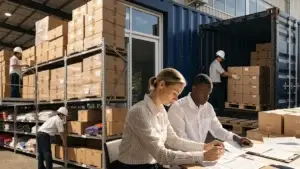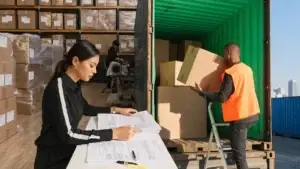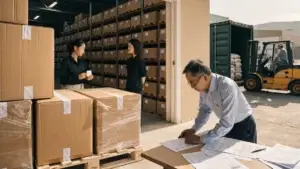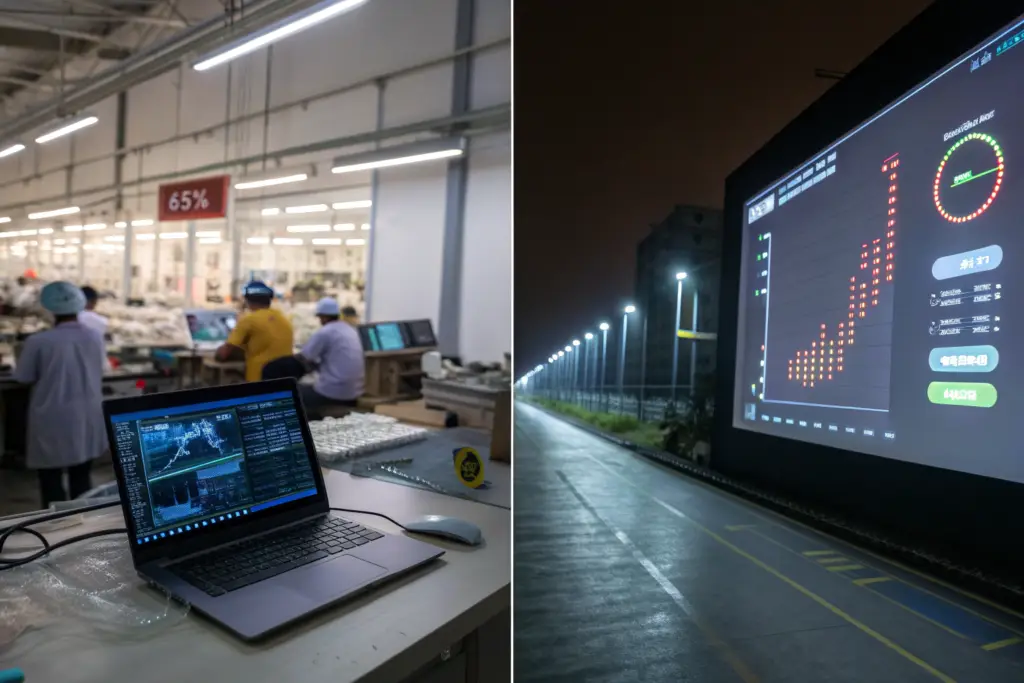
A brand owner from San Francisco emailed me at 9 AM her time last November. It was 9 PM in Shanghai. She was in a board meeting with her sales director, and they needed to know immediately: were the 2,000 holiday scarves going to ship on Friday? Her previous supplier would have made her wait 24 hours for an answer. The factory would be closed. The sales rep would be asleep. She would have to tell her team, "I'll let you know tomorrow." That "tomorrow" used to cost her credibility inside her own company.
You can track production progress in real-time with a supplier 12 hours ahead by using shared cloud-based production trackers, establishing a daily "digital handshake" protocol, and setting up live video verification sessions. These tools transform the time zone gap from a communication barrier into an advantage. While you sleep, your supplier works. When you wake up, the updated data is already in your inbox, ready for your morning meeting.
The 12-hour time difference between the US and China is not a problem to be solved. It is a workflow to be optimized. When a factory has the right systems, the time gap becomes a relay race. The Shanghai team runs their leg while the US team rests. The baton is the data. The handoff point is a shared digital platform. At Shanghai Fumao, we have designed our entire client reporting process around this relay model. Our clients never wait for us to wake up. The information is already there.
What Digital Tools Provide 24/7 Visibility Into Your Order Status?
The days of tracking an order via a weekly email PDF are over. A PDF is a static snapshot. It tells you what was true at the moment the report was saved. It does not tell you what is happening right now. For a brand owner who needs to make fast inventory decisions, a static PDF is almost useless. You need a living, breathing data connection to the factory floor.
The essential digital tools for 24/7 order visibility include cloud-based production tracking spreadsheets like Google Sheets with automated updates, dedicated apparel PLM and ERP platforms, and shared photo repositories organized by production stage. These tools allow a US buyer to check cutting progress, sewing line output, and QC results at any hour, without sending a single email. The data is updated by the factory and consumed by the buyer asynchronously.
The key is that the tool must be accessible without the factory's intervention. If you have to email a sales rep to ask them to open a file, the tool has failed. The system must put the information directly in your hands. You should be able to check your order status at 11 PM from your couch, just as easily as the factory manager checks it from his office at 11 AM.
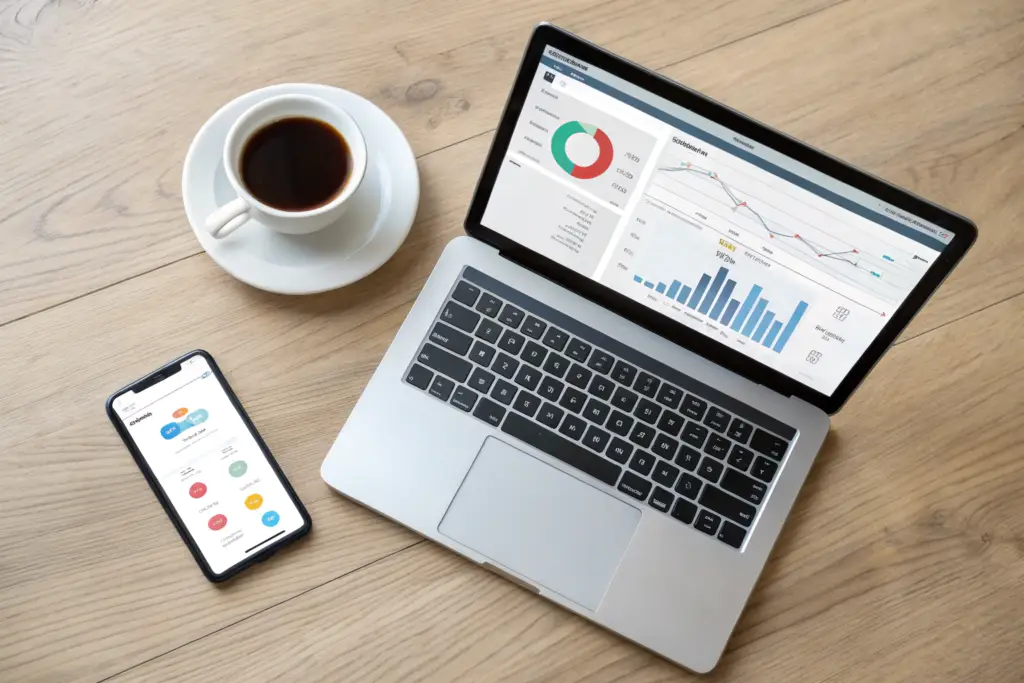
A shared milestone tracker is the simplest and most effective tool I have ever implemented for my clients. It is a living document, usually a cloud spreadsheet, that lists every critical production milestone for an order. The milestones are the same ones we discussed earlier: fabric in-house, cutting complete, sewing start, washing complete, final QC, packing, loading.
Each milestone has three columns: Planned Date, Actual Date, and Status. The Status column uses a simple traffic light system. Green means completed on time. Yellow means in progress, slightly behind but catchable. Red means delayed, with a mitigation note required. The factory updates the Actual Date and Status columns in real-time as each milestone is reached. The client has view-only access to the file. They can check it whenever they want.
This tracker eliminates the most common and most time-wasting email in the garment industry: "Hi, just checking on the status of order #4521. Can you give me an update?" That email is a symptom of information starvation. The tracker feeds the client a continuous stream of information, so they never feel hungry for an update. For a recent order of women's spring dresses, our client in New York checked the tracker at 10 PM her time and saw that the cutting had just been marked green. She went to sleep confident. When she woke up, the sewing status had already moved to yellow, indicating the line was running. She started her day with a complete picture, without a single message being exchanged. This is the power of asynchronous transparency. These collaborative tools have become standard in global business, with platforms like Google Workspace offering the foundational infrastructure for such shared documents.
Can a Dedicated Apparel PLM Replace Status Update Emails?
A Product Lifecycle Management (PLM) system is the next level up from a shared spreadsheet. A PLM designed for the apparel industry integrates tech pack management, sample tracking, material sourcing, and production scheduling into a single platform. It is a single source of truth for every detail of every style.
For production tracking, a PLM allows the factory to input production quantities at each stage. If the cutting room completes 500 pieces, the cutter enters that number. The PLM immediately reflects that 500 units are available for sewing. The buyer, on the other side of the world, logs into the PLM and sees the same number. They can run reports. They can see trends. They can identify bottlenecks early, like if the sewing output is 10% below the planned daily rate.
A PLM replaces status update emails because the system itself is the status update. The conversation shifts from "What is the status?" to "I see the status is X. Let's discuss the mitigation for the delay on the washing line." This is a higher-quality conversation. It is focused on problem-solving, not information gathering. The time saved is enormous. We are currently integrating our production tracking with a PLM system that allows our key clients to have a direct window into their order's journey, a technology supported by specialized software providers in the fashion tech space, such as those reviewed by WhichPLM.
What Is a "Digital Handshake" Protocol for Daily Asynchronous Updates?
A shared tracker is the tool. A digital handshake is the discipline of using it. A tool without a protocol is just another forgotten login. The digital handshake is a fixed daily ritual where the factory commits to updating the shared data by a specific time, and the buyer commits to reviewing it by a specific time. This creates a predictable rhythm that both sides can rely on. The anxiety of the unknown is replaced by the certainty of the daily update.
A "Digital Handshake" protocol is a mutually agreed daily routine where the factory posts a structured end-of-day summary before the US workday begins. This summary includes a brief voice note or video walkthrough, updated tracker data, and any "red flag" alerts requiring immediate attention. The US buyer starts their day with a complete, fresh information package, enabling them to respond to any critical issues within their own working hours.
The handshake solves the "ping-pong delay" problem. In a traditional email chain, the buyer asks a question. The factory sees it 12 hours later. They respond. The buyer sees the response 12 hours after that. A simple question and answer take 24 hours. The digital handshake compresses this by anticipating the buyer's need for information and proactively delivering it before they have to ask.
How Does a 5-Minute End-of-Day Video Summary Replace a 50-Email Thread?
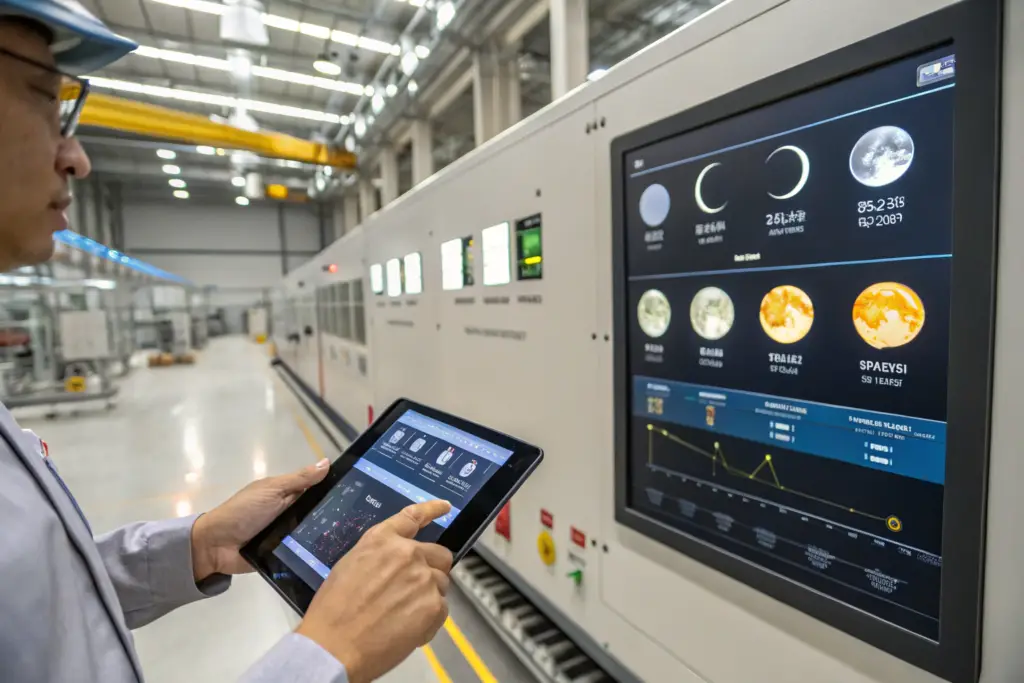
A picture is worth a thousand words. A video is worth a thousand emails. When a factory supervisor walks the line at the end of her shift, she can record a 5-minute video on her smartphone. She pans across the cut panels for the order. She shows the sewing line actively running. She zooms in on a specific detail, like the finished collar on a jacket. She provides a verbal commentary: "Today we completed 40% of the sewing. The wash starts tomorrow. No quality issues so far."
This video is uploaded to a shared folder. The US buyer wakes up, watches the 5-minute video over coffee, and has a visceral, visual confirmation of their order's status. They have seen the fabric. They have seen the stitching. They have heard the tone of voice of the supervisor. This level of sensory detail is impossible to convey in text. The 50-email thread full of written descriptions and requests for photos is replaced by a single video file.
One of my clients told me that these end-of-day videos reduced her sourcing stress by 80%. She no longer lay awake at night wondering if the factory was really working on her order. She had seen it with her own eyes, just hours ago. The video created a feeling of physical presence, even across the Pacific Ocean. This simple practice builds an extraordinary amount of trust. It proves the factory is not hiding anything. A factory that is willing to show you the raw, unedited reality of the floor is a factory confident in its own operations.
What Should a "Red Flag Only" Escalation Policy Look Like?
Not all information needs to interrupt your sleep. A good digital handshake protocol includes a clear definition of what constitutes a "red flag" that justifies an immediate call or message, regardless of time zone. Without this, either everything is treated as an emergency, causing burnout, or nothing is, causing missed deadlines.
A red flag is an issue that meets three criteria: it threatens the ship date, it cannot be resolved without the client's decision, and waiting 12 hours for the next handshake will make the problem significantly worse. Examples of red flags include a fabric batch failing a critical lab test, a major component being out of stock with no alternative, or a natural disaster affecting the factory. A normal delay of half a day on the sewing line is not a red flag. It is a status update for the next handshake.
We agree on this list with the client during onboarding. We also agree on the communication channel for red flags. It is usually WhatsApp or WeChat, with a specific message prefix like "URGENT - Decision Required." This prefix allows the client to set a notification alert on their phone for only these messages. They can sleep soundly knowing that no news, or a normal tracker update, means everything is on track. A red flag alert means they are genuinely needed. This policy respects the client's personal time while ensuring they are never out of the loop on a critical crisis. The discipline of defining what truly requires immediate escalation is a key principle in operational risk management, a concept well-documented by the Project Management Institute in their guidance on stakeholder communication.
How Can Live Video Walkthroughs Validate Progress Without Travel?
Before 2020, a brand owner had to fly to China to see their production in person. The trip took a week. It cost thousands of dollars in flights and hotels. It was necessary to build trust. But it was not scalable. You could only visit a few times a year. The rest of the time, you were blind. The world has changed. A live video walkthrough, done with honesty and preparation, can provide 90% of the value of a physical visit at 1% of the cost and time.
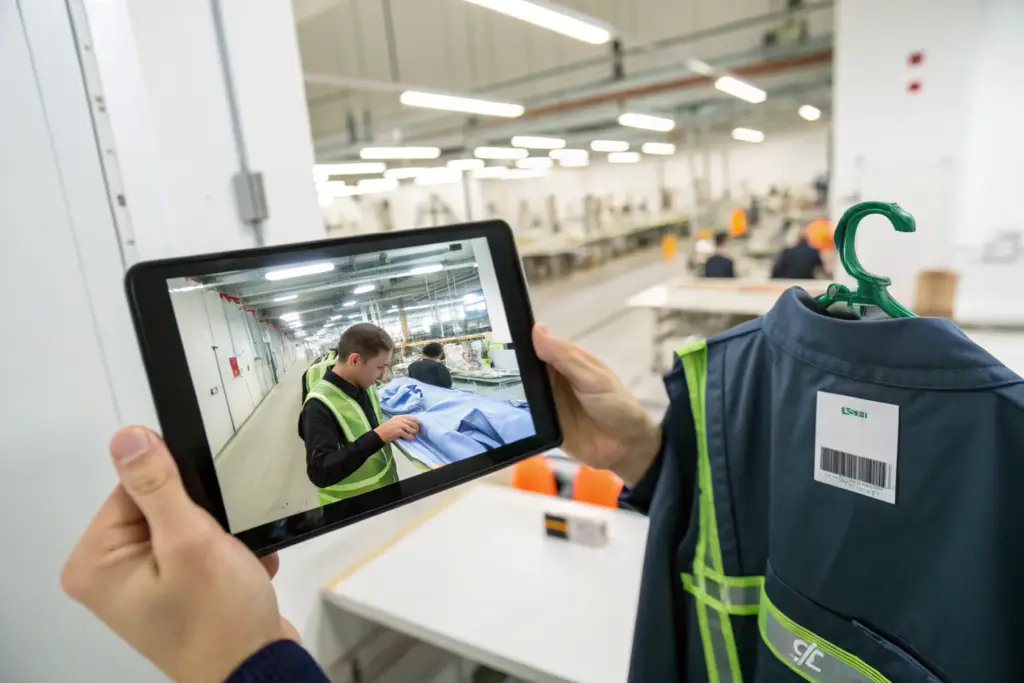
Live video walkthroughs, conducted via smartphone on a video call app, allow a US buyer to inspect their specific order on the factory floor in real-time. The buyer can direct the camera, ask to see specific operations, and verify that their materials and trims are being used correctly. This real-time visual verification eliminates the need for constant travel and provides immediate proof of production progress.
The key word is "live." Pre-recorded videos are useful for daily updates, but they are still curated. A live walkthrough is interactive. You can say, "Stop. Go back. Zoom in on that seam. Show me the inside of that pocket." This interactivity makes it very difficult for a factory to hide anything. A factory that welcomes live walkthroughs is a factory that has nothing to hide.
What Are the Key Checkpoints to Inspect During a Virtual Factory Tour?
When you get a factory on a live video call, do not just let them show you a polished overview. You need to direct the camera to specific, hard-to-fake checkpoints. These checkpoints are the "vital signs" of a healthy production order.
First, ask to see your raw materials. Point the camera at the rolls of fabric with your order's batch number sticker. Check that the quantity of rolls looks sufficient for your order volume. Second, go to the cutting table. Ask to see the cut pieces bundled with your work order ticket. Check that the notches and drill marks are clean. Third, on the sewing line, pick a random operator and ask them to show you the inside of the garment they are sewing. Look for the seam finish, the interlining, the label placement. Fourth, go to the finished goods area. Ask to see the packed cartons. Check the shipping marks on the cartons against your purchase order.
I performed a virtual tour with a new client from Chicago last month. He directed me to the cutting table and asked to see the edge of a specific panel he was worried about fraying. I held the fabric edge up to the camera. The cut was clean. The fusible interlining was applied perfectly. He said, "Okay, I'm satisfied." That single moment of live verification built more trust than a hundred emails ever could. It proved the work was real, it was his, and it was right.
How Do You Schedule a Walkthrough That Respects Both Time Zones?
The time zone difference is a scheduling challenge, but a manageable one. The goal is to find a window that is within working hours for the factory floor and not the middle of the night for the buyer. The sweet spot is often the Shanghai morning, which is the US evening of the previous day.
For East Coast buyers, Shanghai 9 AM is 9 PM Eastern the previous day. For West Coast buyers, Shanghai 9 AM is 6 PM Pacific the previous day. These are very reasonable times for a buyer to jump on a 30-minute call from home. The factory floor is active and well-lit in the morning. The energy is good. The buyer can then go to sleep with the visual confirmation fresh in their mind.
We always schedule these walkthroughs at least 48 hours in advance. The client sends us a list of specific things they want to see. We plan the route on the factory floor to minimize time and maximize value. We also do a sound check two minutes before the call starts. There is nothing worse than a video call where the buyer cannot hear the supervisor over the machine noise. We use a wireless headset for the supervisor leading the walkthrough. The preparation turns a potentially chaotic call into a smooth, professional audit. This is now a standard part of our service for any client placing their first order with us, and an ongoing option for every subsequent order.
How Do You Build a Culture of Proactive Problem Disclosure Across Time Zones?
All the digital tools and protocols in the world are useless if the factory culture punishes honesty. If a supervisor discovers a quality problem and her first instinct is to hide it, no tracker will show the truth. The single most important factor in real-time tracking is not technological. It is psychological. The factory must feel safe telling you bad news. They must know that early disclosure leads to a collaborative solution, not an abusive email or a financial penalty threat.
Building a culture of proactive problem disclosure requires the buyer to reward honesty, not punish it. When a factory reports a delay or defect early, the buyer must respond with a problem-solving mindset. This creates a psychological safety loop. Over time, the factory learns that bad news delivered early is a minor operational issue, while bad news hidden until shipment is a relationship-ending betrayal. The time zone gap becomes irrelevant because the factory is intrinsically motivated to keep you informed, regardless of the hour.
Fear is a terrible communication medium. A factory that fears its client will hide problems until they are too big to hide. A factory that trusts its client will flag a small issue on Monday morning Shanghai time, giving the US buyer all of Monday to make a decision. The difference is the entire production outcome.

How Should You Respond When a Factory Voluntarily Reports a Delay?
Your response to an early warning is the most important message you will ever send to a supplier. It sets the tone for every future communication. If a factory sends you a message saying, "We have a 2-day delay on the dye lot. It did not pass our internal shrinkage test. We are re-dyeing. We will update you on Friday," your response should be measured and appreciative.
The wrong response is: "This is unacceptable! You promised me the ship date! I need compensation!" This response teaches the factory a lesson: never tell the buyer about a problem until you absolutely have to. Hide it. Fix it silently. Hope they do not notice. This is how small, fixable problems become shipment-destroying secrets.
The right response is: "Thank you for telling me immediately. I appreciate the transparency. Two days is manageable. Please confirm by Friday that the re-dye is on track. What support do you need from my side?" This response rewards the behavior you want: early, honest disclosure. It reduces the factory's fear. It treats the delay as a shared problem to solve, not a crime to punish. The result is that the factory will continue to tell you the truth, early and often. This positive reinforcement cycle builds a communication culture that no amount of contractual language can ever create. This principle aligns with the core tenets of effective supply chain collaboration, which emphasize trust and transparency over punitive measures, as discussed in supply chain management research frequently published by institutions like MIT Sloan Management Review.
What Language Cues Signal a Supplier Is Hiding a Production Issue?
Even with good protocols, you must stay alert to the subtle signs that a supplier is not being fully transparent. Language is often the first indicator. When a supplier is hiding a problem, their communication shifts from specific to vague. They stop giving numbers and start giving assurances.
A transparent supplier says: "The sewing line output today was 200 units. We are running at 90% of the planned daily rate. The bottleneck is the sleeve attachment. We are adding one operator to that station tomorrow." This is specific, quantitative, and solution-oriented. A supplier hiding a problem says: "Everything is going well. No issues. Don't worry." This is a verbal shield. It is designed to end the conversation, not to inform.
Other red flag phrases include a sudden shift to passive voice: "The fabric has been delayed" instead of "Our fabric mill delayed the shipment and we failed to follow up." This avoids ownership. Another cue is the repeated promise of an update "tomorrow" without a specific time, as we discussed in a previous article. When you hear these cues, it is time to escalate. Demand a live video walkthrough immediately. Look at the physical evidence with your own eyes. A supplier who is telling the truth will welcome the scrutiny. A supplier who is hiding something will make excuses for why a live walkthrough is "inconvenient right now." That is the moment you know the trust is broken.
Conclusion
The 12-hour time difference between the US and China is not a wall. It is a relay track. The race runs smoothly when the baton, which is the production data, is passed cleanly from the Shanghai shift to the US morning. We have explored the tools and behaviors that make this handoff reliable and transparent. Cloud-based milestone trackers provide the raw data, accessible 24/7 without a single email. The digital handshake protocol ensures that every US morning begins with a fresh, complete picture of yesterday's progress in Shanghai, delivered via video and structured updates. Live video walkthroughs offer on-demand, irrefutable visual proof that your specific order is alive and moving on the factory floor.
But the most critical element is not the technology. It is the culture. A factory that proactively reports problems, that rewards your trust with their honesty, is worth more than any dashboard. When you, as the buyer, respond to early warnings with collaboration rather than punishment, you build a communication loop that keeps you informed and in control, no matter how many time zones separate you from the cutting table.
At Shanghai Fumao, we have built our client communication model around this relay philosophy. Our trackers are updated in real-time. Our end-of-day videos are in your shared folder before you wake up. Our supervisors are trained to raise red flags early, and our merchandisers are empowered to speak the truth, even when it is uncomfortable. We want our clients to sleep well, knowing that the information they need is already waiting for them in the morning.
If you are ready to experience a supplier relationship where the time zone is an advantage, not an obstacle, I encourage you to contact our Business Director, Elaine. She can set up a sample shared tracker for you to explore, schedule a live video walkthrough of a current production run, and discuss how we tailor our communication protocols to your specific needs. Reach Elaine at elaine@fumaoclothing.com. Let's turn the 12-hour gap into your most productive daily update.