When buyers feel like just another number, they leave. Mass-produced clothing often lacks personal connection and flexibility, pushing customers toward brands that truly “get” them.
Made-to-order apparel creates a tailored experience, helping brands stand out and keep customers loyal. Personalized options and better quality make people feel valued—and they keep coming back.
In the fashion industry, brand loyalty is earned, not given. Let’s explore how made-to-order strategies help you win—and keep—the hearts of your customers.
How can you increase customer loyalty?
It’s frustrating when customers try your brand once and never return. The fashion market is full of choices, and it’s hard to stand out—especially with generic designs and poor fit.
You can increase customer loyalty by offering better quality, more personal choices, and reliable experiences. Made-to-order apparel gives your brand all three advantages.
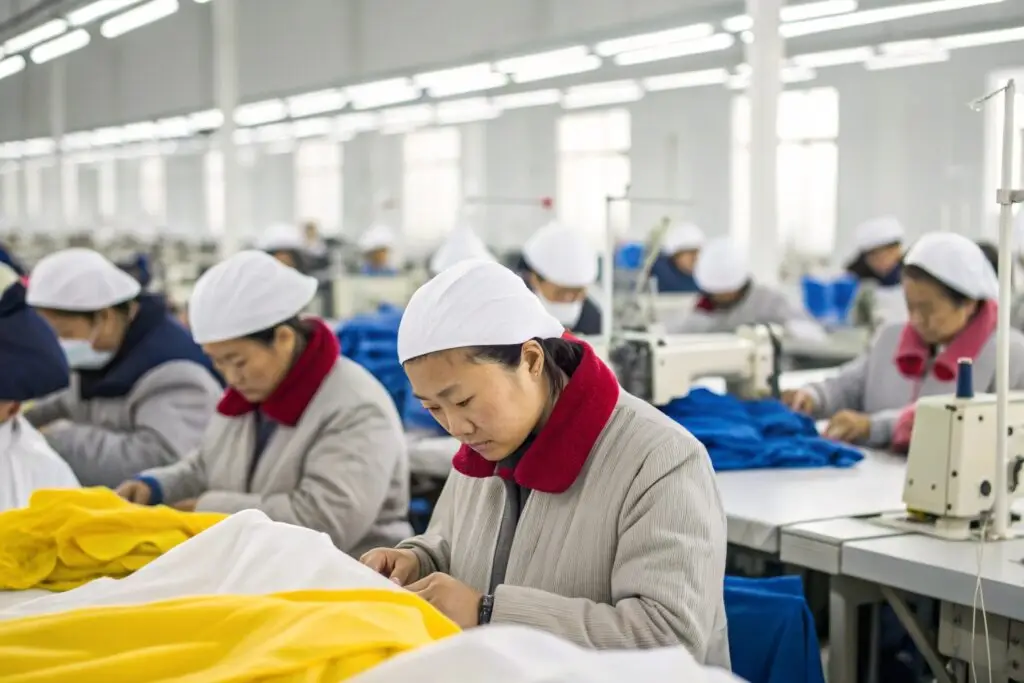
How does made-to-order1 allow customers to feel heard, respected, and valued in the buying process?
When I first explored made-to-order for our clients, I was shocked at how quickly their customer feedback2 improved. Customers didn’t just receive a product; they got their product. It fit better. It looked how they wanted. And it reflected their identity. The result? Loyalty.
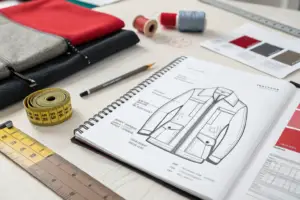
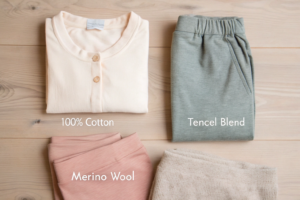
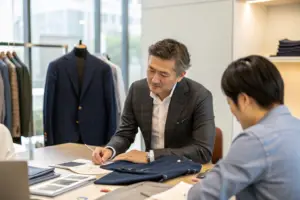
With made-to-order, the product is made only after the order is placed. Customers can choose fabric, style, fit, or even add a custom label. These aren’t just cosmetic features. They make the customer part of the process.
Here’s what makes customers return:
| Customer Desire | Made-to-Order Response |
|---|---|
| Better fit | Custom sizing and adjustments |
| Exclusive styles | Limited runs and custom design options |
| Control over quality | Choice of fabric and finish |
| Personal significance | Name tags, initials, custom branding |
This level of involvement creates emotional investment3. When a customer designs something, even slightly, they are more likely to share it, recommend it, and buy again. It feels more like collaboration than transaction.
Why does made-to-order create fewer disappointments and build trust with every order?
Mass production often leads to stockouts, wrong fits, or mismatched expectations. That’s where loyalty suffers. A customer who gets a shirt that doesn’t fit or fades after one wash is unlikely to return.
Made-to-order production avoids these risks. Since garments are created per request, there’s no leftover inventory or rushed output. Customers know they are getting something fresh, made just for them. The wait time might be slightly longer, but the payoff is stronger trust. And trust builds loyalty.
How can a brand develop its customer loyalty?
Many brands focus too much on chasing new customers. But returning customers often bring higher lifetime value. They spend more and recommend more. So, why aren’t more brands investing in loyalty?
A brand can develop loyalty by showing consistency, listening to its buyers, and offering a deeper level of personalization. Made-to-order apparel checks all those boxes.
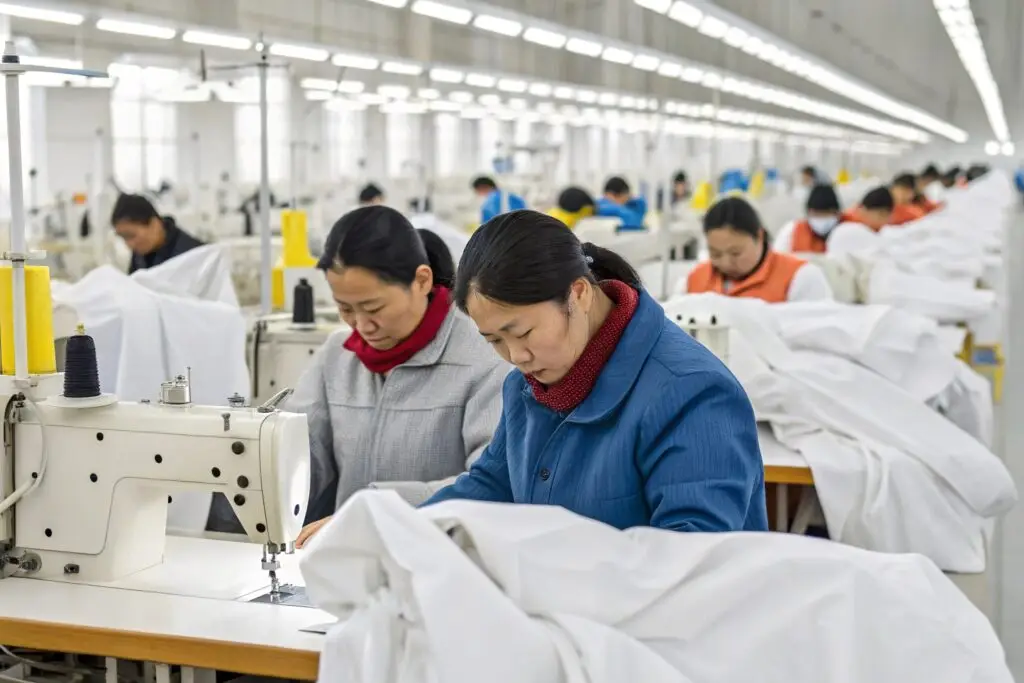
What emotional needs does made-to-order fashion satisfy that mass production can't?
Mass-produced clothing is fast, but it lacks soul. I’ve seen buyers switch to us because their previous vendors couldn’t give them uniqueness. Their customers were bored. Every store carried the same thing.
Made-to-order clothes tap into something deeper: identity, self-expression, and the joy of owning something made especially for you. Think of it like ordering a suit tailored for your shape—it fits better, feels better, and you trust it more.
And it’s not just the buyer that feels this. End customers—the ones actually wearing the clothes—notice too. They tell their friends. They tag your brand on social media. They feel connected.
How can made-to-order production support consistent brand experiences?
Brand loyalty depends on consistency. If the customer experience changes with every order, they start doubting your reliability. One good experience isn’t enough—it needs to be repeatable.
Made-to-order supports that because the process is standardized. Once you lock in a customization workflow4, the quality becomes predictable. You control the fabric, stitching, delivery, and even how feedback is collected.
Over time, customers begin to trust that they’ll always get what they expect. That kind of consistency is rare—and that’s exactly why it’s valuable.
How can we satisfy our customers and build brand loyalty?
Sometimes we assume great design is enough. But today’s customers want more than good looks. They want relevance, control, and a sense that a brand gets them.
We can satisfy customers by letting them co-create their experience. Made-to-order apparel makes them part of the design process, which builds emotional loyalty.
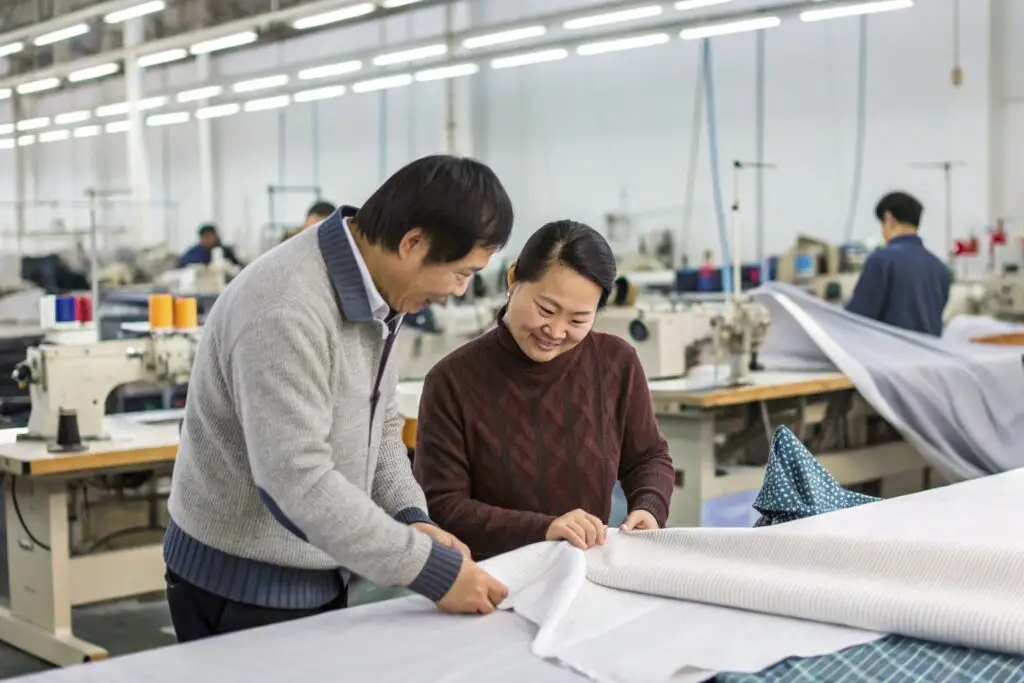
How do customers react when they feel they helped design what they wear?
The first time we allowed logo placements and color matching5 for our clients’ brands, their customers became obsessed. They posted pictures. They shared stories. Why? Because they felt involved.
When people feel they had a hand in designing something—even if it’s just choosing between fabric types—they become more attached to it. That attachment leads to pride, and pride leads to loyalty.
Imagine two shirts. One you bought off the shelf. The other you picked the color and added your initials. Which would you wear more? Which would you post about online? Which brand would you remember?
How does made-to-order6 minimize negative experiences that often kill customer loyalty7?
Poor reviews don’t come from bad products alone. They come from unmet expectations. Late deliveries. Damaged goods. Wrong sizes. Made-to-order minimizes many of these risks.
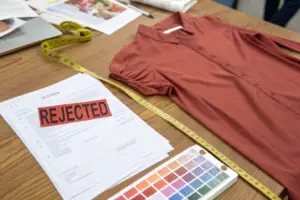
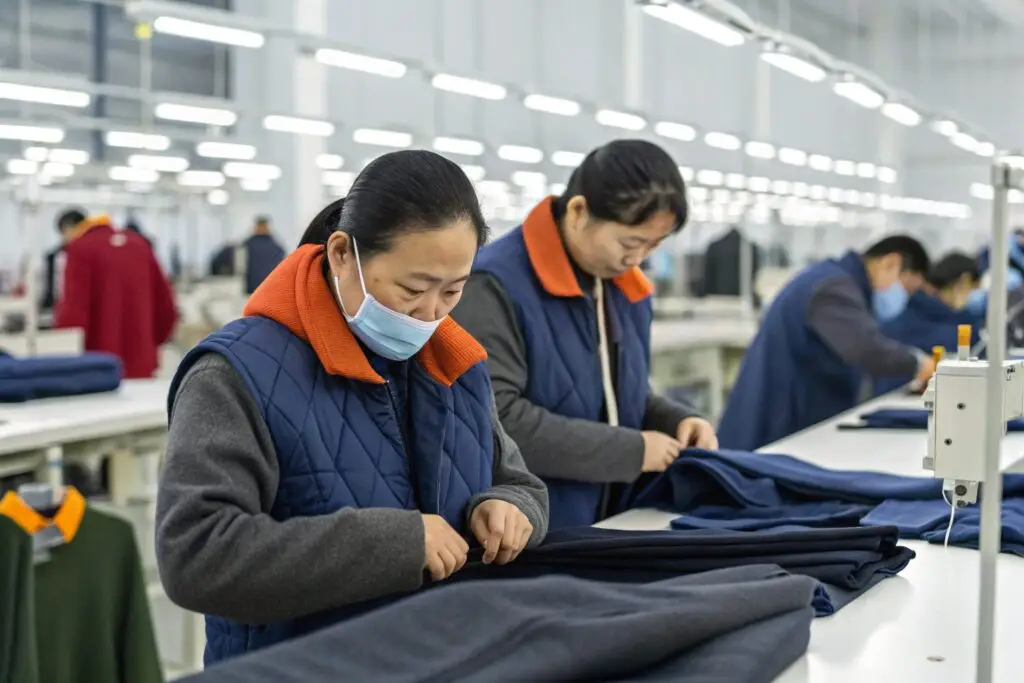
Because each product is made on demand, we can perform quality checks per unit. We don’t rely on bulk assumptions. That attention to detail prevents the small issues that usually spiral into bad reviews and lost customers.
Also, since the customer knows their item is being made for them, their patience increases. They expect a process, not just a transaction. This psychological shift makes them more forgiving—and more loyal.
How do you create and maintain brand loyalty?
Creating loyalty takes effort. Maintaining it takes consistency. One mistake—especially in fashion—can send your customers elsewhere. But personalization protects you from becoming forgettable.
You create and maintain loyalty by combining customization, communication, and quality. Made-to-order gives you all three, keeping customers close and competitors at bay.
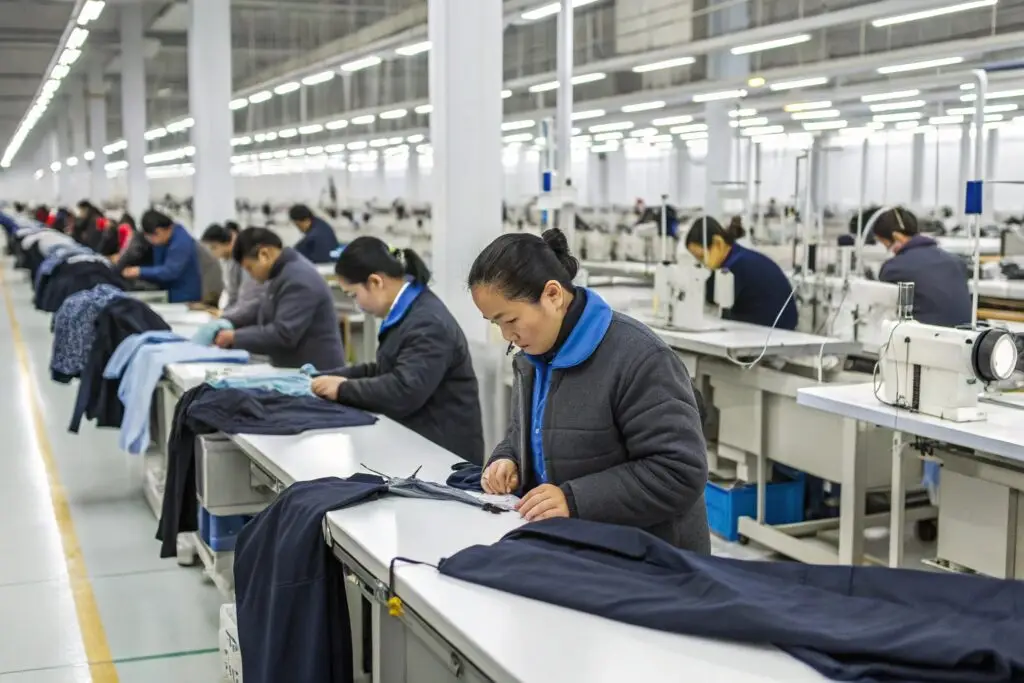
How can made-to-order apparel turn one-time buyers into lifelong customers?
There’s something powerful about repeat purchases. When I see a client come back not just for another order, but to expand SKUs or styles, I know we’ve done something right. That “something” is almost always rooted in experience.
Made-to-order gives the customer exactly what they need—every time. If that first product fits right, arrives on time, and matches expectations, they’ll remember you. Do it again and again, and they’ll trust you.
Trust is what turns one-time buyers into regulars. Regulars become promoters. And promoters grow your brand for free.
What systems help you scale made-to-order while keeping the quality customers love?
Scaling personalization sounds hard—but it’s not impossible. We’ve done it. You need clear systems for customization inputs, factory workflow, and communication. Technology helps.
For instance, digital order forms with dropdown menus and fabric previews make it easy for customers to select. On the backend, automated workflows route those selections to production lines. Quality checks are added at critical points.
Here’s a quick look:
| Stage | Task |
|---|---|
| Customer Frontend | Style selection, logo upload, measurements |
| Order Processing | Automatic summary generation |
| Production Workflow | Cut, sew, label |
| QC | Custom checks, not batch checks |
| Delivery | Tracking and customer updates |
With this kind of system, you don’t sacrifice quality while growing. Instead, you create scalable personalization8—keeping loyalty strong even as orders grow.
Conclusion
Made-to-order apparel builds loyalty by giving customers exactly what they want. It personalizes the experience, boosts trust, and helps brands stand out in a crowded market.
-
Explore how made-to-order products enhance customer satisfaction and loyalty by allowing personal customization. ↩
-
Learn about the impact of customer feedback on product development and satisfaction in made-to-order services. ↩
-
Discover how emotional investment influences customer loyalty and repeat purchases in the buying process. ↩
-
Learn about the importance of a customization workflow in ensuring quality and customer satisfaction in made-to-order fashion. ↩
-
Explore how logo placements and color matching can enhance customer engagement and brand loyalty, making your brand memorable. ↩
-
Discover the advantages of made-to-order products in minimizing negative experiences and boosting customer loyalty. ↩
-
Learn about the key factors that drive customer loyalty and how to implement them in your business strategy. ↩
-
Learn about strategies for implementing scalable personalization in your business to maintain quality and customer loyalty. ↩