Are you curious about how garments are made and what goes into the manufacturing process? Let’s explore the world of garment manufacturing and uncover the steps, challenges, and innovations involved.
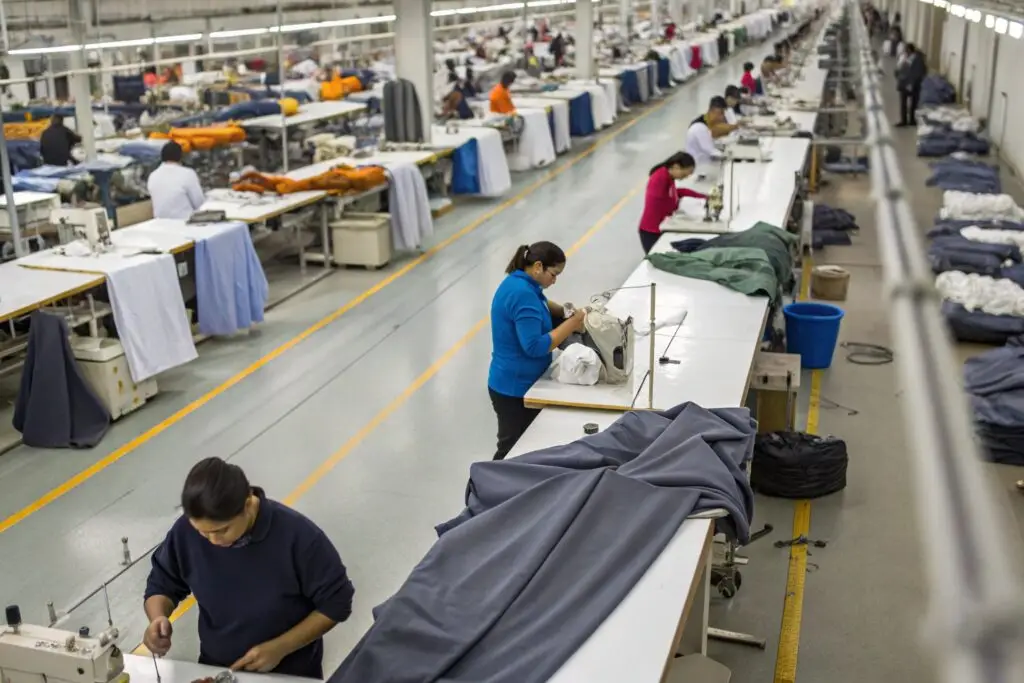
Garment manufacturing is the process of transforming raw materials into finished clothing through a series of steps, including design, cutting, sewing, and quality control. It’s a complex process that requires precision, expertise, and the right technology.
Now, let’s dive deeper into the garment manufacturing process and its key aspects.
What Is the Garment Manufacturing Process?
Garment manufacturing involves multiple stages, each crucial to producing high-quality clothing. But what exactly does this process entail? Let’s break it down.
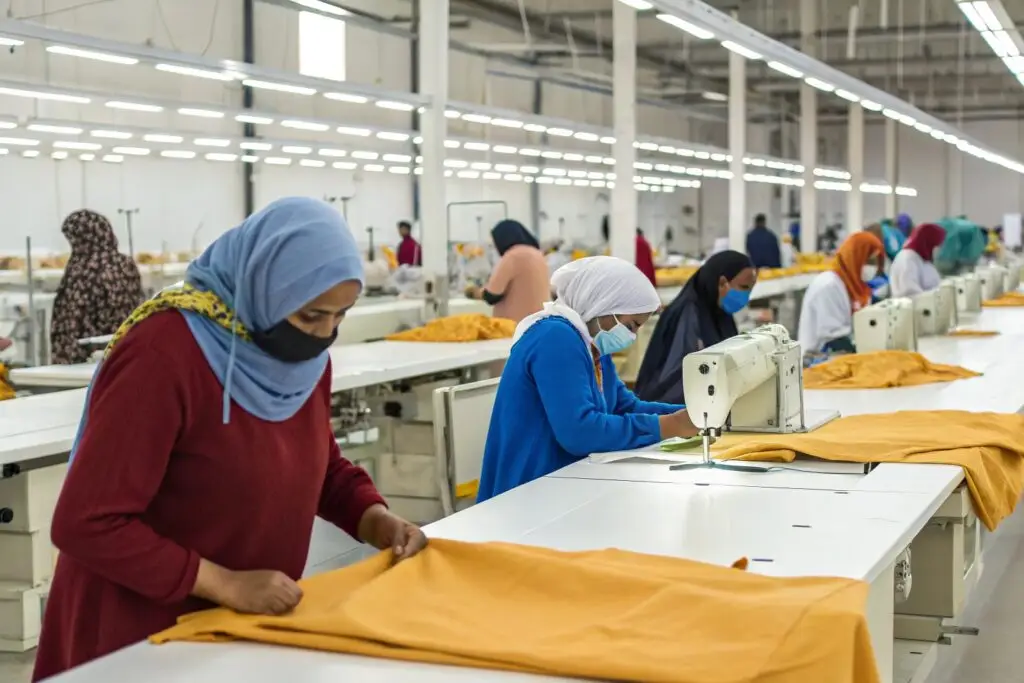
The garment manufacturing process includes design, pattern making, cutting, sewing, finishing, and quality control. Each step ensures that the final product meets the desired specifications and quality standards.
What Are the Key Steps in Garment Manufacturing?
Here’s a detailed look at the garment manufacturing process:
| Step | Description |
|---|---|
| Design | Creating sketches and tech packs to outline the garment’s design and specifications. |
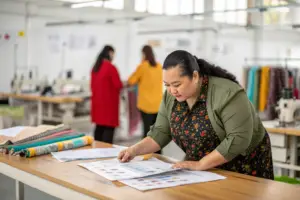
| Pattern Making | Translating the design into patterns that guide the cutting and sewing processes. |
| Cutting | Cutting fabric pieces according to the patterns. |
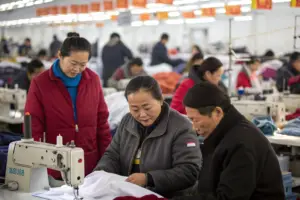
| Sewing | Assembling the fabric pieces into a finished garment. |
| Finishing | Adding final touches like buttons, zippers, and labels. |
| Quality Control | Inspecting the garment to ensure it meets quality standards. |
Why Is Each Step Important?
Each step plays a vital role in ensuring:
- Accuracy: The garment matches the design specifications.
- Efficiency: Streamlining the process to save time and resources.
- Quality: Producing durable and well-finished garments.
How to Choose a Reliable Garment Manufacturer
Choosing the right garment manufacturer is crucial for the success of your clothing line. But how do you find a reliable partner? Let’s explore.
To choose a reliable garment manufacturer, consider factors like experience, certifications, production capacity, communication, and quality control processes. A good manufacturer will align with your brand’s values and deliver high-quality products on time.

What Should You Look for in a Garment Manufacturer?
Here’s a checklist to help you evaluate potential manufacturers:
| Factor | Why It Matters |
|---|---|
| Experience | Experienced manufacturers are more likely to handle complex designs and challenges. |
| Certifications | Certifications like ISO and BSCI ensure ethical and quality standards. |
| Production Capacity | Ensure the manufacturer can handle your order volume and deadlines. |
| Communication | Clear and timely communication is essential for smooth collaboration. |
| Quality Control | Robust quality control processes ensure consistent product quality. |
How Can You Verify a Manufacturer’s Reliability?
To verify a manufacturer’s reliability:
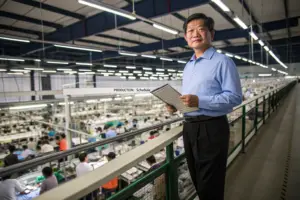
- Visit the factory: Assess their facilities and processes firsthand.
- Request samples: Evaluate the quality of their work.
- Check references: Speak to their previous clients to gauge their reputation.
Benefits of Local vs. Overseas Garment Production
When it comes to garment production, you have the option to choose between local and overseas manufacturers. But which is better? Let’s compare.
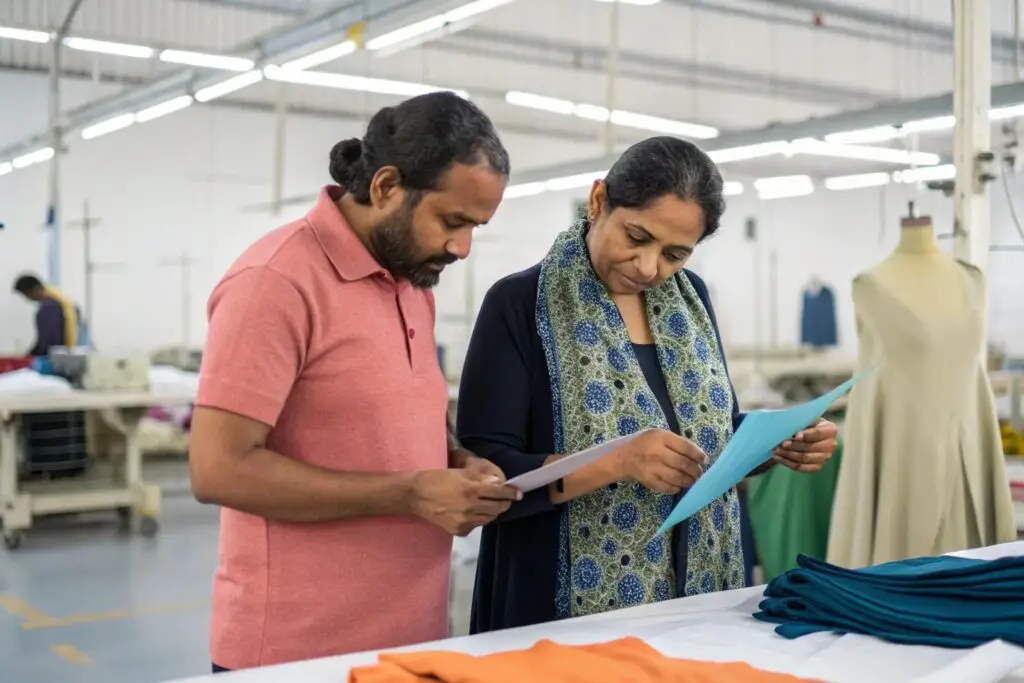
Local production offers faster turnaround times and easier communication, while overseas production often provides lower costs and access to specialized skills. The best choice depends on your brand’s priorities and budget.
What Are the Pros and Cons of Local Production?
Here’s a comparison of local and overseas garment production:
| Aspect | Local Production | Overseas Production |
|---|---|---|
| Cost | Higher labor and production costs. | Lower labor and production costs. |
| Turnaround Time | Faster production and shipping times. | Longer production and shipping times. |
| Communication | Easier communication due to similar time zones and language. | Potential language barriers and time zone differences. |
| Quality Control | Easier to monitor and visit factories. | Requires more effort to oversee quality control remotely. |
How Do You Decide Between Local and Overseas Production?
Consider the following factors:
- Budget: Overseas production is often more cost-effective.
- Timeline: Local production is faster for urgent orders.
- Quality: Local production allows for easier quality control.
- Sustainability: Local production may have a smaller carbon footprint.
Latest Technologies in Garment Manufacturing
The garment manufacturing industry is constantly evolving, with new technologies improving efficiency and quality. But what are the latest innovations? Let’s explore.
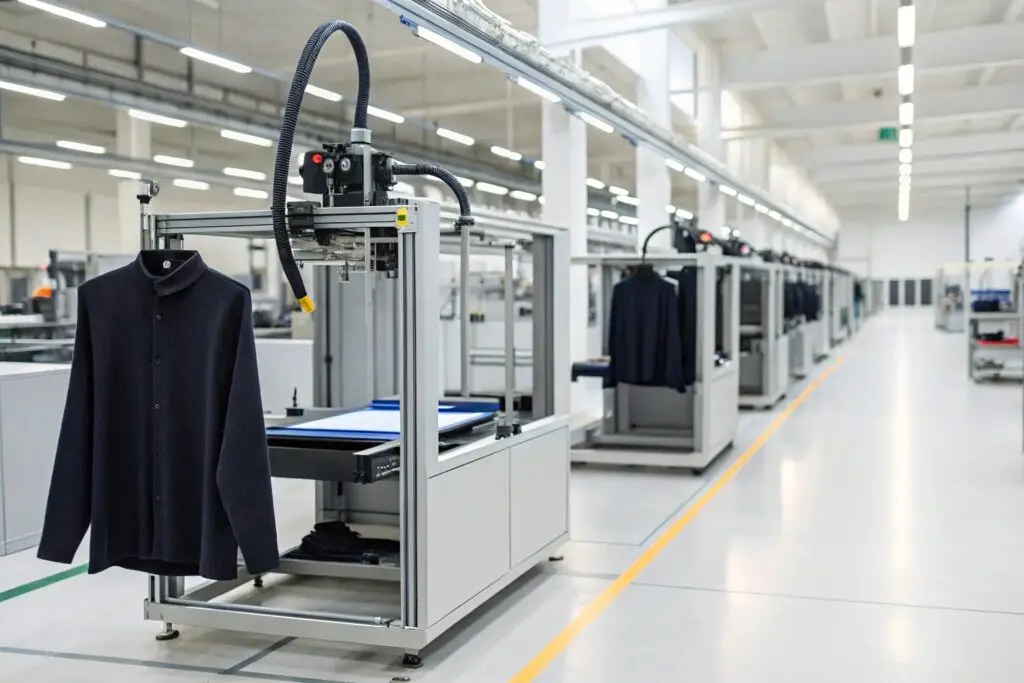
Recent advancements in garment manufacturing include 3D printing, automated cutting machines, AI-driven design tools, and sustainable production techniques. These technologies are revolutionizing the industry.
What Are the Key Technologies Transforming Garment Manufacturing?
Here’s a look at some of the latest technologies:
| Technology | Benefits |
|---|---|
| 3D Printing | Allows for rapid prototyping and customization. |
| Automated Cutting Machines | Increases precision and reduces fabric waste. |
| AI-Driven Design Tools | Enhances design accuracy and speeds up the design process. |
| Sustainable Techniques | Reduces environmental impact through eco-friendly materials and processes. |
How Do These Technologies Benefit Manufacturers?
These technologies offer:
- Increased efficiency: Faster production and reduced waste.
- Improved quality: Higher precision and consistency.
- Sustainability: Eco-friendly practices that appeal to modern consumers.
Conclusion
Garment manufacturing is a complex but fascinating process that combines creativity, technology, and precision. By understanding the steps involved, choosing the right manufacturer, and embracing the latest technologies, you can create high-quality garments that meet the demands of today’s market.