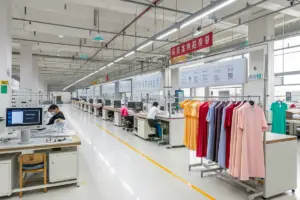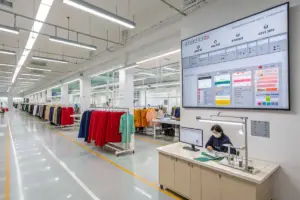
Are you curious about the different types of samples created in a garment factory and their roles in the production process? Let’s explore the various sample stages and their significance.
In a garment factory, multiple types of samples are created, including proto samples, fit samples, size set samples, and pre-production samples. Each type serves a specific purpose, ensuring the final product meets design and quality standards.
Now, let’s dive deeper into the types of samples and their importance in garment manufacturing.
What Are the Different Types of Samples in Manufacturing?
Garment manufacturing involves several sample stages, each with a unique purpose. Let’s break them down.
The main types of samples in garment manufacturing include proto samples, fit samples, size set samples, pre-production samples, and production samples. These samples help refine the design, ensure proper fit, and confirm production readiness.

What Are the Key Sample Stages?
Here’s a detailed look at the different sample types:
| Sample Type | Purpose |
|---|---|
| Proto Sample | The initial sample to visualize the design concept. |
| Fit Sample | Ensures the garment fits correctly on a model or mannequin. |
| Size Set Sample | Verifies the grading and fit across different sizes. |
| Pre-Production Sample | Confirms the final design, materials, and construction before mass production. |
| Production Sample | Represents the final product and ensures consistency during mass production. |
Why Are These Samples Important?
Each sample stage ensures:
- Design accuracy: The garment matches the designer’s vision.
- Fit consistency: The garment fits well across all sizes.
- Production readiness: The factory is prepared for mass production.
What Is GPT Sample in Garment Industry?
If you’ve heard the term “GPT sample” in the garment industry, you might wonder what it means. Let’s clarify.
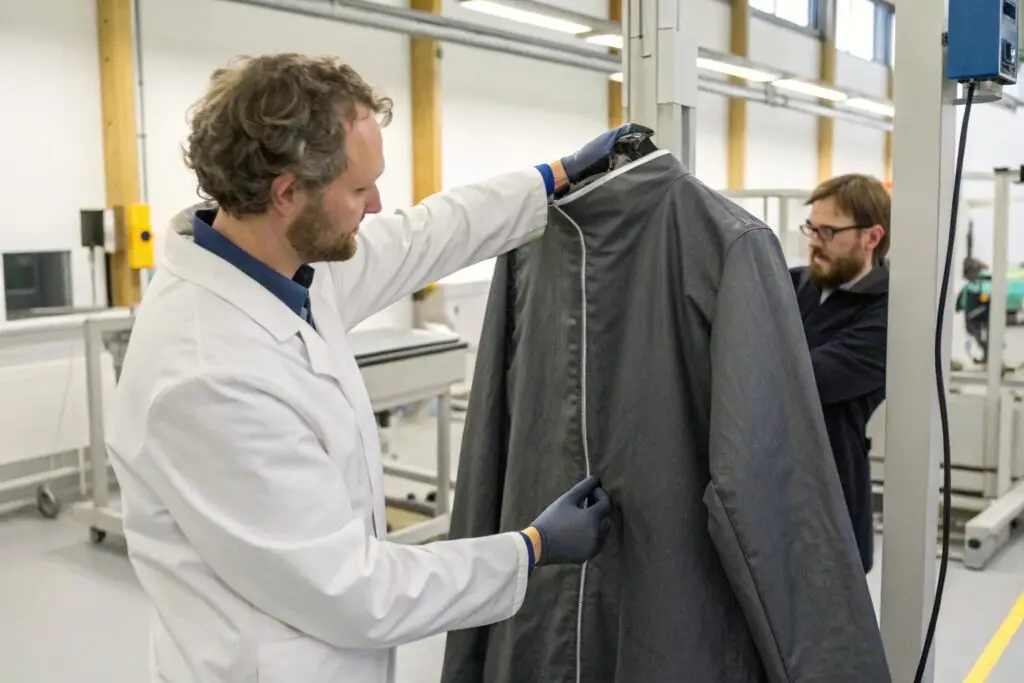
A GPT (Garment Performance Test) sample is used to test the durability, functionality, and quality of a garment. It ensures the final product meets performance standards and customer expectations.
What Tests Are Conducted on GPT Samples?
GPT samples undergo various tests, including:
| Test | Purpose |
|---|---|
| Wash Test | Checks how the garment holds up after multiple washes. |
| Colorfastness Test | Ensures the fabric color doesn’t fade or bleed. |
| Seam Strength Test | Measures the durability of seams under stress. |
| Fabric Pilling Test | Evaluates the fabric’s resistance to pilling. |
Why Are GPT Samples Important?
GPT samples help:
- Ensure quality: Identify potential issues before mass production.
- Meet standards: Comply with industry and customer requirements.
- Enhance durability: Produce garments that last longer and perform better.
What Is Sample Making in Garment Industry?
Sample making is a critical step in garment production, but what exactly does it involve? Let’s explore.
Sample making is the process of creating prototype garments to test design, fit, and functionality. It allows designers and manufacturers to refine the product before mass production.

What Are the Steps in Sample Making?
The sample-making process includes:
- Design Review: Discussing the design concept and requirements.
- Pattern Making: Creating patterns based on the design.
- Fabric Cutting: Cutting fabric pieces according to the patterns.
- Sewing: Assembling the fabric pieces into a garment.
- Fitting and Adjustments: Testing the fit and making necessary changes.
Why Is Sample Making Important?
Sample making ensures:
- Design accuracy: The garment matches the designer’s vision.
- Fit and comfort: The garment fits well and is comfortable to wear.
- Production readiness: Identifies and resolves potential issues early.
Which Sample Type Is Used for Fitting a Garment?
If you’re focusing on garment fit, you might wonder which sample type is used for this purpose. Let’s find out.
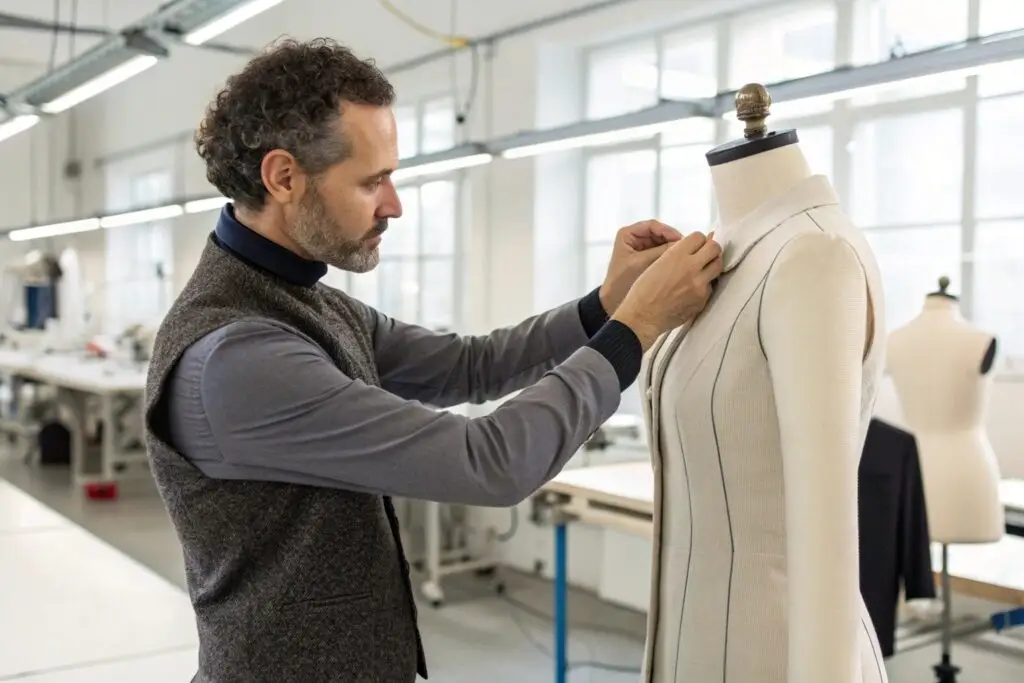
Fit samples are specifically used to test the fit of a garment on a model or mannequin. They ensure the garment fits well and meets the desired silhouette and proportions.
How Are Fit Samples Created?
Fit samples are created by:
- Using initial patterns: Based on the design specifications.
- Sewing a prototype: Assembling the garment for fitting.
- Testing on a model: Ensuring the fit is accurate and comfortable.
Why Are Fit Samples Important?
Fit samples help:
- Achieve the right fit: Ensuring the garment fits well across different body types.
- Refine the design: Making adjustments to improve comfort and aesthetics.
- Prevent issues: Avoiding fit-related problems during mass production.
Conclusion
Understanding the different types of samples in garment manufacturing is crucial for ensuring quality, fit, and production readiness. From proto samples to GPT samples, each stage plays a vital role in creating garments that meet design and performance standards.