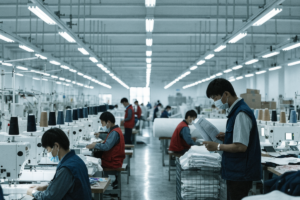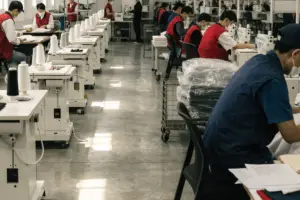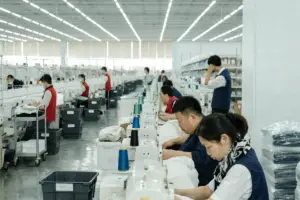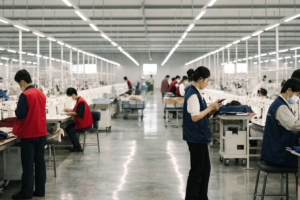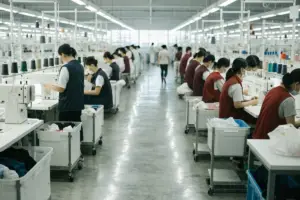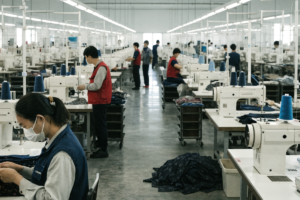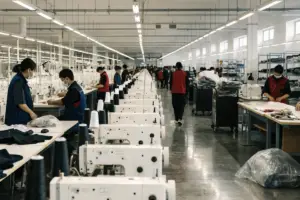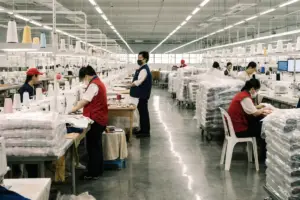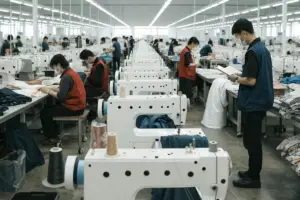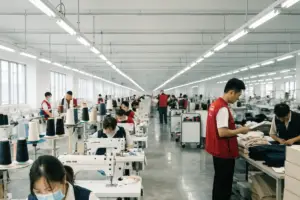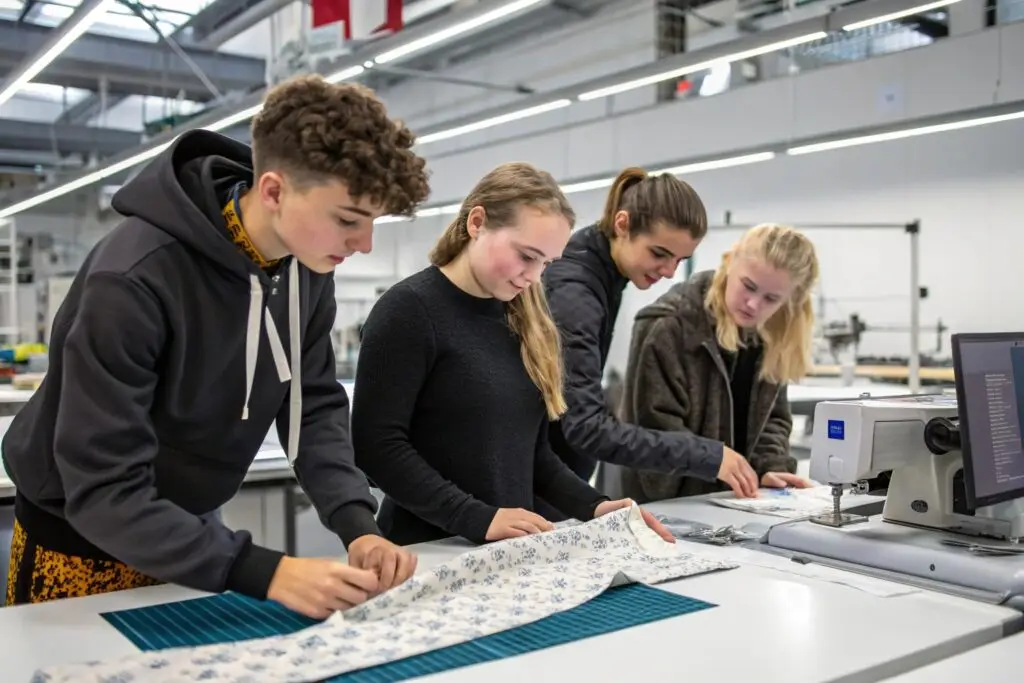
From catwalks to cut tables, British fashion needs a new generation of hands-on talent—and Gen Z might be the answer, if the message is right.
To attract Gen Z to fashion manufacturing, UK brands are modernizing narratives around factory work—connecting it with tech, sustainability, and purpose to meet Gen Z’s career values.
At Fumao, we partner with brands who know the future of making clothes depends not just on machines—but on people who believe it matters. Here’s how Gen Z could revive British manufacturing.
What Do Gen Z Want From Fashion Industry Careers?
Forget job titles—Gen Z wants roles with meaning, innovation, and a visible impact on the world.
Gen Z wants careers that are creative, flexible, ethically aligned, and digitally forward. They care less about climbing corporate ladders and more about working with values-driven, future-ready brands.

What does Gen Z look for in a job?
- Purpose: Climate, diversity, social impact
- Work–life balance: Mental health and time autonomy matter
- Growth: Digital skills, hands-on learning, real progression
- Transparency: Honest leadership and brand ethics
- Creativity: Roles that involve design thinking and collaboration
A UK survey from 2024 found that 61% of Gen Z respondents would consider a career in fashion if sustainability and tech1 were part of the job.
Manufacturing offers all of this—but few see it that way.
What’s keeping Gen Z from choosing factory-based roles?
- Outdated perceptions (low-skill, low-pay, repetitive)
- Lack of visibility on career paths in production
- Poor brand storytelling about what factories really do
- Association with fast fashion exploitation
The solution? Reframe production as purposeful craft—powered by innovation.
How UK Brands Are Rebranding Manufacturing for Youth?
British brands are learning: if you want to attract Gen Z, you have to speak their language—and show them a future in making.
UK brands are reviving interest in garment production by rebranding manufacturing as sustainable, high-tech, and culturally relevant through outreach, apprenticeships, and influencer-backed campaigns.
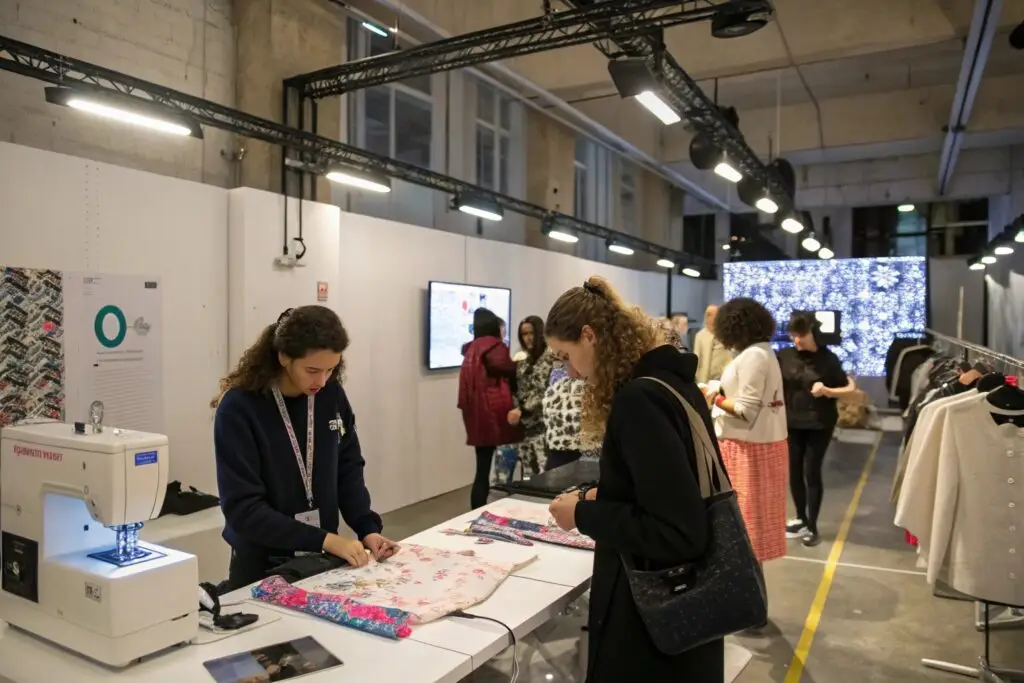
What are brands doing differently?
- Partnering with schools for creative tech-focused apprenticeships
- Featuring makers in digital marketing and behind-the-scenes videos
- Launching urban microfactories2 with Gen Z-led styling teams
- Using TikTok and Instagram to share real factory stories
Brands like Burberry, Christopher Raeburn, and Community Clothing are leading the charge by making British-made a badge of honor again—not just for consumers, but for young workers.
One initiative, Make it British3, has seen a surge in applications for UK-based garment technician roles after promoting design-to-finish stories4 from small-batch factories in London and Manchester.
What helps Gen Z see factories as future-facing?
- Highlight the tools (3D printers, laser cutters, zero-waste patterns)
- Show career paths from seamstress to product developer to sustainability lead
- Use brand collabs (streetwear x factory content = viral potential)
- Build community identity around ethical local production
Manufacturing needs a glow-up—and Gen Z can be the generation to wear it.
Can Tech and Sustainability Make Factory Jobs Cool?
Yes—because Gen Z sees both as essential to the future of work.
Tech and sustainability are key to making factory roles relevant for Gen Z, who associate purpose and progress with ethical innovation, not mass production.
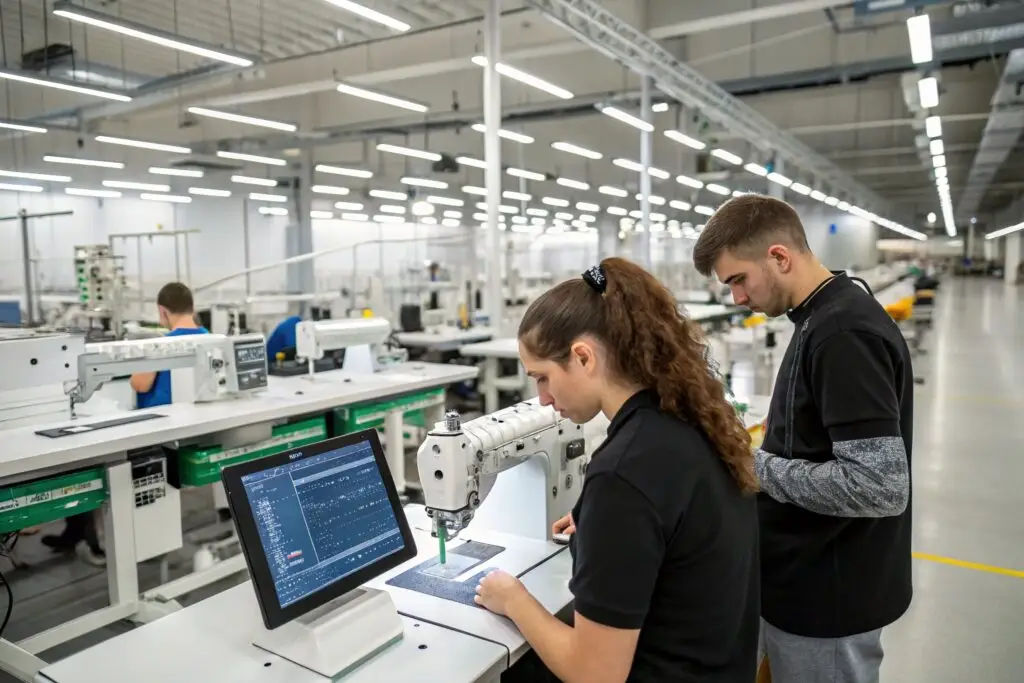
What technologies are reshaping the garment production process?
- 3D sampling software (CLO3D, Browzwear)
- Laser-cutting and automated sewing lines
- Digital pattern archives and AR-guided tailoring
- Blockchain-enabled material traceability
- Zero-waste design tools
We’ve helped factories that adopted digital garment lifecycle tracking5 attract Gen Z interns specifically interested in climate impact reduction through tech6.
How do sustainability goals attract new talent?
Gen Z doesn’t want to greenwash—they want action:
- Factories that run on renewable energy
- Use of deadstock or recycled fabrics
- Commitment to zero-waste cutting rooms7
- Take-back and repair systems tied to production
If manufacturing roles help reduce fashion’s footprint, Gen Z will proudly take part.
Why Gen Z’s Values Are Reshaping Apparel Workspaces?
They won’t work just to earn—they’ll work to express, align, and build something better.
Gen Z is reshaping fashion workplaces with demands for mental health support, diversity, digital learning, and flexible roles that blend craft with impact.

How are apparel workplaces changing?
| Value Priority | Resulting Workplace Shift |
|---|---|
| Mental Wellness | Break zones, counseling, quiet spaces |
| Inclusivity | Diverse hiring, gender-neutral roles |
| Skill Progression | Cross-training, digital certification |
| Collaboration | Flat teams, maker–designer partnerships |
We’ve seen UK factories create "maker mentorship programs8" that pair older technicians with younger hires—building multi-generational knowledge and reducing turnover.
What Gen Z wants from their workspace:
- A sense of impact (“My work reduced waste this week”)
- A sense of skill (“I can grow into tech roles”)
- A sense of belonging (“I see people like me here”)
Rewriting the narrative isn’t optional—it’s the entry ticket.
Conclusion
British fashion has a golden opportunity: invite Gen Z not just to wear the future—but to make it. With tech, sustainability, and meaningful storytelling, the factory floor can become a platform for the next creative generation. At Fumao, we’re ready to stitch this future—together.
-
Explore how sustainability and tech are transforming fashion careers, making them appealing to Gen Z. ↩
-
Discover how urban microfactories are revolutionizing production and empowering Gen Z in fashion. ↩
-
Explore how the Make it British initiative is revitalizing the UK garment industry and attracting new talent. ↩
-
Learn about design-to-finish stories and their role in promoting transparency and craftsmanship in fashion. ↩
-
Explore how digital garment lifecycle tracking can enhance sustainability and attract talent in the fashion industry. ↩
-
Discover innovative technologies that are making a real difference in reducing climate impact in the fashion sector. ↩
-
Learn about zero-waste cutting rooms and how they contribute to sustainable practices in garment production. ↩
-
Explore how maker mentorship programs enhance skills and reduce turnover in apparel workplaces, fostering a collaborative environment. ↩