Modern apparel buying is a balancing act. Order too little—missed revenue. Order too much—costly markdowns. But what if you could predict styles with surgical precision?
AI-driven trend forecasting uses big data—from social media, e-commerce, runway shows, and seasonal history—to reduce overstock by up to 40%, giving brands smarter inventory control.
Here’s how it works, why it matters, and how sourcing teams can adopt it today.
Why Overstock Is a Persistent Profit Killer
Even a 5% overproduction can slash margins. The result: excess stock, discount markdowns, and storage fees.
Every year, unsold apparel eats into profits—and conventional forecasting still struggles to adapt to fast fashion cycles.
How Big Is the Problem?
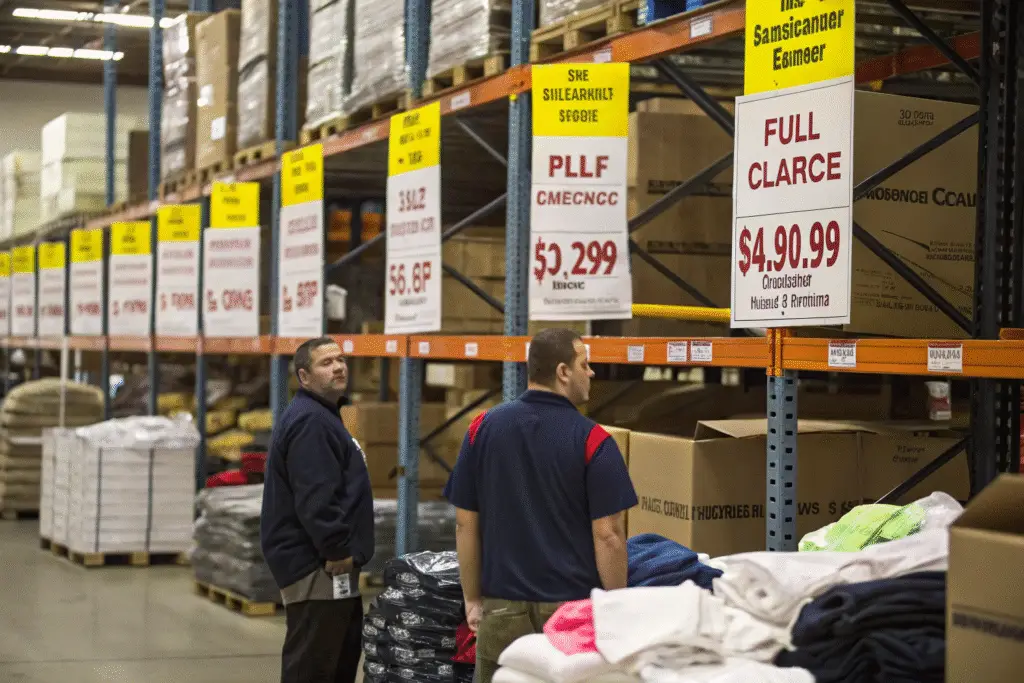
Brands in the US and EU hold up to 20 weeks of excess inventory annually, per the Journal of Fashion Marketing. That’s millions worth of capital tied up—and often liquidated at 30–70% off.
How AI Forecasting Works in Practice
AI ingests large, varied datasets—trend reports, video content, retail POS—to predict what styles will resonate next season.
With machine learning, AI forecasts SKU-level demand weeks in advance—letting brands adjust orders proactively.
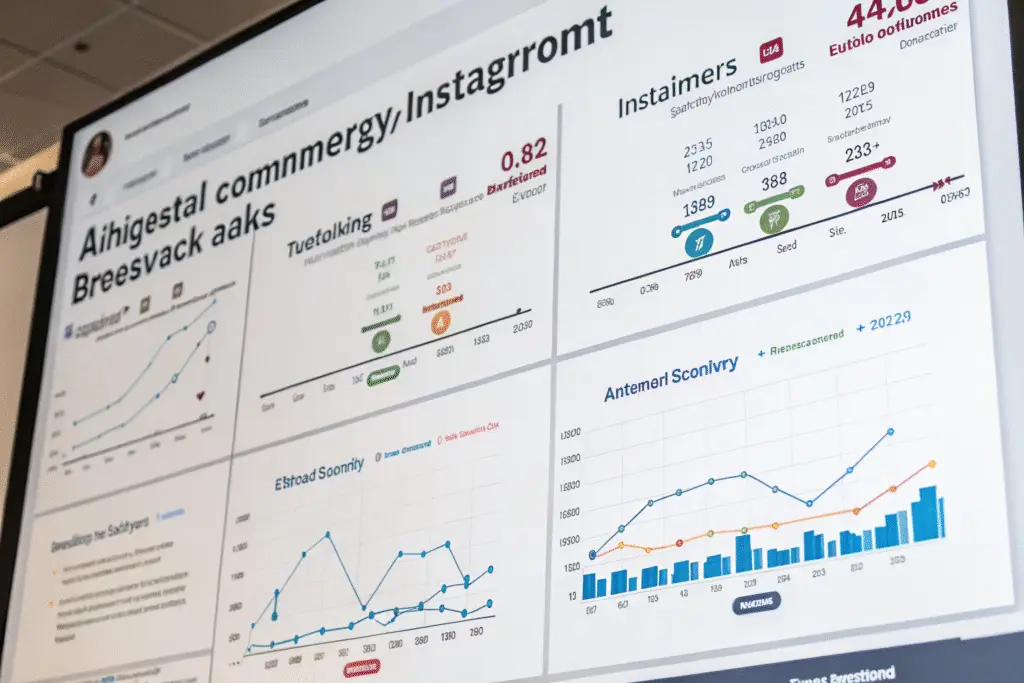
What Data Does AI Use?
- Social platforms (TikTok, Instagram) for emerging styles
- Online search trends and e-commerce click volume
- Runway-to-retail timing correlations
- Internal POS and sell-through data
That allows far more accurate SKU-level insights than traditional models.
How Accurate Is It?
Studies show machine-learning models can reduce over-forecasting by 25–40% and cut stockouts by 20–30% (McKinsey, AI in retail).
What Value Does AI Bring to Sourcing Operations?
Sourcing teams gain clarity on what—and how much—to produce.
Accurate forecasting means smaller, smarter orders—reducing overstock without risk. And fewer markdowns mean bigger returns.
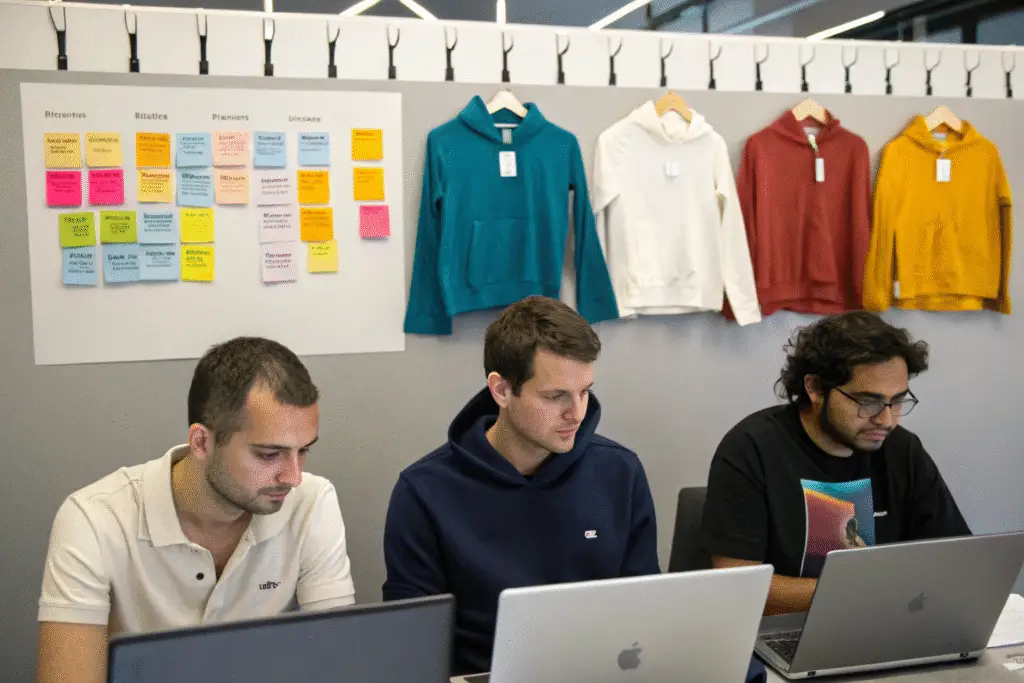
Does It Improve Order Efficiency?
Yes. Brands reduce unnecessary orders, freeing up factory capacity and cash flow for proven styles—improving production ROI.
Can It Shorten Lead Times?
Might. AI insights fed early into sourcing meetings can trigger rapid ‘lightning replenishments’ for fast movers—keeping lines fresh with minimal investment.
How to Implement AI Forecasting Successfully
Integration is essential.
Follow these steps:
- Gather historical sell-through, POS, e-comm, and trend data
- Pick a specialized AI provider (e.g., Heuritech, WGSN Instock)
- Run pilot forecasts for one season
- Sync forecasts with sourcing team and factory
- Scale after measuring accuracy vs actual sales
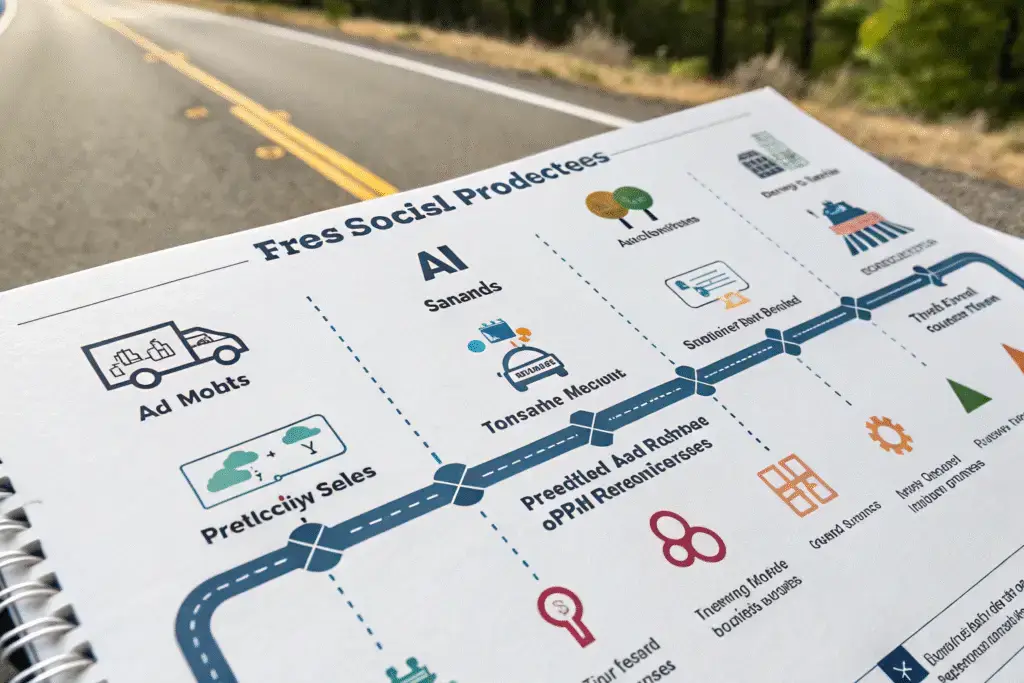
Which Providers Are Market Leaders?
Sales-focused AI tools include:
- Heuritech — analyzes social media fashion trends
- Edited — tracks retail pricing and assortment data
- WGSN Instock — connects forecasting to replenishment suggestions
Each offers SKUs insights, trend alerts, and sourcing recommendations.
What Are the Data Integration Requirements?
You’ll need:
- Clean historical sales & POS data (>12 months)
- Digital asset planning references (skus, fabrics)
- Social/retail data feeds
- Collaboration platform for forecast visibility
What ROI Can Brands Expect?
Numbers matter.
Brands see average returns like:
- 20–40% less excess inventory
- 15–30% fewer markdown sales
- 10–20% improvement in core margins
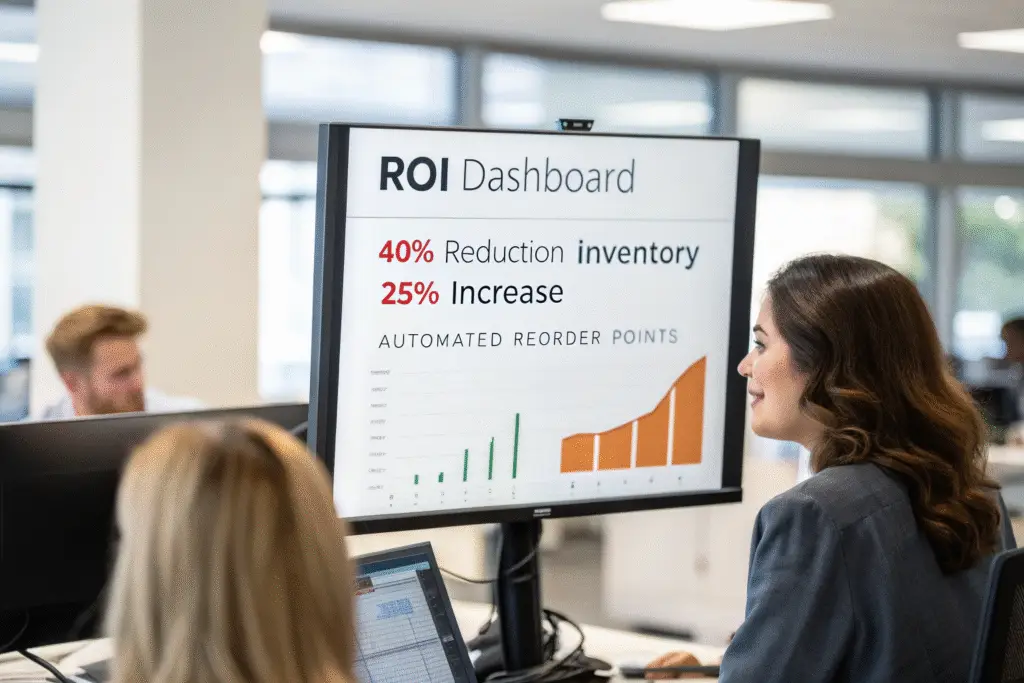
How Soon After Adoption?
Early adopters report 1–2 seasonal cycles to see clear ROI—usually within 6–12 months.
Is It Only for Large Brands?
Not any more. SaaS models make AI affordable for SMBs—demand forecasting costs start at $10k–$20k/year, with ROI within the first two seasons.
Conclusion
AI-powered trend forecasting is not hype—it’s a powerful tool reshaping fashion sourcing. By leveraging real-time data and machine learning, brands can cut overstock by nearly 40%, reduce markdowns, and produce smarter.
If you’re tired of clearance dumps and capital tied up in warehouses, it’s time to let AI inform your next bulk order. Ready to start forecasting more accurately?