I see too many brand owners staring at a sourcing spreadsheet, paralyzed by a single number. The cost per unit for a basic cotton twill short is predictable and safe. Then you see the quote for a 100% linen short, and it is often 40% to 60% higher. Your finger hovers over the delete key. But here is what I have learned after twenty years in this business: deleting that linen option is often the most expensive mistake you can make. If you are building a brand, not just shuffling commodities, you are not just paying for fabric. You are buying a story, a margin booster, and a customer who returns season after season.
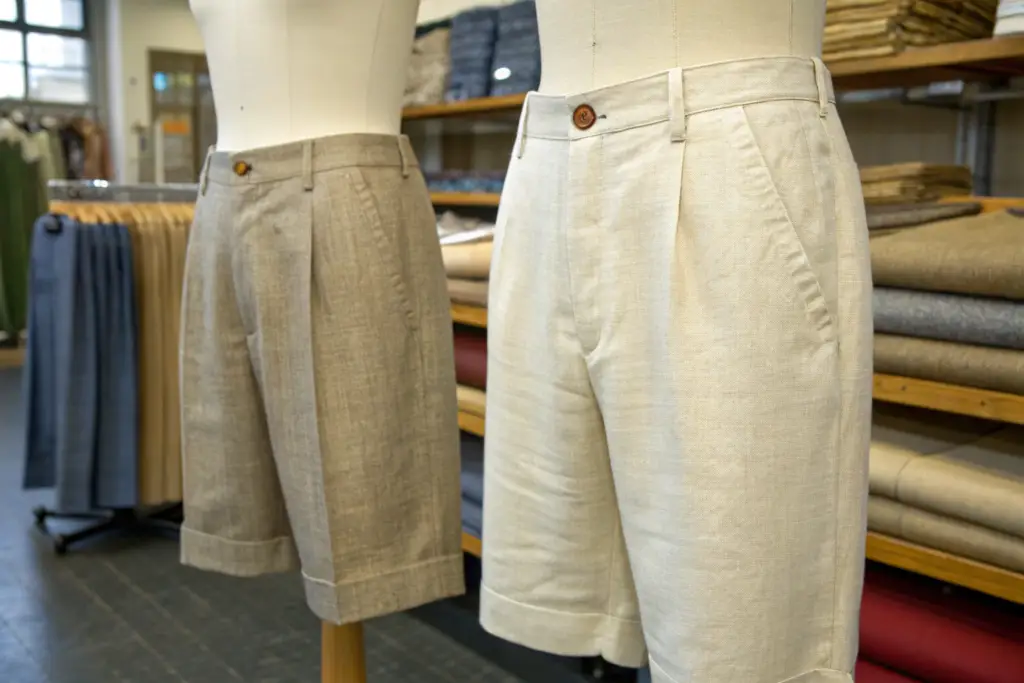
Classic men's linen shorts justify their higher FOB cost through a powerful combination of elevated retail pricing power, significantly higher repeat purchase rates due to the fabric's unique thermoregulatory performance, and the premium brand positioning that attracts a loyal, less price-sensitive customer base, making the return on investment far superior to basic cotton alternatives in the mid-to-high-end US market.
I run a factory that produces both basic cotton shorts and high-end linen blends every day. I see the margins on both sides of the table. The brands that commit to natural fibers like linen are the ones that grow sustainably. They are not stuck in a race to the bottom against giant fast-fashion wholesalers. They have found their niche. Let me break down the real math behind that higher per-unit cost, and more importantly, show you how to market that cost difference into a profit multiplier.
What Makes Linen Fabric More Expensive Than Cotton?
When I first started working with linen fabrics back in 2008, I made a costly assumption. I treated it like a heavy cotton drill. I ran it through our standard cutting machines at the same speed, and the fabric slipped and distorted so badly that we lost nearly 15% of the material in waste. That day, I learned that linen demands respect from the very first click of the shears. Its higher cost is not artificial inflation by the textile mills; it is baked into the agricultural reality and the manufacturing physics of the fiber itself.
The price gap between linen and cotton starts on the farm, where flax cultivation requires specific cool, humid climates and labor-intensive retting processes, and it extends into our factory floor, where linen's low elasticity demands slower machinery speeds and higher-skilled labor to prevent seam slippage and material waste. Understanding this justifies the premium to your own customers.
Why Does Flax Cultivation Drive Up Linen’s Raw Material Cost?
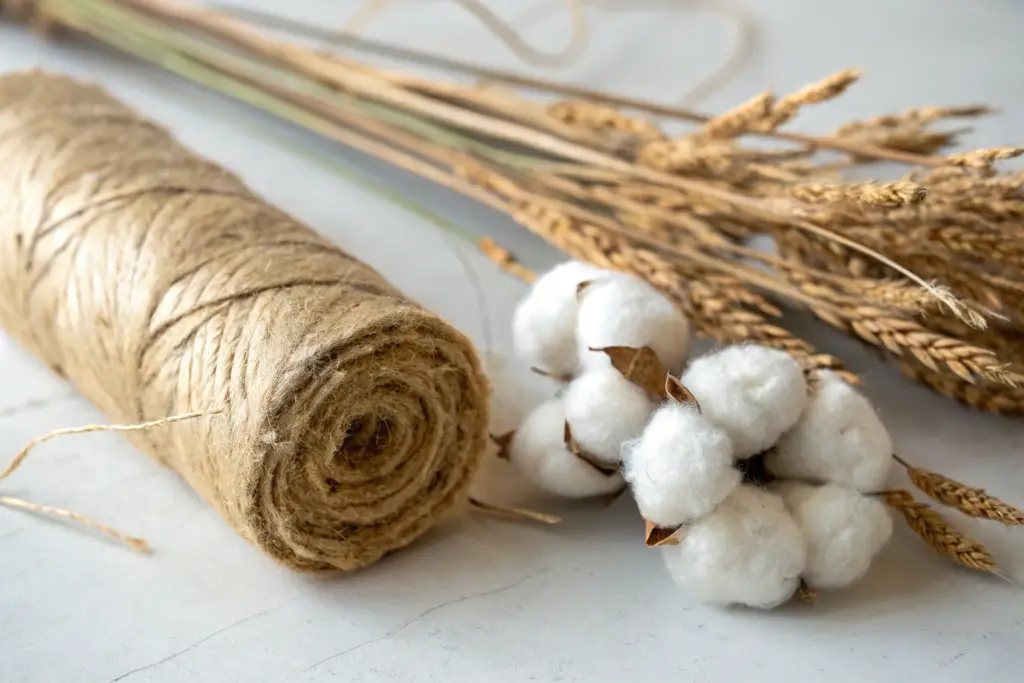
The story of linen begins long before the yarn is spun. Flax, the plant that gives us linen, is temperamental. It thrives in a narrow geographical belt, predominantly in Western Europe, where the soil and rainfall create perfect growing conditions. Unlike cotton, which has been heavily mechanized globally, the flax harvesting process remains surprisingly labor-intensive. The plant must be pulled from the soil, not cut, to preserve the full length of the bast fibers that run from root to tip.
Then comes the retting process, where the woody stalk is partially rotted away to release those valuable inner fibers. This used to be done purely in rivers, but today’s high-quality linen fabric production relies on controlled dew-retting on the field. It takes weeks. It depends on the weather. If the conditions are too wet, the fiber weakens; too dry, and the separation fails. This inherent risk and the multi-stage mechanical scutching and hackling required to separate the long line fibers from the short tow fibers make raw flax significantly more expensive per pound than a mechanically harvested bale of US cotton. When we source our certified European flax, the premium is immediately visible on the supplier invoice.
How Does Manufacturing Complexity Affect the Final Linen Short Cost?
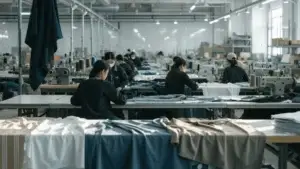
Linen’s challenges move from the field right into the cutting room. The fiber has almost zero natural stretch. While this creates a crisp, airy garment, it is a nightmare during high-speed mass production. When we cut a large stack of linen, the lack of grip between the fibers means the bottom layers can shift, ruining the precision of the pattern piece.
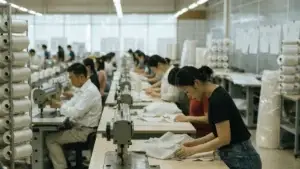
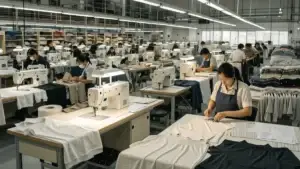
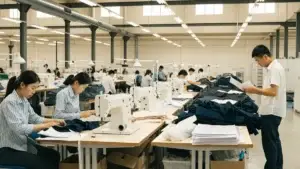
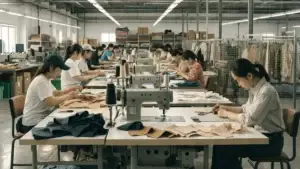
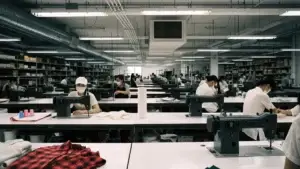
Furthermore, linen yarns are inherently slubby and irregular. This is part of their charm, but it means our sewing machine tension settings must be constantly calibrated. A seamstress working on linen needs to watch for seam puckering and needle cutting. In our production line at Shanghai Fumao, we often have to reduce machine speeds by roughly 20% compared to cotton to maintain clean topstitching. The finishing process also adds cost. High-quality garment dyeing and washing of linen requires specialized enzymes to soften the hand feel without weakening the fabric, adding another layer of processing expense that basic cotton shorts never see.
Can Linen Shorts Justify Their Price Through Customer Loyalty?
I remember a conversation with a boutique owner from Nantucket who runs a small but fiercely loyal brand. She was frustrated because her sales volume was flat compared to the big e-commerce players. We analyzed her data and found something surprising. While her cotton shorts attracted one-time bargain hunters, her linen shorts had a 60% repeat purchase rate within the same season. Customers would buy the natural color in May and come back for the navy in June. This isn't loyalty to a brand logo; it’s loyalty to a sensation.
The intrinsic functional benefits of linen—specifically its ability to lower body heat by conducting moisture away from the skin and its evolving softness over time—create a physical addiction that transforms a simple commodity purchase into a loyalty-driving customer experience, effectively lowering your long-term customer acquisition costs.
What Functional Benefits Make Customers Choose Linen Over Cotton?
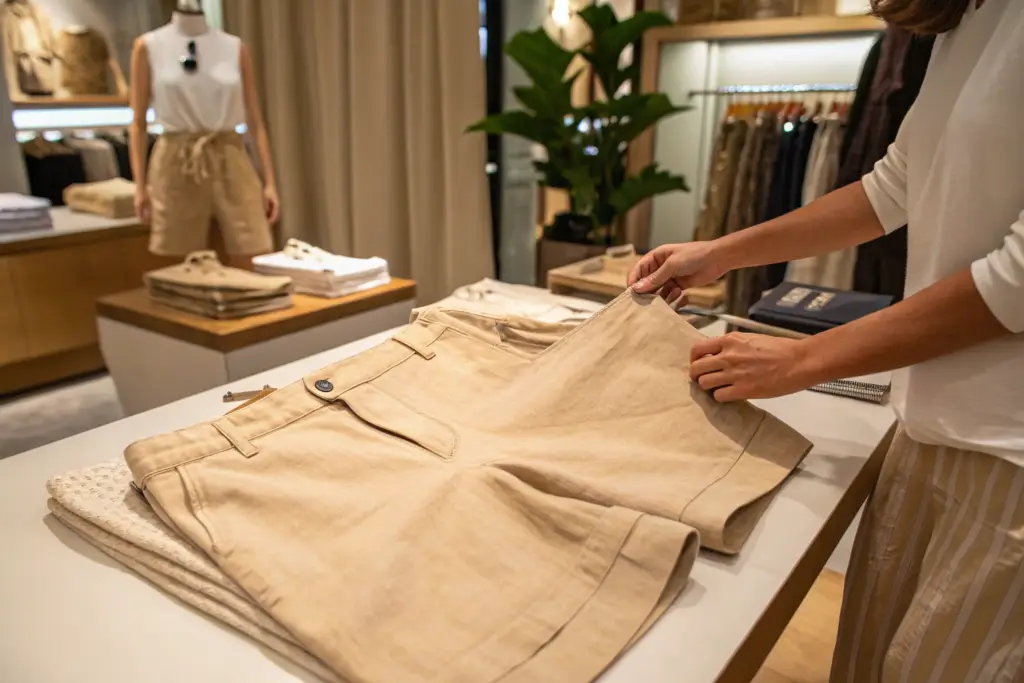
The US market is waking up to performance fabrics, but a growing segment is rejecting synthetic chemical treatments in favor of natural solutions. Linen is the ultimate natural performance wear. The hollow core of the flax fiber acts like a capillary system. When a customer wears a pair of our classic linen shorts on a 90-degree day, the fabric actively wicks perspiration away from the skin and evaporates it into the air.
This thermoregulation is not a marketing gimmick. Studies on thermal comfort of textiles show that linen can lower the microclimate temperature between the skin and the garment by 3 to 4 degrees Celsius compared to cotton. This makes a tangible difference. When a consumer experiences that cooling effect, they don't just like the shorts; they need them. They become vocal advocates. For a brand, selling a functional solution rather than just a fashion item means you are building a relationship based on utility. That relationship is broken much harder than a cheap trend.
How Does the Aging Quality of Linen Increase Perceived Value?
Cotton shorts degrade. They fade in high-stress areas, lose their shape around the knee, and eventually become polishing rags. Linen, however, evolves. It is one of the few fibers that actually becomes softer and more lustrous with every wash cycle without losing its structural integrity. The initial stiffness of new linen melts away to reveal a supple, fluid drape.
This aging process is a silent salesman for your brand. When an old customer wears a two-year-old pair of your linen shorts next to a new customer wearing a fresh pair, the difference is noticeable. We once developed a washed linen short for a San Diego client where we stone-washed the garment with volcanic pumice stones to accelerate this softening effect at Shanghai Fumao. The client then branded this as "Vintage Comfort Right Out of the Box." This narrative allows you to command a price point that reflects not just a disposable summer item, but a durable good that gets better with age. It justifies the retail markup entirely.
How to Market the Higher Price Point of Linen Effectively
Talking a customer into paying $98 for a pair of shorts when they are surrounded by $25 polyester options requires a totally different marketing playbook. I have seen too many brands make the fatal error of marketing their premium linen line using the same boring specs they use for their basics. "100% Linen. Side Pockets. Zip Fly." That copy is a profit killer. You are not selling a spec sheet; you are selling an identity and a solution to a specific pain point: sweltering heat and cheap-looking clothes.
Effective marketing for higher-priced linen shorts relies on translating technical features into sensory benefits through origin storytelling, while using transparent cost-breakdown visuals to disarm the price objection and position the garment as an intelligent investment rather than an indulgent expense.
Why Should You Use Storytelling to Sell the Linen Origin?
American consumers are incredibly disconnected from the agricultural pipeline, which creates a massive opportunity for storytelling. They might not know that the flax fields of Normandy bloom a beautiful periwinkle blue for just two weeks a year. They likely have no idea that there is such a thing as Masters of Linen certification. This is your margin hiding in plain sight.
You need to build a narrative around traceability. When we supply a brand, we provide a full certification pack that traces the fiber back to its European origin. We encourage our brand partners to use this in their brand storytelling. Instead of saying "high-quality fabric," you say "Grown in the rainy basins of France and woven by a third-generation Italian mill." This explains the cost without mentioning the cost. Buyers, especially store owners buying from you wholesale, need these sound bites to sell to their own retail customers. A tag that highlights the Masters of Linen certification instantly transforms a commodity short into an heirloom object, justifying a price point four times higher than a standard unbranded alternative.
How Can a Cost-Breakdown Strategy Win Over Skeptical Wholesale Buyers?
Wholesale buyers are trained skeptics. They are like me; they want to see the math. When I sit down with a CEO who pushes back on the $12 FOB price for a linen short versus an $8 cotton short, I don't get defensive. I open the books. A transparent cost breakdown is the most effective sales tool you have.
Here is a rough breakdown I often share with my clients for a typical high-quality linen short order:
| Cost Component | Percentage of Total FOB | Key Quality Indicator |
|---|---|---|
| Premium Flax Fabric | 45% | Cert. European Origin / 200 GSM weight |
| Garment Wash & Softening | 10% | Enzyme wash for zero skin irritation |
| Trim (Buttons/Zippers) | 8% | Mother-of-pearl buttons / YKK zipper |
| Cut & Make Labor | 22% | 20% slower production speed for quality |
| Factory Overhead & Margin | 15% | Ethical audit compliance & logistics |
I tell them, "Look at the 45% fabric cost. That is where your customer's comfort lives. The 10% for enzyme washing? That's why the shorts won't feel like a burlap sack." This transparency flips the conversation. They stop seeing a commodity price and start seeing a value stack. At Shanghai Fumao, we advise our brand partners to use a similar simplified graphic on their B2B wholesale line sheets. When a boutique owner sees exactly where the money goes, the objection almost always shifts from "it's too expensive" to "how soon can I get a sample."
Is Sourcing Linen Shorts a Sustainable Choice for Brands?
Sustainability is no longer a niche marketing angle for a few eco-warriors in Portland. It is a boardroom mandate. The big players like Walmart and Target are driving this down, but for independent brands, it is a tightrope walk. You need to claim eco-responsibility without being accused of greenwashing. I have seen a client's whole online launch sabotaged by a single Instagram comment pointing out a plastic button on a supposedly "green" garment. Linen, if handled correctly, gives you a very solid foundation to stand on because the facts back up the feel-good story.
Linen shorts offer a defensible sustainability platform because flax cultivation requires minimal irrigation and pesticides compared to cotton, and the end product is fully biodegradable, but the brand must audit the entire chemical input chain—from retting to dyeing—to avoid hidden ecological contradictions.
How Does Flax Compare to Cotton in Water and Pesticide Usage?
The environmental price tag of cotton is becoming common knowledge. Conventional cotton is a thirsty, chemical-intensive crop. It covers about 2.5% of the world's cultivated land but accounts for a staggering 16% of global insecticide use. That is a statistic your competitors likely don't want your customers to recall.
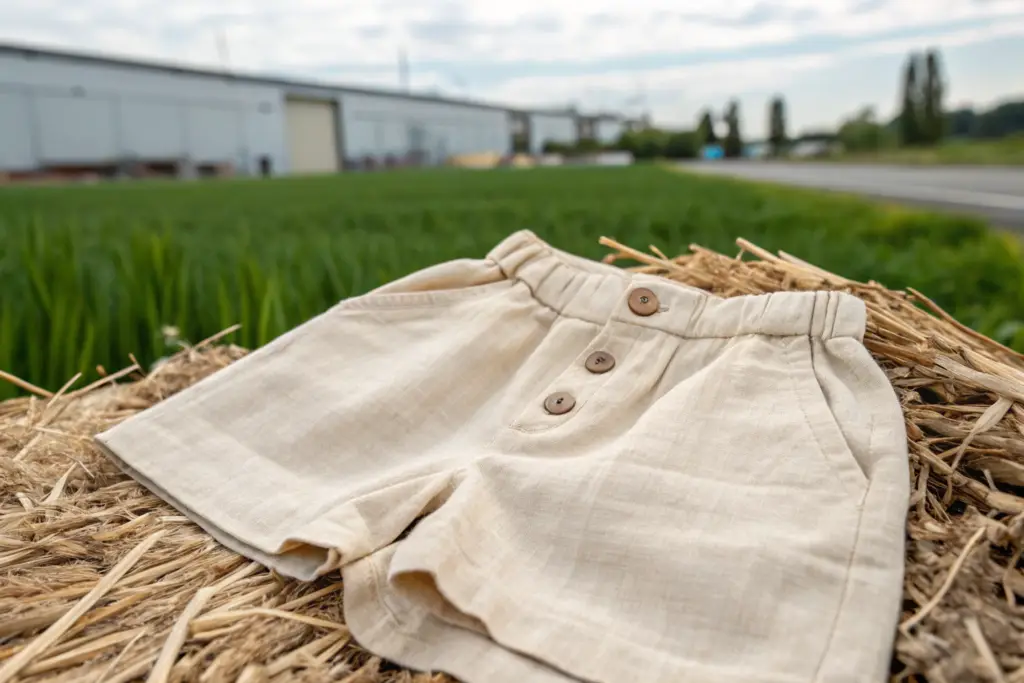
Flax, by stark contrast, typically relies on natural rainfall. In the optimal growing zones of France and Belgium, irrigation is almost never used. The crop also naturally suppresses weeds, reducing the need for herbicides. According to data from the European Confederation of Flax and Hemp, growing one hectare of flax sequesters roughly 3.7 tons of CO2 annually. When you are presenting to a California brand owner who is sensitive to the environmental impact of fashion, these numbers are lethal to a cotton-based pitch. By choosing our linen shorts, you are not just selling a garment; you are selling a lower water footprint. This is a quantifiable competitive advantage that justifies the higher per-unit cost, especially for the Gen Z and Millennial demographic that actively scans for these metrics before clicking "buy."
Can Chemical Finishing Undo Linen’s Natural Eco-Benefits?
This is the uncomfortable truth that most factories won't tell you, but I will. While raw flax is a saint of sustainability, a bad finishing process can turn it into a sinner. If you take that beautiful, natural beige linen and bleach it stark white using chlorine, or if you apply a cheap azo-dye to get a trendy neon color, you essentially nullify the environmental credit card you just earned.
True sustainability in linen means committing to eco-finishing. At our factory, we have shifted a significant portion of our production to reactive dyes that have a much higher absorption rate, meaning less chemical runoff into the water supply. We also offer mechanical softening techniques as an alternative to heavy silicone softeners. For brands, the commitment must go deeper than the fiber. Your hardware must be aligned too; a biodegradable corozo nut button speaks a completely different language than a cheap polyester resin button. I once helped a Vancouver-based startup redesign their trim package for a fully circular linen short. We removed the synthetic fusible interfacing from the waistband and replaced it with a stitch-bonded cotton alternative. This detail allowed them to legally market the short as "home compostable." Being able to make that claim in a crowded market completely insulated their pricing, proving that true sustainability is the ultimate conversion killer for high prices.
Conclusion
So, is the higher per-unit cost of classic men's linen shorts worth it for your brand? The evidence points to a compelling yes, provided you are playing the long game. You are not just paying for a piece of fabric; you are investing in a fiber with a rich agricultural story, a functional performance that keeps skin cool and dry, and a durability that sees it soften gracefully over time rather than falling apart. We have seen how this inherent quality translates directly into lower customer acquisition costs through powerful word-of-mouth and repeat purchases.
The true value unlock, however, comes when you control the narrative. By leaning into origin storytelling and offering radical transparency in your cost breakdown, you transform a $12 FOB product into a $98 retail experience that buyers feel good about. The final layer of value is the defensible sustainability story. With flax using a fraction of the water and pesticides demanded by cotton, and with the right circular finishing choices, your linen short becomes a badge of environmental responsibility, not just a summer fashion item.
If you are ready to elevate your brand with a cut-and-sew program that respects the complexity of natural fibers, we are prepared to be your manufacturing partner. We understand how to navigate the slower production speeds, the specialized washes, and the trim sourcing required to make a linen product that truly sells itself. For a direct consultation on launching your premium linen collection, please reach out to our Business Director, Elaine, at elaine@fumaoclothing.com. Let's craft something that brings your customers back year after year.