This is one of the most common questions I hear from new clients. They have a product idea and they want to know when they can start selling. The answer is not simple. Every order is different. But I can give you a realistic range based on 15 years of experience. The total time to manufacture clothing in China is usually 8 to 16 weeks from order to delivery. This depends on many factors. In this guide, I will break down each stage and give you realistic timelines. This guide covers all the stages from sample development to delivery. I have included tables for quick reference. This is the same timeline advice I give to every client.
The typical timeline to manufacture clothing in China is 8 to 16 weeks. Sample development takes 1 to 3 weeks. Fabric sourcing takes 1 to 3 weeks. Bulk production takes 4 to 6 weeks. Shipping takes 2 to 4 weeks. Rush orders can be done in 5 to 7 weeks with air freight.
I will walk you through each stage of the manufacturing timeline. I will explain what affects the speed at each stage. I will also share tips for speeding up the process. This is the same information I give to all my clients at Fumao Clothing. The timeline is organized into clear stages. Each stage has a range of time depending on your specific needs. I will explain what affects each stage so you can plan accordingly.
What Factors Affect Manufacturing Lead Time?
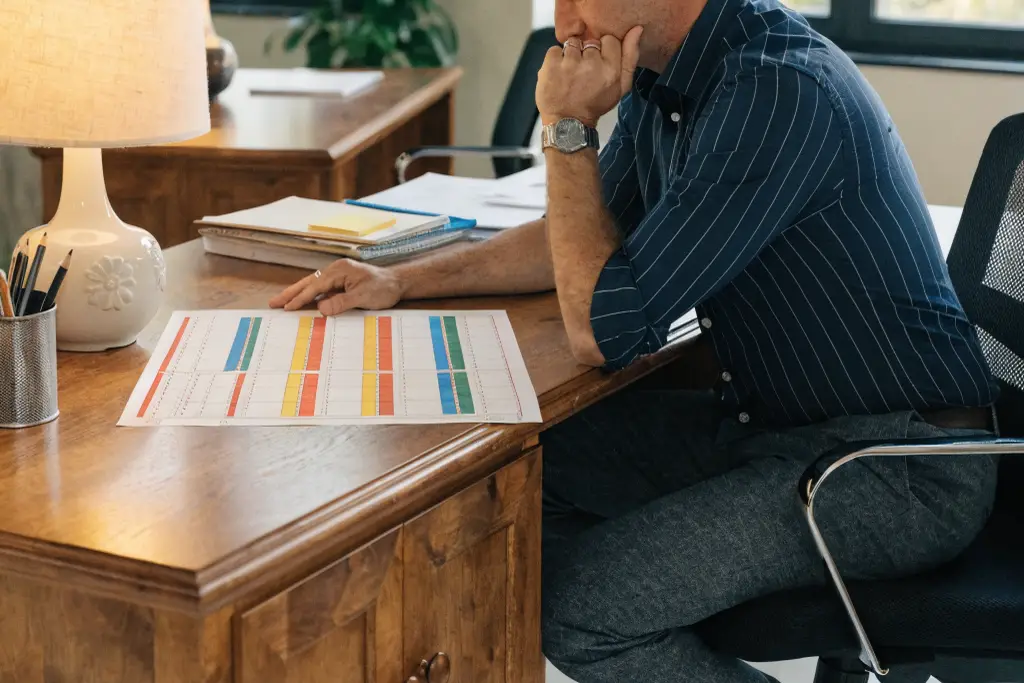
The lead time for clothing manufacturing depends on several factors. I have seen orders go from start to finish in 6 weeks. I have also seen orders take 20 weeks. The difference comes down to a few key factors. Understanding these will help you plan your timeline better. I have broken down each factor so you can plan your timeline accurately.
The main factors that affect lead time are product complexity, fabric availability, order quantity, factory capacity, season, and shipping method. Simple products with standard fabric are much faster. Complex products with custom fabric take longer. Large orders take longer than small ones.
Here is how each factor affects your timeline. Keep these factors in mind when planning your order. They will help you set realistic expectations.
| Factor | Impact on Timeline | Typical Range | How to Reduce Time |
|---|---|---|---|
| Product complexity | High impact | Simple: 4-6 weeks, Complex: 8-12 weeks | Choose simpler designs |
| Fabric availability | High impact | Stock fabric: 1 week, Custom: 2-4 weeks | Choose from factory stock |
| Order quantity | Medium impact | Small: 3-4 weeks, Large: 5-7 weeks | Start with smaller orders |
| Factory capacity | Medium impact | Low season: faster, Peak: slower | Order during off-peak months |
| Shipping method | High impact | Sea: 3-4 weeks, Air: 1 week | Use air for urgent orders |
How Does Product Complexity Affect Your Timeline?
Simple products like basic t-shirts and tank tops are the fastest to produce. They need basic cutting and simple sewing. The pattern is simple. The construction is straightforward. Complex products like jackets with zippers, lined coats, and tailored suits take much longer. They need more pattern pieces. They need more sewing time. They may need special machines. They may need multiple fitting sessions. At Fumao Clothing, we can produce a simple t-shirt in 3 weeks. A lined jacket takes 5 to 6 weeks. If you are in a hurry, start with simple products. Save complex designs for later when you have more time. Learn about production timelines at Sourcing Journal and Just Style. The simplest products are basic t-shirts and tank tops. They need just a few pattern pieces. The cutting is simple. The sewing is basic. A good factory can produce them quickly. At Fumao Clothing, we can deliver basic t-shirts in 3 to 4 weeks from sample approval. The pattern is already developed. The sewing process is standardized. Our workers are trained for speed and quality. For these simple products, the timeline is very predictable. We can commit to a delivery date with confidence. More complex products need more time upfront for pattern development and sample fitting. Jackets need multiple pattern pieces. They need lining, zippers, and pockets. Each element adds time. Tailored suits need multiple fittings. The pattern must be adjusted several times. These products take 6 to 8 weeks for production alone. The sample development can take 2 to 3 weeks. If you are new to manufacturing, I recommend starting with simple products. Learn the process with a basic style. Then move to complex products as you gain experience.
How Does Fabric Availability Affect Lead Time?
Fabric is the biggest variable in manufacturing timelines. Standard fabrics that the factory keeps in stock are fastest. The factory can start cutting immediately. Custom fabrics that need to be ordered from a mill take 2 to 4 weeks. Specialty fabrics like performance materials, organic cotton, or custom prints can take even longer. If your timeline is tight, choose from the factory fabric library. This saves 2 to 3 weeks. At Fumao Clothing, we stock a wide range of standard fabrics. Our clients can choose from hundreds of options. This allows us to start production quickly. We also have relationships with fabric mills that can deliver custom fabrics in 2 to 3 weeks. Learn about fabric sourcing at Textile World and Fibre2Fashion. The fabric timeline starts when you confirm the fabric choice. If you choose from the factory stock, the fabric is ready on day one. The factory can start cutting immediately. This is the fastest option. If you choose a standard fabric that the factory does not stock, they need to order it from their supplier. This takes 1 to 2 weeks. The supplier delivers the fabric to the factory. The factory inspects it. Then production can start. If you need a custom fabric, this is the slowest option. Custom fabrics need to be ordered from the mill. The mill needs to produce the fabric. This takes 2 to 4 weeks. The fabric then needs to be shipped to the factory. This adds another week. At Fumao Clothing, we help our clients choose fabrics that balance their timeline and design needs.
What Is the Typical Timeline from Start to Delivery?

I have organized the typical timeline into clear stages. Each stage has a range of time depending on the factors I mentioned. Here is what you can expect for a standard order from a Chinese factory. I have broken down each factor so you can plan your timeline accurately.
A typical clothing order takes 8 to 16 weeks total. Sample development 1 to 3 weeks. Fabric sourcing 1 to 3 weeks. Bulk production 4 to 6 weeks. Sea freight 2 to 4 weeks. Air freight can reduce shipping time to 1 week but costs more.
Here is a week-by-week breakdown of the typical timeline. Keep these factors in mind when planning your order. They will help you set realistic expectations.
| Stage | Week Range | What Happens | Your Role |
|---|---|---|---|
| Inquiry and quoting | Week 0-1 | Send specs, receive quote, agree terms | Provide clear specs |
| Sample development | Week 1-3 | Factory makes first sample | Review and approve |
| Fabric sourcing | Week 1-3 | Order and receive fabric | Approve fabric choice |
| Bulk production | Week 3-8 | Cut, sew, finish, inspect | Monitor progress |
| Shipping | Week 8-11 | Pack, ship, customs clearance | Receive goods |
How Long Does Sample Development Take?
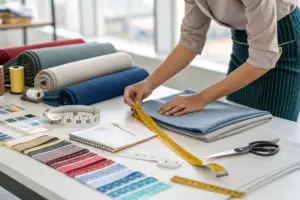
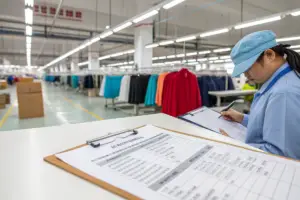
Sample development takes 1 to 3 weeks for most products. Simple products like t-shirts take 1 week. Complex products like jackets take 2 to 3 weeks. The factory needs time to create the pattern, cut the sample, sew it, and finish it. Some factories can rush samples in 3 to 5 days for an extra fee. At Fumao Clothing, we offer standard sample development in 7 to 10 days. We can rush samples in 3 to 5 days if needed. The sample stage is important. Do not rush it. A good sample saves time later. Check the fit carefully. Check the fabric and stitching. Make any changes before approving. If you need help with sample review, check our guide on how to find a good clothing manufacturer. Learn about sampling at Canton Fair and Trade.gov. Sample development is a critical stage that should not be rushed. The first sample is the factory first attempt at your design. It may not be perfect. That is normal. The factory needs to see the sample to understand how the design works in reality. Some details that look good on paper do not work in fabric. The sample reveals these issues. You make adjustments and order a second sample. Most simple products need 1 to 2 rounds of samples. Complex products may need 3 to 4 rounds. Each round takes 1 to 2 weeks. Budget for 2 to 3 rounds in your timeline. At Fumao Clothing, we aim to get the sample right on the first try. Our pattern makers are experienced. They understand how different fabrics behave. This reduces the number of sample rounds needed.
How Long Does Bulk Production Take?
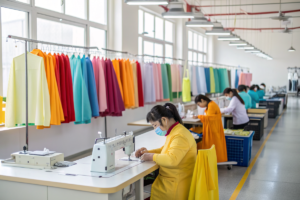
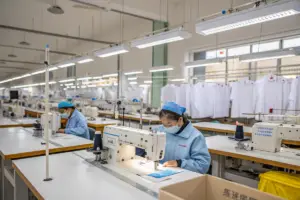
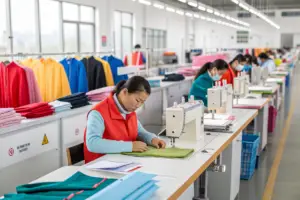
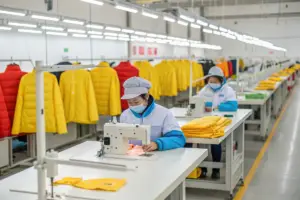
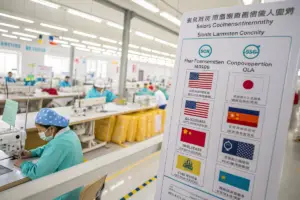
Bulk production takes 4 to 6 weeks for most orders. The time depends on the order quantity and product complexity. For a standard order of 500 to 1,000 pieces, production takes about 4 weeks. For larger orders of 5,000 pieces or more, production takes 5 to 7 weeks. Complex products add 1 to 2 weeks to the timeline. The factory needs time for cutting, sewing, finishing, pressing, and inspection. During production, the factory should send you progress updates. Ask for photos or videos of the production line. This helps you monitor quality and timelines. At Fumao Clothing, we send weekly updates to all clients. We take photos of each production stage. Our clients always know where their order stands. Learn about production management at Sourcing Journal and Apparel Resources. Bulk production can be divided into stages. The first stage is cutting. The fabric is laid out and cut. This takes 2 to 5 days for most orders. The second stage is sewing. The cut pieces are assembled. This is the longest stage. It takes 2 to 4 weeks depending on complexity. The third stage is finishing. The garments are pressed, trimmed, and inspected. This takes 3 to 7 days. The fourth stage is packing. The garments are folded, bagged, and boxed. This takes 2 to 4 days. At Fumao Clothing, we manage all these stages carefully. We have separate teams for cutting, sewing, and finishing. This allows us to work on multiple orders at the same time. We also do quality checks at every stage.
How Can You Speed Up the Manufacturing Process?
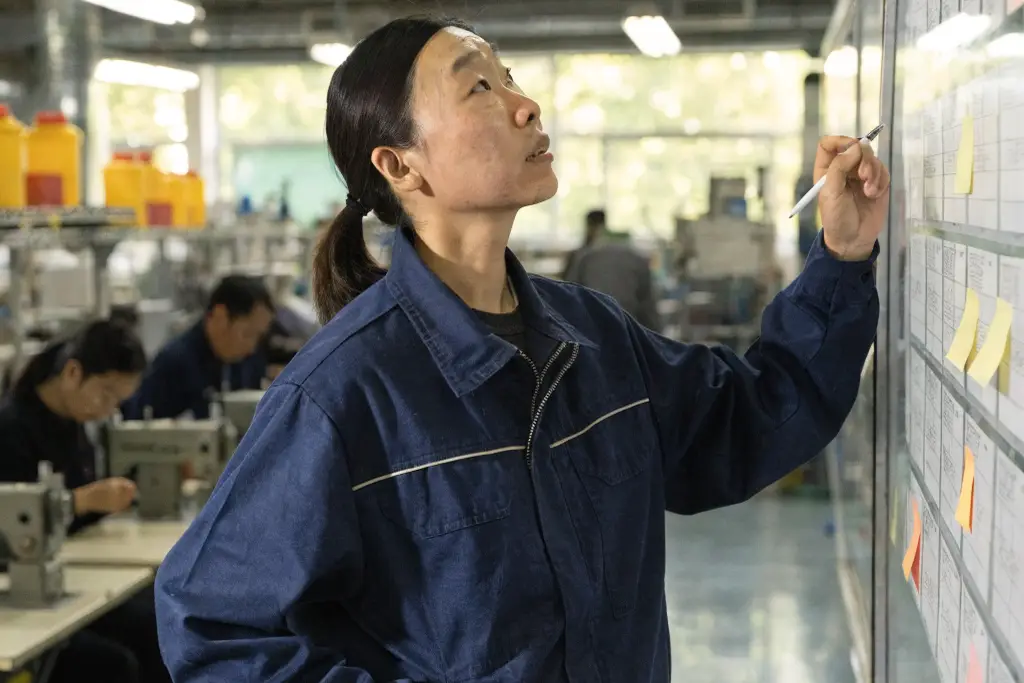
Sometimes you need products faster. Maybe you missed your usual ordering window. Maybe a best-seller is selling out. There are ways to speed up the process without sacrificing quality. I have helped many clients get their products faster. I have broken down each factor so you can plan your timeline accurately.
You can speed up manufacturing by choosing stock fabrics, simplifying designs, placing orders during off-peak seasons, using air freight, and working with a factory that has available capacity. Each option can save 1 to 3 weeks.
Here are the most effective ways to reduce your lead time. Keep these factors in mind when planning your order. They will help you set realistic expectations.
| Strategy | Time Saved | Cost Impact | Trade-off |
|---|---|---|---|
| Choose stock fabric | 2-3 weeks | No extra cost | Limited fabric options |
| Simplify design | 1-2 weeks | No extra cost | Less design detail |
| Use air freight | 2-3 weeks | Higher shipping cost | 5-10x shipping cost |
| Order off-peak | 1-2 weeks | No extra cost | Must plan ahead |
| Rush production fee | 1-2 weeks | 10-20% extra | Higher production cost |
How Does Air Freight Help You Get Products Faster?
Air freight is the fastest shipping method. It takes 5 to 7 days from China to the USA. Sea freight takes 15 to 25 days. The cost is 5 to 10 times higher. Air freight is worth it when you need products urgently. For example, if a best-selling item is nearly sold out, air freight can save your season. For sample shipments, air freight is the standard. Sample orders are small and light, so the cost is manageable. At Fumao Clothing, we offer both air and sea DDP options. We can help you choose the right method for your timeline and budget. We also offer split shipments. Part of your order goes by air for immediate stock. The rest goes by sea for regular inventory. Learn about shipping options at Freightos and Flexport. Air freight is not the only fast shipping option. There is also express air freight. This uses courier services like DHL, FedEx, and UPS. They handle the entire process from factory to your door. Express air freight takes 3 to 5 days. It is the fastest option but also the most expensive. It is best for small shipments under 50 kilograms. For larger shipments, standard air freight is more economical. It takes 5 to 7 days. The cost is about USD 4 to USD 8 per kilogram. Sea freight takes 15 to 25 days. The cost is about USD 0.50 to USD 2.00 per kilogram. At Fumao Clothing, we offer all shipping options. We help our clients choose the right balance of speed and cost.
How Does Order Timing Affect Production Speed?
The time of year affects how fast your order is processed. Chinese factories have peak seasons from March to June and September to November. During these months, factories are busy with orders for the next season. Lead times may be longer. You may have to wait for production line availability. Off-peak months are January to February and July to August. During these months, factories have more capacity. Orders are processed faster. You can also negotiate better pricing. If you plan ahead, you can schedule your orders during off-peak times. At Fumao Clothing, we level our production throughout the year. We reserve capacity for our regular clients. This ensures consistent lead times regardless of the season. Contact our Business Director Elaine at elaine@fumaoclothing.com to discuss your timeline. Learn about order timing at Sourcing Journal and Just Style. The best way to manage seasonal deadlines is to have a production calendar. Start with the retail calendar. Know when your products need to be in stores. Work backwards from there. Add time for shipping, production, sampling, and planning. Mark each deadline on your calendar. Review it regularly. Adjust as needed. At Fumao Clothing, we provide production calendars to all our clients. We track every stage. We send reminders before each milestone. This helps our clients stay on schedule. If you need help planning your production calendar, contact us.
How to Plan Your Timeline for Seasonal Deadlines?
Seasonal deadlines are fixed in the fashion industry. Spring products need to arrive by February. Summer products by April. Fall products by August. Winter products by October. Missing these deadlines means missed sales. I have seen brands lose entire seasons because they did not plan their timeline properly. I have broken down each factor so you can plan your timeline accurately.
To plan for seasonal deadlines, work backwards from your target delivery date. Add 2 to 3 weeks for sample development. Add 1 to 3 weeks for fabric sourcing. Add 4 to 6 weeks for production. Add 2 to 4 weeks for shipping. Start the process 4 to 5 months before your target delivery date.
Here is a seasonal planning guide to help you hit your deadlines. Keep these factors in mind when planning your order. They will help you set realistic expectations.
| Season | Target Delivery | Start Production | Start Sampling | Start Planning |
|---|---|---|---|---|
| Spring | February | December | November | October |
| Summer | April | February | January | December |
| Fall | August | June | May | April |
| Holiday | October | August | July | June |
| Winter | October | August | July | June |
What Is the Best Way to Plan Your Production Schedule?
Start by setting your target delivery date. This is the date you need the products in your warehouse. Work backwards from there. Subtract 2 to 4 weeks for shipping. This gives you the date the goods must leave the factory. Subtract 4 to 6 weeks for production. This gives you the date production must start. Subtract 1 to 3 weeks for sample development and approval. This gives you the date you need to place the order. Subtract 2 to 4 weeks for finding a factory and negotiating. This gives you the date you need to start the process. Build in 2 to 4 weeks of buffer time for unexpected delays. Delays happen. Fabric may be delayed. Production may take longer. Shipping may be delayed. Buffer time ensures you still hit your target. At Fumao Clothing, we help our clients plan their schedules. We provide detailed production timelines. We send regular updates. We have never missed a seasonal deadline for our clients. Learn about supply chain planning at Supply Chain Dive and Logistics Management. The simplest products are basic t-shirts and tank tops. They need just a few pattern pieces. The cutting is simple. The sewing is basic. A good factory can produce them quickly. At Fumao Clothing, we can deliver basic t-shirts in 3 to 4 weeks from sample approval. The pattern is already developed. The sewing process is standardized. Our workers are trained for speed and quality. For these simple products, the timeline is very predictable. We can commit to a delivery date with confidence. More complex products need more time upfront for pattern development and sample fitting. Jackets need multiple pattern pieces. They need lining, zippers, and pockets. Each element adds time. Tailored suits need multiple fittings. The pattern must be adjusted several times. These products take 6 to 8 weeks for production alone. The sample development can take 2 to 3 weeks. If you are new to manufacturing, I recommend starting with simple products. Learn the process with a basic style. Then move to complex products as you gain experience.
What Happens If You Miss Your Seasonal Deadline?
Missing a seasonal deadline is expensive. Your products arrive after the season has started. You have to sell them at a discount. You may have to hold them until next year. Both options lose money. The best way to avoid this is to start early. Give yourself more time than you think you need. If you are running late, use air freight to catch up. The extra shipping cost is worth it compared to the loss of missing the season. At Fumao Clothing, we help our clients stay on schedule. We flag potential delays early. We offer rush production options. We can switch to air freight if needed. We do everything we can to help our clients meet their deadlines. Contact us to discuss your production timeline. Learn about inventory management at Supply Chain Dive and Logistics Management. The fabric timeline starts when you confirm the fabric choice. If you choose from the factory stock, the fabric is ready on day one. The factory can start cutting immediately. This is the fastest option. If you choose a standard fabric that the factory does not stock, they need to order it from their supplier. This takes 1 to 2 weeks. The supplier delivers the fabric to the factory. The factory inspects it. Then production can start. If you need a custom fabric, this is the slowest option. Custom fabrics need to be ordered from the mill. The mill needs to produce the fabric. This takes 2 to 4 weeks. The fabric then needs to be shipped to the factory. This adds another week. At Fumao Clothing, we help our clients choose fabrics that balance their timeline and design needs.
Conclusion
Manufacturing clothing in China takes 8 to 16 weeks from start to delivery. The timeline depends on product complexity, fabric availability, order quantity, and shipping method. Simple products with stock fabric are fastest. Complex products with custom fabric take longer. The key to hitting your deadlines is planning ahead. Start the process 4 to 5 months before your target delivery date. Build in buffer time for unexpected delays. Work with a factory that communicates clearly and provides regular updates. At Fumao Clothing, we have been helping brands meet their production timelines for over 15 years. We provide clear schedules and regular updates. We offer rush production and air freight options. If you have a timeline you need to hit, contact our Business Director Elaine at elaine@fumaoclothing.com. We will help you plan and execute your production schedule. Proper planning is the key to hitting your deadlines. Start early, build in buffer time, and work with a factory that communicates clearly. The right partner makes all the difference in meeting your timeline goals.