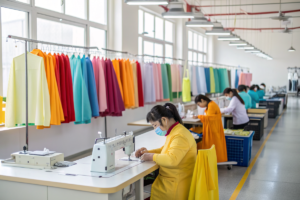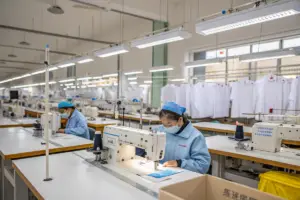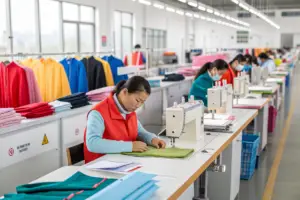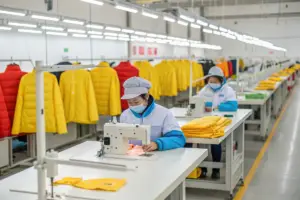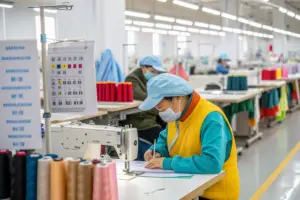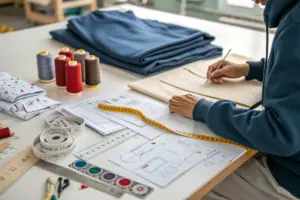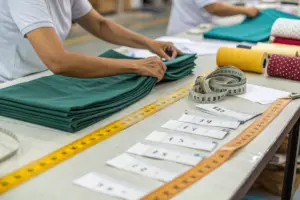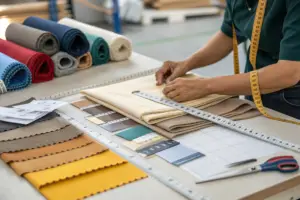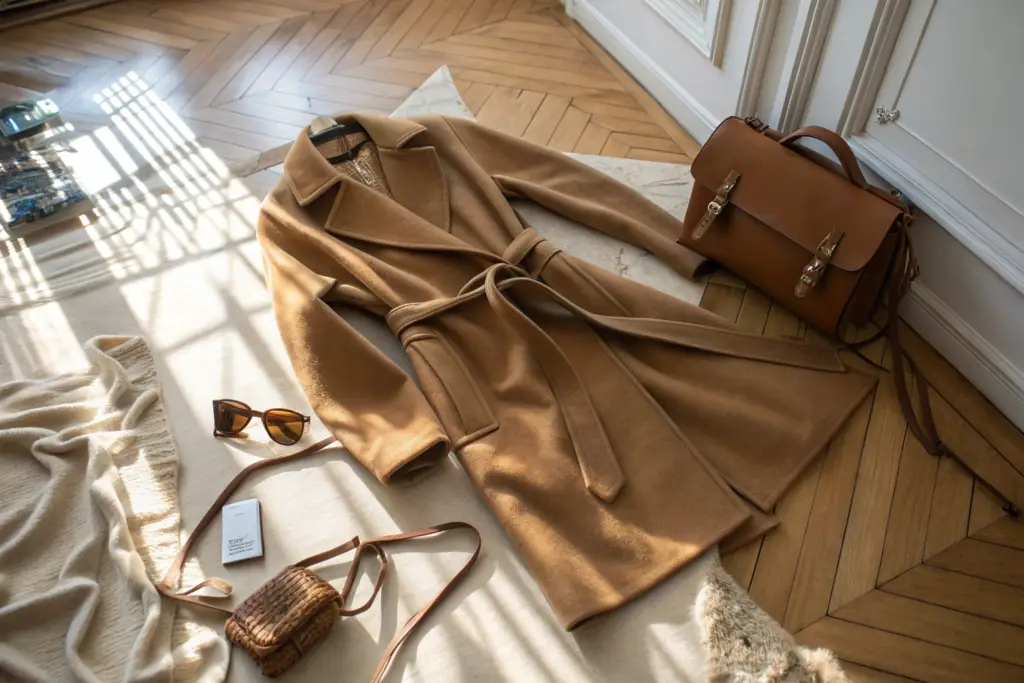
I've seen a lot of trends come and go in my fifteen years running a garment factory. One season, it is all about the oversized puffer. The next, it is the cropped moto jacket. But there is one silhouette that has never left our cutting tables. It is the wrap coat. I've watched retailers panic-buy trendy pieces that end up on clearance racks by January. The risk with chasing only fast fashion trends is the inventory liability. You tie up your cash in coats that have a shelf life of three months. The wrap coat does not carry that risk. It sells steadily, season after season, and it rarely gets discounted.
The wrap coat is a timeless investment for retailers because it delivers consistent sell-through across multiple seasons, offers high perceived value that supports healthy margins, and adapts effortlessly to minor design refreshes without ever looking dated.
It is not just a garment. It is a reliable profit generator in your outerwear category. I want to share the behind-the-seams knowledge of what makes these coats great, what quality details to look for, and how we at Shanghai Fumao build them to last so your customers keep coming back.
What Makes the Wrap Coat Silhouette Universally Flattering for All Body Types?
An adjustable fit sells. You know that returns kill your profit margin. The number one reason for outerwear returns is poor fit. A customer buys a structured blazer coat online, and the shoulders are too tight, or the chest gapes. They send it back. You eat the shipping cost, and the coat is out of stock for weeks. The beauty of a true wrap coat is that it is self-tailoring. A woman can adjust the waist exactly to her body by how tightly she ties the belt. This flexibility means a single size can fit a wider range of body shapes.
The wrap coat's adjustable waist tie and generous overlap create a customizable silhouette that flatters multiple body types, reducing fit-related returns for retailers.
This construction naturally creates a V-shape at the neck and an A-line flare at the hem. This visually lengthens the body and accommodates hips without the need for complex darts or panels that might only fit one specific shape. It is a smart, forgiving design.
How Does Adjustable Waist Construction Reduce Your Return Rate?
Last fall, we produced a collection of Italian cashmere wrap coats for a direct-to-consumer brand in San Francisco. They had previously sourced a belted coat from a different factory, and their return rate was hovering around 22%. The main complaint was that the belt loops were positioned too far back, pulling the coat awkwardly on anyone who was not a standard size 4.
We redesigned the belt placement for them. We moved the side seam slits forward by two inches to align perfectly with the front princess line. This created a true wrap effect that cinched the natural waist from the front, not the sides. We also ditched the thin, flimsy thread belt loops that broke easily. We replaced them with reinforced, bar-tacked openings finished with a French tack. The result was a belt system that felt sturdy and allowed the wearer to adjust the coat to her exact comfort level. The brand’s return rate on that style dropped to 9% the following winter.
Why Does The V-Neck and A-Line Visual Effect Appeal to Customers?
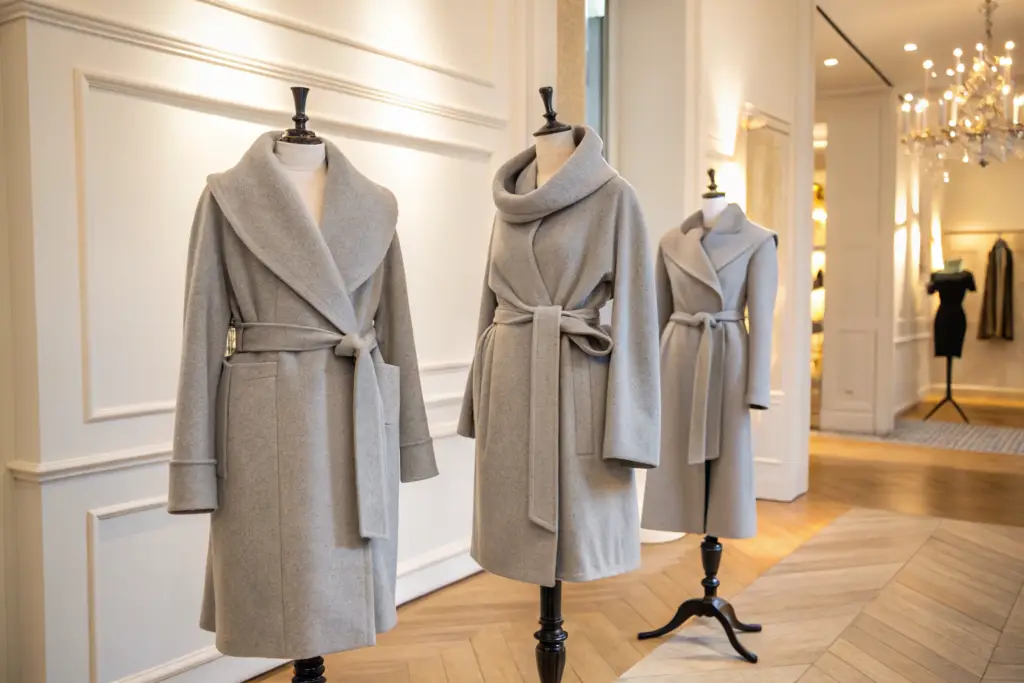
The wrap coat is a masterclass in visual tailoring. The overlapping front panels create a deep, continuous V-neckline that draws the eye down the center of the body. This is universally slimming. The lapels are usually cut in one piece with the body facing, so there is no harsh break at the shoulder. When the belt is tied, the fabric falls into a soft A-line shape from the bust down. This skims the hips beautifully and allows for easy movement.
I always tell our pattern makers to cut a slight waterfall drape into the collar. When the collar falls back, it frames the face softly. A stiff collar looks formal and restrictive. A softly draped collar looks approachable and luxurious. It is this specific drape that makes a customer feel elegant when she tries it on in front of the mirror. When she feels that emotion, the sale happens. It is not just about warmth. It is about how the coat makes her feel.
What Fabric and Construction Details Signal True Quality to Your Customer?
Your customer is smart. She can spot a cheap coat from across the room. She might not know the technical term for it, but she senses it. She runs her hand over the fabric to feel if it is dry and scratchy. She lifts the coat to check if it is heavy. She looks inside to see if the lining is a cheap polyester that will make her sweat or a smooth viscose. If you stock coats that fail this silent test, they will sit on the rack. The packaging might be beautiful, but the hand feel and the drape are what close the deal.
Discerning quality in a wrap coat comes down to the raw material's hand feel, the structural integrity of unlined construction, and the invisible tailoring details inside the garment.
You do not need to be a tailor to buy good coats. You just need to know where to look. The weight of the fabric, the finish of the seams, and the attachment of the belt are the honest signals of a factory’s true skill level. At Shanghai Fumao, we train our eyes to see these details so your customers never have a reason to doubt the value.
How Do You Identify Premium Double-Face Cashmere and Wool?
Double-face fabric is the soul of a luxury wrap coat. It is two pieces of cloth woven together with fine connecting threads. There is no lining. This is a difficult fabric to produce because both sides of the cloth are visible and must be perfect. The first check is the hand feel. Rub the fabric against your skin. Premium cashmere has a soft, warm halo. If it feels slick or plasticky, it has a high synthetic content.
The second check is the opacity. Hold the fabric up to the light. A high-quality, dense double-face fabric will block light. A cheap, loose weave will let light through, which means it will be cold and will lose its shape quickly. The third check is the cut edge. Look inside the coat at a raw edge, maybe on the back of the collar. Pure, long-fiber cashmere and fine merino wool will have a clean, fuzzy edge. If you see tiny, shiny, hair-like strands, that is polyester or nylon. We source our wool from mills with RWS certification so we can trace the fiber back to the farm. This traceability is becoming essential for brands selling to conscious consumers.
What Invisible Tailoring Inside the Coat Proves Expert Craftsmanship?
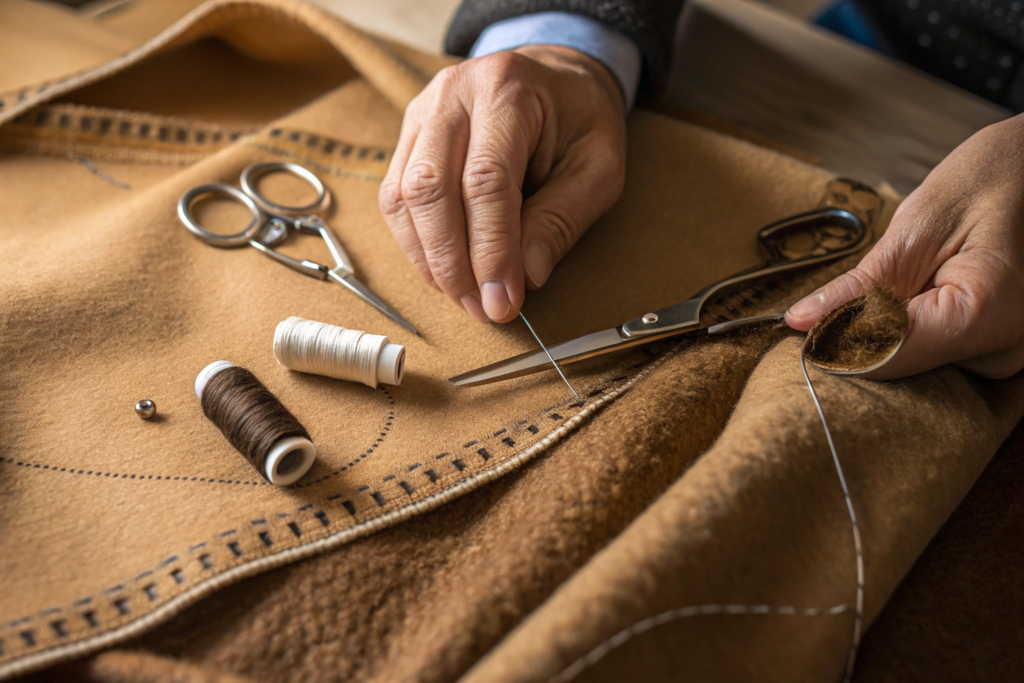
Turn the coat inside out. The truth is in the seams. On a cheap coat, the inside seams might be covered with a machine-sewn binding that is rigid and scratchy. On a high-end wrap coat, the internal seams should be finished by hand. Look for the felled seam. This is where the raw edge of the fabric is folded over twice and sewn down flat by hand. It creates a tiny, almost invisible row of stitching that is soft and flexible.
There is a specific project we worked on for a New York designer’s capsule collection. She wanted an unlined wrap coat that was as beautiful inside as outside. Our senior tailors hand-finished every single internal seam with a pick stitch. This is a tiny backstitch that catches just one or two threads of the fabric. It takes a sewer about three hours to finish a single coat this way. The final product had no glue, no rough edges, just pure, fluid cashmere. The designer’s retail price point was $1,200, and she sold out completely because her customers recognized the time and labor stitched into the garment. That is the kind of value craftsmanship that builds a brand’s reputation for decades.
How Does the Wrap Coat Adapt to Evolving Fashion Cycles?
I hear a common fear from boutique owners. "Is the wrap coat still relevant?" They see oversized streetwear and technical puffer jackets on social media and they worry that an elegant wool coat is old-fashioned. But fashion does not always mean new. It means right. The wrap coat has survived for nearly a century because designers reinterpret it. It is not a rigid, fixed product. It is a canvas that shifts slightly in proportion, color, and detail to feel contemporary, while the core DNA stays intact.
The wrap coat adapts to modern trends through strategic updates in length, color palette, and sustainable material innovation, ensuring it never looks stale on the sales floor.
It moves with the times. Ten years ago, the trend was a knee-length, brightly colored wrap coat. Five years ago, it was an ankle-length, neutral-toned minimalist coat. Next season, it might be a cropped version with exaggerated sleeves. As a retailer, you can stock this proven silhouette every year, confident that a few simple tweaks will make it look like a fresh arrival.
How Do You Refresh a Classic Silhouette With Modern Details?
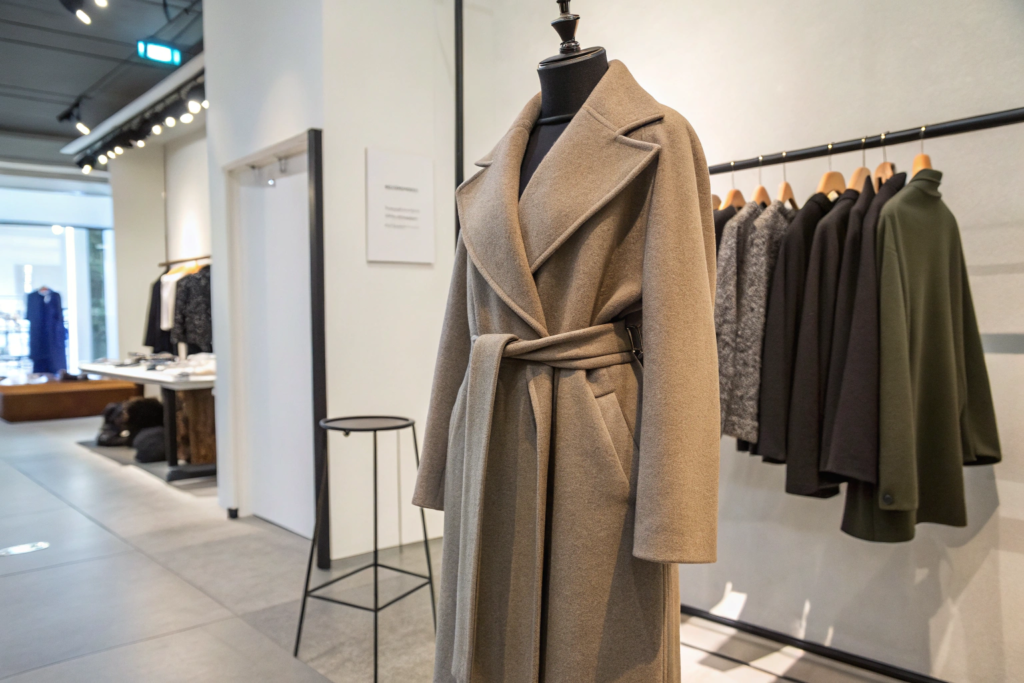
The easiest way to modernize a wrap coat is to change the length. For Autumn Winter 2026, the trend is leaning towards a mid-calf length that feels dramatic and protective. Pair this with a slightly oversized shawl collar. This is a simple pattern shift. We do not need to change the fundamental block. We just extend the hem and widen the collar fall.
Another trick we use for our American brand partners is hardware. Customization is a powerful tool. A plain wrap coat is nice. A wrap coat with a custom metal logo plate on the back of the belt, or a bespoke engraved button at the neck, becomes a signature piece. It signals the brand. We helped a Chicago-based retailer develop their own signature horn-look buttons made from recycled resin. The buttons had a subtle marble effect that matched their branding perfectly. This small detail made their wrap coat look exclusive and high-end, even though the base production cost was very close to a standard stock item.
Can The Wrap Coat Tell A Successful Sustainability Story?
Yes, and this matters for your marketing. Customers want to know where their clothes come from. A wrap coat is a great vehicle for a sustainability narrative because it is already perceived as a "slow fashion" keep-forever item. You can strengthen this story by choosing the right materials.
We recently worked with a brand from Oregon to produce a line of wrap coats made from a recycled wool blend. The fabric was mechanically recycled from post-consumer garments in Prato, Italy. We lined the under-collar with a cupro fabric made from cotton linter waste. We even switched from traditional polyester thread to a Tencel lyocell thread for the stitching, so the entire garment was biodegradable at the end of its life. The brand sold the coat with a story card inside the pocket showing the recycling process. Their customers paid a 20% premium over their previous season’s price because they bought the story of circularity. It was a profitable and genuinely responsible product.
Why Is the Wrap Coat a Logistically Smarter Product for US Retailers?
A garment’s design is one side of the coin. Logistics is the other side. A beautiful coat that costs a fortune to ship is a bad product. You care about landed cost. You care about the moment the customer opens the box in her living room. A coat that is heavy, bulky, or wrinkles easily adds invisible costs to your operation. You pay more for freight. You handle more returns because it arrived looking smashed.
The wrap coat offers inherent logistical advantages including flat-pack potential, high dimensional weight efficiency, and minimal wrinkle susceptibility, protecting your margins from warehouse to doorstep.
It is a soft-structured garment. Unlike a blazer with shoulder pads and a fused front, a wrap coat can be folded without destroying its shape. At Shanghai Fumao, we think about the box before we even cut the fabric. We consider how the coat will travel from our floor in China to your customer’s home in Texas or New York.
How Does Soft Construction Reduce Shipping and Handling Damage?
Structured coats are fragile. I’ve seen shipments where the shoulder padding of a military coat got crushed during sea freight. The entire consignment looked like it had been sat on. You cannot fix that. You have to deeply discount the goods. A wrap coat does not have a rigid internal skeleton. Its shape comes from the drape of the fabric and the belt.
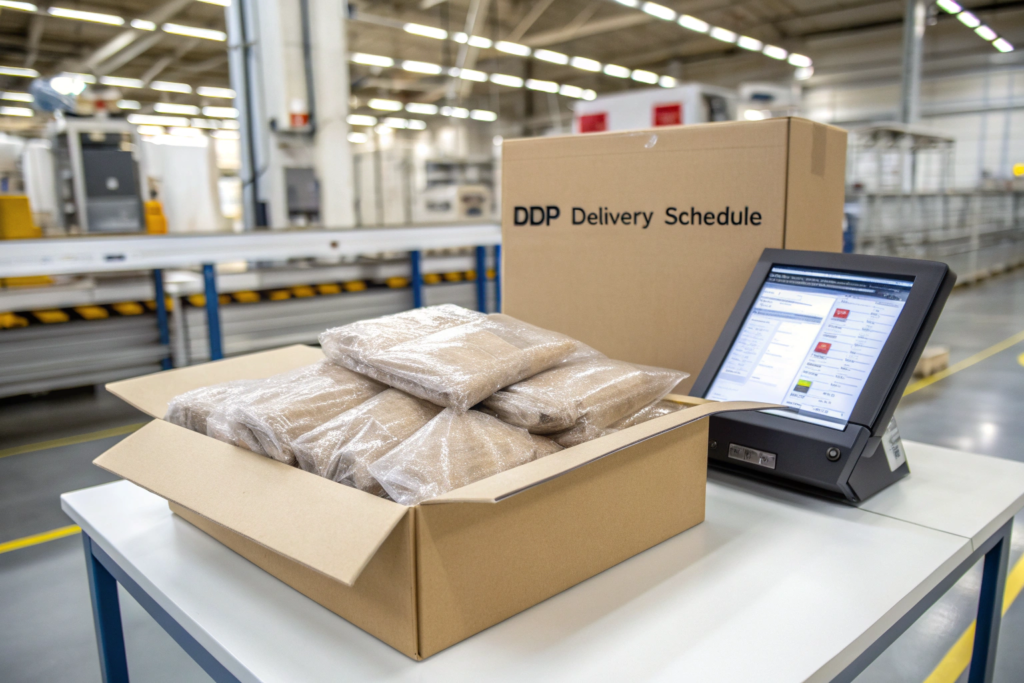
When we pack a wrap coat for DDP shipping, we fold it in a specific way to avoid a center crease. We use a reverse-fold technique, placing acid-free tissue paper between the layers. We do not vacuum-pack wool coats, because long compression can break the wool fibers and cause permanent creasing. Instead, we use a structured poly bag that holds a small amount of air, acting as a cushion. The coat arrives ready to hang. Your customer opens the box, and the coat drops open, ready to wear. This "unboxing experience" directly reduces the impulse return rate, which is often driven by a poor first visual impression.
What Are the Margin Advantages of a "Seasonless" Inventory Asset?
The wrap coat is not strictly a heavy winter item. In lighter weights, like a cashmere-linen blend or a fine merino jersey, it is a perfect transitional piece for Spring and Fall. This means you can take delivery in August and sell it through October, and then re-merchandise it in March.
This extended selling window is a massive financial advantage. You do not have to slash prices by 50% on January 1st just to clear space for Spring arrivals. You can hold the stock at full price longer. If you do have some carry-over inventory, a neutral-colored wrap coat is not "last season" in the same way a neon puffer is. You can hold it in your warehouse and bring it back out next September. The core design doesn’t change. We have one partner in Boston who orders the exact same core wrap coat style from us every year in black, camel, and grey. It is their number-one bestseller, every single year. They don't change the design. They don't change the SKU. They just re-order. That consistency is a retailer’s dream.
Conclusion
The wrap coat has earned its permanent place in the retail calendar. It solves the fit puzzle with an adjustable belt that adapts to every body, cutting your return rate. It demands high-quality double-face fabric and hand-finished seams, which elevates your brand’s reputation for luxury. It adapts to new trends through simple shifts in length, color, and sustainable materials, without you needing to redesign your entire buying plan. And it ships flat and resists damage, protecting your fragile margin from logistics costs.
This is a garment that works as hard for your business as it does for your customer’s wardrobe. It is a product designed for repeat orders and steady cash flow. When you partner with a manufacturer who understands the technical soul of a wrap coat, you get more than a product. You get a proven asset.
If you are looking to add a high-margin, low-return hero piece to your collection, I invite you to talk to us. Here at Shanghai Fumao, we specialize in crafting made-to-order wrap coats that your customers will treasure. Our Business Director, Elaine, can send you our current fabric swatches and a detailed tech pack showing our construction standards. You can reach her directly at elaine@fumaoclothing.com. Let’s build a coat that becomes your signature piece.