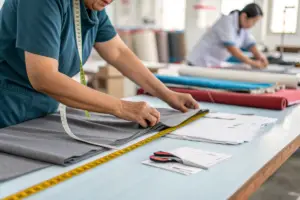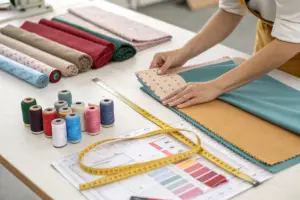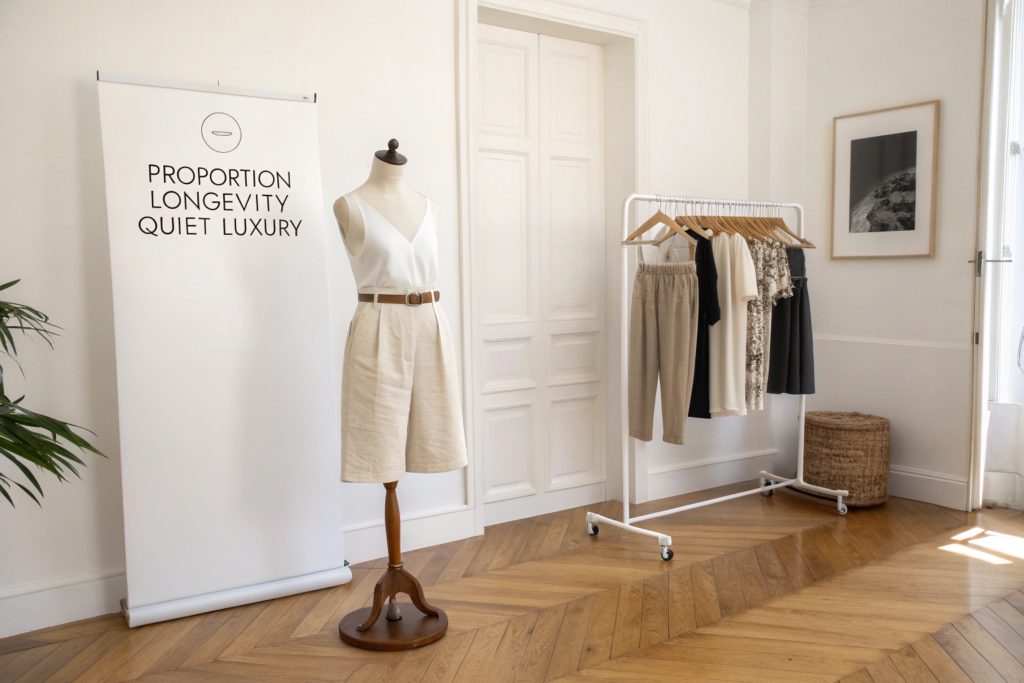
Three years ago, I sat down with the founder of a New York-based minimalist brand that had built a cult following for its precisely tailored trousers and perfectly proportioned blazers. She wanted to add shorts to her collection for the first time. She was terrified. Shorts, she told me, were the most difficult garment to make look expensive and intentional. Most shorts, she said, looked either juvenile or touristy. She spent an hour explaining to me exactly why the rise measurement was the key. The waistband had to sit at the natural waist, not at the hip. The proportion had to lengthen the leg, not cut it in half. The silhouette had to reference the tailored trouser, not the gym short. We developed a sample based on her specifications. That short became the best-selling item in her summer collection, and it has been reordered every season since.
Classic high-rise shorts for women have become the dominant bottom in minimalist fashion brands because the high-rise proportion is fundamentally a design principle, not a trend, creating the elongated leg line, the defined waist, and the architectural silhouette that are the aesthetic foundations of minimalist design, while also solving a set of practical fit and comfort problems that have historically made shorts a challenging category for the discerning, fit-conscious minimalist consumer.
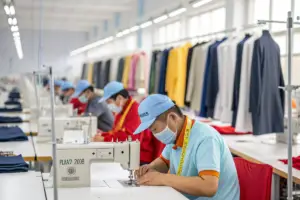
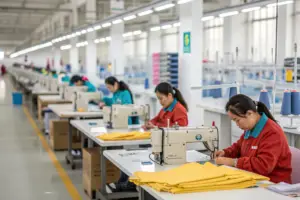
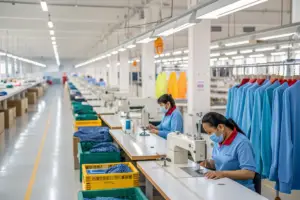
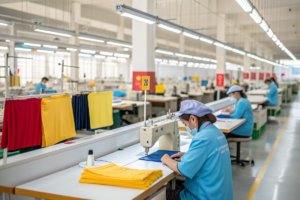
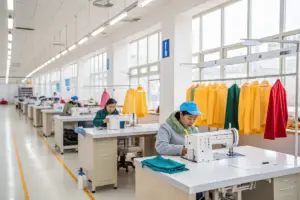
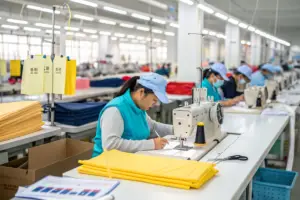
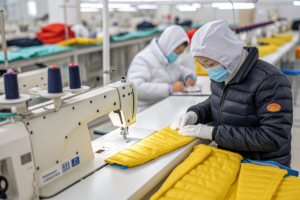
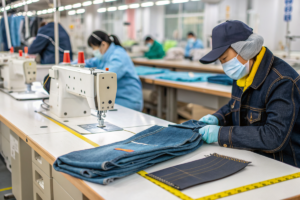
At Shanghai Fumao, I have manufactured high-rise shorts for multiple minimalist brands across the US and European markets. I have watched this category grow from a niche request to a dominant silhouette, and I understand exactly why it has happened. Let me walk you through the design logic, the fit physics, and the commercial strategy behind this shift.
Why Is the High-Rise Proportion a Core Minimalist Design Principle?
Minimalist fashion is not an aesthetic of absence. It is an aesthetic of precision. Every line, every proportion, every seam is intentional. There is no pattern, no embellishment, no distraction to hide behind. The garment succeeds or fails entirely on its silhouette and its fit. In this context, the high-rise proportion is not a trend choice. It is the logically correct choice. It is the proportion that creates the longest, cleanest leg line. It is the proportion that defines the waist most clearly. It is the proportion that best references the tailored trouser, which is the foundational garment of the minimalist wardrobe.
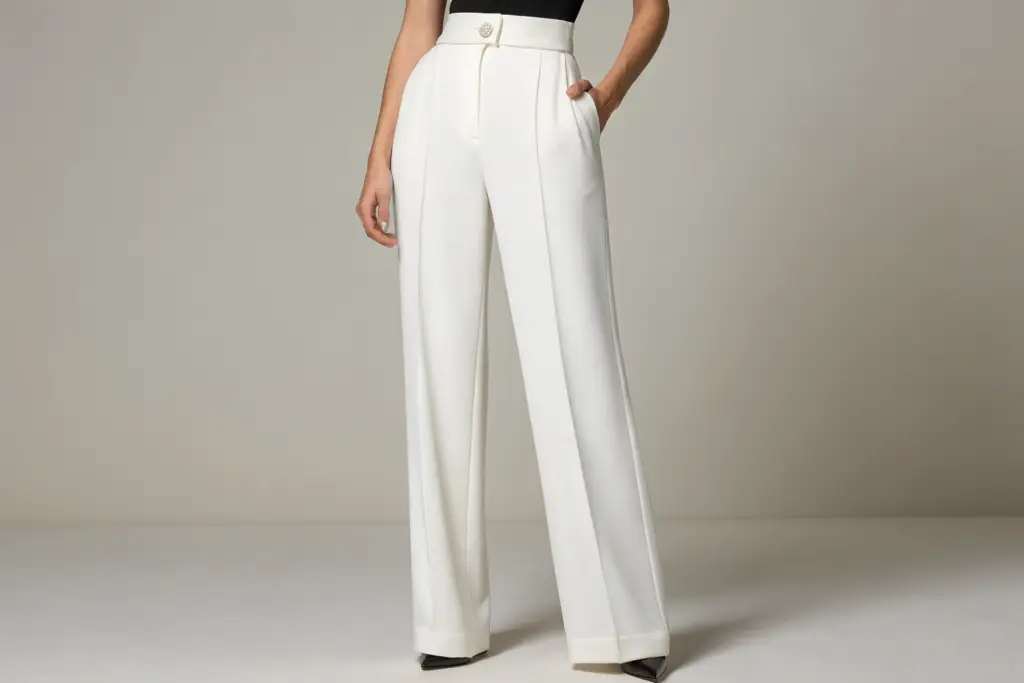
The high-rise proportion is a core minimalist design principle because it establishes a mathematically balanced silhouette by placing the waistband at the narrowest point of the torso and the natural fulcrum of the body, creating a leg line that extends from that natural waist to the hem without horizontal interruption, a visual effect that aligns with the minimalist commitment to elongated, unbroken lines and structural clarity, while a low-rise or mid-rise short introduces a horizontal visual break at the hip that shortens the leg and fragments the silhouette.
How Does Waistband Placement Affect the Visual Mathematics of an Outfit?
The human eye reads proportion. When a garment divides the body into segments, the eye calculates the ratio between those segments. A low-rise short places the visual dividing line at the hip, dividing the body roughly in half. The torso appears long. The legs appear short. This is the opposite of the proportion that most women want from their clothing.
A high-rise short places the visual dividing line at the natural waist, which is approximately at the navel or slightly above. This divides the body into a roughly one-third torso and two-thirds legs proportion. This is close to the golden ratio, the mathematical proportion that the human eye finds most pleasing. The leg line flows uninterrupted from the waist to the hem. The elongation effect is real and measurable in photographs. This is why the high-rise silhouette dominates minimalist fashion, which is fundamentally concerned with proportion. This proportion and silhouette in fashion design principle is the aesthetic foundation of the trend.
Why Does the High-Rise Silhouette Reference Tailoring Rather Than Sportswear?
Minimalist fashion draws its vocabulary from tailoring, from the structured blazer, the precisely cut trouser, the clean-lined coat. These garments are defined by their relationship to the body's natural architecture. The waistband of a tailored trouser sits at the natural waist. The leg is cut to fall cleanly from that point.
The high-rise short is a direct descendant of the tailored trouser. It is a trouser that ends above the knee. It carries the same design language, the same construction techniques, the same relationship to the body. This continuity of vocabulary is essential to the minimalist brand. The customer who wears the brand's high-rise trousers in the winter can transition to the brand's high-rise shorts in the summer without changing her silhouette, her proportion, or her sense of how her clothes should fit. This tailoring influence on minimalist fashion connection explains why the high-rise short has been adopted so completely by the category.
How Do High-Rise Shorts Solve the Fit Frustrations That Drive Returns?
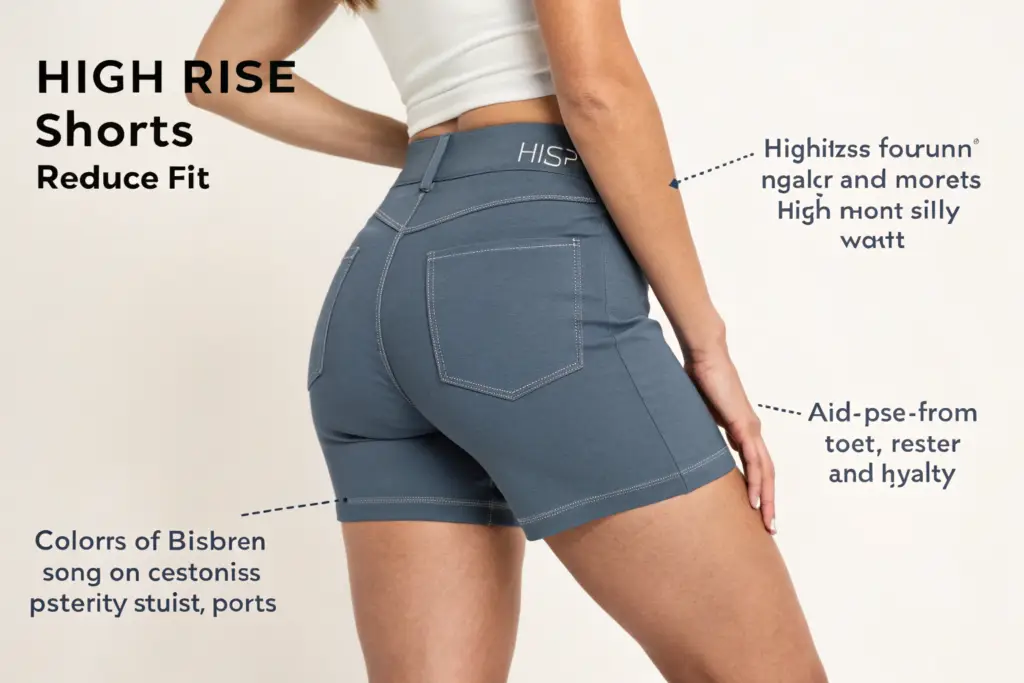
The most common reason women return shorts is poor fit. The waist gaps at the back. The hips are too tight. The rise is too low and exposes the lower back when sitting. These are not random fit problems. They are systematic design problems caused by a waistband that sits at the hip, which is a curved, dynamic part of the body that changes shape when the wearer moves. The high-rise waistband, which sits at the natural waist, solves these problems because the natural waist is a more stable, more consistent, and more easily fitted part of the female body.
High-rise shorts dramatically reduce fit-related returns by anchoring the garment at the natural waist, which is the narrowest and most dimensionally stable circumference of the female torso, remaining consistent whether the wearer is standing, sitting, or moving, and which allows the shorts to be designed with a fitted waist and a more generous hip without the back gap and the hip tightness that plague low-rise and mid-rise shorts, a combination of comfort and security that the minimalist consumer, who is typically highly fit-sensitive, responds to with loyalty and repeat purchasing.
Why Does the Natural Waist Provide a More Stable Fit Anchor?
The hip is a joint. When a woman stands, her hips are in one position. When she sits, her hips rotate, and the circumference around the hip bones changes. A waistband that sits at the hip must accommodate this change. If it does not, it will dig in when she sits, or it will gap when she stands. Most low-rise shorts fail at this accommodation.
The natural waist, located several inches above the hip bones, is not a joint. It does not change circumference significantly when the wearer moves from standing to sitting. A waistband that fits the natural waist while standing will still fit the natural waist while sitting. There is no dynamic dimension change to accommodate. The waistband stays flat and secure. The wearer does not experience the waistband digging in or the back gap opening up. This garment fit and body mechanics principle is why the high-rise is objectively a better fit solution for shorts.
How Does the Tuck-In Compatibility Enhance the Minimalist Aesthetic?
The minimalist consumer tucks in her top. A silk tank top, a cotton poplin shirt, a fine-gauge knit. The tuck is a signature of the minimalist look. It creates a clean, defined waistline and a seamless transition from top to bottom.
A low-rise short makes tucking difficult. The waistband sits below the natural waist, so the tucked-in fabric must travel downward, creating bulk and an uneven line. When the wearer sits, the low waistband pulls down, and the tucked-in top pulls up, creating a gap. A high-rise short makes tucking easy and secure. The waistband sits at the natural waist, which is exactly where the tucked-in top wants to end. The fabric lies flat. The waistband holds it in place. When the wearer sits, the waistband stays put, and the tuck stays intact. This functional compatibility with the tucked-in silhouette is a significant but underappreciated driver of the high-rise short's dominance in minimalist fashion. This tucking and waistband height relationship practical benefit is experienced by the consumer every time she wears the shorts.
What Construction and Fabric Choices Define a Luxury Minimalist Short?
The minimalist short is defined by its absence of visible detail. There are no patch pockets, no contrast stitching, no drawstrings, no logos. This absence puts tremendous pressure on the quality of the invisible details. The fabric, the seam finishing, the internal structure, and the hardware are the only elements the consumer sees and feels. A minimalist short that is poorly constructed looks immediately cheap. A minimalist short that is beautifully constructed looks expensive, even though it appears simple.
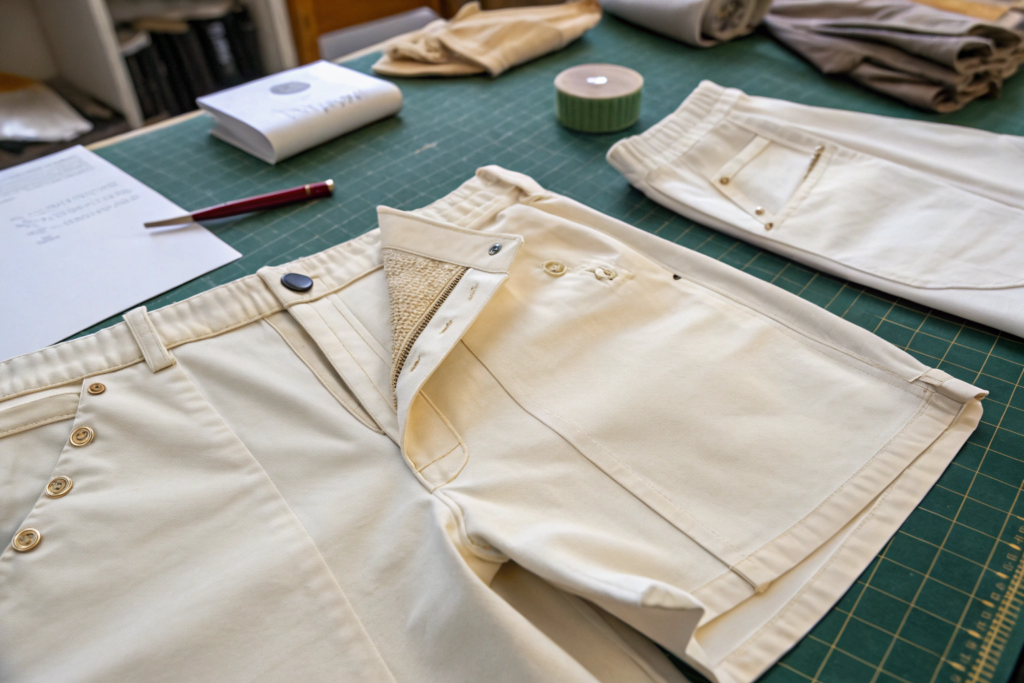
The construction and fabric choices that define a luxury minimalist high-rise short are a contoured two-piece waistband that is cut on a curve to follow the natural shape of the waist and hip, a clean-finished interior with bound seams, French-seamed pocket bags, and a Bemberg or high-quality cotton lining, a structured but flexible interlining that maintains a flat, smooth front without rigidity, and a matte, substantial fabric in a natural fiber or a natural-rich blend with a soft hand feel and a weight that provides drape and structure without sheerness, each of these choices being invisible to the casual observer but immediately felt by the wearer.
Why Is a Contoured Waistband Non-Negotiable for a Flat Front?
The female body is curved at the waist and hip. A straight waistband, a straight strip of fabric cut on the straight grain, does not follow this curve. When a straight waistband is attached to a curved body, the waistband must stretch to fit the curve at the top edge, or the body must compress to fit the straight waistband. The result is gaping, tension lines, or both.
A contoured waistband is cut on a curve. The top edge of the waistband is slightly narrower than the bottom edge. The waistband is shaped like a gentle arc. When attached to the shorts, the waistband follows the natural curve of the body without stretching or compressing. The front lies perfectly flat. The back hugs the curve of the lower back without gaping. This is a tailoring technique that requires a skilled pattern maker and adds cost to the garment. It is also the single most important construction detail for achieving the clean, flat front that defines the minimalist short. This contoured waistband pattern making technique is a hallmark of quality.
What Role Does Interior Finishing Play in the Luxury Perception?
The minimalist consumer is a tactile consumer. She touches her clothes. She examines the details. She turns the garment inside out before buying. The interior of the short must be as clean and considered as the exterior.
The pocket bags should be made from a soft, high-quality cotton or Bemberg cupro, not a stiff, noisy polyester. The pocket bag seams should be French-seamed, so there are no raw edges to fray or irritate the skin. The waistband interior should be finished with a clean binding or a self-fabric facing, not an exposed overlock stitch. The hem should be blind-stitched or clean-finished, not simply topstitched with a visible row of stitching. These interior details cost more in time and materials. They are invisible in a product photograph. They are immediately apparent to the consumer who picks up the short and examines it. This interior finishing in luxury garments is the difference between a short that looks minimalist and a short that feels luxury.
How Should Minimalist Brands Merchandise High-Rise Shorts as a Wardrobe Staple?
The minimalist brand sells a system, not a collection. The customer is not buying a pair of shorts to wear with a specific top to a specific event. She is buying a building block that integrates into her existing wardrobe and creates multiple outfits with pieces she already owns. The merchandising strategy must communicate this versatility. The high-rise short is not presented as a seasonal novelty. It is presented as a foundational element, equivalent to the tailored trouser or the silk tank, that earns its place in the wardrobe through its combinatorial power.
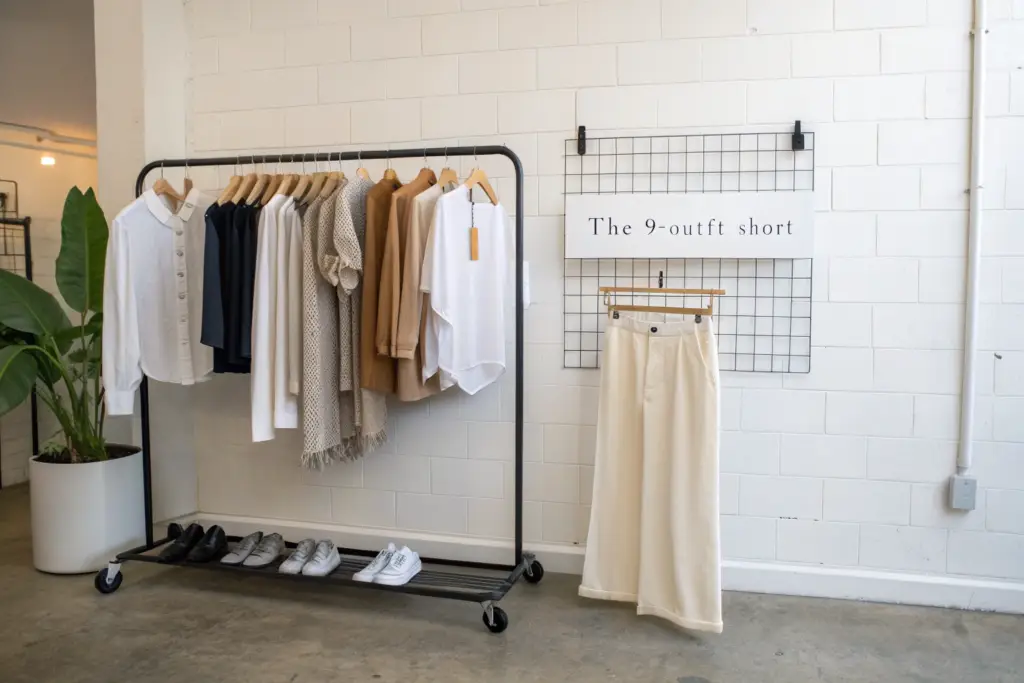
Minimalist brands should merchandise high-rise shorts as a year-round wardrobe building block by presenting them within a capsule wardrobe framework that demonstrates outfit multiplication, by styling them in lookbooks and product pages with every category of top and outerwear the brand offers, by pricing them as an investment piece at a premium that reflects their construction quality and their wardrobe centrality, and by emphasizing their compatibility with the tucked-in, proportion-conscious silhouette that defines the brand's aesthetic, positioning them not as a seasonal item but as a permanent category.
How Should the Product Page Demonstrate Outfit Multiplication?
The most effective product page for a minimalist high-rise short does not show the short in isolation. It shows the short in context. A grid of images showing the same short styled with a silk tank and sandals, with a poplin shirt and loafers, with a fine-gauge knit and a lightweight blazer, and with a simple t-shirt and sneakers.
This visual demonstration of versatility answers the customer's unspoken question. "How many outfits can I make with this?" The answer, communicated visually, is "many." The product description reinforces the message. "Designed to integrate seamlessly with every top in your wardrobe. Wear with a tucked-in tank for a clean summer line, or with our relaxed poplin shirt for a structured contrast." This product page merchandising for minimalist brands approach positions the short as a wardrobe solution, not a single-use item.
Why Should High-Rise Shorts Be Presented as a Permanent Category, Not a Seasonal One?
The minimalist brand does not chase trends. It builds a permanent wardrobe. The high-rise short, because its design is based on proportion rather than fashion, belongs in the permanent collection. It should be presented as a core category, alongside the tailored trouser and the blazer.
This means it should be available in the same core fabrics, the same core colors, season after season. The customer who buys the cream cotton twill short this summer should be able to buy the same short in black next spring, and in a lightweight wool blend next fall. The consistency builds trust. The customer knows that the short will be there. She knows it will fit her the same way. She becomes a repeat buyer of the same SKU in different colors and fabrics. This core product strategy for fashion brands approach builds the reliable, predictable revenue stream that sustains the brand.
Conclusion
Classic high-rise shorts for women have taken over minimalist fashion brands because they are the logically correct solution to the design, fit, and merchandising challenges that define the category. The high-rise proportion creates the elongated leg line and the balanced silhouette that are the aesthetic foundations of minimalist design. The natural waist anchor solves the fit problems that have historically made shorts a high-return category, providing a stable, secure, and comfortable fit that the demanding minimalist consumer values. The construction techniques, the contoured waistband, the French-seamed interiors, and the premium matte fabrics, deliver the invisible quality that the tactile minimalist consumer insists upon. And the wardrobe-building merchandising approach positions the high-rise short as a permanent investment piece, not a seasonal novelty, driving repeat purchasing and customer loyalty.
At Shanghai Fumao, we specialize in the precision construction and the quality detailing that the minimalist high-rise short demands. If you are a minimalist brand looking to add this essential category to your collection, or to elevate the quality of your existing shorts program, contact our Business Director, Elaine, at elaine@fumaoclothing.com. Let's build a short that your customers will build their summer wardrobes around.