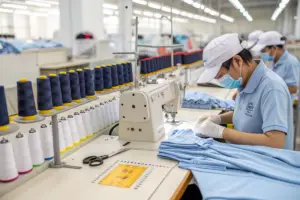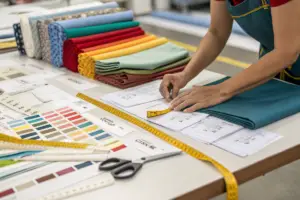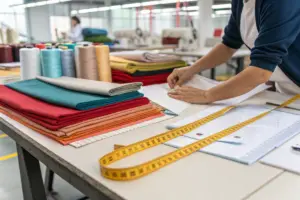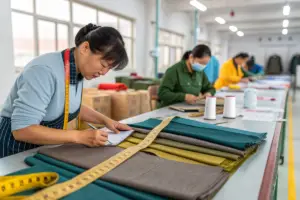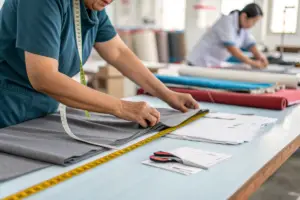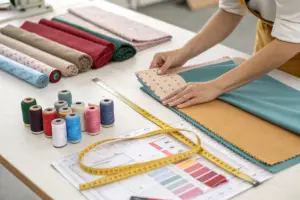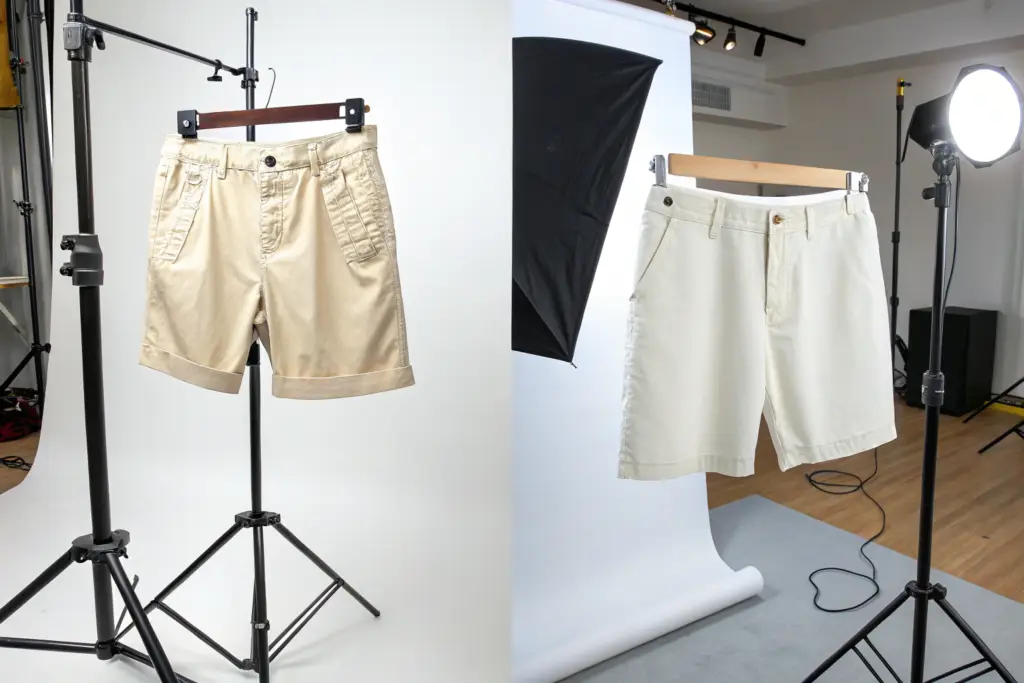
A few years ago, I was at a trade show in Berlin, standing in front of two booths selling classic chino shorts. The first booth had a pair priced at twenty-two dollars wholesale. The fabric was 100% cotton twill, the zipper was a generic brand, and the waistband was a straight strip with a slight pucker at the side seam. The second booth had a pair priced at eighteen dollars wholesale. The fabric was a cotton-Tencel blend with a soft, matte finish, the zipper was a YKK with a clean insertion, and the waistband was shaped to the body curve. The eighteen-dollar short looked significantly more expensive. The twenty-two-dollar short looked like a commodity. The difference was not the cost. The difference was the knowledge of what creates perceived value.
A classic pair of shorts looks expensive even at a low wholesale cost when specific, intentional choices are made in four areas: the fabric hand feel and visual texture, which are influenced more by finishing processes like enzyme washing and mechanical softening than by raw fiber price; the hardware selection, where a single premium-feeling button or a cleanly inserted YKK zipper can disproportionately elevate the quality perception; the precision of the topstitching and seam execution, which signals manufacturing discipline and attention to detail; and the internal structural components like the waistband interlining and pocket bag material, which affect how the short holds its shape and feels during wear.
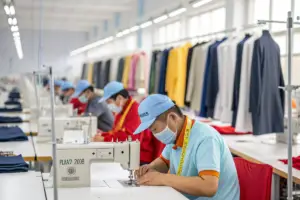
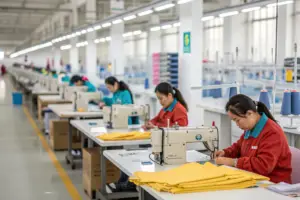
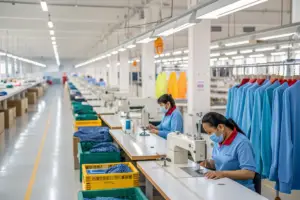
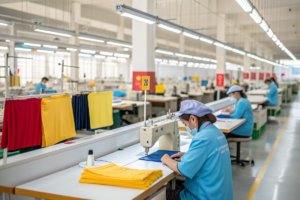
At Shanghai Fumao, I have spent two decades learning how to help brands achieve an expensive look at a workable cost. The secret is not in spending more money across the board. It is in knowing exactly where to spend the marginal dollar to create the maximum perceptual impact. Let me break down each of these leverage points.
How Does Fabric Hand Feel Influence the Perception of Luxury?
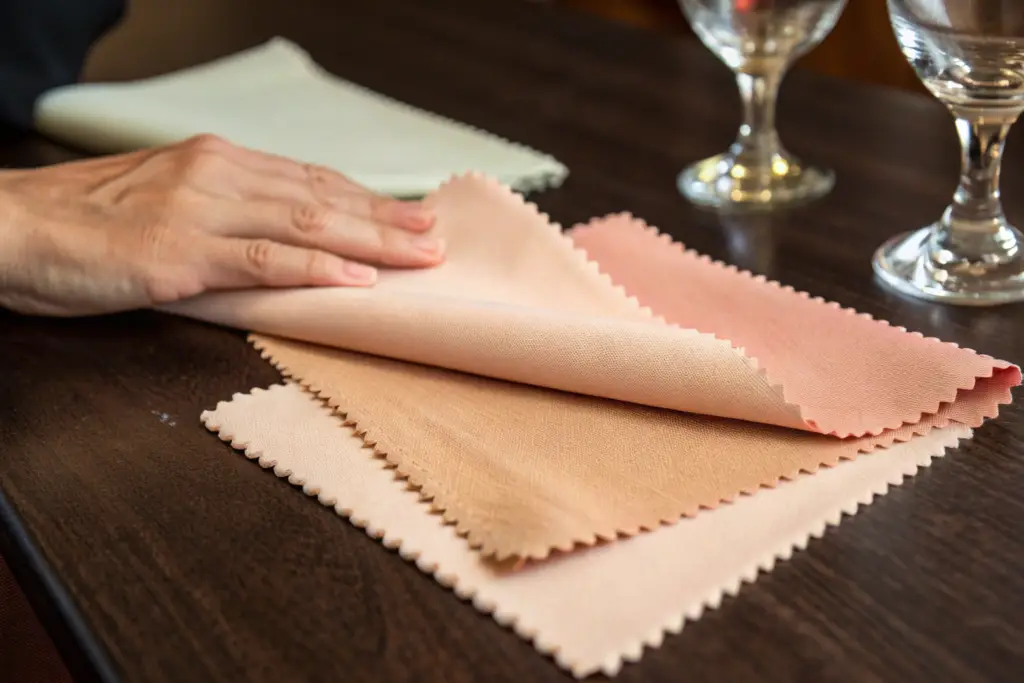
A customer does not walk into a store, look at a pair of shorts, and decide they are expensive. She reaches out. She touches the fabric. That touch is the moment of truth. If the fabric feels stiff, rough, or papery, the price expectation drops, regardless of the actual cost. If the fabric feels soft, substantial, and almost velvety, the price expectation rises. The hand feel is the most powerful, most immediate, and least expensive way to influence perceived value.
The hand feel of a classic short is transformed from commodity to luxury primarily through wet finishing processes applied after the fabric is woven, specifically enzyme washing, which uses natural cellulase enzymes to gently eat away the micro-fuzz on the cotton fiber surface, creating a smooth, soft hand, and mechanical peaching or brushing, which raises a fine nap on the fabric surface that feels soft and warm to the touch, with these processes adding a marginal cost of approximately $0.30 to $0.60 per unit while dramatically elevating the consumer's tactile quality perception.
Why Does Enzyme Washing Create a More Expensive Hand Feel Than Untreated Cotton?
Standard, untreated cotton twill has a surface that is microscopically rough. The cotton fibers protrude from the yarn surface, creating a texture that feels dry, slightly scratchy, and distinctly unfinished. This is the hand feel of a cheap short. The consumer associates it with low price because it is the default state of inexpensive fabric.
Enzyme washing removes this micro-roughness. The cellulase enzyme is a protein that specifically digests cellulose, the material that cotton fibers are made of. When the fabric is tumbled in a bath with the enzyme at a controlled temperature and for a controlled time, the enzyme attacks the protruding fiber ends, nibbling them away. The result is a fabric surface that is dramatically smoother to the touch. The process is sometimes called bio-polishing. The effect is permanent. It does not wash out. The cost of the enzyme, the water, and the machine time adds perhaps thirty to fifty cents to the cost of a pair of shorts. The perceived value increase is measured in dollars of retail price. This enzyme wash fabric finishing technique is one of the highest-return investments in apparel manufacturing.
How Does Fabric Weight and Drape Contribute to the Perception of Substance?
A lightweight, flimsy fabric communicates cheapness. The consumer picks up the short, and it feels insubstantial in her hand. She can almost see through it when she holds it up to the light. The drape is lifeless. The short hangs limp.
A fabric with sufficient weight communicates quality. The consumer feels the heft. The fabric drapes with a gentle, structural curve rather than collapsing flat. For classic shorts, a fabric weight of 220 to 260 grams per square meter for a cotton twill provides the right balance of substance and breathability. The weight gives the short presence. The short holds its shape on the hanger. The seams hang straight. The leg opening holds a clean line. This perception of substance is independent of the raw fiber price. A well-constructed 240 GSM twill made from standard cotton can feel more expensive than a poorly constructed 200 GSM twill made from premium Supima cotton. The weight and the finishing matter more than the fiber pedigree. This fabric weight and drape guide principle is fundamental to value engineering.
What Role Do Hardware and Trim Selections Play in Perceived Value?
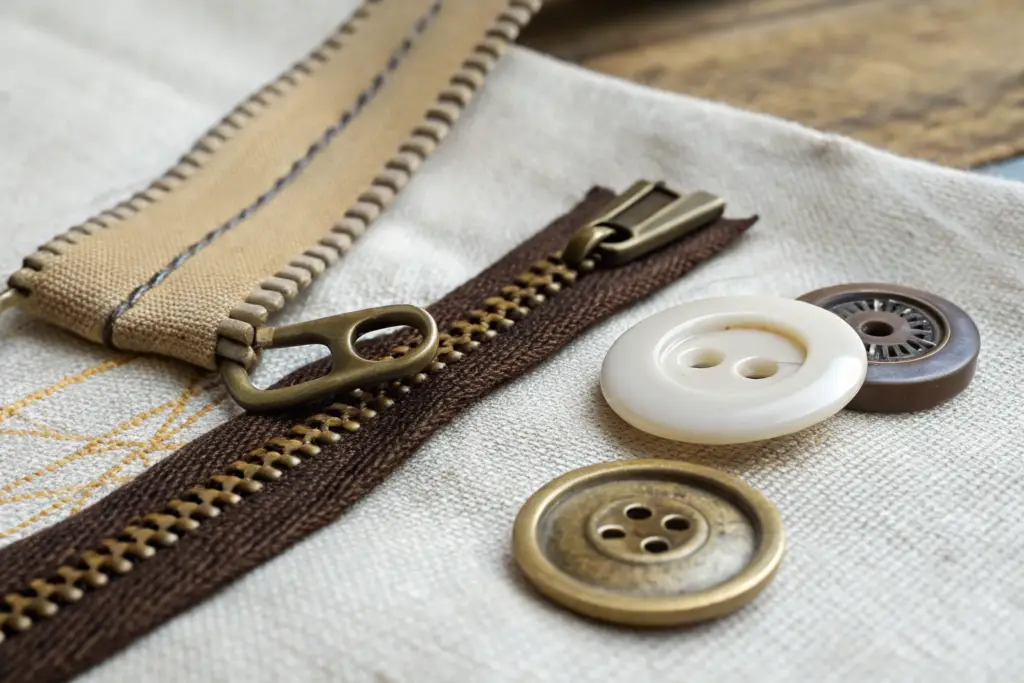
The hardware on a pair of shorts, the button, the zipper, and any rivets or snaps, are the points of physical interaction. The consumer touches the button to fasten the waistband. She touches the zipper pull every time she puts the shorts on. These touchpoints are moments of concentrated quality perception. A cheap, lightweight, hollow-feeling button tells the consumer the entire garment is cheap. A heavy, cool-to-the-touch button with a natural texture tells the consumer the garment is premium. The cost difference between these two buttons is measured in cents. The perceived value difference is measured in dollars.
The hardware selection for classic shorts creates a disproportionate impact on perceived value because the button and the zipper are the only components the consumer physically manipulates during every single wear cycle, making a genuine horn or corozo button with visible natural grain and a satisfying weight, paired with a YKK or equivalent premium zipper with a locking slider and a smooth, silent operation, the highest-leverage investment available, with the total cost premium for upgraded hardware typically under $0.80 per unit.
How Does Button Material and Weight Signal Quality to the Touch?
The human hand is exquisitely sensitive to weight, temperature, and surface texture. A polyester resin button is lightweight. It feels warm to the touch because plastic is a thermal insulator. Its surface is perfectly uniform because it is molded, a uniformity that the brain reads as artificial. A genuine horn, mother-of-pearl, or corozo button is heavier. It feels cool to the touch because natural materials conduct heat away from the skin. Its surface has a natural grain, subtle variations that the brain reads as authentic and organic.
This sensory experience happens in a fraction of a second. The consumer fastens the waistband, and her fingertips register weight, coolness, and texture. The judgment is subconscious but powerful. The short is expensive. The actual cost difference between a premium polyester resin button and a genuine corozo button from a quality supplier is approximately fifteen to twenty-five cents per button. For the one or two visible buttons on a pair of shorts, the investment is thirty to fifty cents. The perceived value return is many multiples of that. This luxury button materials guide is essential knowledge for any brand seeking to elevate its product.
Why Is a Clean Zipper Insertion More Important Than the Zipper Brand?
A YKK zipper is the industry standard for quality, and I recommend it. But a YKK zipper that is poorly inserted, with a puckered tape, a misaligned fly, and a slider that catches on the fabric, communicates poor quality just as effectively as a failed generic zipper. The insertion quality matters as much as the component quality.
A clean zipper insertion is characterized by a flat, unpuckered zipper tape. The fly facing fully conceals the zipper teeth, with no metal visible from the front. The top of the zipper tape is neatly finished and secured under the waistband. The zipper slider operates smoothly through its full travel without catching, snagging, or requiring force. The bottom of the zipper is secured with a proper bartack that prevents the tape from separating under tension. This level of insertion quality requires a skilled sewing operator and a properly adjusted machine. It cannot be achieved by rushing. It communicates manufacturing discipline. This zipper insertion quality standards attention to detail is one of the most reliable indicators of overall garment quality.
How Do Stitching and Seam Details Communicate Manufacturing Discipline?
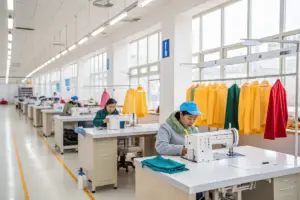
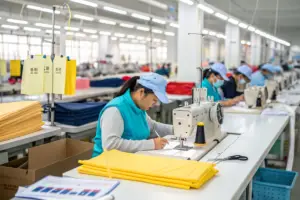
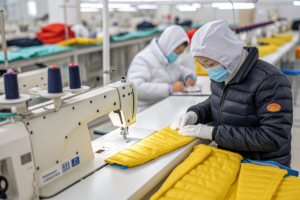
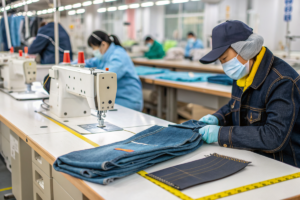
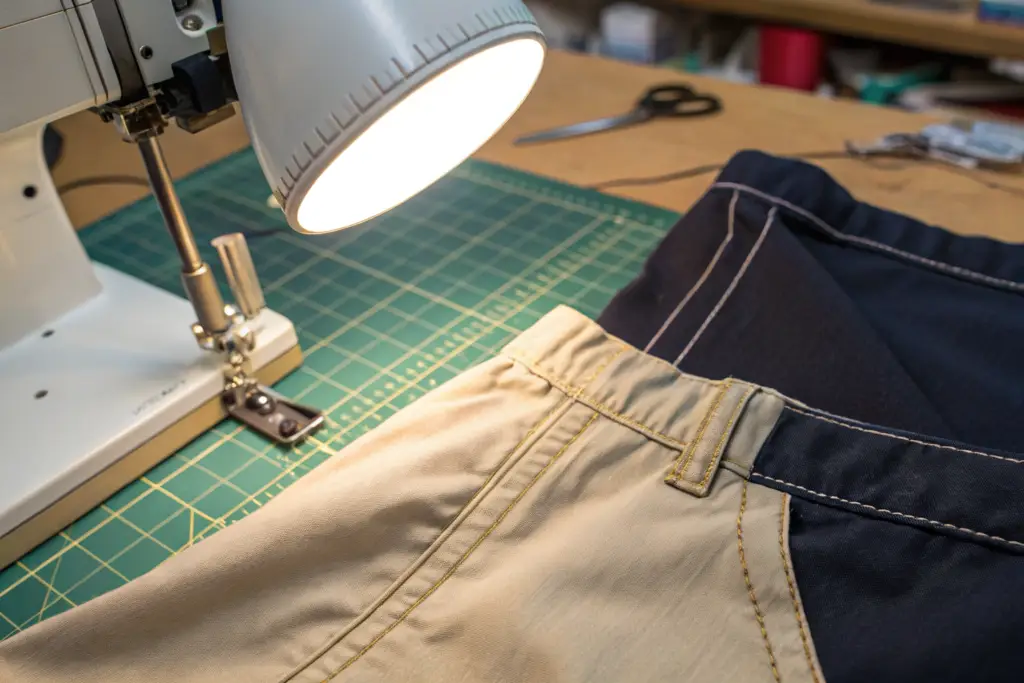
The stitching on a pair of shorts is the visible signature of the factory. A straight, even, well-tensioned seam tells the customer that the person who made this garment was skilled, unhurried, and held to a high standard. A wavy, uneven, puckered seam tells the customer that the garment was rushed through a production line by an operator who was measured on speed, not quality. The customer may not consciously analyze the stitching. But she sees it. The overall impression of quality or cheapness is built from these micro-details.
The perception of expensive manufacturing is communicated through three specific stitching details: the stitch density, which should be 10 to 12 stitches per inch for main seams to create a fine, refined appearance rather than the 8 stitches per inch common on mass-market garments; the seam straightness and the absence of puckering along the seam line, which requires correct thread tension and fabric feed and cannot be achieved if the operator is rushing; and the presence of reinforcement bartacks at all stress points, pocket corners, belt loops, and fly base, which signal that the garment was engineered for durability rather than built to minimum standards.
Why Does a Stitch Density of 10 to 12 SPI Look More Refined?
Stitch density is measured in stitches per inch. A typical mass-market short is sewn at 8 stitches per inch. The stitches are visible as individual, slightly spaced-apart dashes along the seam line. The seam looks functional but not refined.
A short sewn at 10 to 12 stitches per inch has a visibly finer seam line. The stitches are closer together. The seam line appears more continuous, more solid, and more deliberate. The higher stitch density also produces a stronger seam, which the consumer may never test to failure, but which contributes to the overall sense of solidity and quality. The cost of increasing stitch density is sewing time. More stitches per inch means the operator sews more slowly. The productivity per hour decreases. This is a direct trade-off between speed and quality. The factory that prioritizes quality sets the stitch length shorter and accepts the lower output per operator. This stitch density and seam quality is a deliberate manufacturing choice.
How Do Bartacks and Reinforcement Stitches Signal Durability?
A bartack is a dense, zigzag stitch placed at a specific point of stress. On a pair of classic shorts, bartacks appear at the corners of the front pockets, at the top and bottom of the belt loops, at the base of the fly, and at the crotch point. These are the points where tension is concentrated during wear.
A short without bartacks will fail at these stress points. The pocket corner will tear. The belt loop will pull away from the waistband. The consumer will blame the brand. A short with properly placed, dense bartacks communicates that the manufacturer anticipated these stresses and engineered the garment to survive them. The bartack is a small detail, less than a centimeter in length, but it carries a large message. It says the garment was built by someone who cares about how it will perform over time. This reinforcement stitching in garment construction is a hallmark of quality manufacturing. At Shanghai Fumao, our QC checklist specifically includes bartack verification at every stress point.
What Invisible Internal Components Affect Fit and Longevity?
The customer sees the outside of the short. She does not see the inside. But she feels the effects of what is inside every time she wears the short. The waistband that stays flat and does not curl after washing. The pocket bags that lie smooth and do not bunch up. The hem that holds a clean line and does not distort. These qualities are determined by the internal components, the materials and constructions that the customer never sees. Cutting costs on these internal components is a common factory practice because the savings are invisible to the buyer examining a sample. But the consequences are felt by the customer.
The invisible internal components that most significantly affect the perceived quality and longevity of classic shorts are the waistband interlining, where a quality woven fusible prevents the waistband from curling, bubbling, or losing its shape after repeated washing and wearing, the pocket bag material and construction, where a properly weighted cotton pocketing with clean-finished seams prevents bunching, tearing, and transparency, and the internal seam finishing, where bound or flat-felled seam allowances prevent fraying and create a clean interior that communicates quality to anyone who looks inside the garment.
How Does Waistband Interlining Prevent Curling and Bubbling?
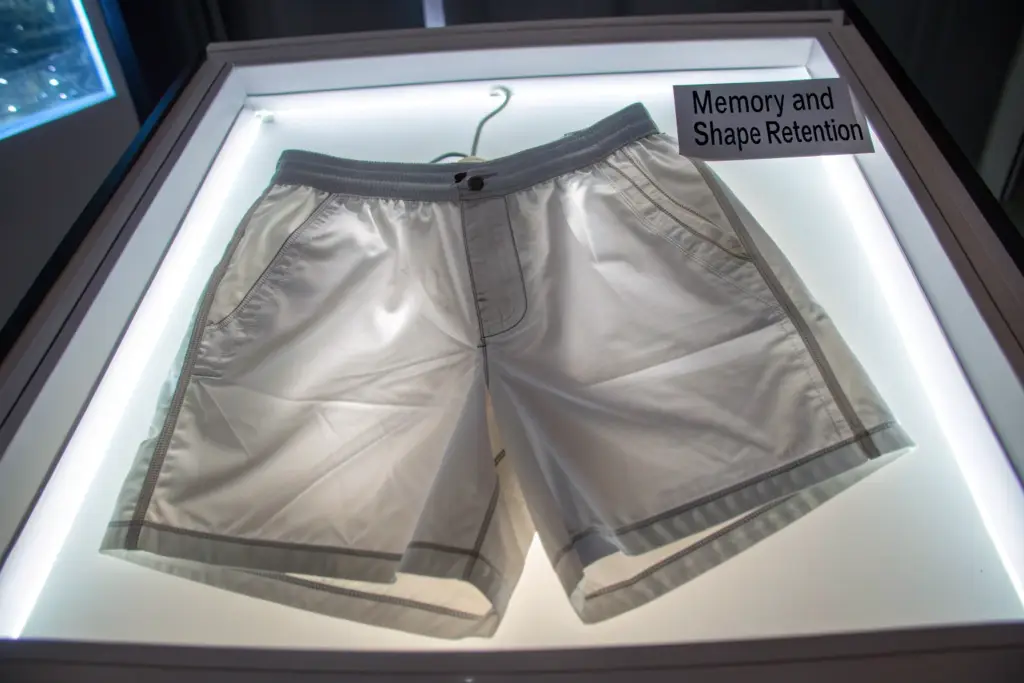
The waistband is the structural backbone of a pair of shorts. It is subjected to tension every time the shorts are worn. It is exposed to heat, moisture, and mechanical action during laundering. Without a proper interlining, the waistband will curl over at the top edge, develop bubbles where the fusible has delaminated, and lose its crisp, flat appearance after a few wash cycles.
A quality waistband interlining is a woven fusible, not a non-woven or a paper fusible. The woven construction provides strength and stability. The fusible adhesive is applied in a dot matrix pattern that bonds securely to the shell fabric without stiffening it. The interlining is cut on the correct grain and fused at the correct temperature, pressure, and dwell time, parameters that are specified by the interlining manufacturer and must be strictly followed. A waistband with a properly selected and correctly applied interlining will remain flat, smooth, and dimensionally stable for the life of the garment. This waistband interlining construction is one of the most important determinants of long-term garment quality.
Why Do Quality Pocket Bags Improve the User Experience?
The customer puts her hands in the pockets of her shorts dozens of times a day. She puts her phone, her keys, her wallet in the pockets. The pocket bags are the most physically used component of the garment after the zipper. Cheap pocket bags create a negative experience that the customer may not identify as a pocket bag problem but will attribute to the overall quality of the short.
A quality pocket bag is made from a sturdy cotton pocketing fabric, not a lightweight, flimsy polycotton that will tear at the seam. The pocket bag seams are clean-finished, either with an overlock stitch or with a French seam, so that the raw edges do not fray and create lint. The pocket bag is properly sized, deep enough to securely hold a large smartphone without the phone falling out when the wearer sits down. The pocket facing, the visible strip of fabric at the pocket opening, is made from the shell fabric, creating a seamless visual transition. These pocket construction quality details are invisible in a product photograph but immediately apparent during wear.
Conclusion
Making a classic pair of shorts look expensive at a low wholesale cost is not about spending more money. It is about knowing where the perceptual leverage points are and investing the marginal dollar precisely there. The fabric hand feel, transformed by enzyme washing and mechanical finishing, is the first and most powerful signal of quality. The hardware, the button and the zipper, are the touchpoints where the consumer's fingertips form a quality judgment in a fraction of a second. The stitching, the density and the straightness and the reinforcement bartacks, is the visible signature of manufacturing discipline. The internal components, the interlining and the pocket bags and the seam finishing, are the invisible architecture that determines how the short wears, washes, and ages over time.
Each of these leverage points costs cents, not dollars, to execute at a premium level relative to the commodity alternative. The cumulative effect of getting all of them right is a short that looks and feels two or three times its wholesale cost. The cumulative effect of getting them wrong is a short that looks exactly like what it cost.
At Shanghai Fumao, we have built our manufacturing process around these leverage points. Our fabric finishing, our hardware sourcing, our stitching standards, and our internal component specifications are all designed to deliver an expensive look at a workable cost. If you are developing a classic shorts program and want to understand exactly where to invest for maximum perceptual return, contact our Business Director, Elaine, at elaine@fumaoclothing.com. Let's build a short that looks worth more than your customer paid for it.