A few summers ago, I received a package in the mail from a long-time brand client in San Diego. Inside was a pair of our classic shorts, or what remained of them. The fabric was faded to a pale, uneven version of its original navy. The waistband had shrunk and curled. The side seams were puckered and distorted. A handwritten note was tucked into the pocket. It read: "My customer says these fell apart after three washes. Did your quality slip, or did he do something wrong?" I could answer that question before I finished unfolding the shorts. The damage was not a manufacturing defect. It was a laundry disaster. The shorts had been washed in hot water, dried on high heat, and likely thrown in with a load of heavy towels and jeans. I called the brand owner and told him the shorts had been laundered to death, and his customer had likely done it without ever reading the care label.
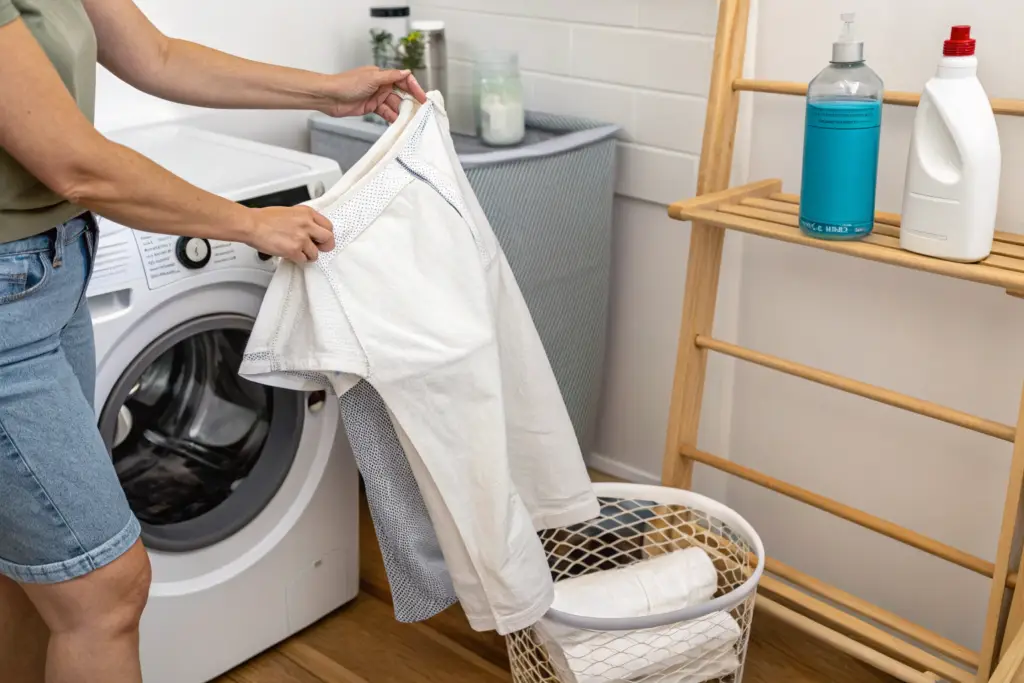
The wash care instructions that protect the value of classic shorts are a specific sequence of consumer behaviors that begin before the first wear and continue through every laundry cycle, including turning the shorts inside out to protect the face fabric, washing in cold water on a gentle cycle with a mild detergent, avoiding chlorine bleach entirely, removing promptly from the washer to prevent mildew and deep-set wrinkles, and air drying or tumble drying on the lowest possible heat setting, because each deviation from this protocol accelerates fiber degradation, dye fading, seam stress, and dimensional distortion.
At Shanghai Fumao, we attach a care label to every pair of shorts we manufacture. I have learned over two decades in this business that the care label is not a suggestion. It is an instruction manual for preserving the value of the garment. The customer who ignores it is not just washing their shorts. They are slowly destroying an investment. Let me explain exactly why each care step matters, what happens when it is skipped, and how you, as a brand, can communicate these instructions in a way your customers will actually follow.
Why Does Turning Shorts Inside Out Before Washing Matter?
I have stood next to industrial washing machines in our factory's testing laboratory and watched what happens to a pair of shorts during a wash cycle. The inside of a washing machine drum is not a gentle bath. It is a mechanical abrasion chamber. Wet fabric is repeatedly lifted and dropped, rubbed against the stainless steel drum perforations, and pressed against other garments in the load. Every one of those contacts wears away a microscopic layer of fiber from the fabric surface. Over multiple wash cycles, this abrasion dulls the color, roughens the hand feel, and weakens the fabric.
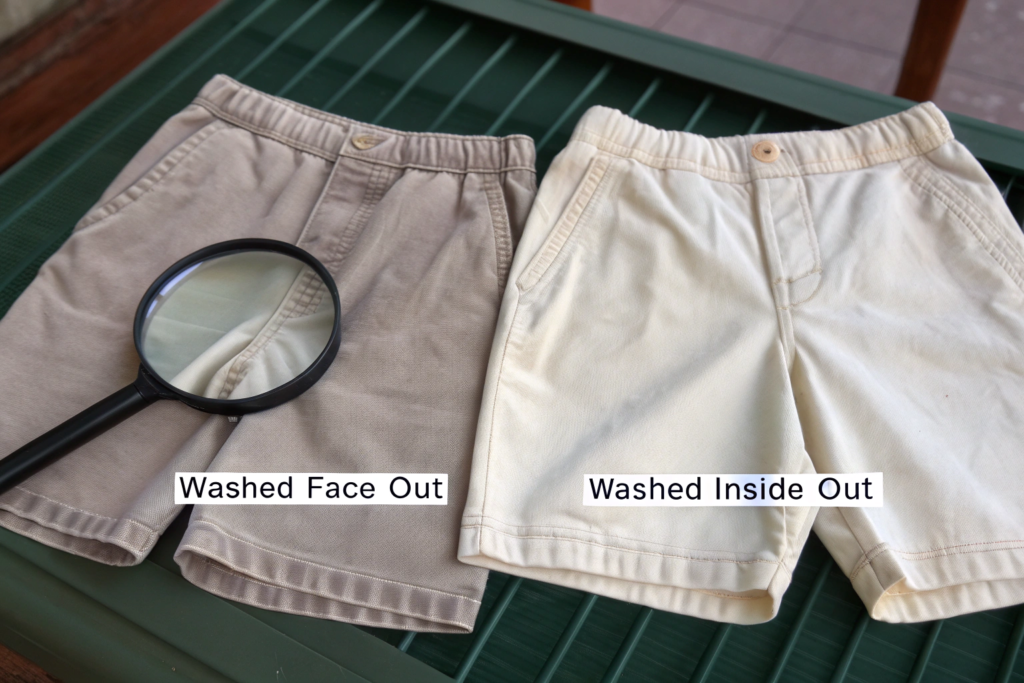
Turning classic shorts inside out before washing protects the face fabric and its color by exposing the interior, which is typically a less finished surface, to the mechanical abrasion of the wash cycle, thereby preserving the visible exterior from the fiber damage that causes fading, pilling, and surface roughness, effectively extending the garment's like-new appearance by a factor of two to three times compared to shorts washed face-out over an equivalent number of laundry cycles.
How Does Mechanical Abrasion in the Washer Cause Color Fading?
The color of a dyed cotton twill short sits on the surface of the fibers. Even with excellent colorfastness, the dye is a coating on the exterior of the cotton fibers, not a property of the fiber itself. When the face of the fabric rubs against other surfaces in the washing machine, that friction physically abrades the dyed fiber surface. The outermost layer of dyed fiber is worn away, exposing the lighter, less saturated fiber underneath.
This process is visible as an overall dulling of the color and a characteristic fading pattern at high points such as the seam edges, the pocket openings, and the waistband edge. These are the points that experience the most friction during washing. Turning the shorts inside out puts the interior fabric surface, which is less visible and less color-critical, in the path of the abrasion. The face fabric is protected against the drum wall and other garments by the interior fabric layer. This simple action does not eliminate abrasion, but it redirects it to a less consequential surface. This laundry abrasion and fabric care principle is well-documented in textile science. At Shanghai Fumao, we test our fabrics for colorfastness to washing using the standardized methods, but we know that even a fabric with a passing grade will benefit from the protection of inside-out washing.
What Role Does Inside-Out Washing Play in Hardware Preservation?
The zipper and the button are the hardest components of a pair of shorts, and during a wash cycle, they become small, aggressive objects banging against the inside of the drum and against other garments. A metal zipper slider can strike the face of the fabric repeatedly, causing localized abrasion that appears as a distinctive pattern of small, light-colored impact marks around the fly area.
A button can catch on other garments in the load, pulling threads and causing snags. When the shorts are turned inside out, the hardware is contained within the folded garment. The zipper is shielded by the fabric layers, and the button is tucked into the interior. The hardware is still present, but its ability to damage the visible face fabric and other garments in the load is dramatically reduced. Additionally, pulling the zipper closed before washing, which should be done whether the shorts are turned inside out or not, prevents the zipper teeth from catching on other fabrics and prevents the slider from banging freely during the cycle. This zipper and hardware laundry care practice is recommended by hardware manufacturers and is a standard element of any comprehensive garment care protocol. At Shanghai Fumao, we include this instruction on our care labels and in the care guides we provide to our brand partners for their product pages.
Why Is Cold Water Washing Non-Negotiable for Premium Fabrics?
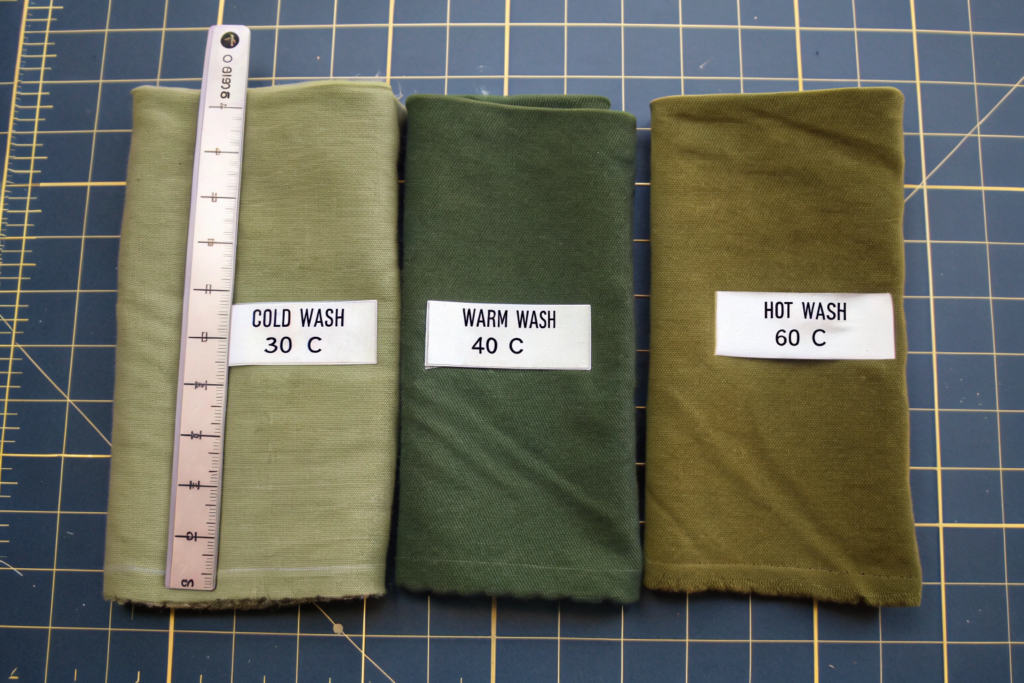
Heat is the most destructive force in a laundry room. It degrades fibers, sets stains, relaxes the tensions that hold a garment's shape, and strips dye from fabric. The difference between washing a pair of classic shorts in cold water at 30 degrees Celsius and washing them in hot water at 60 degrees Celsius is the difference between a short that still looks new after two seasons and a short that looks ready for donation after ten washes. The care label specifies cold water for a reason, and that reason is grounded in the physical chemistry of textile fibers and dyes.
Cold water washing at 30 degrees Celsius or below is non-negotiable for premium classic shorts because higher water temperatures accelerate three simultaneous forms of garment degradation, including the thermal expansion of cotton fibers that leads to irreversible shrinkage, the increased solubility and mobility of dye molecules that causes accelerated color fading and bleeding, and the increased reactivity of detergent enzymes and bleaching agents that can damage fiber strength and surface finish, making cold water the single most impactful wash variable for extending garment life.
How Does Hot Water Cause Irreversible Shrinkage in Cotton Shorts?
Cotton is a natural cellulose fiber with a complex internal structure. When cotton yarn is spun and woven into fabric, internal tensions are created within the fibers. These tensions are partially relaxed during the finishing processes at the textile mill, including sanforization or compacting, which mechanically pre-shrink the fabric. However, residual tension remains.
When cotton fabric is exposed to hot water, the heat energy causes the cellulose molecules to vibrate and move, allowing the internal fiber tensions to relax further. The fibers contract in length, and because the fibers are twisted together into yarns and woven into a fabric structure, this contraction pulls the entire fabric tighter. The result is dimensional shrinkage. This shrinkage is largely irreversible. Once the fibers have relaxed into their shorter configuration, they will not stretch back to their original length. Cold water does not provide enough thermal energy to trigger this relaxation. The cotton fibers remain in their stable configuration, and the garment retains its original dimensions. This cotton shrinkage prevention science is why cold water washing is the single most effective consumer action for preventing the slow, cumulative shrinkage that gradually makes shorts too tight and too short over multiple wash cycles.
Why Does Heat Accelerate Dye Loss and Color Fading?
The dye molecules that give classic shorts their color are attached to the cotton fibers through chemical bonds, in the case of reactive dyes, or through physical adhesion, in the case of direct dyes. These bonds are not indestructible. Heat provides energy that can break the dye-fiber bonds, releasing dye molecules into the wash water.
Hot water also causes cotton fibers to swell more than cold water. This swelling opens the internal structure of the fiber, allowing water and detergent to penetrate more deeply and potentially displace dye molecules that are mechanically trapped within the fiber. The combination of bond-breaking heat energy and swelling-induced penetration accelerates color loss. The visible result is that shorts washed repeatedly in hot water will fade significantly faster than identical shorts washed in cold water. This dye fading in laundry is a chemical process that the consumer controls with the temperature dial. At Shanghai Fumao, our care labels specify a maximum wash temperature of 30 degrees Celsius, and our colorfastness testing is conducted at this temperature to simulate proper consumer care.
How Does the Drying Method Impact Longevity and Fit?
If hot water washing is the primary cause of gradual garment degradation, high-heat tumble drying is the event that inflicts the most damage in the shortest time. I have seen a beautifully made pair of shorts emerge from a hot dryer cycle looking like a different garment, shrunken, distorted, with a rough, abraded surface and set-in wrinkles that no amount of ironing could fully remove. The dryer does not just continue the damage started in the washer. It introduces entirely new forms of mechanical and thermal stress.
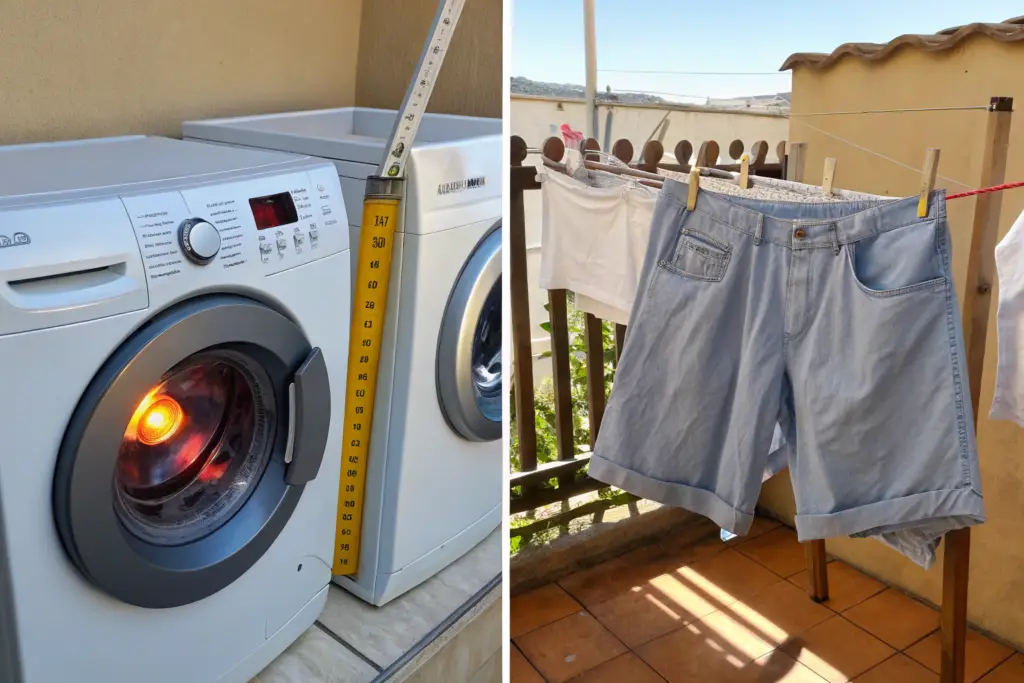
The drying method chosen by the consumer directly determines whether a pair of classic shorts retains its original dimensions, surface texture, and structural integrity, with air drying on a flat surface or a drying rack being the preservation-optimal method, while tumble drying on any heat setting introduces a combination of thermal shrinkage, mechanical abrasion from tumbling, and the setting of deep wrinkles that require high-heat ironing to remove, each of which incrementally degrades the garment.
What Happens to Cotton Fibers Inside a Hot Dryer Drum?
A tumble dryer combines two destructive forces, heat and mechanical action, in a confined space. The hot air circulating through the drum provides the thermal energy to relax cotton fibers and drive off moisture. This is the same thermal relaxation mechanism that causes shrinkage in hot water, but the temperatures in a dryer, typically 60 to 75 degrees Celsius on a high setting, are significantly higher than even a hot water wash.
The mechanical action of tumbling compounds the damage. Wet cotton fibers are weaker than dry cotton fibers. The repeated impact of the garment against the dryer drum and against other garments in the load, while the fibers are in this weakened, heated state, causes fiber breakage. This broken fiber appears on the surface as micro-pilling and a general roughening of the hand feel. The lint trap in a dryer is filled with the broken fibers of the garments being dried. Every lint screen cleaning represents a small amount of your shorts that has been permanently removed. This dryer damage to clothing is measurable and cumulative. At Shanghai Fumao, our care labels always specify either line drying or tumble drying on the lowest possible heat setting, with a strong recommendation for air drying.
How Does Air Drying Preserve Fabric Drape and Natural Finish?
When a pair of classic shorts is removed from the washing machine and hung or laid flat to dry at room temperature, the drying process is gentle and passive. The water evaporates slowly from the fibers without thermal or mechanical stress. The cotton fibers remain in their relaxed, stable configuration. The fabric retains its original drape, its soft hand feel, and its dimensional stability.
Air drying also preserves the garment finish. Many of our classic shorts receive an enzyme wash or a softener treatment during manufacturing that gives them a smooth, soft hand feel and a slight natural luster. These finishes are sensitive to heat and mechanical action. A single high-heat dryer cycle can strip away much of this finish, leaving the fabric feeling rough and looking dull. Air drying leaves these finishes intact. The shorts may feel slightly stiff immediately after air drying, but this stiffness relaxes within minutes of wearing or with a brief, gentle steam. The air drying vs machine drying clothes comparison consistently shows that air-dried garments last longer, look better, and maintain their fit more reliably. At Shanghai Fumao, we provide air drying instructions and a branded drying rack recommendation as part of the care guide package for our premium brand partners.
How Should Brands Communicate Care Instructions to Reduce Returns?
I have analyzed return data across multiple brands and multiple seasons. A significant percentage of returns categorized as "quality issues" are, upon inspection of the returned garment, laundry damage. The customer washed the shorts incorrectly, the shorts shrank or faded, and the customer blamed the brand. The customer is not necessarily being dishonest. They may genuinely believe the garment was defective because they are not aware that their laundry habits caused the damage. The brand that fails to educate its customers about proper care is accepting a predictable return rate that could be reduced through better communication.
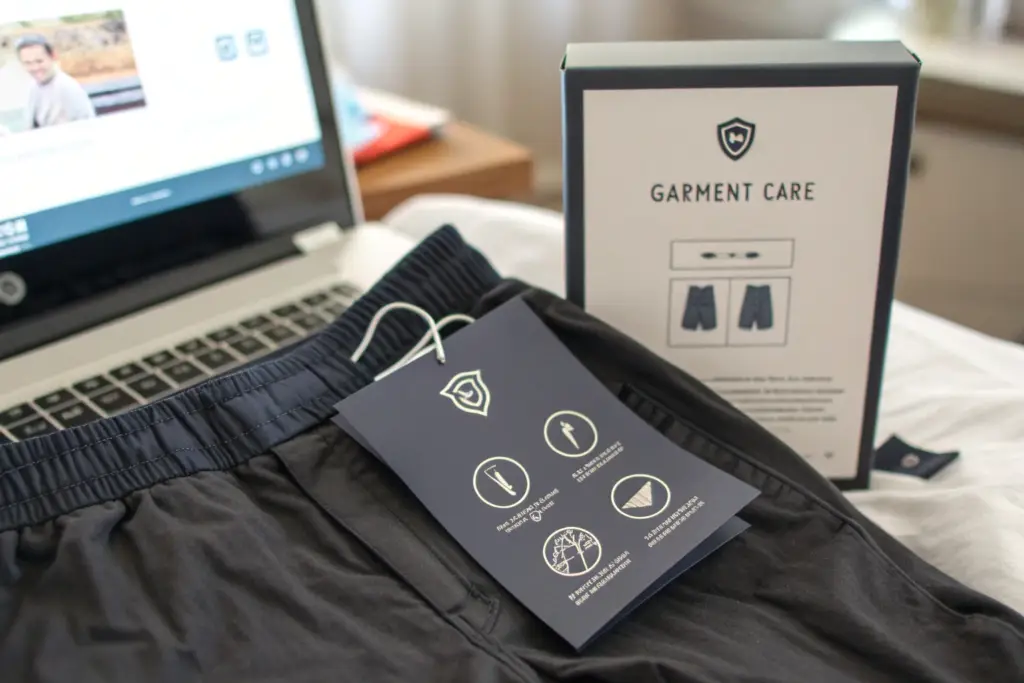
Brands can reduce care-related returns by moving beyond the legally required care label to a multi-touchpoint care education strategy that includes a dedicated care guide page on the product website with the reasoning behind each instruction, a printed care card included in the garment packaging that explains the value preservation benefits of proper care, and care instruction reminders integrated into post-purchase email sequences, transforming the care instructions from a small, easily ignored label into a brand value proposition that positions proper care as an investment in the garment's longevity.
Why Is the Standard Care Label Insufficient for Consumer Education?
Every garment sold in the United States is legally required to carry a care label with specific washing, bleaching, drying, and ironing instructions. The label is standardized, small, and uses symbols that many consumers do not fully understand. The label communicates what to do but not why to do it.
A consumer who reads "Machine wash cold, gentle cycle, tumble dry low" may interpret "cold" as "whatever temperature comes out of the cold tap," which can vary seasonally. They may interpret "gentle cycle" as a suggestion rather than a requirement. They may interpret "tumble dry low" as permission to use the dryer at any setting. The label provides instructions without education. A consumer who understands that hot water causes cotton to shrink irreversibly is more likely to select the cold setting than a consumer who is simply told to do so. A consumer who understands that the dryer's high heat strips the fabric finish is more likely to air dry than a consumer who is simply given a dryer temperature. This garment care label effectiveness limitation is why leading brands invest in care education beyond the label. At Shanghai Fumao, we provide our brand partners with care guide content that explains the "why" behind each instruction.
How Can Care Instructions Become a Brand Value Proposition?
The most effective care communication frames proper garment care not as a chore but as an investment. The brand that sells a $98 pair of classic shorts can tell its customer: "These shorts are designed to last for years, not seasons. Following these care instructions will protect your investment and keep your shorts looking new for five times longer than standard laundering would allow."
This framing transforms the care instructions from a legal requirement into a brand differentiator. The brand is not telling the customer what to do. The brand is empowering the customer to extract maximum value from their purchase. The care card in the packaging can be designed as a premium brand touchpoint, using quality paper, beautiful typography, and clear iconography. The product page can include a short video demonstrating the care process and showing the difference between properly and improperly cared-for shorts after twenty washes. The post-purchase email can reinforce the care message with a subject line like "How to keep your new shorts looking new." This brand communication of care instructions approach creates a customer who feels cared for and informed, which builds loyalty and reduces the frustration that leads to returns. At Shanghai Fumao, we help our brand partners develop customized care communication materials that reflect their specific products and brand voice.
Conclusion
The wash care instructions that protect the value of classic shorts are simple, specific, and grounded in textile science. Turn the shorts inside out before washing to protect the face fabric and hardware from mechanical abrasion. Wash in cold water at 30 degrees Celsius or below to prevent thermal fiber shrinkage and accelerated dye loss. Use a mild, pH-neutral detergent on a gentle cycle, and never use chlorine bleach. Remove the shorts promptly from the washing machine, and air dry them on a flat surface or a drying rack, avoiding the tumble dryer entirely or using it only on the lowest possible heat setting. These steps, performed consistently, will extend the like-new appearance and structural integrity of a pair of shorts by a factor of three to five times compared to standard hot washing and high-heat drying.
For brands, the communication of these instructions is as important as the instructions themselves. The standard care label is a legal requirement, but it is not sufficient to change consumer behavior. A multi-touchpoint care education strategy that explains the why behind each instruction, frames proper care as an investment protection, and reinforces the message through the product page, the packaging, and the post-purchase communication can significantly reduce care-related returns and build long-term customer loyalty.
If you are developing a line of classic shorts and want to ensure that your customers have the information they need to protect their purchase, we can help you develop a comprehensive care communication package as part of your manufacturing program. At Shanghai Fumao, we believe that our responsibility for quality extends beyond the factory gate and into the customer's laundry room. Contact our Business Director, Elaine, at elaine@fumaoclothing.com. Let's make sure your shorts look as good after fifty washes as they do on day one.