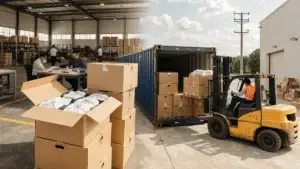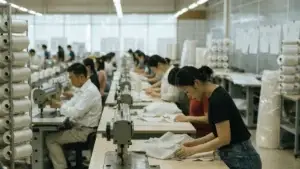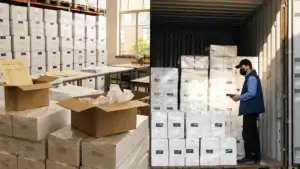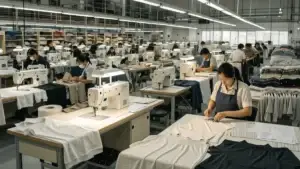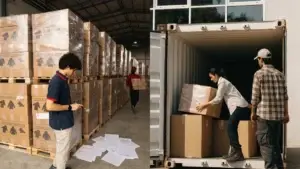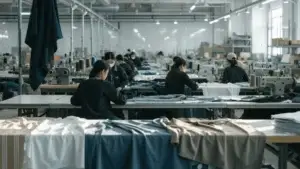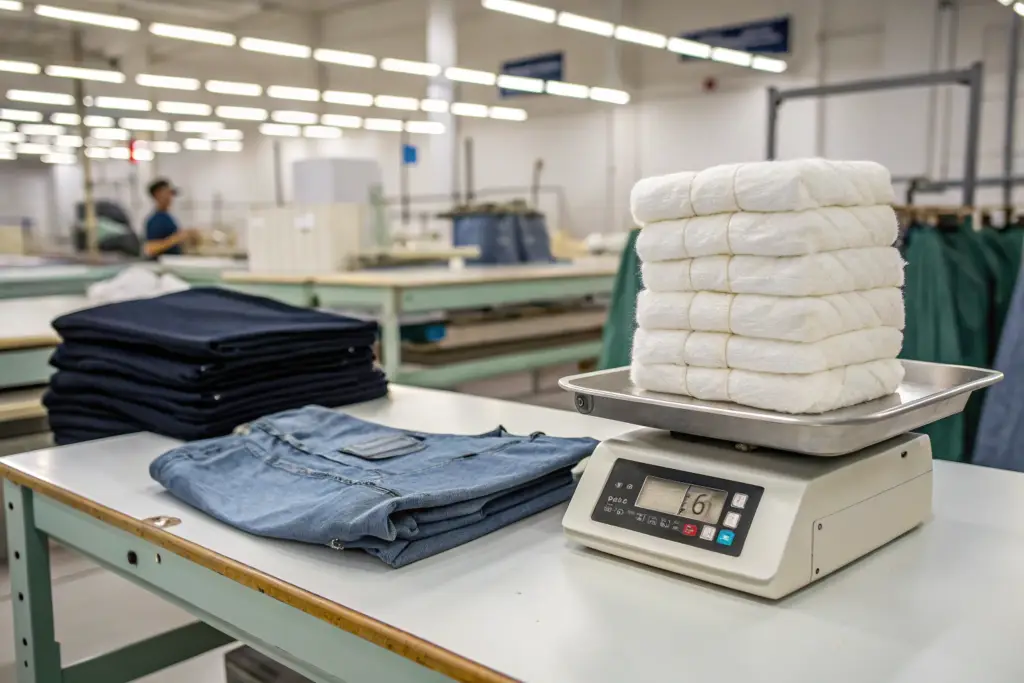
When the cotton futures ticker turns red on my screen, I do not just see a number. I see the direct impact on every pair of classic shorts we produce in our factory. Last season, I watched a 15% cotton price spike force three American brand clients to abruptly switch their orders from pure cotton to a polyester blend. They panicked. They thought swapping fibers was the only way to save their margins. Unfortunately, their customers noticed the cheaper hand feel, and their returns tripled. Panic-driven sourcing decisions rarely end well. The relationship between raw cotton prices and the classic shorts sitting on a retail shelf is immediate, visceral, and often mismanaged by brands who view it as a crisis to be survived rather than a cost to be strategized around.
Rising cotton prices exert immediate upward pressure on FOB costs for classic shorts, but the most successful brands navigate this volatility by locking in fabric contracts during harvest season, restructuring garment construction to reduce waste, and transparently adjusting minimum order quantities rather than silently degrading fabric quality, which ultimately preserves brand equity and long-term buyer trust.
In my position running Shanghai Fumao, I sit at the exact intersection where global commodity markets smash into the physical reality of cutting and sewing. I have seen that the brands who treat cost engineering as a creative discipline, not just a cutback drill, come out stronger on the other side of a price hike. The key is to understand why the market moves, how it changes the construction of the garment you are selling, and how to protect your supply chain relationships when the market inevitably turns volatile again.
Why Do Cotton Prices Fluctuate So Dramatically?
I have a vivid memory from 2011. Cotton prices hit an all-time high of over $2 per pound, and our order books looked like a war zone. Projects were canceled overnight. That was the year I truly committed to understanding agricultural markets, not just textile manufacturing. Most apparel brand owners do not realize that the price of their classic shorts is decided not in a negotiation room in Shanghai, but in the cotton fields of Texas, India, and Brazil, months before we even see the yarn.
Cotton prices are not driven solely by supply and demand but are heavily influenced by unpredictable climate shocks in major growing regions, government subsidy policies that artificially depress or inflate global trade, and speculative positioning on the ICE futures exchange, creating a volatility that factories and brands must jointly manage.

How Do Climate Conditions Directly Shift Global Cotton Supply?
Cotton is a crop, not a widget. It needs sun, but not too much sun. It needs water, but not too much water. When a major cotton-producing region fails, the global market feels it immediately. For a classic shorts manufacturer, this is not an academic discussion. A drought in West Texas or excessive monsoon flooding in Gujarat, India, literally changes the cost of the fabric we cut tomorrow morning.
The USDA's monthly World Agricultural Supply and Demand Estimates report is likely the most influential document you are not reading. It tracks the global stocks-to-use ratio, which is the single best indicator of price direction. When that ratio drops, indicating tighter supply, the market bets on scarcity. For example, when the cotton supply chain is disrupted by weather, the price of raw cotton fiber properties can shift by double digits in weeks. I remember advising a Denver-based outdoor brand to pull forward their fabric booking by a month because the long-term forecast for the Texas Panhandle looked brutal. They saved 8% on their core fabric cost. That 8% was pure profit retained.
What Role Do Government Policies Play in Cotton Pricing?
While we work in a free market, cotton is rarely a truly free commodity. Government intervention, particularly in the United States through the Farm Bill and in India through the Minimum Support Price scheme, creates an artificial price floor. This is a hidden variable that manufacturers in China must constantly calculate.
US cotton farmers receive subsidies that insulate them from market crashes, meaning American cotton can often remain globally competitive even when the market logic says it should not. Similarly, changes to trade policies between major producing and consuming nations can shock the market overnight. We saw this during the tariff disputes between the US and China. When China placed a retaliatory tariff on US cotton imports, it instantly altered the procurement landscape. We had to scramble to source from Brazilian and African suppliers to keep the pricing stable on our classic shorts. Understanding these trade policy impacts means you do not blame your factory for a price hike that started in a Washington or New Delhi legislative session. It allows you to make a fair, informed counter-proposal to protect your margins.
How Do Rising Fiber Costs Change Short Construction?
When the price of cotton yarn climbs, we cannot just keep the garment design the same and charge you more. That is lazy manufacturing. Real manufacturing involves rapidly re-engineering the product to hit a specific price target without making the consumer feel the downgrade. This is a skill, not a price concession. I have spent years training my pattern makers to think like financial engineers, finding areas to shave off 20 cents here and 15 cents there, which add up to dollars on a bulk order.
Smart cost engineering in response to rising cotton prices focuses on reducing the cut-and-sew waste percentage through tighter marker efficiency, redesigning pocketing and internal waistband components to use less fabric, and shifting to construction techniques that require less thread and labor without compromising the visible or tactile quality of the shorts.
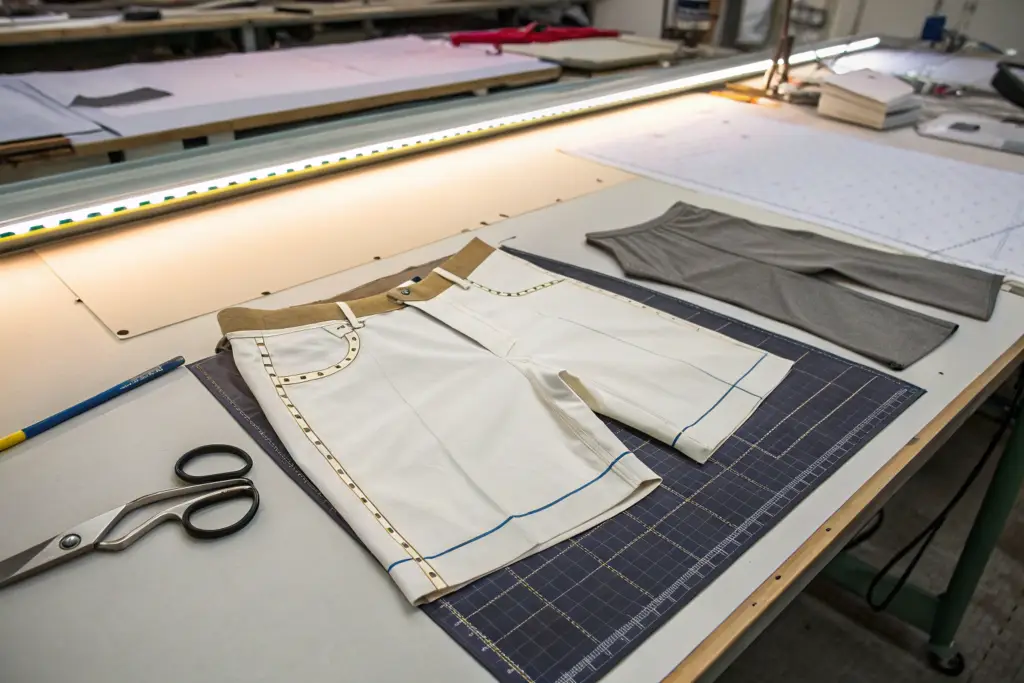
How Can Marker Efficiency Reduce Fabric Waste?
Fabric is the single biggest cost in a pair of classic shorts. When the raw material cost jumps 10%, the only way to avoid passing the entire cost to the buyer is to buy less raw material per pair. This is done on the cutting table, not in a negotiation room. Marker efficiency is the science of arranging the pattern pieces on the fabric like a puzzle to leave the smallest possible skeleton of unusable scrap.
Historically, manual marker making was an art. Now, we use advanced CAD software to experiment with different pattern geometries. For instance, we recently redesigned the pocket bag of our best-selling chino short for a Seattle retailer. By changing the curve of the pocket bag from a rounded shape to a more angular polygon, we could nest the pieces closer together, improving cutting room efficiency by almost 4%. We also relaxed the strict grain line requirement on the waistband interlining by one degree, an invisible change that significantly reduced the fabric utilization ratio. When you multiply a 4% fabric saving across an order of 10,000 units, you effectively neutralize a decent chunk of the raw cotton price spike without altering the customer's experience of the short's exterior.
What Trims and Internal Components Are Easy Targets for Cost Reduction?
The smartest cost savings are the ones the customer never sees and never feels. I always tell my clients to start their value engineering by turning the shorts inside out. The interior of the garment holds the key to protecting your margin. If you are cutting costs on the shell fabric, you are damaging your brand. If you cut costs on the internal pocketing, you are being smart.
Here is a simple cost comparison we often present to clients facing a cotton price crisis. These are trims that can be swapped to save money:
| Internal Component | Standard Option (Higher Cost) | Value-Engineered Option | Potential Savings Per Unit | Quality Impact |
|---|---|---|---|---|
| Pocketing Fabric | 100% Cotton Twill | Polycotton (80/20) blend | $0.12 - $0.15 | None visually; improves pocket durability |
| Waistband Interlining | Woven Fusible | Non-woven Fusible | $0.05 - $0.08 | None, if proper wash tested |
| Fly Zipper Tape | Wide woven tape | Standard width tape | $0.10 - $0.18 | None functionally |
| Button Material | Genuine Horn | High-density Resin | $0.20 - $0.25 | Minimal visual difference to consumer |
The internal waistband interlining is a classic example. A woven interlining behaves beautifully but costs significantly more than a precision non-woven. Since it sits inside the waistband, the wearer never touches it. As long as we conduct rigorous wash testing to prevent bubbling, the switch is invisible. We did this for a New York client who was staring down a 12% cotton yarn increase. We saved them 45 cents per unit purely by swapping the internal pocketing material and interlining specifications at Shanghai Fumao. Their external product looked identical, and their sell-in price to boutiques did not need to change at all.
What Sourcing Strategies Protect Brands From Price Volatility?
Volatility scares inexperienced brands, but it creates opportunity for disciplined ones. I see a direct correlation between a brand's sourcing strategy and their survival during a commodity crisis. The brands that treat their factory relationship as a transactional bidding war for the cheapest price are always the first to collapse when the market turns. The ones who treat us as supply chain partners ride the wave smoothly. You need a multi-pronged strategy that doesn't just look at today's PO, but at the next eighteen months.
A resilient sourcing strategy against cotton price volatility involves shifting from spot buying to forward contracting raw materials, restructuring your classic shorts program to fit within a stable core-fabric mill matrix, and utilizing financial hedging tools available through your supply chain partners to lock in margins long before the physical fabric hits the cutting table.
Why Is Forward Contracting Fabric a Competitive Advantage?
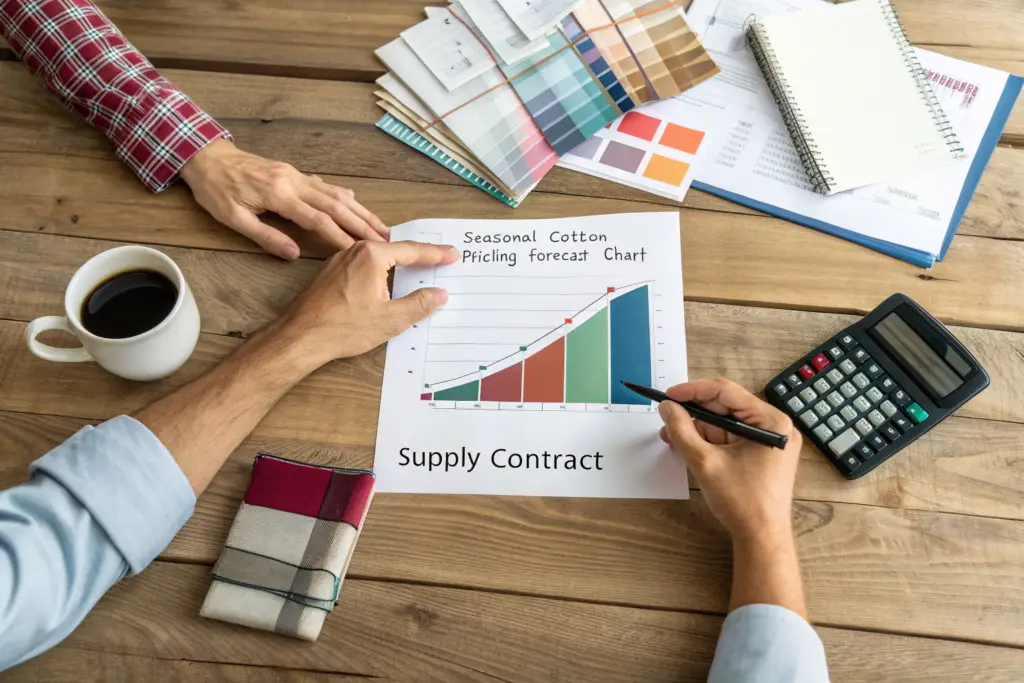
Spot buying is buying panic. You look at what is on the shelf, and you pay the price of the day. For a $5 t-shirt, maybe you can absorb that. For a $12 pair of classic shorts, that day-to-day price movement kills your margin. Forward contracting is the antidote. This is a commitment between you, me as your manufacturer, and the mill to buy a specific quantity of yarn or greige fabric at a fixed price for delivery months down the line.
This requires a forecast. I know that is a dirty word for many brands, but even a rough one works. When you commit to a six-month rolling forecast with your factory, we can book the yarn contract when cotton prices dip slightly, which they always do cyclically. We collaborated with a Chicago-based workwear brand that committed to a 20,000-yard fabric booking for their core khaki short. We locked in the cotton price in November for a May delivery. By the time March arrived and spot prices had jumped, they were already protected. This strategy hinges on trust and a solid supply chain partnership. You must be willing to put down a deposit, but that deposit is your insurance premium against a runaway market. It protects the factory too, which means we can guarantee your FOB price.
How Can a Core Fabric Program Simplify Inventory and Cut Costs?
One of the biggest inefficiencies I see is brand owners acting like kids in a candy store with fabric swatches. They want a unique, proprietary hand feel for every single SKU. This is a luxury you cannot afford when cotton prices are surging. A core fabric program consolidates your buying power.
Instead of offering shorts in five different cotton weights and weaves, you pick one or two. For classic shorts, a 260 GSM fine twill and a lighter 180 GSM poplin can cover your entire range. By channeling all your volume through a limited number of fabrics, you significantly increase the running meters at the mill. This volume consolidation gives us, the factory, the leverage to negotiate a better raw cost from the fabric supplier. We recently consolidated three different canvas specs into one premium cotton elastane blend for a Miami lifestyle brand. The consolidated volume was triple what each individual spec was. The mill cut the price, and the reduced complexity in our inventory meant we could shorten the lead time. A core program transforms your supply chain from a boutique custom shop into an efficient manufacturing pipeline. This stability is extremely appealing to a factory, making us prioritize your production even when labor is tight.
Can Price Increases Become a Marketing Advantage?
When the raw material goes up, do not hide it. Advertise it. This sounds counterintuitive because most brands treat a price increase like a dirty secret. They shrink the pocket bag, remove the button loops, and hope nobody notices. But the consumer always notices. The smarter move is to spin the commodity crisis into a story of integrity. Your customers are not stupid. They have heard about inflation. They know cotton prices are surging. When you are honest with them, you stop being a faceless brand and start being a trusted partner.
Communicating a cotton-driven price increase transparently can actually enhance brand loyalty by framing the move as a commitment to quality over cheap shortcuts, using detailed cost education on your product pages to justify the new retail price, and highlighting the investment value of durable natural fiber garments over disposable synthetic blends that dominate a deflationary market.
How Does Transparency About Material Cost Build Buyer Trust?
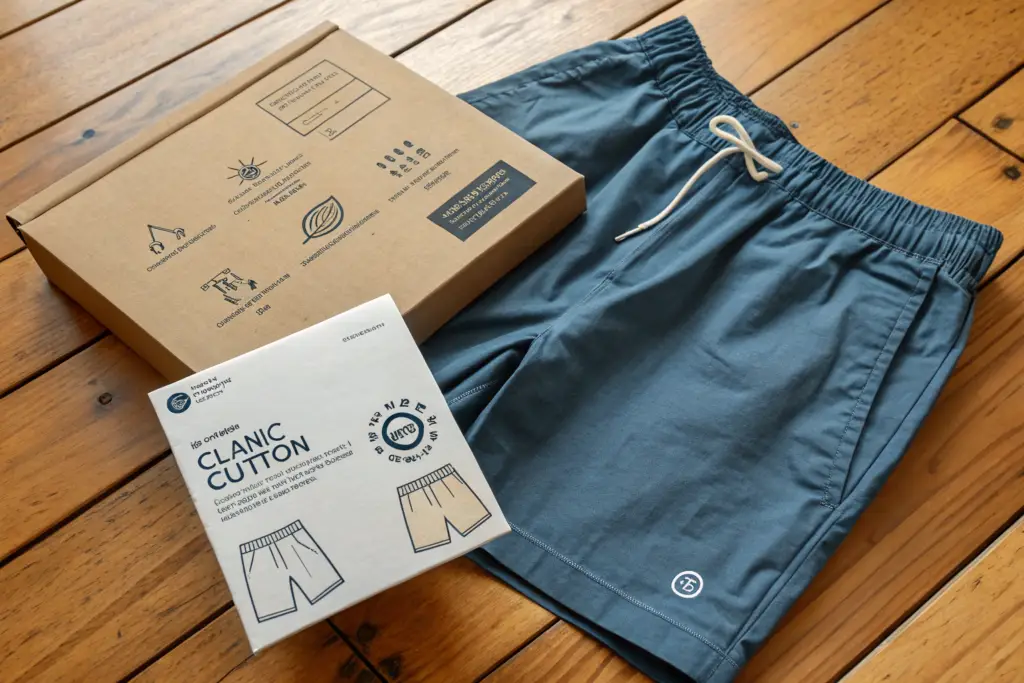
A price increase without an explanation is an insult. A price increase with a story is a value proposition. This is especially true in wholesale, where your retail buyers need ammunition to sell the product to the final consumer. If you hand them a short that costs $2 more wholesale, they need to know what to tell their customers.
We encourage our brand partners to use the cost breakdown as marketing content. Publish the truth. "Cotton prices rose 15% this year. We refused to switch to a cheap poly-blend or cut corners on the seam. We adjusted our price by 8% to maintain the exact same garment integrity." This kind of radical transparency is a massive trust builder. In a recent campaign for our Shanghai Fumao direct wholesale line sheet, we explained exactly why the price had shifted. The response was remarkable. One buyer told me, "I appreciate you telling me why, because now I can explain this to my husband who handles the books." This transparency also acts as a differentiator against fast fashion, where prices rarely rise because quality is constantly being silently drained. You position your classic short not as an expense, but as an honest consumer education choice in a market full of compromises.
Why Are "Quality Investment" Narratives Effective During Inflation?
When prices rise everywhere, consumers go into a protective mode. They stop buying ten cheap things and start buying one good thing. This is the counter-intuitive superpower of the premium classic short market during inflationary periods. Your marketing must shift from "cheap and cheerful" to "buy it for life" or at least "buy it for several seasons."
A well-made cotton short is a durable good. The narrative shifts to cost-per-wear. If a cheap $25 pair of shorts falls apart after one summer, the cost per wear is far higher than your $65 pair that lasts five summers. During periods of rising cotton prices, we help our clients produce content that visually demonstrates this durability of cotton. We provide high-resolution images showing the double-needle stitching and reinforced crotch seams. The marketing angle becomes: "In a time of rising costs, the only logical purchase is one that lasts." Furthermore, this narrative emphasizes natural fibers over plastic. As synthetic shorts look increasingly cheap in comparison, the very fact that your garment's price is tied to a natural, volatile commodity becomes a mark of authenticity. It signals a real material, not a petrochemical derivative.
Conclusion
The impact of rising cotton prices on the classic shorts market is a complex equation that goes far beyond simply paying more for the same product. It is a stress test that reveals a brand's true operational intelligence. We have explored how prices are shaped by distant climate patterns and government subsidies long before fabric reaches our cutting room, and how smart brands respond not by panicking, but by sitting down with their manufacturers to creatively re-engineer the internal architecture of the garment. This is where marker efficiency and invisible component swaps protect consumer-facing quality.
The long-term winners, however, build systemic shields. They shift from panicked spot buying to committed forward contracting, and they consolidate their supply chain into a core fabric program that gives them volume leverage. Most critically, they know how to turn a supply chain storm into a marketing tailwind, using radical transparency and an investment-quality narrative to justify the price to a consumer who is themselves looking for value in an inflationary world.
If you are evaluating your classic shorts program and feel the market moving beneath your feet, you do not need to weather the storm alone. We have navigated cotton cycles from $0.50 to $2.20 and back again. At Shanghai Fumao, we bring this experience to every partnership. For a direct conversation about protecting your margins and locking in pricing for your next collection, reach out to our Business Director, Elaine, at elaine@fumaoclothing.com. Let's build a supply chain that can handle anything the commodity markets throw at us.