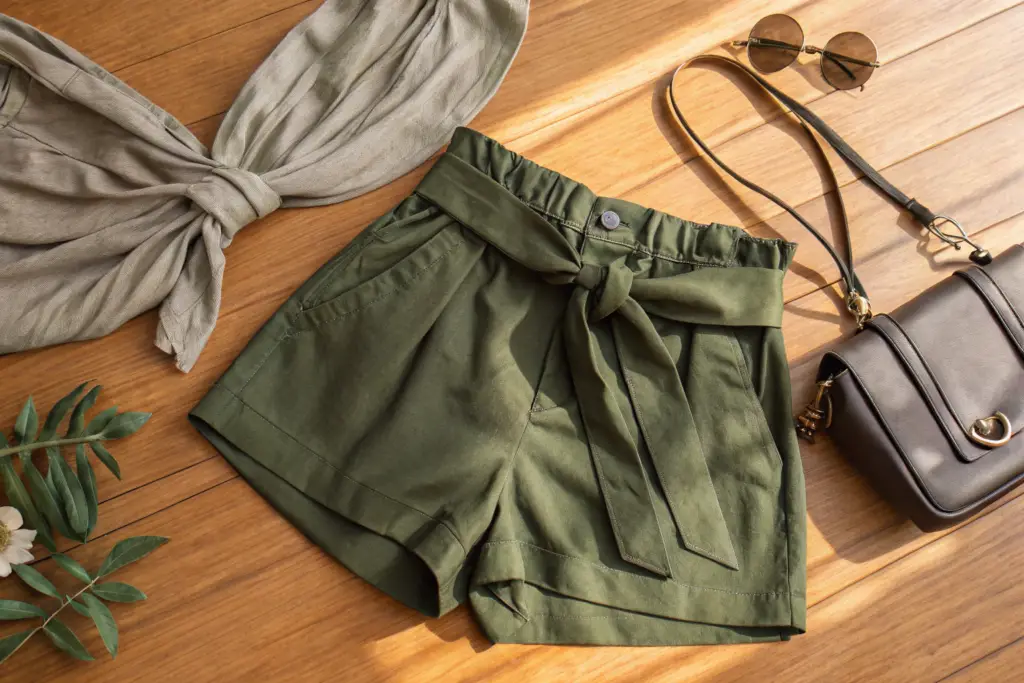
A boutique owner from Chicago shared a frustration with me last summer. She had stocked her store with trendy low-rise shorts for the warm season. The straight-size racks sold out fast. The plus-size racks sat untouched. Women would pick up a pair, stretch the waistband, and hang them back. She asked me what she was missing. I told her she was selling a silhouette that fought against the body, not one that worked with it. The low-rise cut required a flat stomach. It dug in. It exposed. It failed. Her plus-size customers wanted structure, comfort, and a defined waist. They wanted a pair of shorts that celebrated their shape, not punished it.
Classic paperbag shorts address the three core demands of the plus-size market—tummy control, adjustable fit, and leg room—making them a strategically superior silhouette for brands aiming to win loyalty in the underserved curvy segment.
The women's plus-size apparel market in the US alone is worth over $24 billion. Yet the short category remains a desert of unflattering, poorly engineered options. This is a massive opportunity gap. The paperbag short solves mechanical fit problems that standard zip-fly shorts simply cannot fix. At Shanghai Fumao, we have engineered this exact silhouette for several US brands targeting size 14 to 24. The data shows clear winners and clear losers in the pattern room. Let me walk you through why this specific cut converts browsers into buyers.
Why Do Paperbag Waistbands Solve the Fit Problems of Plus-Size Shorts?
Standard shorts hurt. The rigid waistband with a zipper and a single button offers zero tolerance. A woman's waist measurement can fluctuate by an inch or more throughout the day due to bloating, sitting, or a meal. A rigid waistband punishes that fluctuation. A paperbag waistband absorbs it. The gathered fabric and self-tie belt create a dynamic circumference. The wearer controls the tightness, not the factory spec. This is not just a style choice. It is a mechanical upgrade in comfort.
Paperbag waistbands solve the number one plus-size pain point by replacing a fixed, rigid closure with an adjustable, gathered system that accommodates natural body fluctuation and eliminates the "waistband dig."
I worked with a brand last year that was launching an inclusive active-casual line. We tested two prototypes: a standard flat-front chino short and a paperbag short with an elastic back panel. The paperbag short had a 62% preference rate among sizes 16-24. The chino had a 22% preference. The remaining percentage went to a drawstring style. The feedback was nearly universal: "It doesn't cut me in half when I sit down." The gathered waist acts as a mechanical buffer zone.
How Do Deep Pleats Create Room Without Adding Bulk?
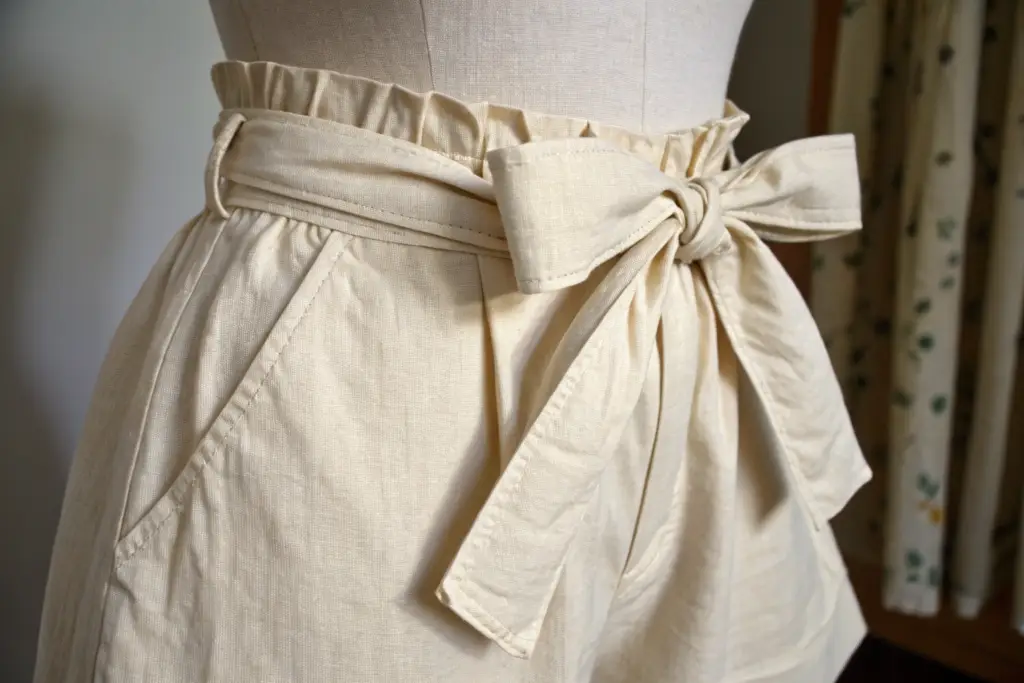
This is the engineering secret. A flat-front short creates a straight line across the fullest part of the belly. Any pressure pushes the fabric outward, creating a strained, "stuffed" look. Deep pleats under the paperbag waist work differently. They are pre-engineered folds of excess fabric. When the body moves or sits, the pleats open. They release fabric exactly where it is needed. When standing, the pleats fall back into place, creating a smooth, vertical line that elongates the leg. You need a factory that knows how to press these pleats with precise heat-setting machines so they hold shape through washing. The technical garment construction principles are well-documented by organizations like The Association of Sewing and Design Professionals, which emphasizes the structural importance of pleat depth for mobility.
What Role Does the Self-Tie Belt Play in Waist Definition?
The self-tie belt is the psychological killer app. One of the deepest insecurities in ill-fitting plus-size clothing is the "tent effect"—where fabric hangs straight from the bust, hiding any sign of a waist. A self-tie belt lets the wearer cinch the waist at her natural narrowest point, which is often just below the ribcage. This creates an hourglass illusion without any tight compression. The belt is also made from the same fabric as the short, which eliminates the scratchy, contrasting elastic often found in cheaper designs. I always advise brands to ensure the belt is at least 4 cm wide. A narrow belt rolls and looks cheap. A wide belt anchors the look. You can learn more about how strategic belting affects plus-size fashion psychology from research published by The Fashion Studies Journal. The belt empowers the wearer to customize her silhouette every time she puts the shorts on.
How Can Brands Use Paperbag Shorts to Reduce Return Rates in Curvy Collections?
Returns kill e-commerce margins. For plus-size apparel, the return rate can exceed 40% in some categories. The primary reason is inconsistent fit. A size 18 in one brand is a size 14 in another. Even within the same brand, a rigid short might fit while a rigid trouser does not. The paperbag short disrupts this pattern. Its forgiving geometry makes it more tolerant of sizing variances. This means fewer returns, fewer restocking fees, and a stronger lifetime value per customer.
Paperbag shorts structurally reduce return rates by using an adjustable waist and relaxed hip shape that absorbs size grading errors and fits a broader spectrum of body shapes within a single size bracket.
A data analyst from a large online plus-size retailer shared an internal finding with me at a trade show. Their paperbag-waist bottoms had a 19% return rate compared to a 34% return rate for rigid-waist bottoms across the same size band. The adjustable waist was the single variable. I have seen this play out in our own production runs at Shanghai Fumao. When we shifted a client from a standard zip-fly to a pull-on paperbag with an elastic back, their repeat purchase rate for shorts jumped.
Why Is the Pull-On Construction More Forgiving Than a Zip Fly?
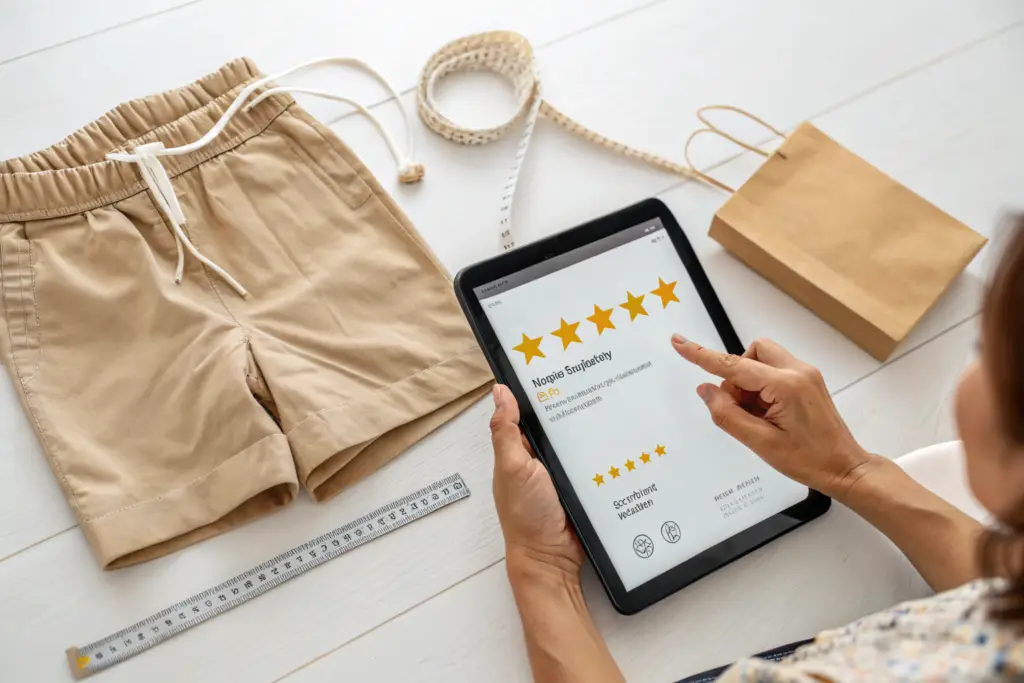
Zip flies demand precision. The zipper must lay flat. The hook and bar must align perfectly. If the wearer's tummy shape does not match the curve of the zipper, the fly gapes open. It is a structural failure point. A pull-on paperbag short has no fly. It relies on a wide, soft elastic band encased inside the gathered fabric channel. The elastic distributes pressure across the entire back waist. It moves with the body instead of anchoring in one rigid spot. This is a universally flattering engineering choice. The raw materials for this—the elastic width and stretch ratio—are critical. We test elastic recovery to 95% minimum to prevent the "waistband sag" that plagued early iterations of this style. For more on elastic recovery standards, ASTM International provides the test methods we use in our quality lab.
How Does the Relaxed Leg Opening Accommodate Different Thigh Shapes?
A common pain point for plus-size women is the "sausage casing" effect on shorts with narrow leg openings. The hem cuts into the thigh when seated, leaving red marks and discomfort. The paperbag short silhouette naturally pairs with a wider, relaxed leg opening. This is not just a styling preference; it is a functional necessity. The wide opening allows airflow and prevents friction. We grade the thigh circumference more generously in our plus-size paperbag blocks than in our missy blocks. This grading rule is often missing in factories that simply scale up a size 6 pattern to a size 20 without adjusting for different body proportions. The Alvanon fit mannequin data sets provide excellent insights into how thigh girth increases proportionally to waist size in plus-size populations. A wider leg opening is not a style choice; it is an anatomical requirement.
What Fabric Choices Maximize Comfort and Drape in Paperbag Shorts?
Fabric is not just color and pattern. It is the skeleton of the short. Choose the wrong fabric, and even a perfect paperbag pattern will fail. A fabric that is too stiff will make the gathered waist look bulky and barrel-like. A fabric that is too limp will hang lifelessly and wrinkle into a mess. The plus-size customer needs fabric that skims, not clings. It must hold the pleat structure without adding visual pounds.
The ideal fabric for plus-size paperbag shorts combines moderate structure for the waist pleats with enough fluidity to prevent the relaxed leg from appearing oversized, with Tencel blends and mid-weight linen leading as top performers.
I recall a specific development project with a client who insisted on using a rigid 10oz non-stretch denim for a plus-size paperbag short. I advised against it. The gathered waist on that heavy fabric created a thick, bulky ring around the midsection. The sample looked terrible on the fit model. We switched to a 7oz Tencel-cotton blend with a soft peach finish. The drape completely transformed. The waistband gathered softly. The leg flowed. The client later told me it became their best-selling plus-size bottom.
Why Are Tencel and Modal Blends Superior for the Draped Look?
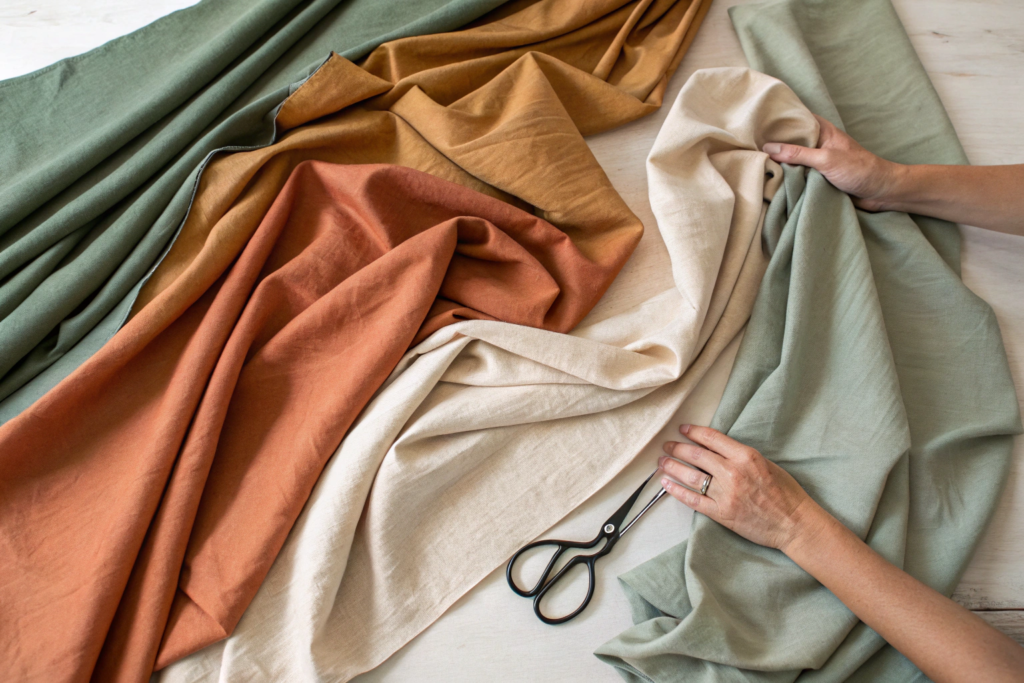
The answer is in the fiber's bending rigidity. Cotton fibers have a natural stiffness. Tencel (Lyocell) fibers are extremely fine and have a low bending rigidity. This means they bend under their own weight, creating a fluid drape. When blended with cotton, Tencel gives you the breathability of a natural fiber with the liquid-like movement of a synthetic. This is perfect for the paperbag silhouette. The gathers pool elegantly rather than sticking out stiffly. The fabric also has a natural coolness against the skin, which is a major comfort factor in warm weather. You can find detailed technical data on this from the Lenzing Group, the primary producer of Tencel fibers. Their sustainability certifications also add a strong marketing angle for eco-conscious plus-size brands.
How Does Pre-Washing Prevent Shrinkage Disasters in Relaxed Fits?
A relaxed-fit short relies on its ease allowance. If the fabric shrinks 3% after the customer washes it, that relaxed fit becomes a snug fit. The pleats pull. The waistband tightens. The garment is ruined. For paperbag shorts, we strongly recommend garment washing or at minimum a fabric relaxation process before cutting. At Shanghai Fumao, we use a tumble-wash process on all our Tencel and linen blends to take the shrinkage out of the fabric before the scissors touch it. This ensures the size 20 your customer buys remains a size 20 after ten laundry cycles. For educational resources on proper fabric pre-shrinking methods, the Cotton Incorporated website provides excellent technical guides for manufacturers. Never skip the pre-shrink process on relaxed silhouettes. It is a false economy that leads to returns.
How to Market Paperbag Shorts to Build a Loyal Plus-Size Customer Base?
You have engineered a great pair of shorts. Now you have to sell them without making your customer feel like an afterthought. The worst marketing mistake I see brands make is using straight-size e-commerce photography on a plus-size garment. Hanging the short on a size 2 mannequin or a flat lay tells the customer nothing. She needs to see the drape on a size 18 body. She needs to see how the waistband sits when a real woman bends her knee or crosses her legs. Show the function, not just the fantasy.
Effective marketing for plus-size paperbag shorts must prioritize fit transparency, celebrate body diversity in imagery, and directly address the specific pain points of tummy comfort and thigh friction that standard shorts ignore.
A client of ours, a DTC brand based in Austin, doubled their conversion rate on paperbag shorts simply by adding a 15-second video loop of the shorts on a size 20 model sitting down and standing up. The video showed the waistband not rolling. It showed the pleats not gaping. It answered the unspoken anxiety every plus-size woman has when buying shorts online: "Will these hurt me after an hour?" Address the pain point directly, and you earn immediate trust.
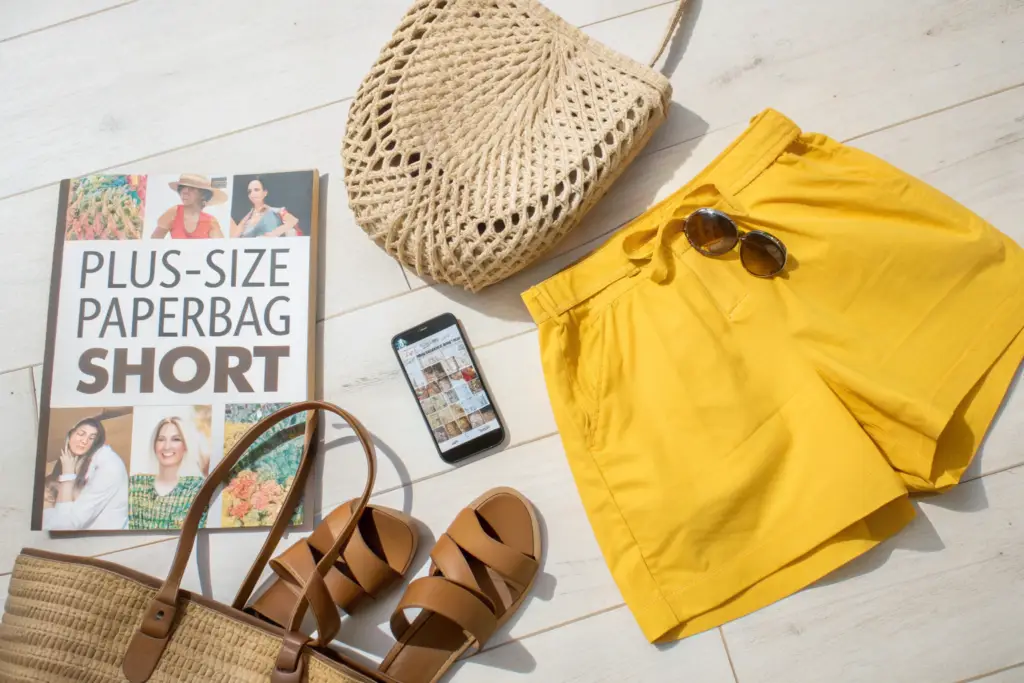
What Keywords and Descriptions Drive Search Traffic for This Niche?
Your customer is searching for solutions, not just products. She types "shorts that don't ride up thick thighs" or "tummy control shorts that look stylish." Your product title and description must contain these pain-point keywords. A title like "High-Waisted Paperbag Shorts" is weak. "Comfort Fit Paperbag Shorts with Adjustable Waist for Curvy Women" is better. It hits the search intent. Use bullet points to call out the functional benefits: "Deep pleats prevent gaping," "Wide self-tie belt defines your waist," "Relaxed leg opening eliminates chafing." This is not just marketing copy. It is reassuring a customer that you understand her body. For keyword research, tools like Google Trends can show you exactly how plus-size women describe their fit frustrations in search queries. Build your product page language around those exact phrases.
Why Is Inclusive Sizing Photography a Non-Negotiable?
If you use a straight-size model, your plus-size customer will assume the short will not fit her. She has been conditioned by years of disappointment. Show the short on a range of body shapes, specifically highlighting the size 16-22 range where the fit engineering truly shines. Show a close-up detail of the elastic back. Show a video of the adjustable drawstring or belt being cinched. This visual proof removes the risk from the purchase decision. I always tell my brand partners to shoot one "fit video" per product on a mid-size and a plus-size fit model. The brands that do this see a measurable drop in return requests. The National Retail Federation has published case studies showing how improved product imagery correlates directly with lower return rates in online apparel. Invest in photography that reflects your actual customer.
Conclusion
The plus-size market is not asking for more choices. It is asking for better engineering. The paperbag short succeeds where other shorts fail not because it is a trend, but because it is a mechanical solution. It solves the tummy control problem with an adjustable waist. It solves the thigh comfort problem with a relaxed leg and deep pleats. It solves the return-rate problem with forgiving, pull-on construction. These are not opinions. They are measurable outcomes we have tracked across production runs at Shanghai Fumao.
Brands that crack this code do not just sell shorts. They sell dignity and comfort. A woman who feels confident in your clothes will buy every color. She will tell her friends. She will stop being a one-time buyer and become a brand evangelist. The plus-size paperbag short is one of the highest-loyalty products you can add to your line.
If you are ready to develop a paperbag short collection that actually fits and flatters sizes 14 through 24, I invite you to use our expertise. At Shanghai Fumao, we have refined the pattern blocks, the elastic tension, and the pleat geometry through dozens of iterations for the US market. We can help you skip the failed samples and go straight to a best-seller. Reach out to our Business Director, Elaine, directly at elaine@fumaoclothing.com with your target price point and size range. Let's build something that your customers will love to wear.