You have been burned before. The samples were beautiful. The bulk order was a disaster. The fabric was lighter. The stitching was looser. The delivery was three weeks late. The factory stopped responding to your emails after the final payment. You realized that a good sample does not make a good manufacturer. A low price does not make a good partner. You are now searching for a premium manufacturer. Not the cheapest. Not the flashiest. The one that will deliver consistent quality, communicate transparently, and treat your brand as a long-term partner, not a one-time transaction. You need to know what to look for. The real signals. The characteristics that separate a premium factory from a commodity supplier.
A premium classic shorts manufacturer is defined by six core characteristics: transparent and documented quality management systems, consistent fabric sourcing from certified mills with full traceability, skilled and stable workforce with low turnover and specialized training, proactive and structured communication throughout the production process, ethical and social compliance verified by independent third-party audits, and financial stability and business longevity demonstrated by years of operation and a solid client retention rate. These characteristics are not visible in a product photo or a price quote. They are verified through documentation, factory visits, video walkthroughs, and reference checks. A premium manufacturer does not just make shorts. It builds systems that make consistent, high-quality shorts reliably over years.
At Shanghai Fumao, I have built our factory to embody these characteristics. I did not start here. I started with a small workshop and a commitment to quality. Over years, I invested in systems, people, certifications, and client relationships. I learned what premium buyers demand and I built the factory to deliver it. This article shares the six characteristics of a premium manufacturer. It gives you a framework to evaluate any factory, whether it is mine or a competitor's. After reading it, you will know what questions to ask, what documents to request, and what to look for on a factory visit.
Why Is a Documented Quality Management System Non-Negotiable?
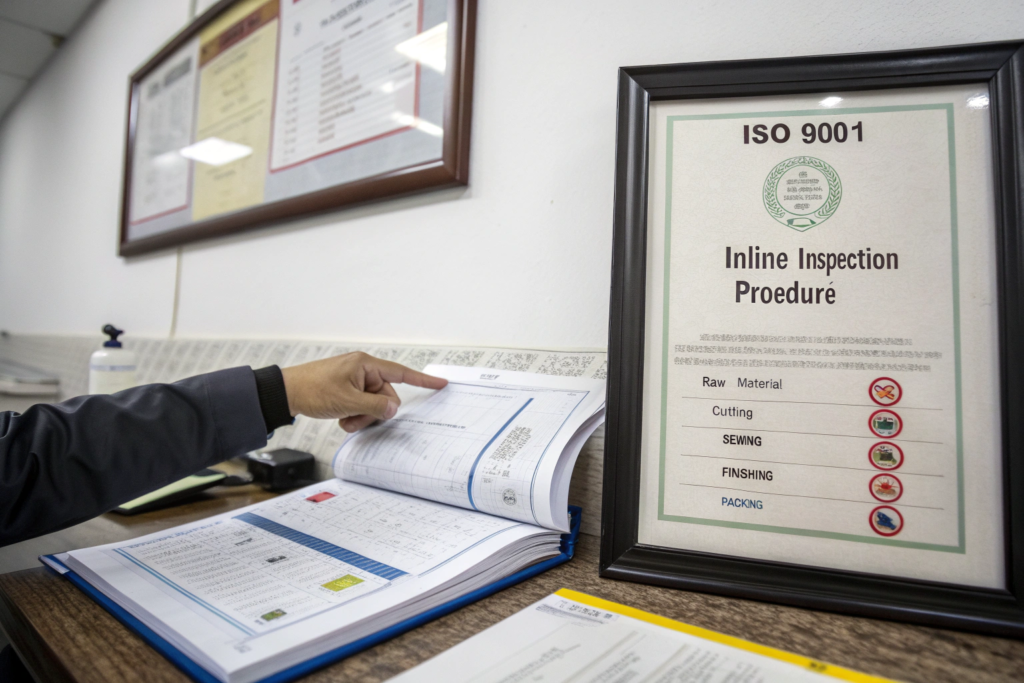
A premium factory does not rely on a single final inspector to catch defects. It has a documented quality management system that controls quality at every stage. Raw material receiving. Fabric inspection. Cutting accuracy. Inline sewing checks. Finishing inspection. Final random sampling. The system is written down. It is audited. It is followed by every worker. This system is what ensures the 500th pair of shorts is as good as the first pair. Without a system, quality is random. With a system, quality is predictable.
I implemented our ISO 9001 quality management system years ago. It was a significant investment of time and money. It required documenting every process, training every worker, and submitting to annual third-party audits. The return on that investment has been immense. Our defect rate is consistently below 1%. Our clients trust that their order will meet the specification. They do not worry about quality. The ISO 9001 quality management standard is the international benchmark. A premium manufacturer holds a current, valid ISO 9001 certificate from a recognized body like SGS, Bureau Veritas, or TÜV. A manufacturer that does not have this is operating on hope, not on a system.
The quality management system is visible in the factory's documentation and in their willingness to share it. A premium manufacturer is proud of their system. They will show you the QC manual. They will share sample inspection reports. They will explain their defect handling process. Let's examine the key documents.
What Documents Prove a Factory's Quality Control Is Systematic, Not Accidental?
Ask for the factory's quality control manual. This document describes the QC procedures at each production stage. It defines the defect classifications, critical, major, minor, and the acceptable quality limits for each. Ask for a sample inline inspection report and a sample final inspection report. These reports should show actual data, measurements, defect counts, and pass-fail decisions from real orders.
Ask for the factory's non-conformance and corrective action procedure. What happens when a defect is found? How is the root cause identified? How is the problem prevented from recurring? A factory that has a documented corrective action process is a factory that learns and improves. A factory that just fixes the defect and moves on is a factory that will make the same mistake again. The garment quality control documentation guide lists the essential documents. A premium manufacturer provides these documents willingly. A commodity supplier makes excuses.
How Does a Premium Manufacturer Handle a Quality Failure When It Occurs?
No factory is perfect. Quality failures happen. The difference between a premium manufacturer and a commodity supplier is how they handle the failure. A premium manufacturer discovers the failure through their own QC system, not through the buyer's complaint. They notify the buyer immediately, before the goods are shipped. They present a clear explanation of the problem, the root cause, and the corrective action. They propose a solution. Rework at their cost. Remake at their cost. Discount to the buyer. They take ownership of the failure.
A commodity supplier hides the failure. They ship the defective goods and hope the buyer does not notice. When the buyer complains, they deflect, delay, and deny. The supplier quality failure management guide explains the difference. A buyer should ask a potential manufacturer, "Tell me about a time when a quality problem occurred on a production order. How did you handle it?" The answer reveals everything about the factory's character.
What Does Consistent, Traceable Fabric Sourcing Look Like?
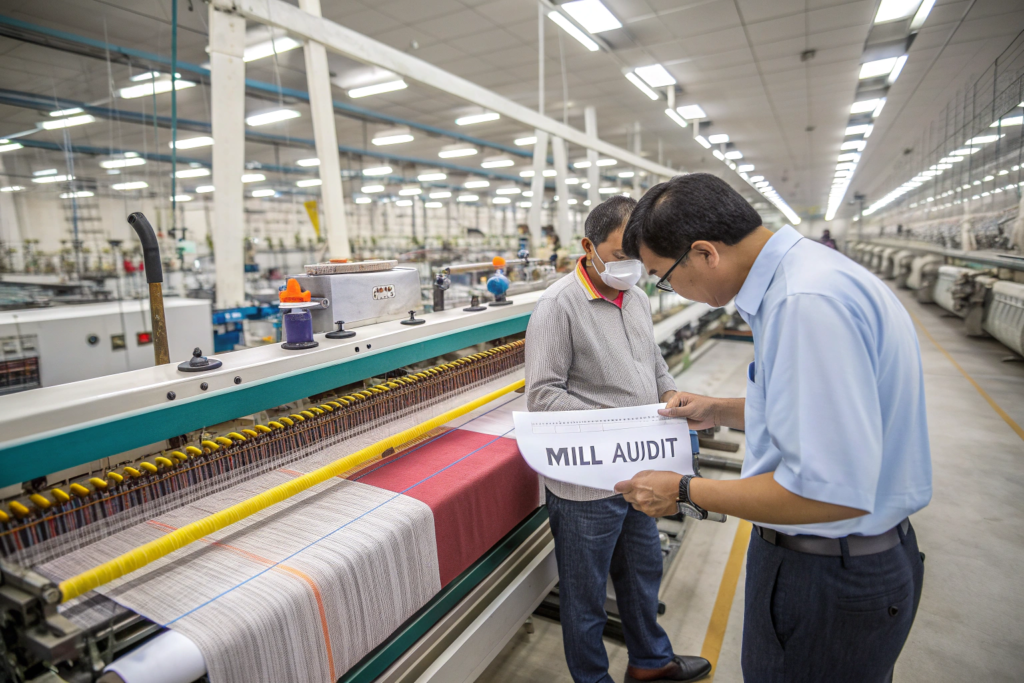
A short is only as good as the fabric it is cut from. A premium manufacturer does not buy fabric from unknown traders on the open market. It sources from named, audited mills with documented quality records. It has long-term relationships with these mills. It receives consistent quality, roll after roll, order after order. It can trace every fabric roll back to the mill, the dye lot, and even the cotton bale. This traceability is the foundation of consistent product quality.
I have visited every major fabric mill that supplies Shanghai Fumao. I know the mill owners. I know their weaving floors, their dye houses, their QC labs. When I order 5,000 meters of 280 GSM cotton twill, I know exactly where it is coming from and what quality to expect. I do not price-shop every order. The mill knows my quality standards and delivers to them consistently. The fabric mill relationship management guide explains the value of long-term mill partnerships. A premium manufacturer can name their mills and provide mill audit reports.
The incoming fabric inspection is the second layer of control. The fabric is checked before it reaches the cutting table. A premium manufacturer has a formal inspection process with documented results.
How Can You Verify a Factory's Fabric Sources and Incoming Inspection Process?
Ask the factory to name their top three fabric mills. Ask for the mill audit reports. A premium manufacturer audits their mills for quality systems, ethical compliance, and environmental management. They have the audit reports on file. Ask for a sample incoming fabric inspection report. The report should show the roll number, the fabric type, the weight test result, the color test result under a lightbox, the shrinkage test result, and the defect points per the 4-point system. A roll that passes is approved for inventory. A roll that fails is quarantined and returned.
Ask to see the fabric inspection station during a video walkthrough. A premium factory has a dedicated inspection area with a light table and a fabric inspection machine. A commodity supplier may not have this area, or the area may look unused. The fabric inspection 4-point system is the industry standard. A premium manufacturer uses it on every roll.
Why Does Mill Traceability Matter for Your Brand's Quality Story?
Traceability is not just a quality control tool. It is a marketing asset. A brand can tell the story of where the fabric came from. "Our cotton twill is woven by a family-owned mill in Jiangsu that has been producing textiles for three generations." This story adds value. It differentiates the product from anonymous, untraceable garments. It appeals to the growing consumer demand for transparency.
A premium manufacturer provides the traceability information that enables this storytelling. They connect the brand to the source. The supply chain transparency in fashion article explains the marketing value of traceability. A premium factory is not a black box. It is a transparent link in a visible supply chain.
What Defines a Skilled, Stable Workforce in Premium Manufacturing?
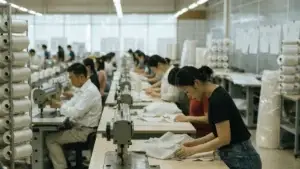
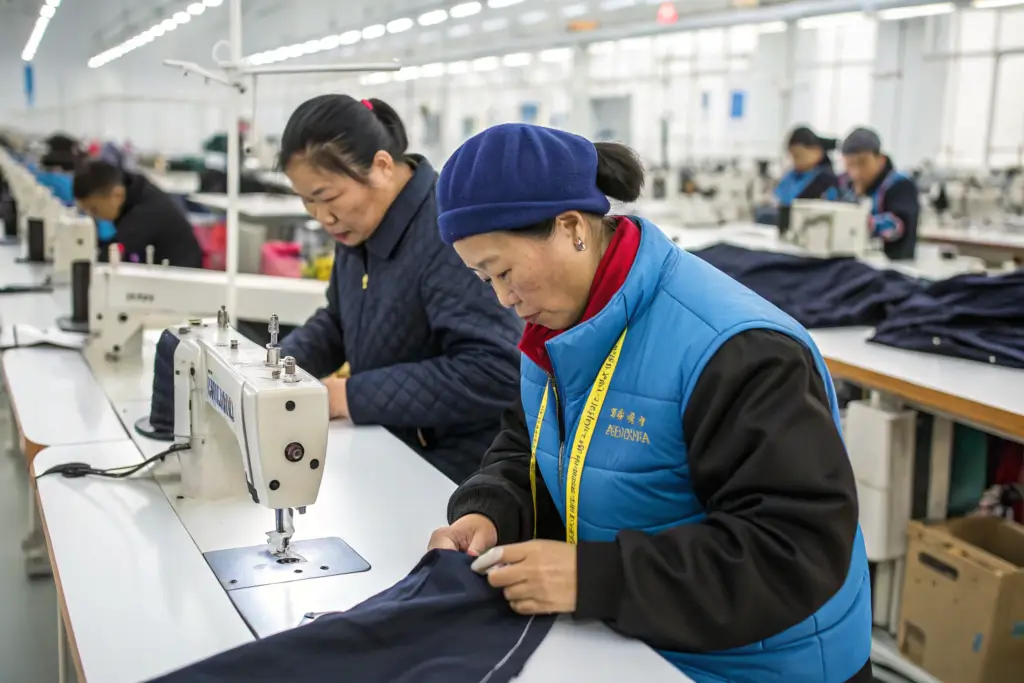
The best machines and the best fabric mean nothing without skilled hands to assemble them. A premium manufacturer has a skilled, stable workforce. The operators have years of experience. They know how to handle difficult fabrics like linen. They know how to sew a clean French seam. They know how to set a zipper fly that lies perfectly flat. Their skill is visible in the finished garment. A short sewn by an experienced operator looks different from a short sewn by a novice. The stitch is even. The tension is perfect. The construction is clean.
I invest heavily in our workforce. We pay above-average wages. We provide training. We maintain a safe, clean, well-lit working environment. The result is a stable team. Our average operator tenure is over five years. Some have been with me for over a decade. This stability means the skill stays in the factory. It is not lost to turnover. The skilled workforce in garment manufacturing is a competitive advantage that commodity factories chasing the lowest labor cost cannot replicate.
A premium manufacturer's workforce is protected by social compliance certifications. These are not just paper. They represent real working conditions that enable a stable, motivated workforce.
How Do BSCI and WRAP Audits Reflect Workforce Stability and Skill?
A BSCI or WRAP audit assesses working conditions. Fair wages. Reasonable hours. Safe working environment. No forced or child labor. A factory that passes these audits is a factory that treats its workers with dignity. Workers who are treated with dignity stay. They develop skills. They care about the quality of their work. A factory with high turnover, low wages, and poor conditions cannot maintain a skilled workforce. The quality of the product suffers.
Ask for the factory's most recent BSCI or WRAP audit report. Look at the score. Look at the worker interviews section. A premium manufacturer has a good score and a stable workforce. The BSCI social compliance audit and the WRAP certification program are the recognized standards. A premium manufacturer has one or both.
What Questions Should You Ask About Operator Training and Specialization?
Ask how operators are trained. Is there a formal training program for new hires? How long is the training period? Ask about specialization. Do operators rotate between different operations, or are they specialized in specific tasks? Specialization leads to higher quality. An operator who sets zipper flies all day, every day, becomes an expert. Their speed and quality are unmatched.
Ask about the supervisor-to-operator ratio. A premium line has one supervisor for every 15 to 20 operators. The supervisor provides real-time quality checks and coaching. A line with one supervisor for 40 operators cannot maintain quality. The garment worker training and specialization guide explains the link between specialization and quality. A premium manufacturer invests in specialization.
What Communication Practices Distinguish a True Partner from a Vendor?
Communication is the difference between a vendor and a partner. A vendor takes your order and disappears until the ship date. A partner provides proactive, structured updates throughout the production process. You never wonder what is happening. You never stare at your inbox waiting for a reply. The partner communicates problems early, with proposed solutions. The vendor hides problems until they become crises. The partner makes you feel like you are their only client. The vendor makes you feel like an interruption.
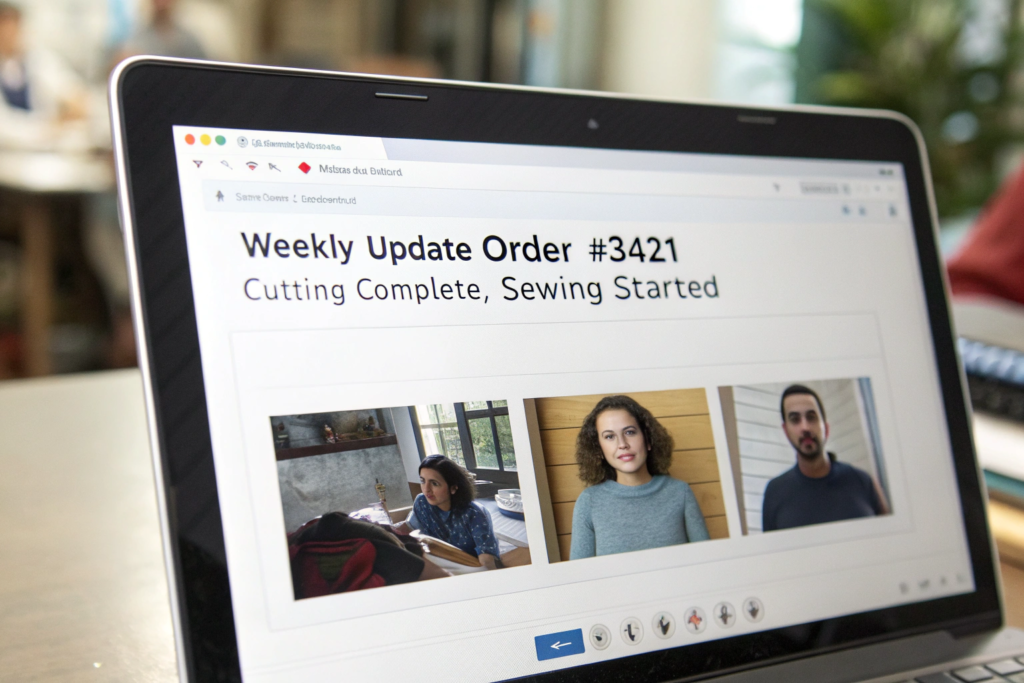
I assign a dedicated account manager to every client. Their only job is to communicate with that client. They send a weekly update every Friday. The update includes the production status against the milestone schedule, photos of the goods in progress, and a heads-up on any potential issues. The client replies with questions or approval. The communication loop is closed. There is no silence. There are no surprises. The supplier communication best practices guide outlines this proactive model. A premium manufacturer communicates like a partner.
The communication structure should be established at the start of the relationship. The buyer should not have to chase for information. The factory should push information to the buyer.
What Does a Proactive Weekly Update Look Like from a Premium Factory?
A proactive weekly update is structured and specific. It references the order number and the style. It states the current production stage. "Cutting: 100% complete. Sewing: 40% complete, on track to finish by Thursday. Finishing: scheduled to start Friday." It includes photos. A photo of the cut panels. A photo of the shorts on the sewing line. A photo of the finished garments if any are complete.
It flags any potential issues, even if they are not yet problems. "The button shipment is scheduled to arrive Wednesday. This is one day later than planned. We have buffer in the finishing schedule and do not anticipate a delay." This level of transparency builds trust. The buyer knows the factory is on top of the details. The weekly production update template provides a format. A premium factory sends this update without being asked.
How Does a Dedicated Account Manager Improve Problem Resolution?
A dedicated account manager is a single point of contact. The buyer does not email a generic info@ address and hope for a response. She emails her account manager, a real person she has spoken to on video calls, who knows her brand, her product, and her preferences. The account manager is accountable for the client's satisfaction. When a problem arises, the account manager owns it. They coordinate internally with production, QC, and logistics to resolve it. They report back to the buyer with a solution.
A generic salesperson passes the problem to someone else and disappears. A dedicated account manager stays with the problem until it is solved. The account management in garment manufacturing guide explains the value of this role. A premium manufacturer provides a named, dedicated account manager.
Conclusion
A premium classic shorts manufacturer is defined by systems, not just products. The quality management system, documented and audited, ensures every piece meets the specification. The fabric sourcing, from named, audited mills with full incoming inspection, ensures material consistency. The skilled, stable workforce, protected by ethical working conditions, ensures construction quality. The proactive, structured communication, delivered by a dedicated account manager, ensures transparency and trust. The social compliance certifications provide proof of ethical operation. The financial stability and business longevity provide confidence in a long-term partnership.
These characteristics are verifiable. A buyer can ask for the ISO certificate and check it online. Ask for the fabric mill audit reports. Ask for the BSCI report. Ask for a sample weekly update. Ask for a client reference. Ask for a video walkthrough of the production floor. A premium manufacturer welcomes all of these requests. A commodity supplier resists them. The verification process is the buyer's protection.
At Shanghai Fumao, I invite verification. Our ISO 9001 certificate is current. Our fabric mill relationships are documented. Our BSCI audit is available. Our client references are ready. Our weekly update process is standard. I built this factory to be a premium manufacturer for brands that demand quality and reliability. If you are searching for that kind of partner, contact our Business Director, Elaine, at elaine@fumaoclothing.com. She will provide our certification pack, a sample production schedule, and a client reference. Let us prove our characteristics to you.