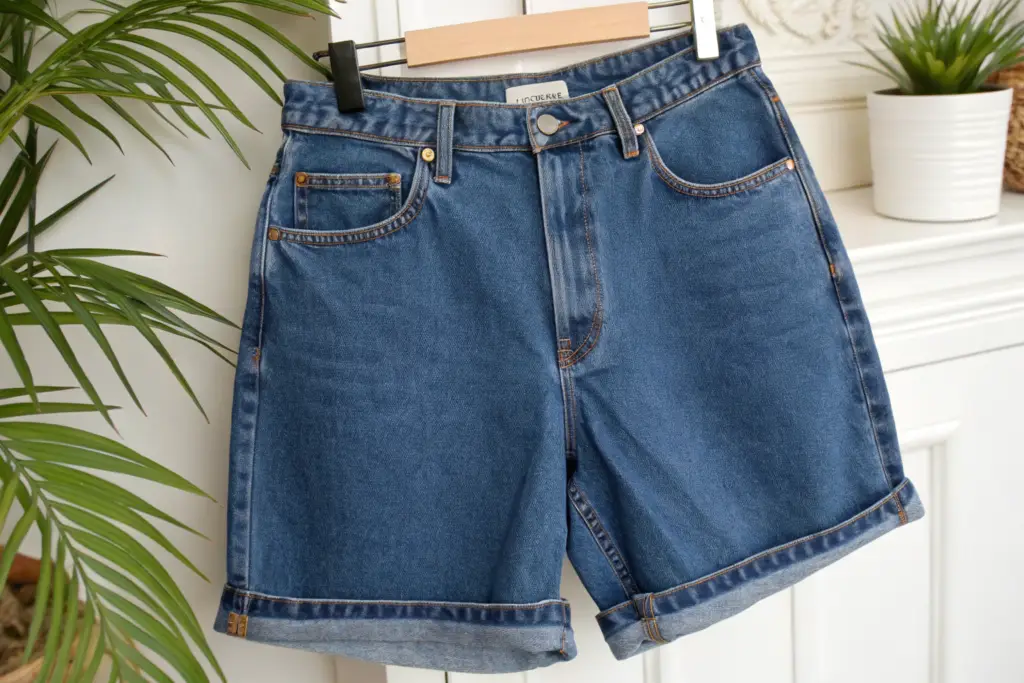
You sit with your summer line plan open. You have the chino shorts. You have the linen shorts. You have the athletic shorts. The core is covered. Now you consider the denim short. You hesitate. You have read trend reports that say denim shorts are oversaturated. You have seen fast-fashion brands pumping out distressed denim cutoffs at $15 retail. You wonder if your brand, at a higher price point, can compete. You wonder if the denim short is a safe inventory investment or a gamble. You remember that denim is heavy to ship. It has complex wash requirements. It can have sizing issues. But you also remember your own closet. You have a pair of denim shorts you have worn for five summers. You love them. They get better every year. You know your customer feels the same way. You need the data to make a confident decision.
Yes, classic denim shorts are a safe bet for your brand's summer collection when executed with a focus on timeless washes, quality denim weight, and a flattering fit. The denim short is the second most popular casual short silhouette in the American women's market, after the chino short, and a top-three style in the men's market. It has a multi-decade track record of consistent summer demand. The key to making it a safe bet is avoiding the pitfalls: overly trendy washes, cheap lightweight denim that bags out, and extreme silhouettes that alienate the core customer. A classic denim short in a medium-indigo wash, with a 10.5 to 12-ounce denim weight and a mid-to-high rise, is a reliable, high-margin addition to a summer collection.
At Shanghai Fumao, we manufacture classic denim shorts for brands across the U.S. market. Our production data shows consistent, stable demand year after year. Denim shorts do not spike like a trend item. They do not crash. They are a steady, reliable category. Brands that get the fit and the wash right reorder season after season. Brands that chase extreme washes or ultra-low rises get burned. This article breaks down the market data, the product specifications for a safe denim short, and the sourcing considerations that make the category profitable.
What Is the Current Market Demand for Classic Denim Shorts in America?
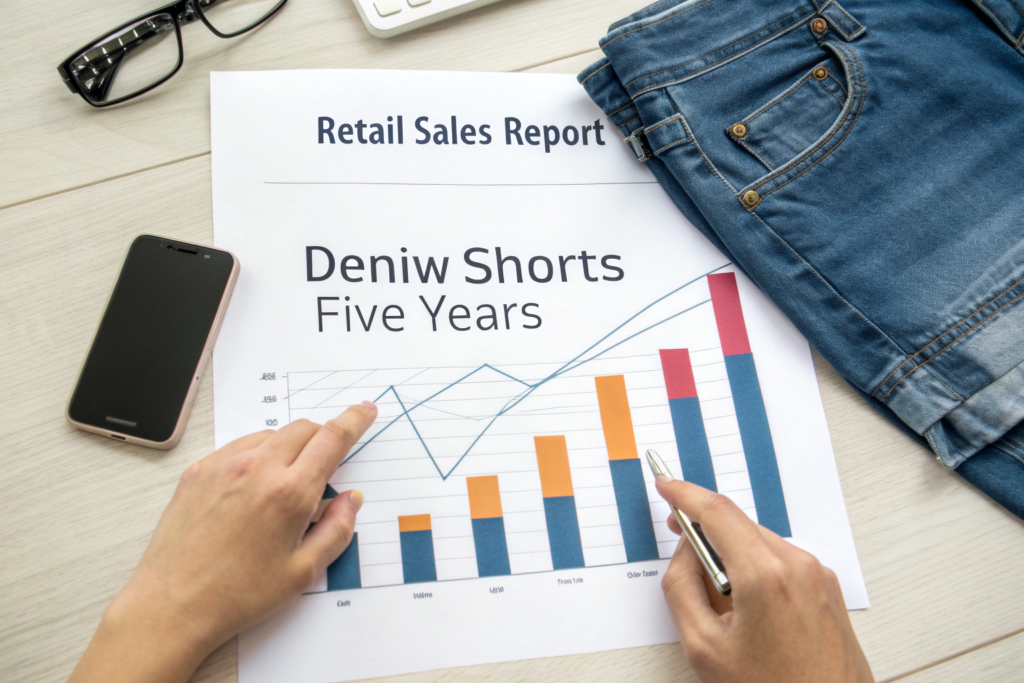
The market data is clear. Denim shorts are a mature, stable category in the American apparel market. They are not growing explosively. They are not declining. They are a perennial. Google Trends data for "denim shorts women" and "denim shorts men" shows a consistent seasonal spike every May through July, with stable peak heights over the past five years. The demand is predictable. It follows the weather. The Google Trends denim shorts search data confirms this seasonal pattern. Retail point-of-sale data from NPD shows denim shorts as a top-five women's bottoms category by unit volume during the summer months.
Our production data at Shanghai Fumao mirrors this stability. Denim shorts represent a consistent 12% to 15% of our total classic shorts production volume. The number does not fluctuate wildly. It is a reliable base of demand. Our brand partners who stock a classic denim short reorder it every season. They do not question whether to carry it. They question which wash and which fit to order. The category itself is not the variable. The execution is the variable. The U.S. denim shorts market size and trends data supports this. Denim shorts are a safe category. A specific denim short can be a hit or a miss based on the product decisions.
The demand is not uniform across all demographics. The denim short customer skews younger, but the classic styles have broad age appeal. Understanding the demographic and competitive landscape helps a brand position its denim short correctly.
Which Demographics Are Driving Denim Short Sales in 2026?
The core denim short customer is female, aged 18 to 35. She buys high-waisted denim cutoffs, classic cuffed shorts, and relaxed-fit boyfriend styles. She wears them with crop tops, oversized tees, and sandals. She is influenced by social media, but she gravitates toward authentic, vintage-inspired washes rather than extreme distressing. The secondary customer is female, aged 35 to 55. She buys mid-rise denim shorts with a longer inseam, 5 to 7 inches, in clean, dark washes. She wears them with blouses and casual jackets. She values comfort and quality over trend.
The men's denim short customer is male, aged 18 to 45. He buys classic straight-fit denim shorts in medium to dark washes. The skate and streetwear customer prefers a longer, baggier fit. The contemporary customer prefers a trimmer, tailored fit. The denim shorts consumer demographics data shows these segments. A brand must know which segment it serves and design the fit and wash accordingly. A classic denim short, defined as a medium-indigo wash, mid-to-high rise, and straight or slightly tapered leg, appeals to the broadest cross-section of these demographics.
How Does the Fast-Fashion Saturation Affect a Premium Brand's Opportunity?
Fast-fashion brands flood the market with cheap denim shorts at $15 to $25 retail. This creates a perception of saturation. But it also creates an opportunity for premium brands. The fast-fashion denim short is made from lightweight, 8 to 9-ounce denim. It has poor stretch recovery. It bags out at the knees after one wear. The wash is often a cheap, uniform indigo with no character. The customer who buys this short is dissatisfied. She is looking for something better.
A premium brand that offers a 10.5 to 12-ounce denim, with proper stretch recovery, a genuine enzyme wash with subtle fading, and a fit that is engineered to flatter, can command a $68 to $128 retail price. The customer who upgrades from fast fashion to premium denim is a loyal, high-lifetime-value customer. The premium denim versus fast fashion denim analysis shows the growing consumer willingness to pay more for quality denim. Fast fashion saturation is not a threat. It is a marketing department for the premium brand. It creates millions of dissatisfied denim short wearers who are ready to upgrade.
What Product Specifications Make a Denim Short "Classic" and Safe to Stock?
The category is safe. The specific product is only safe if it is designed correctly. A denim short with an ultra-low rise, extreme distressing, or a micro inseam is a trend bet. It might sell for one season. It will not reorder. A classic denim short has specific, definable attributes. These attributes have proven their commercial viability over decades. A brand that stays within these guardrails is making a safe inventory investment.
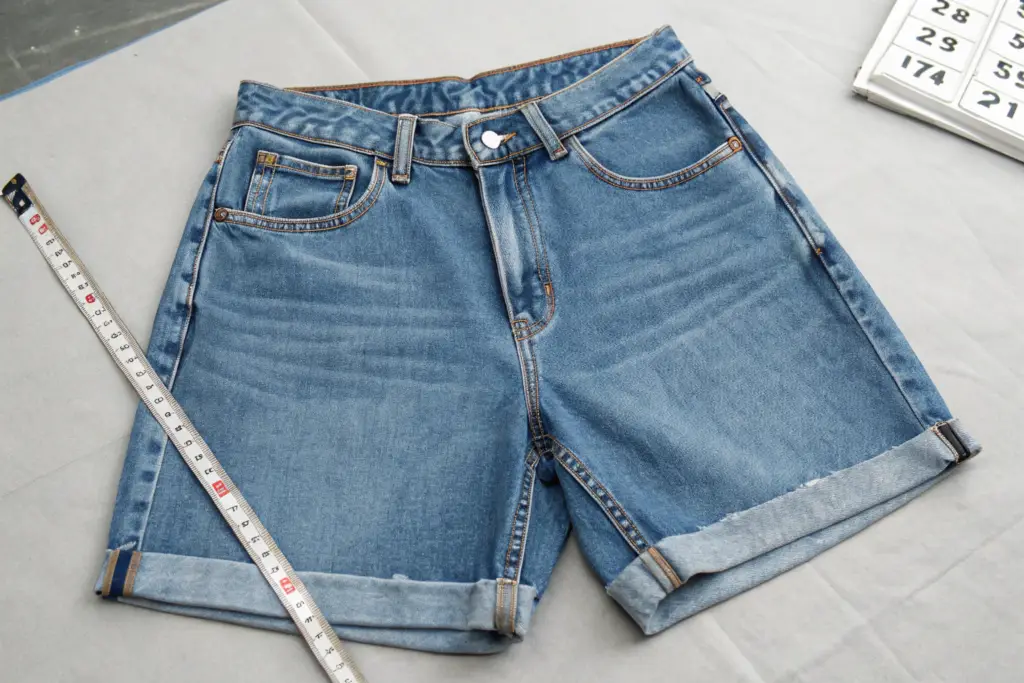
I have reviewed the specifications of our best-selling denim shorts across multiple brand partners. The common attributes are clear. The denim weight is 10.5 to 12 ounces. The fiber content is 98% to 99% cotton and 1% to 2% elastane for comfort stretch. The wash is a medium indigo with subtle enzyme fading. The rise is mid to high, 10 to 12 inches for women, 10.5 to 11.5 inches for men. The inseam is 4 to 5 inches for women, 7 to 9 inches for men. The leg opening is relaxed enough to not squeeze the thigh. The hem is either a clean cuff or a raw hem with a chain stitch reinforcement. These are the specs of a safe, classic denim short. The classic denim shorts specifications guide provides detailed measurements and definitions.
The safe denim short avoids extremes. No rigid 100% cotton that has zero stretch and a high return rate. No ultra-light 8-ounce denim that bags out. No heavy 14-ounce denim that is too hot for summer. No acid washes that are tied to a specific trend cycle. No micro inseams that limit the customer base. The safe denim short operates in the middle of every specification range. Let's detail the two most critical specs.
What Denim Weight, Stretch Ratio, and Wash Minimize Return Risk?
The denim weight sweet spot is 10.5 to 12 ounces. This weight provides the authentic denim feel, the structure, and the durability that customers expect. It is heavy enough to hold its shape. It is light enough for summer wear. A 2% elastane content provides comfort stretch. The short moves with the body. It accommodates slight weight fluctuations. It reduces the size-related return rate significantly compared to 100% rigid denim.
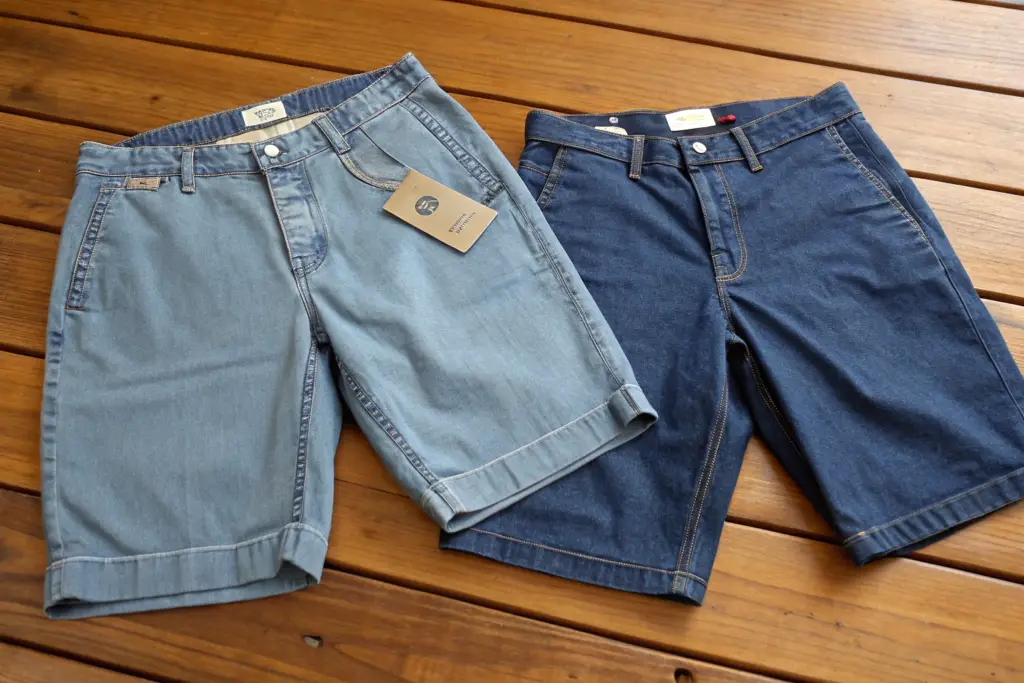
The wash is a medium indigo with a genuine enzyme wash. The enzymes soften the denim and create subtle, natural-looking fading at the seams and stress points. The wash should not be uniform and flat. It should have character. But it should not have heavy distressing, rips, or aggressive sandblasting. Those are trend-driven details that shorten the product's commercial life. The denim wash types and their market stability guide explains the wash spectrum. A medium enzyme wash is the safest, most versatile option. It looks good on day one. It gets better with age.
Why Is a Mid-to-High Rise the Safest Silhouette for Women's Denim Shorts?
The rise is the distance from the crotch seam to the top of the waistband. A low rise, under 9 inches for a size medium, sits on the hip. It is trendy but unforgiving. It exposes the midsection when sitting. It has a high return rate because many women find it uncomfortable and unflattering. A mid rise, 9 to 10.5 inches, and a high rise, 10.5 to 12 inches, sit at or near the natural waist. They define the waist. They provide coverage when sitting. They flatter a wider range of body types.
The high-waisted denim short has been the dominant silhouette for several years. It is now a classic, not a trend. It pairs with crop tops, tucked-in blouses, and bodysuits. It creates an hourglass silhouette. The women's denim shorts rise guide explains the fit benefits. A mid-to-high rise denim short has a broad customer base and a low return rate. It is the safest silhouette choice for a classic denim short.
What Sourcing Considerations Make Denim Shorts Profitable, Not Problematic?
Denim shorts are more complex to source than twill chino shorts. The denim fabric itself has more variables. The wash process adds a layer of complexity and cost. The sizing must account for the wash shrinkage. The quality control must check for wash consistency across the production run. A brand that sources denim shorts without understanding these complexities can face delayed shipments, inconsistent washes, and sizing problems. A brand that understands and manages these complexities can achieve a profitable, high-quality product.
I have seen brands struggle with denim shorts sourcing because they treated it like a chino short. They did not account for the wash shrinkage in the pattern. The shorts came out a size too small. They did not specify the wash formula. The bulk wash was darker than the approved sample. They did not budget for the wash cost. Their margin was lower than expected. The denim production sourcing guide explains these unique considerations. Sourcing denim shorts is not harder than sourcing chino shorts. It is different. The buyer who learns the differences succeeds.
The wash process and the sizing adjustments are the two areas where denim shorts sourcing differs most from other shorts categories. Let's examine these critical sourcing factors.
How Does the Wash Process Impact Cost, Lead Time, and Consistency?
The wash process adds cost and time. A basic enzyme wash adds $0.80 to $1.50 per unit to the FOB cost. A more complex wash with hand sanding, whiskering, and tinting can add $2.00 to $4.00 per unit. The wash process adds 5 to 10 days to the production lead time. The shorts must be sewn, then sent to the wash facility, then returned to the factory for final inspection and packing. The wash facility is a separate operation. The factory must manage the logistics and quality control across both facilities.
Wash consistency is the biggest quality challenge. The indigo dye is reactive. The wash result can vary slightly from batch to batch based on water temperature, enzyme strength, and wash duration. A professional wash facility uses computer-controlled wash machines and documented formulas to ensure batch-to-batch consistency. The denim wash process and quality control guide explains the technology. A buyer should ask the factory about their wash partner, their wash formula documentation, and their batch consistency testing process.
Why Must You Account for Wash Shrinkage in the Pattern and Sizing?
Denim shrinks during the wash process. The amount of shrinkage depends on the denim weight, the weave, and the wash intensity. A 12-ounce denim might shrink 2% to 4% in length and 1% to 2% in width during the wash. If the pattern is not adjusted for this shrinkage, the finished short will be smaller than the specification. A size medium will fit like a size small. The return rate will spike.
The pattern maker must grade the pattern with a shrinkage allowance. The cut panels are slightly larger than the finished specification. The wash shrinks them down to the correct size. This requires experience and testing. The wash facility provides a shrinkage test report for each denim lot. The pattern is adjusted accordingly. The denim shrinkage and pattern adjustment guide explains this technical process. A buyer should confirm that the factory has accounted for wash shrinkage in the pattern. A sample that is the correct size before washing will be too small after washing.
How Should a Brand Position and Price a Classic Denim Short Against Competitors?
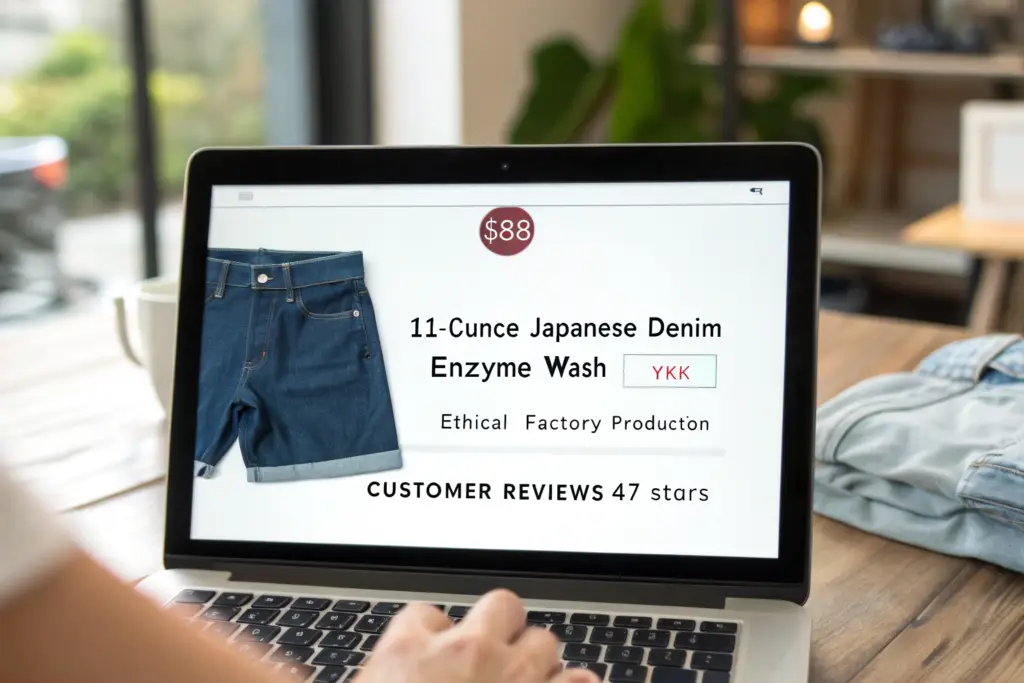
The denim short market is crowded at the bottom. A brand cannot win a price war with fast fashion. The premium brand must position its denim short on quality, fit, and story. The denim origin, the wash process, the ethical manufacturing, the fit engineering. These are the value propositions that justify an $88 price tag when the customer can buy a $20 short elsewhere. The positioning must be clear in the product description, the photography, and the marketing.
I advise my brand partners to tell the denim story. "11-ounce Japanese selvedge denim. Enzyme-washed for 45 minutes with pumice stones from a family-owned wash house. Finished with a YKK zipper and a custom-engraved button. Made in a BSCI-certified factory." This story communicates value. It educates the customer. It makes the $88 price feel reasonable, even generous. The premium denim brand positioning strategies article provides examples of effective storytelling. The denim short is a product with a rich material story. A brand that tells that story sells at a premium.
Pricing is a function of cost, perceived value, and competitive positioning. The classic denim short can command a higher price than a comparable chino short because the denim material has a higher perceived value. Let's look at the pricing sweet spot.
What Is the Retail Price Sweet Spot for a Quality Denim Short in 2026?
The retail price sweet spot for a quality classic denim short from an independent brand is $68 to $98 for women's and $78 to $118 for men's. Below $68, the customer questions the quality. Above $118, the brand is competing with premium denim labels with established reputations. Within this range, the brand can achieve a healthy margin with a FOB cost of $14 to $22, depending on the denim quality and wash complexity.
The FOB cost for a classic denim short in a 10.5 to 12-ounce denim with a medium enzyme wash, YKK zipper, and standard branding, at a 1,000-piece order quantity, typically ranges from $12 to $18. This allows for a landed cost, with DDP shipping, of $16 to $24. At an $88 retail price, the brand achieves a 65% to 70% gross margin. The apparel pricing strategy guide provides a margin calculator. A classic denim short at this price-quality ratio is a profitable, sustainable product.
How Do You Market a Denim Short as "Classic" to Justify a Premium Price?
The word "classic" must be earned by the product details, not just used in the marketing copy. The product must actually be classic. A medium indigo wash. A mid-to-high rise. A clean hem. Quality denim weight. Brand the product as "The Classic Denim Short." Name it. Own the category. Show the denim close up. The texture, the selvedge edge if applicable, the YKK zipper. Show the fit on a model with measurements. Show the short styled in multiple ways, with a blazer, with a tee, with sandals.
Collect reviews. A classic product accumulates reviews over years. A product page with 500 reviews and a 4.5-star average is a conversion machine. The reviews are the social proof that the short is a classic. The ecommerce marketing for classic apparel products guide explains the long-term value of building an evergreen product page. A denim short that is genuinely classic, and is marketed as such, becomes an asset that generates revenue year after year with minimal marketing spend.
Conclusion
Classic denim shorts are a safe bet for a brand's summer collection. The market demand is stable and predictable. The category has been a summer staple for decades and shows no signs of decline. The key to a safe denim short is the execution. Choose a denim weight of 10.5 to 12 ounces with 2% elastane for comfort stretch. Choose a medium indigo enzyme wash that looks authentic and ages well. Choose a mid-to-high rise that flatters a broad range of body types. Avoid extreme washes, ultra-low rises, and micro inseams. Manage the sourcing complexity. Account for wash shrinkage in the pattern. Vet the wash facility. Position the product on quality and story. Price it in the $68 to $98 sweet spot. Market it as a classic, and let the reviews accumulate.
A well-executed classic denim short is not just a one-season product. It is an evergreen asset. It generates reorders. It builds customer loyalty. It earns reviews that drive organic traffic. It becomes a foundation piece of the brand's summer identity. The denim short is not a gamble. It is a proven, profitable category for the brand that treats it with the respect it deserves.
At Shanghai Fumao, we have years of experience manufacturing classic denim shorts. We have established relationships with denim mills and wash facilities. We understand the pattern adjustments for wash shrinkage. We know how to achieve batch-to-batch wash consistency. We can help you develop a classic denim short that fits your brand and your target customer. If you are considering adding denim shorts to your summer collection, contact our Business Director, Elaine, at elaine@fumaoclothing.com. She will send you our denim fabric and wash sample book. Let us help you build a denim short that sells through season after season.