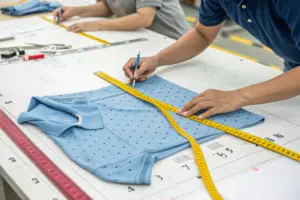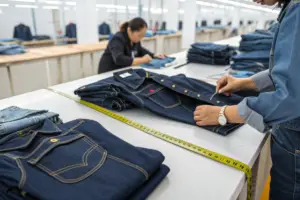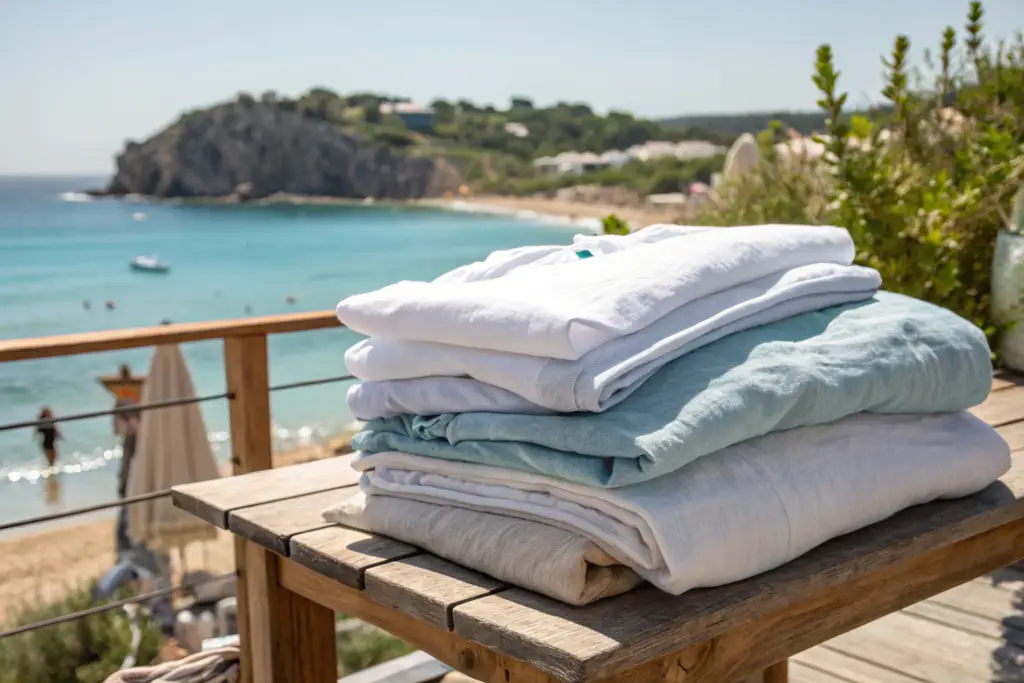
You are a distributor. Your job is to buy products that retailers will order again and again. You live and die by the repeat purchase. A trendy item might spike one season and vanish the next. You cannot build a business on spikes. You need steady performers. Products that retailers reorder in April, restock in June, and buy again next February for the following summer. Linen classic shorts are that product. Year after year, decade after decade, they sell. The style evolves subtly. The fabric blend improves. But the demand never goes away. Every summer, consumers search for linen shorts. Every summer, retailers need them on the shelves. Every summer, distributors who stocked the right linen shorts at the right price make their numbers. The question is not whether linen shorts sell. The question is why they sell so reliably, and how you as a distributor can maximize your return on this perennial category.
Linen classic shorts are a top seller every summer for distributors because linen is the only natural fiber that combines exceptional breathability, moisture-wicking performance, and a distinctive textured aesthetic that communicates effortless summer elegance. A well-made linen short solves a universal consumer problem: how to stay cool and look polished in hot weather. The fabric's natural slub texture and gentle drape create a visual signal of quality and leisure that synthetic fibers cannot replicate. For the distributor, linen shorts offer strong wholesale margins, a long selling season from March through August, and an exceptionally high repeat order rate from retailers. The linen short is not a trend bet. It is a category foundation.
At Shanghai Fumao, linen and linen-blend shorts are a significant and growing portion of our production. Our distributor clients in the U.S. and Europe reorder these styles with remarkable predictability. The natural linen short, the linen-cotton blend short, the garment-dyed linen short. The silhouettes change slightly. The demand is constant. I have watched this category for years. This article is a deep dive into why linen shorts dominate the summer distribution channel. It covers the material properties, the consumer psychology, the distributor business case, and the sourcing specifications that ensure a quality product.
What Material Properties Make Linen Irresistible for Summer Shorts?
Linen is not just another fabric. It is a material with unique physical properties that directly translate into consumer benefits. It is made from the fibers of the flax plant. These fibers are long, strong, and hollow. The hollowness is the key. It creates a capillary action that wicks moisture away from the skin. It creates air pockets that insulate against heat. It creates a fabric that feels cool to the touch, even on the hottest day. A consumer who wears a linen short in July experiences a measurable difference in comfort compared to a cotton or synthetic short. This is not marketing. This is physics.
I recall a conversation with a distributor from Texas. He told me that his linen short program was his most consistent performer in the Southern states. "My retailers in Houston and Atlanta sell linen shorts from March through October. The cotton shorts slow down in July and August because they are too heavy. The linen shorts accelerate. The customer feels the difference immediately." This regional performance pattern is consistent. In hot, humid climates, linen dominates. In moderate summer climates, linen is the aspirational choice for vacation and leisure. The material property drives the demand.
The material properties of linen are scientifically measurable. Thermal conductivity, moisture absorption, and drying rate are all quantifiable. These measurements explain the subjective experience of wearing linen. Let's look at the two most important properties.
How Does Linen's Breathability and Moisture-Wicking Outperform Cotton and Synthetics?
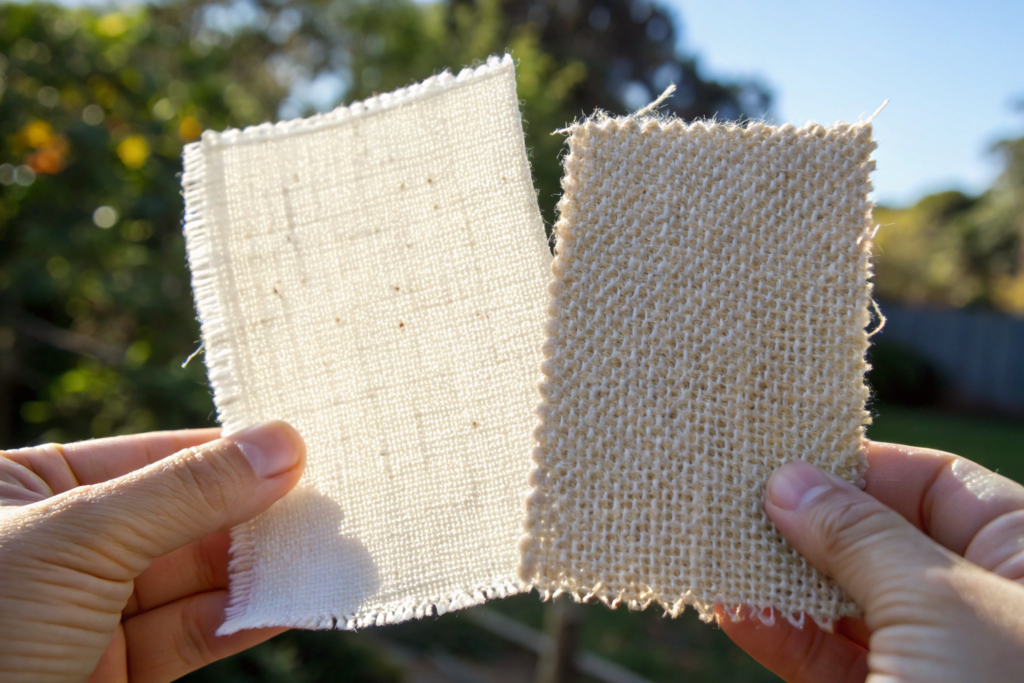
Linen has a thermal conductivity approximately five times higher than wool and twice as high as cotton. This means heat transfers through linen more readily. Body heat escapes. The wearer stays cooler. Linen fibers can absorb up to 20% of their weight in moisture before feeling damp. Cotton absorbs moisture but holds it. Linen absorbs moisture and releases it quickly into the air. The fabric dries fast. It does not cling to sweaty skin.
Synthetic fabrics like polyester are hydrophobic. They do not absorb moisture at all. They trap heat and sweat against the body. The wearer feels clammy and hot. Linen is the opposite. It actively manages the body's microclimate. The open weave structure of linen fabric allows air to circulate. This combination of wicking, quick-drying, and air permeability creates a cooling effect that is biologically perceptible. The thermal properties of linen fabric are documented in textile science. A distributor selling linen shorts is selling a genuine performance benefit, not just an aesthetic.
Why Does the Natural Slub Texture Signal "Premium Summer" to Consumers?
Linen has a natural slub texture. Slubs are the small, irregular thickenings in the yarn created by the natural variation in flax fibers. This texture is visible on the surface of the fabric. It catches the light unevenly. It creates a visual depth that smooth, uniform cotton lacks. The slub is the fingerprint of linen. It signals authenticity. It signals natural origin. It signals a garment that is not mass-produced from synthetic uniformity.
Consumers have learned to associate this texture with premium summer leisure. It evokes linen shirts on Italian coastlines, linen tablecloths at Provençal farmhouses, linen curtains blowing in a Greek island breeze. The texture tells a story. A distributor who stocks linen shorts is stocking a product that markets itself through its tactile and visual identity. The linen texture and consumer perception guide explains this aesthetic value. A linen short does not just perform better. It looks like it performs better.
How Does the "Quiet Luxury" Trend Amplify Linen Short Sales for Distributors?
The cultural context amplifies the material's appeal. The last few years have seen the rise of the "quiet luxury" or "old money" aesthetic in fashion. This trend rejects loud logos, flashy branding, and obvious displays of wealth. It embraces quality, subtlety, natural materials, and timeless design. Linen sits at the very center of this aesthetic. A pair of linen shorts is the quintessential quiet luxury garment. It is expensive-looking without a logo. It signals taste, not spending power. It whispers.
I have seen this trend directly impact our distributor orders. Three years ago, our linen short orders were predominantly from resort and vacation-oriented brands. Today, they are also from contemporary fashion brands, minimalist labels, and direct-to-consumer companies targeting the 25 to 45-year-old style-conscious demographic. The quiet luxury trend has expanded the market for linen shorts beyond the traditional vacation customer. The quiet luxury fashion trend coverage shows how this aesthetic has permeated the mainstream. A distributor who positions linen shorts within this narrative captures a broader, younger, and higher-spending customer base.
The quiet luxury trend gives linen shorts a cultural relevance that transcends their functional benefits. It makes them a fashion choice, not just a comfort choice. This cultural positioning increases the perceived value and the price the market will bear. Let's explore this advantage.
Why Are Linen Shorts a Cornerstone of the "Old Money" Summer Wardrobe?
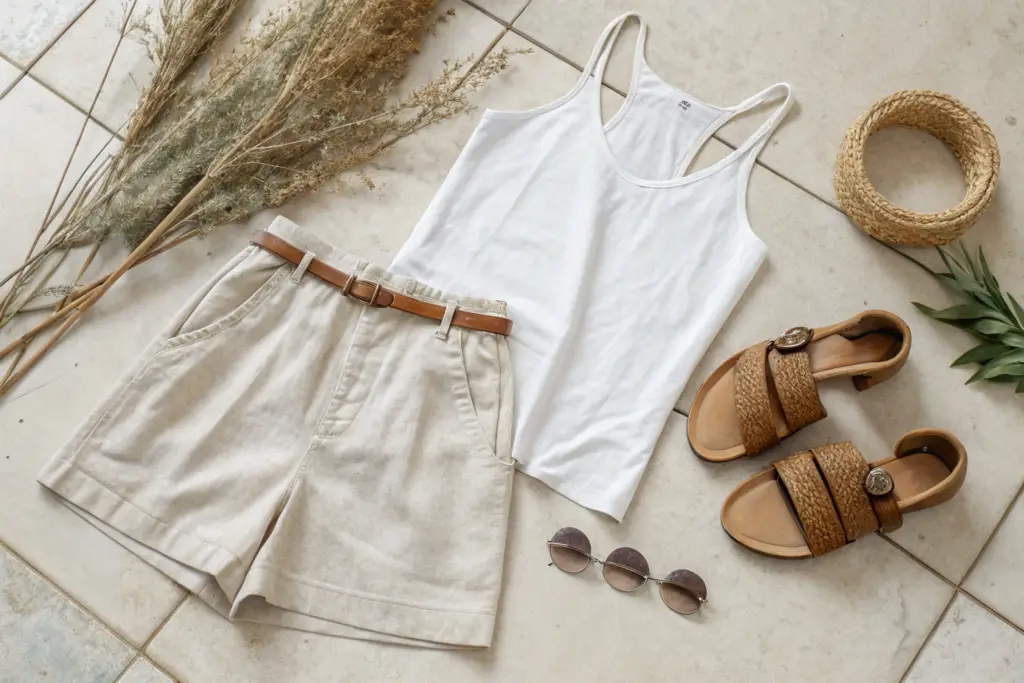
The "old money" aesthetic is a look of inherited wealth. It favors clothing that appears to have been owned for years. Natural fibers that age gracefully. Neutral colors that never go out of style. Simple, tailored silhouettes. Linen checks every box. It ages beautifully, softening and developing a subtle patina with washing. It comes in natural, undyed colors or muted, sun-faded tones. A well-tailored linen short looks like a garment passed down through generations, not purchased last week from a fast-fashion chain.
This aesthetic is aspirational. Consumers who cannot afford a vacation home in the Hamptons can buy a pair of linen shorts that evoke that lifestyle. The short is an accessible entry point into the fantasy. The old money summer style guide consistently features linen shorts as a core piece. A distributor whose product photography and marketing evoke this aesthetic taps into a powerful consumer desire.
How Does the European Vacation Association Boost Perceived Value?
Linen is inextricably linked with the European summer vacation. It is the fabric of the Amalfi Coast, the French Riviera, the Greek Islands. A consumer buying a linen short is not just buying a garment. They are buying a ticket to a mental vacation. They imagine themselves wearing it at a seaside café, a cobblestone market, a sunset dinner overlooking the water. This aspirational association allows brands and retailers to command a higher price for linen shorts compared to cotton shorts of similar construction.
The markup is justified by the consumer's willingness to pay for the story. A linen short might retail for $68 to $128, while a comparable cotton chino short retails for $48 to $78. The distributor's margin on the linen short is larger in absolute dollars. The perceived value supports the premium. The consumer psychology of vacation clothing explains this willingness to invest more in garments associated with leisure and travel. The linen short is a product that sells a feeling.
What Is the Distributor Business Case for Investing in Linen Shorts?
Emotion and aesthetics are important. But a distributor makes decisions based on numbers. Sell-through rates, margins, reorder volumes, return rates. The business case for linen shorts is compelling on every financial metric. The category delivers strong gross margins. It has a long selling window. It generates high reorder rates from retailers. It has a low return rate due to the forgiving nature of the fabric and the relaxed fit typically associated with linen styles. The numbers support the investment.
I analyzed the sales data of three distributor clients who carry both cotton and linen classic shorts. The linen shorts had an average wholesale price 35% higher than the cotton shorts. The sell-through rate was comparable, around 85% to 90% for both. The return rate on linen shorts was slightly lower, around 3% versus 5% for cotton shorts. The gross profit per unit on linen shorts was significantly higher because the higher wholesale price dropped a larger dollar margin to the bottom line. The data was clear. Linen shorts are a profit driver, not just a category filler.
The financial logic is persuasive. A distributor who allocates 20% of their summer open-to-buy to linen shorts, instead of 5%, will likely see an improvement in their overall margin mix. The higher-priced, high-demand item lifts the average order value. Let's examine the specific financial drivers.
How Do Wholesale Margins on Linen Shorts Compare to Cotton Shorts?
A classic cotton chino short from a quality factory might have a FOB price of $7.50 per unit. A distributor sells it to a retailer for $15.00, a 100% markup. The dollar margin is $7.50 per unit. A linen or linen-blend short from the same factory might have a FOB price of $10.00 per unit due to the higher raw material cost. The distributor sells it to a retailer for $22.00, a 120% markup. The dollar margin is $12.00 per unit.
The linen short delivers 60% more gross profit dollars per unit than the cotton short. Even if the distributor sells fewer units of linen shorts, the total profit contribution can be higher. The linen fabric cost premium is an investment that generates a disproportionate return. The wholesale margin analysis for apparel shows the power of higher-priced, higher-margin items in a product mix. Linen shorts are a margin accelerator.
Why Do Retailers Reorder Linen Shorts Throughout the Season?
Retailers reorder products that sell. Linen shorts sell. The sell-through is consistent. But there is another factor. Linen shorts are a destination purchase. A customer comes into the store specifically looking for linen shorts. They are not browsing. They have a need. They want a linen short for an upcoming vacation, a summer wedding, or the hot months ahead. This high purchase intent means the conversion rate is high. The retailer sees the product move. They reorder.
Additionally, linen shorts have a long seasonal relevance. In warm climates, they sell from March to October. The reorder window is wide. A retailer who sells out of a color in May can restock in June and sell through again in July. The retail reorder behavior for seasonal basics confirms that high-demand summer categories see multiple reorder cycles. As a distributor, a product with a high reorder rate reduces your sales cost. The retailer calls you. You do not have to chase them.
What Should a Distributor Look for When Sourcing Linen Classic Shorts?
The business case is strong. But the product must be right. A poorly made linen short will have a high return rate due to shrinkage, excessive wrinkling, or seam failure. The distributor who sources a quality linen short captures the margin. The distributor who sources a cheap one handles returns and loses retailer trust. Quality in linen shorts is about specific, verifiable attributes. It is not subjective.
I recall a distributor who switched to a cheaper linen short supplier. The FOB price was $2 less per unit. The shorts sold through. Then the returns started. The fabric had not been pre-shrunk. The shorts shrank two inches in length after the first wash. Retailers were furious. The distributor had to issue credits. The $2 saving cost them $10 in returns processing and lost goodwill. The cheap linen short was the most expensive mistake they ever made. Quality linen sourcing is non-negotiable.
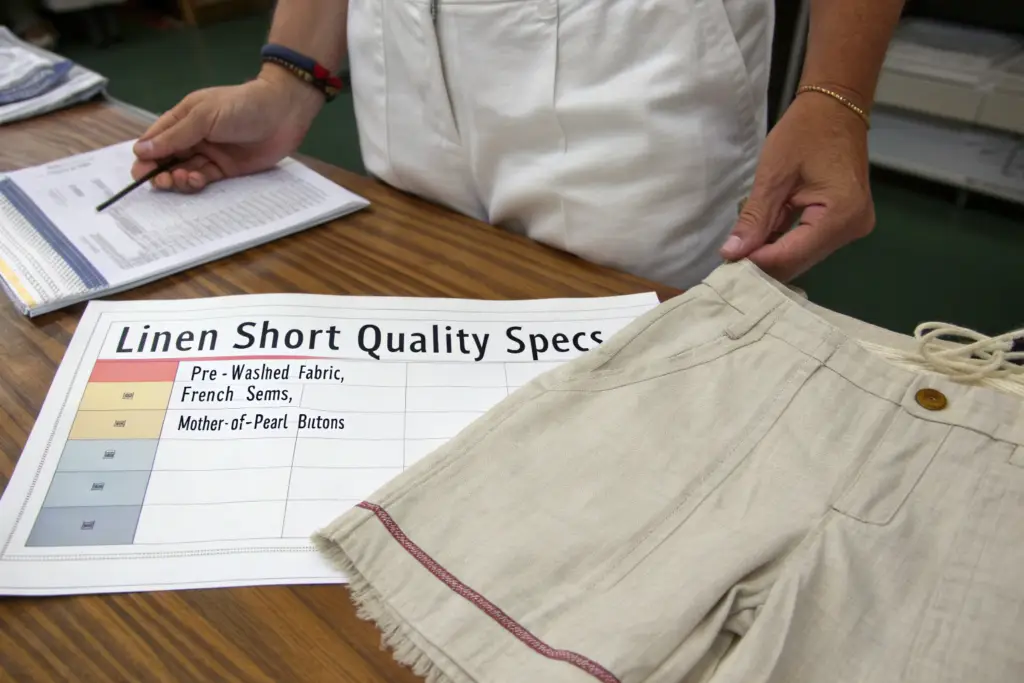
The key specifications for a quality linen short are the fabric blend, the pre-shrinking process, the seam finishing, and the trim quality. A distributor who specifies these in their purchase order gets a quality product. Let's define the specifications.
What Linen Blend Ratio Offers the Best Balance of Texture and Wrinkle Resistance?
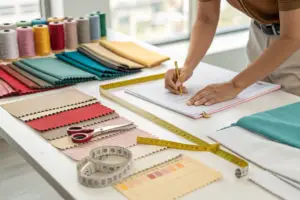
Pure 100% linen is the most authentic. It has the most pronounced slub texture. It also wrinkles the most. For many consumers, the wrinkling is part of linen's charm. For others, it is a frustration. A linen-cotton blend offers a compromise. A 55% linen, 45% cotton blend retains the linen texture and breathability while adding the wrinkle resistance and softness of cotton. This is the most popular blend for classic shorts.
A 70% linen, 30% viscose or Tencel blend adds fluid drape and a subtle sheen. It is a more luxurious option. The linen blend fabric properties guide explains the trade-offs. A distributor should offer both a pure linen option and a linen-blend option. The pure linen is for the purist. The blend is for the customer who wants the look with less maintenance.
Why Is Pre-Washing and Sanforizing Essential for Linen Shorts?
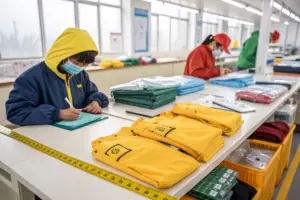
Linen shrinks. Unfinished linen fabric can shrink 5% to 7% in the first wash. If the shorts are cut from unwashed fabric, they will shrink dramatically after the customer washes them. The inseam shortens. The waist tightens. The fit is ruined. The shorts are returned. The solution is pre-washing or sanforizing the fabric before cutting. This process pre-shrinks the fabric so that residual shrinkage is under 2%.
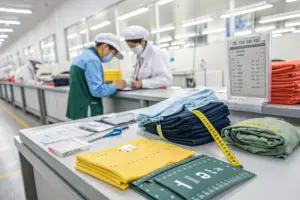
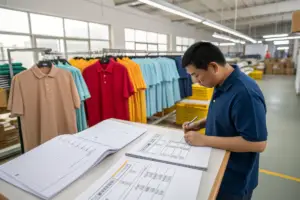
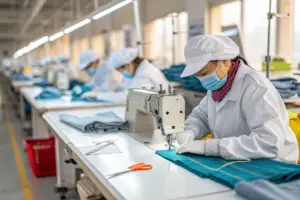
A quality linen short supplier pre-washes the fabric at the roll level or garment-washes the finished shorts. The washing also softens the linen, removing the initial stiffness. A pre-washed linen short arrives with a soft, lived-in hand feel. The fabric pre-shrinking processes are essential for linen. A distributor should verify that the factory pre-washes the linen and should request a shrinkage test report.
What Seam and Hem Finishes Prevent Linen Shorts from Fraying?
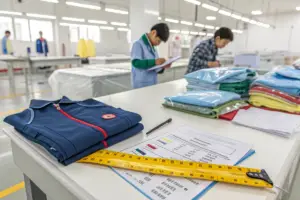
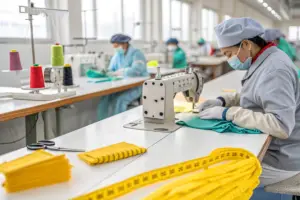
Linen frays. The yarns are strong but have loose fibers. A raw, unfinished seam inside a linen short will unravel with washing and wear. The seams must be finished. A French seam, where the raw edge is enclosed within the seam itself, is the premium finish. A clean overlock stitch is the standard acceptable finish. A raw, unbound seam is a defect.
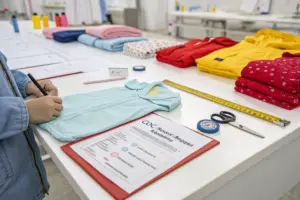
The hem should be a double-turn hem, cleanly topstitched. The pockets should be lined with a soft cotton voile or the shell fabric, not a scratchy polyester. The seam finishing techniques for linen guide explains the options. A distributor should inspect the inside of the sample shorts. The inside finish tells you more about quality than the outside. A clean inside means a quality product.
Conclusion
Linen classic shorts are a top seller every summer for distributors because they sit at the intersection of material performance, cultural relevance, and financial logic. The linen fiber itself provides breathability, moisture-wicking, and a premium texture that consumers seek out in hot weather. The quiet luxury trend has expanded the market, making linen shorts a fashion staple for a younger, style-conscious demographic. The distributor business case is compelling: higher wholesale prices, stronger dollar margins, a long selling season, and high retailer reorder rates. The product sells itself.
The key for a distributor is sourcing quality. A linen short with pre-washed fabric, clean seam finishes, and the right blend ratio will perform. A cheaply made one will generate returns and damage relationships. The margin opportunity is real, but it depends on the product being right. A distributor who invests in a quality linen short program builds a reliable, profitable summer revenue stream that retailers will depend on year after year.
At Shanghai Fumao, we specialize in linen and linen-blend classic shorts for distributors. We stock greige linen and linen-cotton blend fabrics. We pre-wash every roll. We use French seams as standard on our premium styles. We offer 100% linen, linen-cotton, and linen-Tencel blends. Our distributor clients reorder season after season. If you are a distributor looking to build or expand your linen short program, contact our Business Director, Elaine, at elaine@fumaoclothing.com. She will send you our linen fabric swatch book and wholesale pricing. Let us be your linen short supply partner.