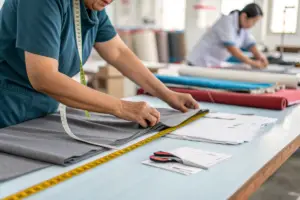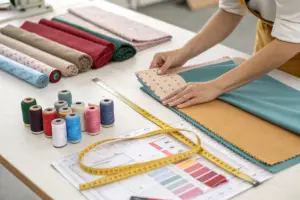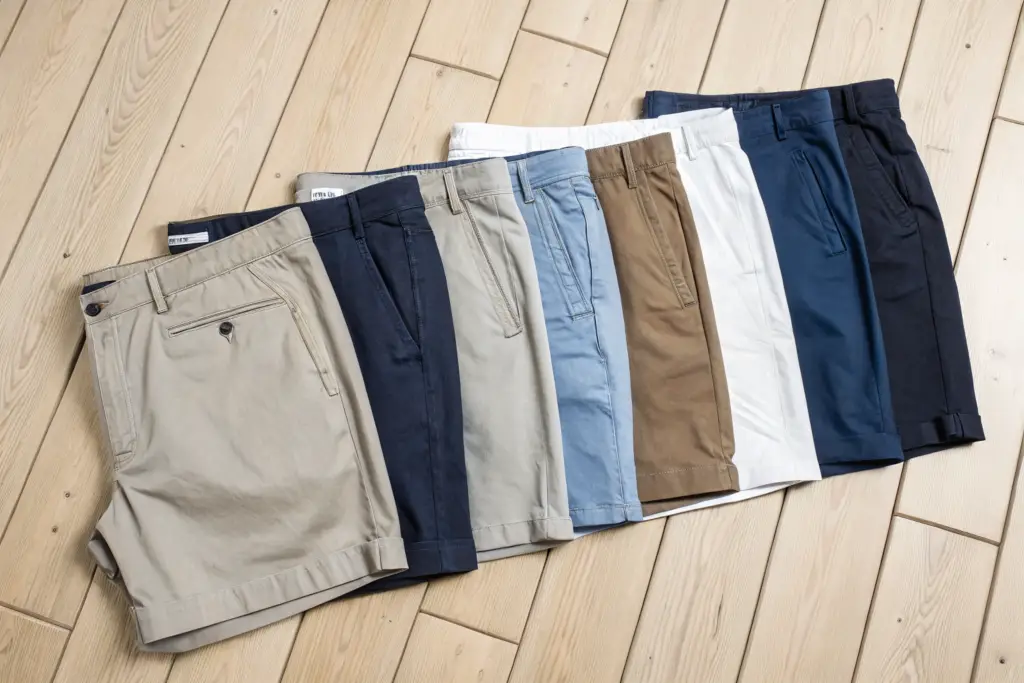
You are looking at your buy plan for the summer season. The spreadsheet has fifty open rows. You need to fill them with styles that will sell. Your budget is tight. Your warehouse space is limited. Every style code you add is a bet. You think about the three trendy styles you bought last year. They are still sitting on the clearance rack, marked down 60%. You lost money on every unit. The customers who bought them returned them at a high rate. The reviews mentioned poor fit and cheap fabric. You do not want to repeat that pain. You need a list. A definitive, safe, commercially proven list of short styles that move at full price. A list you can take to your sourcing team or your supplier and say, "Start here."
The top 10 classic shorts styles every brand should stock are the Flat-Front Chino Short, the Pleated Trouser Short, the High-Waisted Linen Short, the Denim Cutoff, the Stretch Bermuda Short, the Drawstring French Terry Short, the Mesh Athletic Short, the Cargo Short, the Elastic-Waist Walking Short, and the Tailored City Short. These ten styles cover every use case a customer has: casual, sport, relaxed, polished. Stocking this core assortment reduces inventory risk, maximizes sell-through, and builds your brand's reputation for reliable wardrobe essentials.
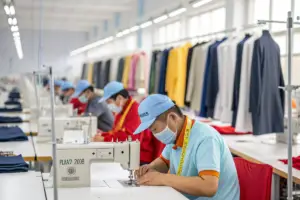
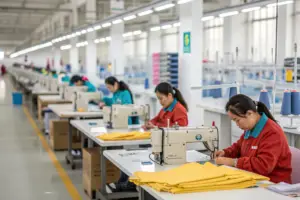
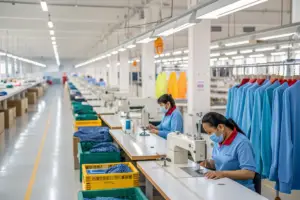
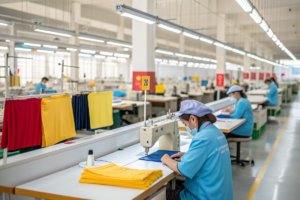
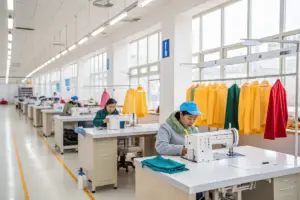
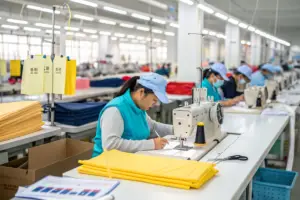
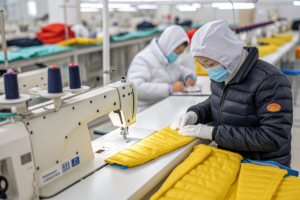
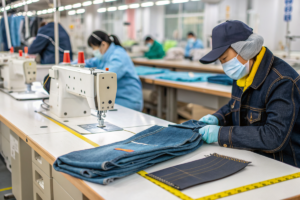
At Shanghai Fumao, we manufacture all ten of these styles for different brands across the United States. I see the repeat orders. I see the styles that quietly build a brand's revenue year after year, while the flashy trend pieces spike and crash. This list is not based on runway photos. It is based on cutting tickets and shipping cartons. It is based on what real people buy with their own money. Let me walk you through each one, with the exact details you need to brief your supplier.
The Flat-Front Chino Short: The Absolute Baseline
If your brand could only stock one pair of shorts, this is the one. The flat-front chino short is the anchor of every men's and women's casual bottoms program. It is the style that a customer buys in three colors. It is the style that sells from April through September without a discount. I spoke with a buyer from a Southern department store. He told me that his chino short program is 35% of his entire men's shorts open-to-buy. He said, "It is the one style I can confidently order deep on. The khaki and navy colorways always clean out."
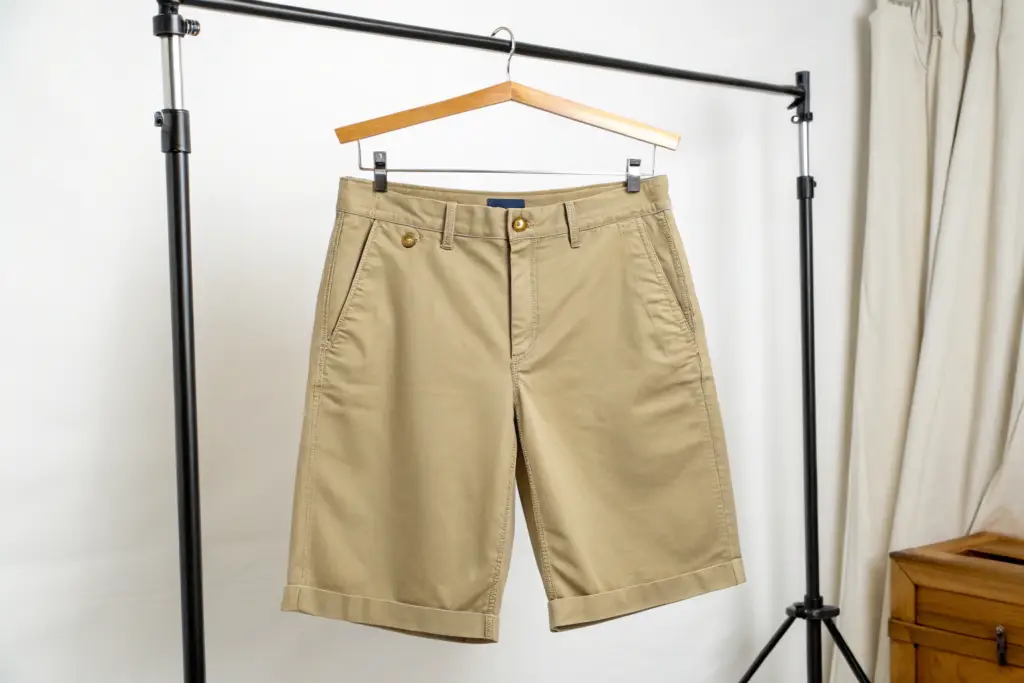
The flat-front chino short works because it is a neutral canvas. It does not make a fashion statement. It makes the wearer look put-together. The flat front creates a clean line. The slash pockets are functional but unobtrusive. The back welt pockets add structure without bulk. The silhouette is neither skinny nor baggy. It is straight. It is democratic. For a brand, this style generates the highest gross margin return on inventory investment. The cost to manufacture is stable. The retail price is premium enough to allow a healthy margin. The return rate is low. Let's look at the exact specifications that make a wholesale-ready chino short.
What Are the Must-Have Specs for a Commercial Flat-Front Chino Short?
The fabric must be a cotton twill between 260 and 300 GSM. The weight provides structure and prevents the "pajama" look. The fiber should be 100% cotton or a 98/2 cotton-spandex blend for a comfort stretch. The front closure must be a YKK zipper fly with a metal shank button at the waistband. The pockets must be deep enough to hold a large smartphone. The inseam for men should be 7 or 9 inches. For women, 4 or 5 inches.
I recall a product development meeting with a New York streetwear brand. They wanted a "cropped, wide-leg" chino short. We made the sample. The leg opening was 26 inches on a size medium. It looked interesting on a model. But the average customer did not understand it. The brand sold through only 40% of the inventory. The next season, they switched to a straight-leg, 22-inch leg opening. The sell-through jumped to 85%. The lesson is that the chino short must conform to the body, not challenge it. The fabric finish is also critical. A garment dye process gives a soft, broken-in hand feel. A piece-dyed fabric feels crisp and dressier. Garment dye is preferred for a casual weekend short. The color palette must include khaki, stone, navy, olive, and black. These are the non-negotiable cores.
How Does the Chino Short Minimize Customer Returns?
Returns on chino shorts usually come from sizing confusion and fabric shrinkage. A customer orders a medium. It fits like a small. They return it. This can be prevented with a clear, detailed size chart and a pre-shrunk fabric.
We pre-shrink our twill fabric using a sanforizing process. We control residual shrinkage to under 2%. We also grade the pattern carefully across sizes. A common mistake is to grade the front rise the same amount as the waist. This makes the larger sizes ride up. We use a separate rise grade rule. For every 2-inch waist increase, the front rise increases by 0.5 inches. This keeps the short sitting correctly on different body types. The waistband also needs a non-roll interior interfacing. A cheap interfacing bubbles and delaminates after washing. We use a woven fusible that is bonded under heat and pressure. It stays flat for the life of the garment. These details are invisible on a website photo. They become visible after five washes. A short that holds its shape gets a five-star review. A short that twists and shrinks gets a one-star review. The chino short specifications are the foundation of your brand's quality reputation.
The Pleated Trouser Short: The Elevated Basic
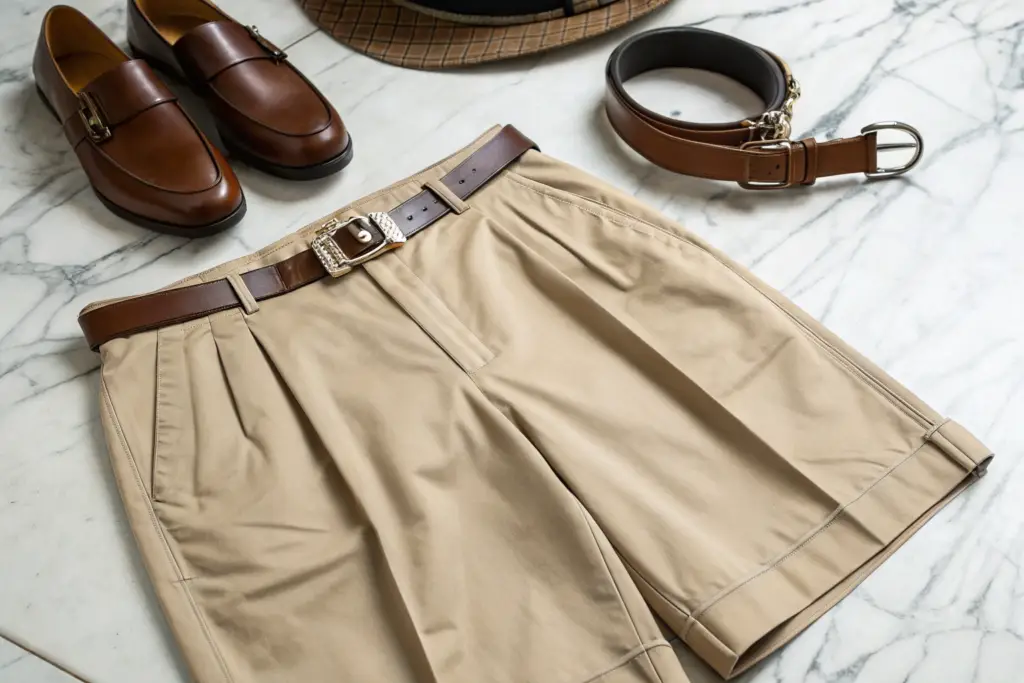
The pleated trouser short is the upgrade. It is for the customer who has already bought the flat-front chino short and wants something a little more refined. This style works for summer weddings, dinner dates, and resort vacations. It pairs with a linen button-down or a knit polo. It offers a relaxed elegance that a flat-front short cannot quite reach.
The defining feature is the forward pleat. This small fold of fabric at the waistband creates a fuller thigh and a tapered leg. It allows freedom of movement. It hides the midsection. It looks intentional and styled. I remember a brand owner from Charleston telling me that his pleated short was his highest-margin product. He sold it for $120 retail. His customers saw it as a "vacation short" and were willing to pay a premium for the tailored look.
This style requires precise manufacturing. The pleat must be pressed sharply but not fused flat. It must open slightly when the wearer sits. The hem is usually cuffed, which adds weight and a finished appearance. The fabric choice is crucial. A heavy cotton twill or a linen-cotton blend works best. The weight gives the pleat structure.
Why Does the Forward Pleat Create a More Flattering Silhouette?
The forward pleat faces toward the center fly. It creates a vertical visual line that elongates the leg. It also provides hidden room. When the wearer sits, the pleat opens. The fabric does not pull tight across the lap. This is both comfortable and elegant.
The pattern-making for a pleated short is more complex than a flat-front short. The front panel must be wider to accommodate the pleat depth. A standard pleat depth is 1.5 centimeters per pleat. Two pleats require an additional 6 centimeters of fabric at the waist. This extra fabric is then folded and topstitched into the waistband seam. The pleat must be reinforced with a bar tack at the base. Without this, the pleat will rip open under stress. We produce pleated shorts for several East Coast resort wear brands. The key to a good pleat is pressing. The factory must use a steam iron and a buck press to set the pleat. A cheap factory will just flatten it with a hand iron. The pleat will not hold. The short will look messy. You must specify "permanent pleat pressing" in your tech pack.
What Is the Ideal Inseam for a Pleated Trouser Short?
The pleated short works best with a slightly longer inseam. A 7-inch to 9-inch inseam for men is ideal. The extra length balances the volume of the pleat. A very short pleated short can look disproportionate, with too much fabric bunched at the top and not enough leg.
For women, a 5-inch to 7-inch inseam works well. The women's version often features a high waist and a paperbag waistband detail. The pleats fall from the waistband and create a beautiful drape. The cuffed hem adds weight and keeps the short from blowing in the wind. The pleated trouser short is a premium product. It commands a higher retail price. It requires a higher wholesale investment. But it delivers a higher margin per unit. It is a necessary addition to a brand's assortment for the customer who is willing to spend more for a refined look.
The High-Waisted Linen Short: The Summer Luxury Staple
The high-waisted linen short is the category queen. It defines summer elegance. It is the short a woman packs for a vacation to Italy or a weekend in the Hamptons. It pairs with a silk camisole and sandals. It feels like a million dollars. I recall a boutique owner from Nantucket. She told me her high-waisted linen short is the first thing she sells when the store opens in May. "Women come in looking for it specifically," she said. "They buy it in white and natural. They come back for the striped version in July."
This style sits at the natural waist. It defines the silhouette. The wide leg or A-line cut flatters the hip and thigh. The linen fabric breathes and wrinkles, which is part of its charm. The customer who buys this short understands linen. She is not looking for wrinkle-free. She is looking for authentic, natural, high-quality fabric.
Manufacturing this short is a test of a factory's skill. Linen is a difficult fabric. It frays at the cut edge. It shrinks. It slips under the sewing machine foot. The seam allowances must be bound or French-seamed. A raw overlock edge on linen will unravel. The zipper fly must be stabilized with a cotton tape to prevent stretching. These details separate a $40 retail short from a $120 retail short.

What Linen Blend Offers the Best Balance of Luxury and Wearability?
Pure 100% linen is the gold standard. It has the most authentic texture. It also wrinkles the most. A 55% linen and 45% cotton blend is a practical compromise. It retains the slubby texture but reduces deep creasing. A 70% linen and 30% viscose blend adds fluid drape and softness.
We produce a linen-viscose blend short for a California brand. The weight is 180 GSM. It is light and airy. The viscose gives the fabric a subtle sheen. The short drapes beautifully in photos. The client's return rate on this style is low because the blend performs better than the customer expects. She expects the stiffness of pure linen. She receives a softer, more forgiving fabric. The color palette for linen shorts is nature-inspired. Natural flax, soft white, sandy beige, and dusty blue. These colors enhance the organic texture of the linen. Garment washing is essential. We wash every linen short after sewing to soften the fabric and release any residual shrinkage. A customer who buys a linen short and experiences shrinkage on the first home wash is lost. The linen fabric pre-treatment is a non-negotiable step.
Why Is a Contoured Waistband Essential for a High-Waisted Fit?
A high-waisted short must hug the curve of the lower back and the waist. A straight-cut waistband will gape. A contoured waistband follows the body's shape. It dips slightly in the front and curves around the back.
The pattern for a contoured waistband is cut on a gentle arc. It is not a straight rectangle of fabric. This requires skill in pattern-making. The waistband also needs structure. We use a medium-weight woven interfacing. It provides hold without stiffness. The inside of the waistband is finished with a clean binding or a lining. No raw edges against the skin. The closure is often a center-back invisible zipper, paired with a hook and eye. The zipper must be a high-quality YKK invisible zipper. A generic invisible zipper will fail. The coils will separate. The slider will jam. This is a warranty claim waiting to happen. The contoured waistband construction is a hallmark of a well-made garment. It is worth the extra labor cost.
The Denim Cutoff: The Eternal Rebel
The denim cutoff is the definition of cool. It is the short of rock and roll, of music festivals, of backyard barbecues. It is the short that is never too neat, never too precious. It gets better with age. The more it frays, the more it fades, the more it is loved. A brand that does not carry a denim cutoff is missing a fundamental piece of the American summer wardrobe.
I analyzed our production data. The denim cutoff is our third most-produced style, after the chino short and the athletic short. It has a stable, year-over-year demand. The wholesale price is attractive because the raw hem eliminates a finishing step. The customer expects the fraying. It is a feature, not a defect. This makes it a high-margin product.
The denim selection is the most important decision. A heavy denim is authentic but uncomfortable in extreme heat. A light denim is comfortable but can look flimsy. The wash is the second decision. The wash creates the character of the short. A dark rinse is dressier. A light stone wash is more casual. A destroyed wash with abrasions and patches is a fashion statement.

What Denim Weight and Stretch Ratio Drives Repeat Purchases?
A 10.5 to 12-ounce denim is the optimal weight range. It provides the authentic denim feel without being too hot. The fiber composition should be 98% cotton and 2% elastane for a comfort stretch. The stretch allows the short to move with the body.
A rigid 100% cotton denim has a dedicated following. It creates the most authentic vintage fades. But it has a higher return rate because the sizing is unforgiving. The customer must find the exact right size. We recommend a stretch denim for e-commerce brands. The stretch accommodates slight variations in body shape. It reduces size-related returns. The wash process is critical. We use a combination of enzyme washing and stone tumbling. The enzymes soften the fabric. The stones create a micro-abrasion that gives a worn look. We do not use sandblasting. Sandblasting is a health hazard for workers. We use manual hand sanding for whisker effects. The denim wash sustainability is an increasing concern for consumers. A brand that can communicate an eco-friendly wash process has a marketing advantage.
How Does the Raw Hem Detail Create a Premium Product with Less Labor?
The raw hem is a brilliant manufacturing trick. A finished hem requires folding, pressing, and topstitching. A raw hem is simply cut and secured. The labor cost is lower. Yet the consumer perceives the raw hem as a design choice. They pay a premium for it.
The execution must be precise. The cut must be clean and straight. A crooked raw hem looks like a mistake, not a design. We use a laser cutting guide to ensure the hem is perfectly perpendicular to the side seam. We then place a chain stitch 1.5 centimeters above the raw edge. This stitch stops the denim from unraveling beyond the intended fray zone. The raw edge will fray naturally over time. The chain stitch holds the structure. We also include a care card with each pair. It explains that the fraying is intentional and can be trimmed with scissors. This turns a potential customer service call into a brand engagement moment. The raw hem denim short is a product that sells itself. Its visual texture is compelling in photos and on video.
The Stretch Bermuda Short: The Modest Modern Essential
The Bermuda short is the answer for the customer who does not want to show a lot of thigh. It is a longer short, typically hitting just above or at the knee. It offers more coverage while still being a short. This style is essential for the women's market, particularly for customers over 40, for casual office environments, and for occasions where a shorter short feels inappropriate.
I spoke with a buyer for a Midwest retail chain. She told me that her Bermuda short program grew 25% last year. "Our customer is asking for it," she said. "She wants to wear shorts. She does not want to wear a 3-inch inseam. The Bermuda gives her the comfort and the coverage." The Bermuda short is also gaining traction in the men's market, particularly in streetwear and skate-inspired brands. A longer, baggier denim or twill short is a silhouette statement.
The key to a good Bermuda short is the proportion. The length elongates the leg visually. The width of the leg opening must balance the length. A too-narrow leg opening creates a long, tight tube that restricts movement. A too-wide leg opening looks like culottes. The sweet spot is a straight or slightly tapered leg.

What Is the Optimal Inseam Length for a Flattering Bermuda Short?
The inseam for a women's Bermuda short should be between 9 and 11 inches. This places the hem right at the top of the kneecap or just above it. For men, a 9-inch to 10-inch inseam achieves the same proportion.
The hem finish matters. A cuffed hem adds weight and a tailored touch. A plain hem with a slit at the side seam adds mobility. The side slit is a small detail that makes a big difference when walking or climbing stairs. The fabric for a Bermuda short must have some structure. A 260 GSM cotton twill with 2% spandex is a reliable choice. The spandex provides the comfort stretch necessary for the longer leg. Without stretch, the fabric pulls across the knee when sitting. This is uncomfortable and creates unsightly knee bags. We use a stretch twill that has been tested for fabric stretch and recovery. The recovery rate must be above 95%. This means the fabric returns to its original shape after being stretched. A low recovery rate means the knee area will permanently bag out. The short will look tired after one wear.
How Does the Bermuda Short Bridge the Gap Between Casual and Workwear?
The Bermuda short is the only short that can credibly pass in a business-casual environment. Paired with a blazer and a wedge heel, it creates a summer suit look. This versatility makes it a valuable piece in a woman's wardrobe.
For this to work, the details must be tailored. The waistband is a faced, flat-front design. The pockets are clean welt pockets in the back, not patch pockets. The front closure is a button and zipper fly, not a drawstring. The fabric is a suiting material like a cotton-sateen or a lightweight wool blend for the higher-end market. We produce a tropical wool Bermuda short for a New York-based brand. The retail price is $195. It sells to professional women who want a polished, cool option for summer workdays. The market for this elevated Bermuda is small but high-margin. The Bermuda short styling is a topic of constant online search. A brand that provides content around how to style the Bermuda short for the office will capture organic traffic.
The Drawstring French Terry Short: The King of Comfort
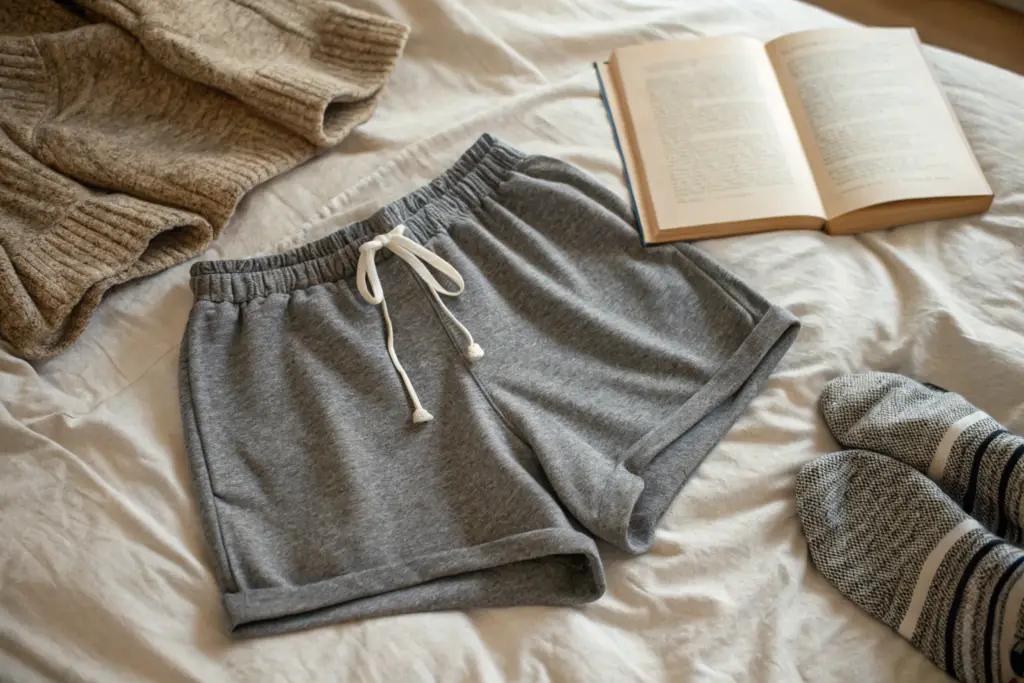
The drawstring French terry short is the loungewear champion. It is the short that was worn every day during the pandemic and never left. It is for the couch, the grocery run, the morning dog walk. It is comfort clothing. But in 2026, it is not just for inside the house. The premium French terry short has become an acceptable public garment. It is styled with a crisp white tee, clean sneakers, and a baseball cap.
This style is a volume driver. The fabric is knit, which is less expensive to produce per meter than a woven twill. The construction is simple. An elastic waistband, a drawstring, side pockets, and a plain hem. There are no zippers, no buttons, no complex pocketing. The manufacturing cost is low. The retail price can be surprisingly high for a premium version. A heavy, 400 GSM French terry short from a streetwear brand can sell for $80 or more.
The differentiation is in the fabric quality. A cheap French terry is thin, rough, and prone to shrinkage. A premium French terry is heavy, soft, and stable. The drawstring is another signal of quality. A flat, wide cotton drawcord with metal aglets feels expensive. A thin, round synthetic drawcord feels cheap.
What GSM French Terry Delivers the Best Perceived Value?
GSM stands for grams per square meter. It measures the weight and density of the fabric. A French terry with a weight of 330 to 400 GSM is considered heavyweight. It has a substantial, luxurious feel. It drapes heavily. It insulates without overheating.
We produce a 380 GSM French terry short for a Los Angeles brand. The fabric is a custom knit. The face is a smooth, tight jersey. The back is a looped terry. The loops are brushed for softness. The customer feels the weight immediately when they pick it up. The heavy weight communicates quality. The short also holds its shape. It does not stretch out at the knees. The waistband uses a thick, ribbed elastic inside a fabric tunnel. The elastic is 4 centimeters wide. A wide elastic distributes the tension and does not roll over. The French terry fabric weight directly impacts the customer's quality perception. A light 220 GSM short feels flimsy and cheap. The cost saving on the lighter fabric is not worth the brand damage.
Why Is the Drawstring Detail a Make-or-Break Feature?
The drawstring is the focal point of this short. It is right at the center front. A cheap drawstring ruins the entire garment. The material, the tip, and the stitching all matter.
We use a flat cotton drawcord, 1.5 centimeters wide. It sits flat against the body and ties in a neat bow. The ends are finished with metal aglets. We use a crimped metal aglet, not a plastic one. The metal aglet does not crack in the dryer. The drawstring channel is reinforced with a bartack at each side. This prevents the drawstring from ripping out of the waistband if pulled too hard. The drawstring length must be calculated carefully. Too long, and it hangs below the hem and looks sloppy. Too short, and it cannot be tied. We use a length that allows a 15-centimeter tail on each side after tying. The drawstring construction is a tiny detail that brands often overlook. The customer notices. It is one of the first things they touch when they put the shorts on.
The Mesh Athletic Short: The Performance Workhorse
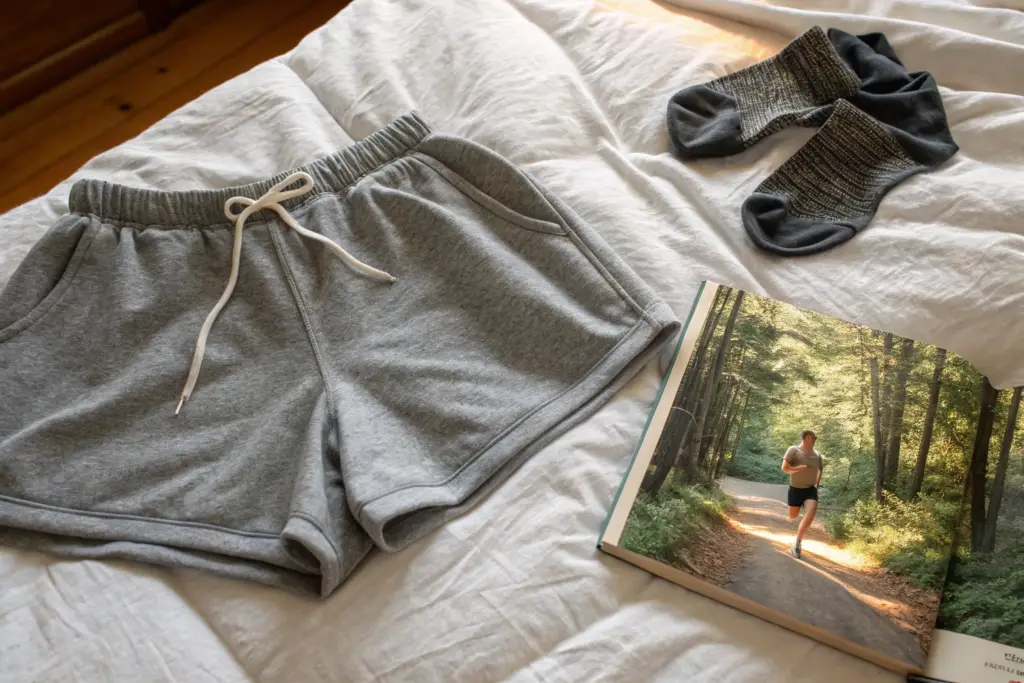
The mesh athletic short is the workhorse of the activewear category. It is sold to gyms, sports teams, college bookstores, and fitness brands. It is a high-volume, low-cost item. The basic design has not changed in decades: an elastic waistband, a brief liner or no liner, and side vents. It is pure function.
But the market has segmented. There is the basic mesh short for bulk orders and team uniforms. And there is the premium performance short for boutique fitness brands. The difference is in the fabric technology and the fit. A premium mesh short uses a recycled polyester mesh, has a bonded hem, and includes a zip pocket for a phone. The wholesale price for the premium version can be three times the basic version.
For a brand, the mesh short is a reliable replenishment item. Schools and teams reorder the same style every year. The sizing is forgiving. The unisex potential is high. The decoration options, like screen printing and embroidery, are easy and profitable.
How Does Recycled Polyester Mesh Meet the 2026 Sustainability Demand?
Sustainability is a purchasing criterion for a growing segment of consumers. The athletic wear customer is often young, active, and environmentally conscious. A mesh short made from 100% recycled polyester, certified by the Global Recycled Standard (GRS), is a selling point.
We source our recycled polyester yarn from a certified mill in China. The yarn is made from post-consumer plastic bottles. The mesh is knitted with tiny holes for breathability. The weight is 140 GSM, which is light and airy. The fabric is then dyed with a waterless dyeing technology. This reduces chemical and water waste. The finished short is lightweight, dries quickly, and carries a sustainability story. The brand can use this story in their marketing. This justifies a higher retail price. The cost premium for recycled polyester is about 10-15%. The retail price increase can be 20-25%. The margin is actually higher for the sustainable version. The recycled polyester certification must be verified. We provide the transaction certificate for every order. This protects the brand from greenwashing accusations.
What Is the Difference Between a Basic and a Premium Mesh Short?
The basic mesh short uses a standard polyester mesh, a simple elastic waistband, and an unfinished hem. The premium version uses a softer mesh, a jacquard elastic waistband with a tipped drawcord, and a laser-cut, bonded hem.
The bonded hem is a key differentiator. It eliminates the stitch line. This reduces chafing on the runner's thigh. It also looks modern and sleek. The side vent is a laser-cut slit, not an overlapping split. The pocket is a hidden zip pocket on the back waistband, large enough for a key or a credit card. The brief liner is made from a moisture-wicking, anti-odor fabric. We add a silver-ion antimicrobial treatment to the liner. This prevents the growth of odor-causing bacteria. The treatment is durable for 50 washes. A cheap basic short does not have these features. It retails for $25. The premium short retails for $65. The brand that sells the premium version makes more profit per unit and builds a stronger reputation for quality. The athletic short specifications should detail the mesh weight, the liner fabric, and the hem finish.
The Cargo Short: The Functional Classic That Refuses to Die
The cargo short has been declared dead by fashion magazines at least five times in my career. And every single time, our orders for cargo shorts have remained steady or increased. The cargo short is not a fashion item. It is a tool. It is for the dad at the barbecue who needs to carry his phone, his wallet, his keys, and a pacifier. It is for the hiker who needs a place for a map and a snack. It is for the worker who needs to carry small tools.
The cargo short customer is loyal. He does not care about the runway. He cares about utility. And he is willing to pay a fair price for a well-made pair. The cargo short is a reliable B2B seller. It moves consistently in middle America, in rural areas, and in the workwear and outdoor segments. It is a mistake for a brand that serves these demographics to drop the cargo short.
The modern cargo short has evolved. It is no longer the excessively baggy, knee-length style of the 1990s. The fit is trimmer. The leg is slightly tapered. The pockets are flatter. The fabric is a performance cotton ripstop, not a heavy canvas. It is a refined version of a classic utility garment.
What Pocket Construction Defines a Quality Cargo Short?
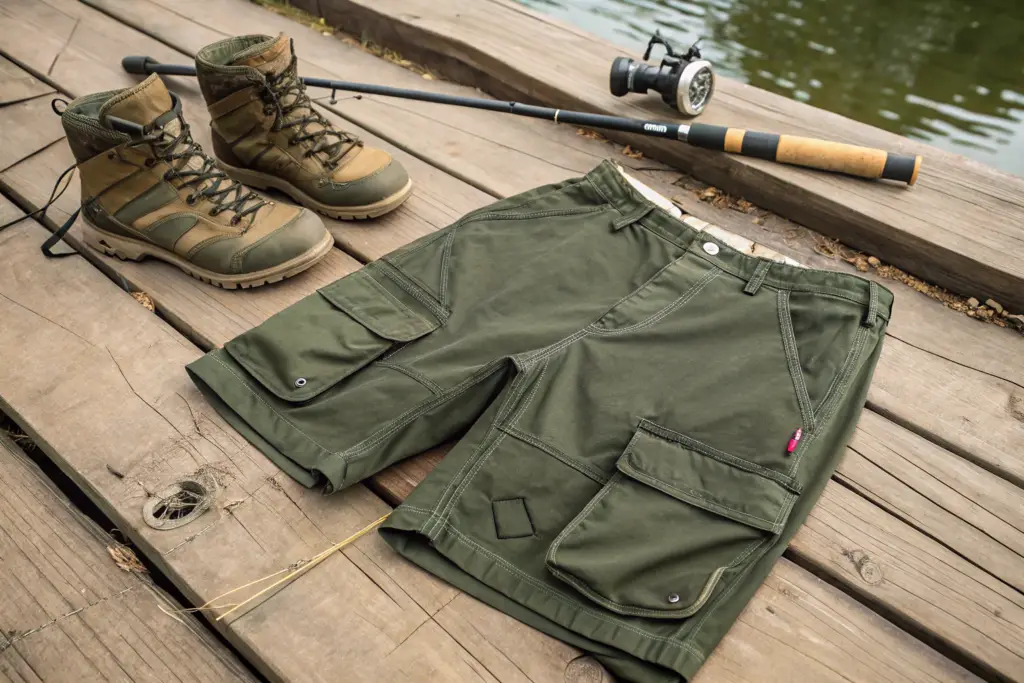
The cargo pocket is the soul of the garment. A cheap cargo pocket is a flat patch sewn directly to the leg. It bulges when filled. It looks like a tumor on the thigh. A quality cargo pocket is a bellows pocket. It has a pleat or a gusset that expands. It lies flat when empty and expands when full.
We sew our cargo pockets with a box pleat in the center. The pleat is reinforced with a bar tack at the top and bottom. The pocket flap is secured with two hidden snap buttons. The flap itself is lined with the shell fabric, not a cheap polyester. This gives the flap weight and body. It does not curl up after washing. The pocket is attached to the leg with a double-needle topstitch. This stitch is strong and decorative. The placement of the pocket is critical. It must sit on the mid-thigh, not on the knee. A pocket on the knee restricts movement and looks awkward. The cargo pocket construction guide is a document every tech designer should study. The details make the difference between a $35 cargo short and a $75 cargo short.
Why Has the Cargo Short Endured Despite Fashion's Rejection?
Fashion rejects the cargo short because it is not sleek. It is not minimal. It is not photogenic. But consumers buy it because it is useful. Utility is a permanent value proposition. It does not go out of style.
The cargo short also has cultural roots in military uniform, workwear, and outdoor gear. These are authentic, non-fashion sources of style. A garment that comes from a genuine need, rather than a designer's sketchbook, has a longer life. The cargo short is not a trend. It is a category. It serves a customer who prioritizes function. As long as that customer exists, the cargo short will sell. Brands that understand this serve the customer, not the fashion editor. The history of cargo pants and shorts is a story of functional design crossing over into civilian life. It is a story worth telling in your product descriptions.
The Elastic-Waist Walking Short: The Easy Everyday Choice
The elastic-waist walking short is the most democratic garment on this list. It requires the least amount of body confidence. It forgives the most physical variation. It is the short for the golf course, the Sunday stroll, the travel day, and the casual Friday. It is the short that a customer buys when they do not want to think about their clothing.
This style is a significant portion of the mature men's and women's market. The elastic waist accommodates a belly. The relaxed leg accommodates thighs. The lightweight fabric keeps the wearer cool. It is not fashionable in any cutting-edge sense. It is comfortable. And comfort is the primary purchasing driver for a large, underserved segment of the market.
The walking short is often overlooked by younger, trend-focused brands. This is a mistake. The demographic that buys this short has disposable income. They are loyal when they find a product that fits. They buy in multiples. The manufacturing is straightforward, which means a strong margin.

What Fabric Technology Makes a Walking Short Truly Functional?
A walking short needs to perform in motion and in heat. The ideal fabric is a nylon-spandex blend with a durable water repellent (DWR) finish. The nylon is lightweight and abrasion-resistant. The spandex provides stretch. The DWR sheds light rain and stains.
We produce a walking short for a travel brand. The fabric is a 140 GSM nylon with 12% spandex. It has a four-way stretch. It weighs almost nothing. It packs into its own pocket. The waistband is a full elastic with an internal drawstring. The pockets are mesh, for drainage and breathability. The hem has a side vent for stride. This short sells for $68 retail. The customer buys it for a summer trip to Europe. He walks 10 miles a day in it. He washes it in the hotel sink. It dries by morning. This performance creates a brand evangelist. He tells his friends. He writes a five-star review. The technical fabric for travel shorts is a growing niche. The customer expectations are high. The short must deliver on its technical promises. A DWR finish that fails after three washes will result in returns. We test the DWR with a spray rating test (AATCC 22) after five washes. The rating must stay above 80.
Why Is an Elastic Waistband a Medical Necessity for Some Consumers?
This is not a minor point. For men and women with certain medical conditions, such as a colostomy bag, an insulin pump, or significant abdominal sensitivity, a rigid waistband with a button is painful or impossible. An elastic-waist short is a garment they can actually wear.
This is a community of consumers who are actively looking for adaptive or comfort-driven clothing. They share product recommendations in online groups. A brand that offers a well-made, normal-looking elastic-waist short can earn intense loyalty from these customers. We manufactured an elastic-waist chino short for an adaptive clothing brand. The outside looked like a classic chino short. The inside had a full elastic waist with a flat front facing. The button and zipper were non-functional, for visual appearance only. The brand sold this short at a premium price. The customer need was specific and real. The adaptive clothing market is an important consideration for a brand that wants to be inclusive and serve an overlooked customer base.
The Tailored City Short: The Polished Urban Option
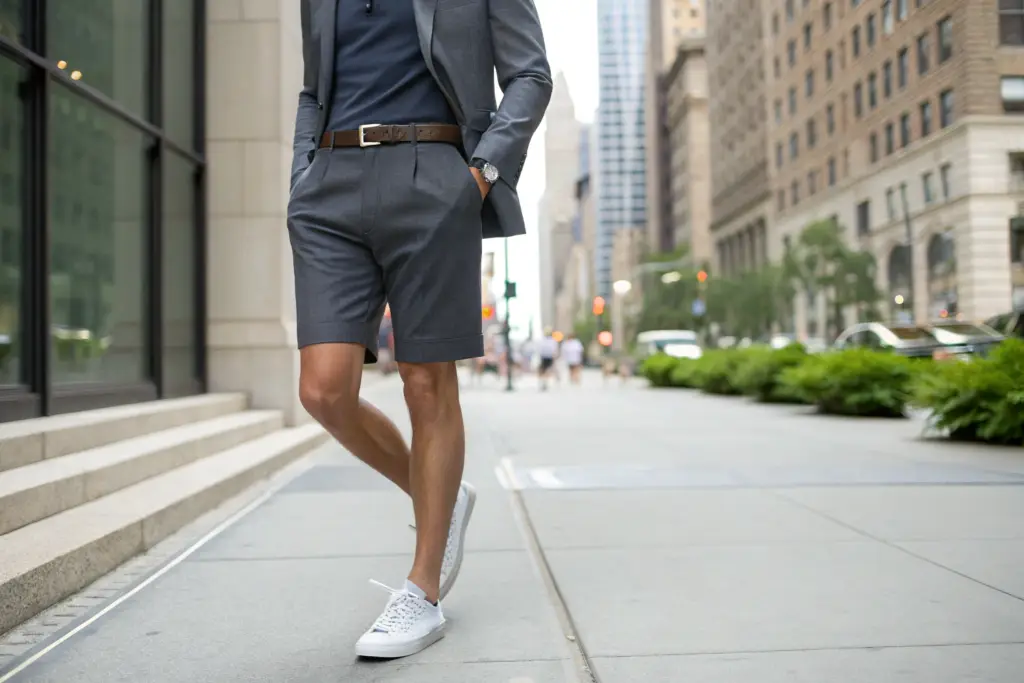
The tailored city short is the dress pant of shorts. It is for the man or woman who wants to look sharp in the summer heat without wearing a full suit. It is worn to rooftop bars, art gallery openings, and business-casual lunches. It is a city-dweller's uniform. The fabric is a crisp cotton-sateen or a technical suiting material. The fit is slim and clean. The details are tailored: a hook-and-bar closure, a sharp center crease, and side adjusters instead of a belt.
This style is the fastest-growing segment in our production for boutique menswear brands. The customer is style-conscious, urban, and willing to pay for quality. The tailored city short commands a retail price of $100 or more. It requires precision manufacturing. The center crease must be permanent. The front fly must lie completely flat.
The tailored city short is not a volume driver. It is a margin driver and a brand image builder. It signals that a brand understands refined, modern menswear. It attracts a customer who will also buy the brand's shirts and trousers.
What Are the Key Tailoring Details That Justify a Premium Price?
The tailored city short uses a constructed waistband with a curtain lining. The curtain is a piece of fabric that hides the inner waistband construction. It is a mark of a formal trouser. The fly is an extended tab closure with a metal hook and bar. There is no visible button.
The pockets are on-seam, set into the side seam with a precise angle. The back pockets are double-welt pockets with a button-through closure. The hem is cuffed with a hidden blind stitch. The center crease is permanently heat-set. These details require skilled operators. They cannot be made on a basic production line. The factory must have experience in tailored trousers. The cost is higher. But the retail price is significantly higher. The margin per unit is excellent. The tailored city short also photographs beautifully. It looks expensive online. This drives a higher conversion rate. The tailored shorts construction is a technical achievement. It is a point of pride for a factory like Shanghai Fumao.
Why Is the City Short a Social Media and Influencer Favorite?
The tailored city short is highly Instagrammable. It looks great in a flat lay. It looks great on a well-dressed influencer. It is a key piece in the "quiet luxury" and "old money" aesthetics that dominate fashion social media.
A brand that stocks a well-made city short can easily get user-generated content. Customers will take pictures of their outfits and tag the brand. The short is a conversation starter. It signals membership in a style tribe. The brand benefits from organic reach. This is free marketing. The product's visual appeal is a competitive advantage. A simple cargo short does not generate the same social media buzz. The city short is a content asset as well as a revenue product. The quiet luxury trend is still strong. The tailored city short fits perfectly into this narrative.
Conclusion
This list of ten classic shorts styles is a blueprint for a profitable, low-risk bottoms assortment. The Flat-Front Chino Short anchors the program with volume and reliability. The Pleated Trouser Short and High-Waisted Linen Short capture the premium, elevated customer. The Denim Cutoff and Cargo Short serve the casual, authentic, utility-driven segments. The Stretch Bermuda Short and Elastic-Waist Walking Short provide coverage and comfort for the underserved modest and mature markets. The Drawstring French Terry Short and Mesh Athletic Short dominate the comfort and performance categories. The Tailored City Short captures the fashion-forward, high-margin urban customer.
Together, these ten styles cover the entire spectrum of consumer need. They are not trends. They are categories. They have survived decades of market change. They will survive the next decade. A brand that stocks these styles, in quality fabrics with good construction, will have a stable summer revenue stream. The customer will find what they are looking for. They will buy multiple pairs. They will return next season.
At Shanghai Fumao, we manufacture every single style on this list. We have the patterns, the fabric sources, and the QC processes ready. We can help you build an initial assortment that matches your brand's target customer. We can advise on color palettes, size curves, and order quantities. If you are planning your summer shorts buy, reach out to our Business Director, Elaine, at elaine@fumaoclothing.com. We will send you our comprehensive fabric swatch book and a sample set of the styles that interest you. Let us build a classics program that keeps your inventory turning and your customers coming back.