You sit in a buying meeting with your team. The trend forecaster shows slides of runway looks. She suggests micro-mini leather shorts and neon bike shorts. Your buyer instinct tightens. You remember last year's bet on a trendy style. It sold fast for two weeks, then stopped dead. You marked it down. You lost margin. Now you have a blank order sheet and a healthy open-to-buy budget. You need inventory that turns. You need styles that sell through at full price, month after month, year after year. You need the backbone pieces. You need the styles that never die. The pressure is on you to place the right bet. Your job depends on it. Your company's cash flow depends on it.
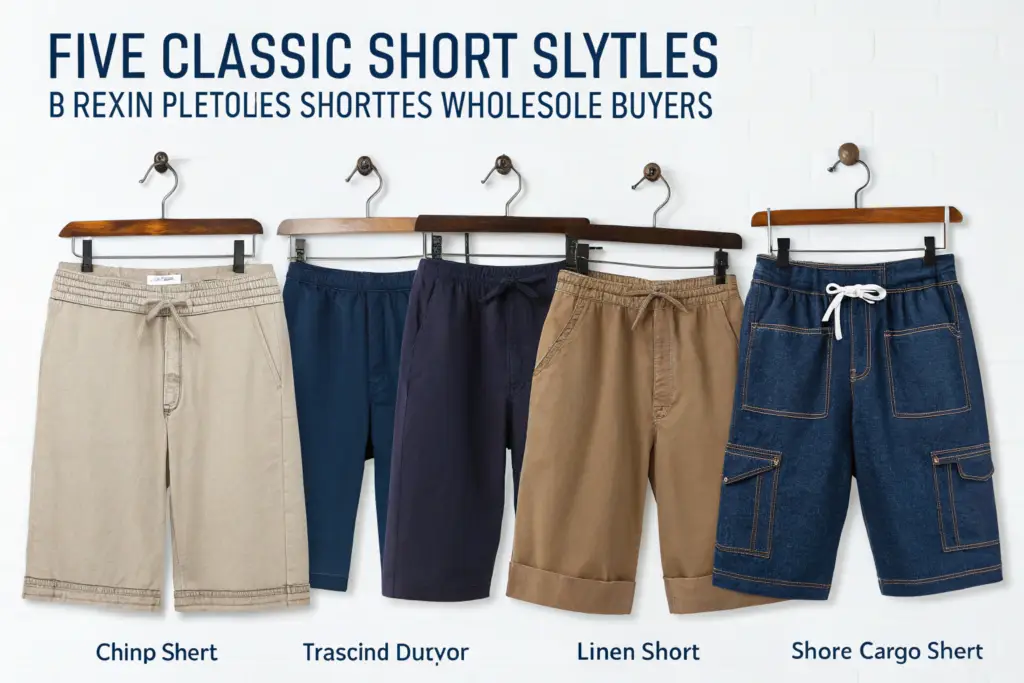
The shorts styles that never go out of fashion for wholesale buyers are the Chino Short, the Denim Cutoff, the Tailored Linen Short, the Drawstring Athletic Short, and the Cargo Short. These five styles form a stable, evergreen core. They are not immune to subtle shifts in proportion and fabric, but their fundamental silhouettes survive every trend cycle. A wholesale buyer who builds orders around these five styles minimizes inventory risk and maximizes gross margin return on investment (GMROI). They are the safest large-volume bets in the shorts category.
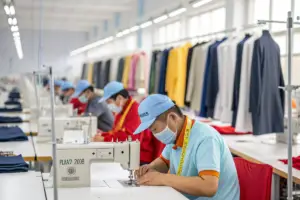
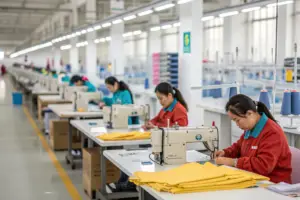
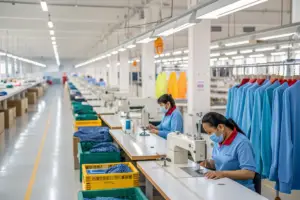
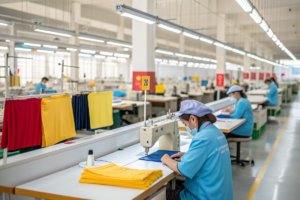
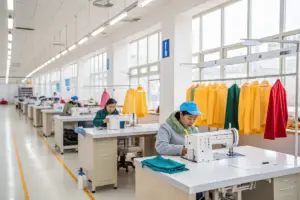
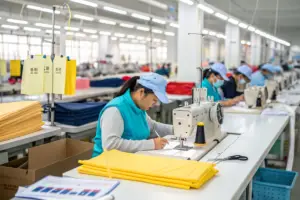
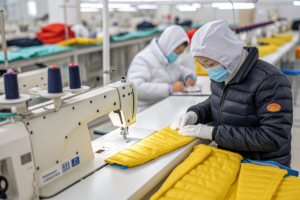
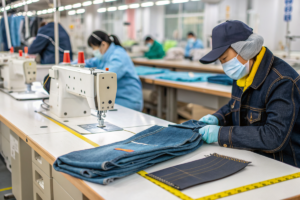
I have watched these styles anchor our production lines at Shanghai Fumao for years. I have seen cargo shorts declared "dead" by fashion magazines, only to see our B2B orders for them increase by 20% the same season. The wholesale market operates on a different logic than the editorial market. Real customers, in real cities, need real shorts. They need them for work, for weekends, for vacation. They are not chasing a dopamine hit from a weird hemline. They are looking for a reliable garment. Let me show you exactly which styles deserve your open-to-buy dollars and why.
Why Is the Chino Short the Undisputed King of Wholesale Stability?
I recall a conversation with a buyer from a large Midwest department store chain. He showed me his shorts buy plan. The chino short was 40% of his total open-to-buy for men's bottoms. I asked him why. He said, "I can sell a khaki chino short to an 18-year-old going to graduation and a 60-year-old going to a golf tournament. Name another style that does that." He is right. The chino short is a universal donor. It is the most versatile item a man or woman can own. The cotton twill fabric holds color beautifully. The flat-front design looks clean. The simple pocket structure works. It is the baseline garment.
The wholesale power of the chino short lies in its repeat purchase rate. A customer buys the classic khaki. Then they buy the navy. Then they buy the olive. The style does not change. The color palette expands. For a wholesale buyer, this means you can reorder the same style code season after season. You only change the colorway. This simplifies inventory management. It makes demand forecasting more accurate. Let's examine the specific components that make this style so commercially bulletproof.
What Are the Exact Specifications of a Wholesale-Ready Chino Short?
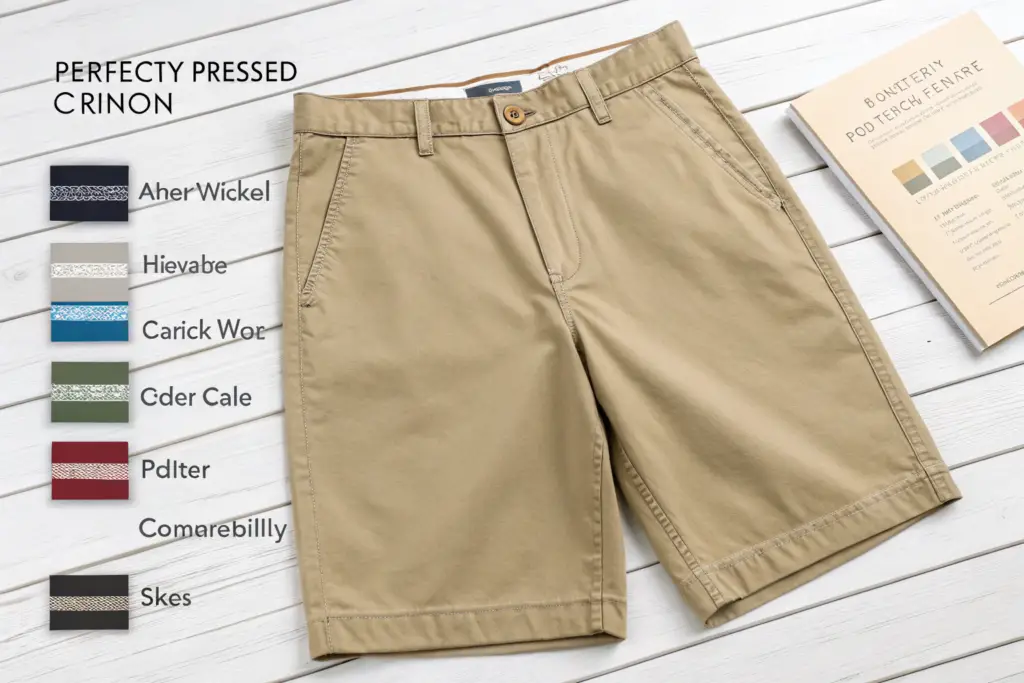
A wholesale-ready chino short is not a generic term. It is a specific set of technical specifications. The fabric must be a 100% cotton twill, or a cotton-spandex blend with no more than 2% elastane. The weight must sit between 260 and 300 GSM. The finishing must include a clean, wrinkle-resistant treatment. The inseam for men should be 7 or 9 inches. For women, it should be 4 or 5 inches.
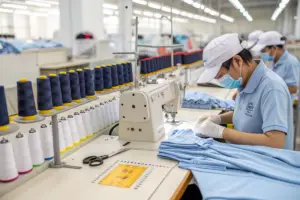
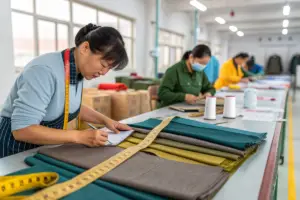
I remember a buyer from an e-commerce brand who tried to cut costs. He ordered a chino short with a 200 GSM twill. It was lighter. It was cheaper per yard. But the fabric had no body. It wrinkled in the package. The online reviews were brutal. "Looks like pajamas." He came back to us and ordered the proper 280 GSM weight. His return rate dropped by 15 percentage points. The slub of the yarn, the density of the weave, the precision of the enzyme wash. These are not negotiable. At Shanghai Fumao, we pre-shrink our twill at the roll level. We use a sanforizing process. This controls residual shrinkage to under 2%. We use a YKK zip fly and a double-welt back pocket. The stitch density is 10-12 stitches per inch. This fabric specification standard ensures the short looks structured on a hanger and on a body. It commands a full retail price.
How Does a Neutral Color Palette Ensure Year-Round Wholesale Movement?
Color is a risk. A neon green chino short is a gamble. A classic khaki, stone, navy, olive, and black palette is a certainty. These colors do not clash with the existing tops in a customer's closet. They anchor an outfit. They hide dirt. They look expensive.
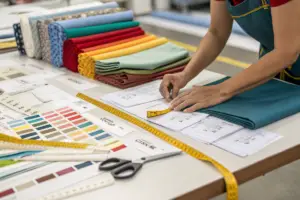
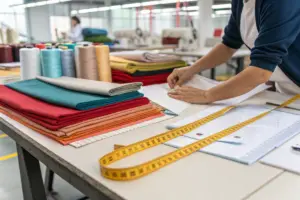
We supply a workwear brand in the Pacific Northwest. Their top-selling chino short colors have not changed in five years: dark navy, dark olive, and a sandy tan. They experiment with one seasonal color, like a dusty rose or a faded terracotta. That seasonal color is 10% of the buy. The core colors are 90%. This is a smart risk ratio. The core colors sell to every demographic. The seasonal color sells to the fashion-forward customer who already owns the core colors. This strategy protects the wholesale margin. Dead stock is almost always the seasonal color. The core colors clean out. I advise all my wholesale clients to view color as a portfolio. The majority of the investment goes into low-volatility, high-liquidity neutral colorways. A small percentage goes into high-risk, high-reward accents. The chino short is the perfect vehicle for this color strategy.
Can Denim Cutoffs Ever Truly Disappear from a Wholesale Lineup?
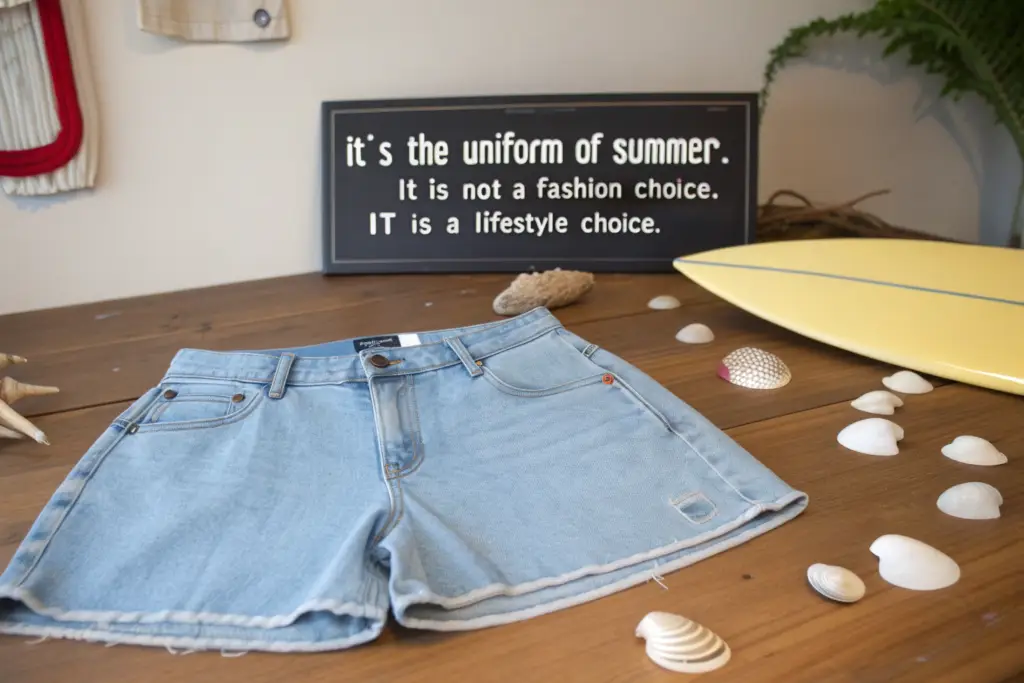
Denim cutoffs are a strange beast. They are a classic. They are also a trend item every few years. But they never actually leave the sales floor. I spoke with a buyer from a California surf brand. He told me that his denim cutoff program is his most stable performer. "It's the uniform of summer," he said. "It is not a fashion choice. It is a lifestyle choice." This is an important distinction. A denim cutoff is not about the runway. It is about music festivals, backyard barbecues, and beach days. It is woven into the fabric of American summer culture. It cannot be displaced by a tailored trouser short.
The wholesale advantage of the denim cutoff is its durability and its price point. The raw hem requires no finished hemming. This saves one step in the manufacturing process. The fabric is denim, which gets better with age. The customer expects it to look worn. This means returns for "color fading" are rare. This is a low-maintenance SKU. But there are technical choices that separate a high-margin denim short from a problem. Let's dissect those choices.
What Denim Weight and Stretch Ratio Sells Best at Wholesale?
The denim weight is the first critical decision. A heavy 14-ounce denim feels authentic. But it is stiff and hot. A light 8-ounce denim feels flimsy. The sweet spot for a unisex cutoff is a 10 to 12-ounce denim. The fiber composition is the second decision. A 100% cotton rigid denim is the most authentic. It holds the raw hem shape. But it has no forgiveness. A 98% cotton, 2% elastane blend provides a comfortable micro-stretch. This stretch dramatically reduces returns due to sizing issues.
We manufacture a denim cutoff for a Nashville-based brand. They use a 11.5-ounce stretch denim. The shade is a medium indigo wash with subtle hand sanding on the thighs. We do not use harsh potassium permanganate sprays. We use a gentle enzyme wash with pumice stones. This gives a lived-in look without weakening the cotton fibers. The brand owner told me his return rate on this style is under 3%. That is remarkable for an online clothing business. The key is the balance of stretch and recovery. The denim must stretch to accommodate the thigh when sitting. It must snap back when standing. We test the stretch recovery after 30 minutes of extension. It must return to within 5% of its original dimension. This denim fabric testing is a step that generic factories often skip. You must specify it in your tech pack.
Why Is the Raw Hem Detail a Perennial Selling Point?
The raw hem is the defining feature of a cutoff. It is the signal that this short is casual, relaxed, and personal. A finished hem on denim shorts looks like a kids' school uniform. A raw hem looks like summer. The fraying edge is a textural detail that adds visual interest. It also solves a fit problem. The wearer can trim the frayed threads to their exact desired length.
However, a badly executed raw hem is a nightmare. It unravels up the leg. The threads come loose in the wash and clog the machine. We secure the raw hem with a chain stitch 1 centimeter above the raw edge. This stitch acts as a stop point. The fraying can only happen below this stitch line. The denim will not unravel into a full pant leg. This is a small production detail that has a huge impact on the customer experience. A brand we supply in Los Angeles includes a small card with each pair. It says, "Your hem will fray naturally over time. This is by design. Trim any long threads with scissors." This educates the customer. It turns a potential defect into a design feature. The raw hem finish is a powerful wholesale tool because it justifies a premium price point with a simple manufacturing technique. The perceived value is high. The labor cost is low. This is the definition of a profitable SKU.
How Does the Tailored Linen Short Maintain Its Premium Wholesale Status?
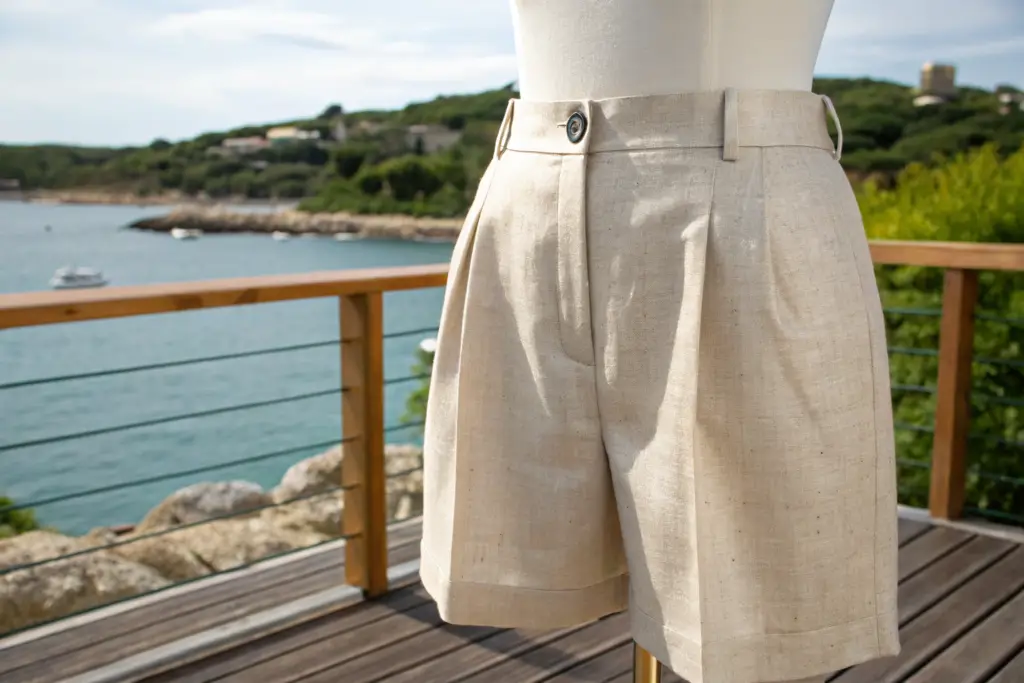
The tailored linen short is the aristocrat of the category. It does not compete on price. It competes on texture, drape, and a sense of quiet luxury. I spoke with the owner of a resort wear boutique in Nantucket. She told me that her customer walks in looking for "something to wear to dinner by the water." The tailored linen short is the answer. It is not a basic. It is a destination piece. It signals that the wearer is on vacation, in a good mood, and has a sense of refined taste.
This style commands a higher wholesale price because the raw material is expensive and the manufacturing is demanding. Linen is a tricky fiber. It wrinkles. It shrinks. It frays. A poorly made linen short looks like a crumpled paper bag. A well-made linen short looks like a piece of art. The wholesale buyer who masters this category owns a high-margin, high-loyalty niche. Let's examine the specific features that justify the premium price.
What Are the Ideal Linen Blend Ratios for Wholesale Success?
Pure 100% linen is a purity test. It is also a commercial risk. It wrinkles so aggressively that it can look sloppy by the time the wearer arrives at the restaurant. A linen blend solves this problem while preserving the texture and breathability. A ratio of 55% linen and 45% cotton, or 70% linen and 30% viscose, is the commercial sweet spot.
We developed a linen-viscose blend short for a client in Charleston. The viscose adds weight and fluidity. It reduces the sharp creasing of pure linen. The fabric is a 170 GSM weight, which is light enough for humid heat but opaque enough to not show pocket bags. The crosshatch slub texture is fully visible. It screams "linen." But the performance is more forgiving. The client sells this short for a retail price of $98. It sells out every season. The blend ratio is a trade secret for many brands. They market it as "European linen" without specifying the blend. You, as a buyer, need to know the fabric composition intimately. The blend ratio affects the shrinkage, the color absorption, and the hand feel. A higher viscose content means less wrinkling but a slightly shinier surface. A higher cotton content means a more matte finish but more creasing. You must balance the aesthetic with the practical reality of your customer's lifestyle.
Why Is the Elastic Waistband a Critical Feature for This Category?
The tailored linen short often incorporates an elasticated back waistband. This seems contradictory. Tailoring implies structure. Elastic implies comfort. But the combination is genius. The flat front maintains the clean, formal look for tucking in a blouse. The elastic back provides 2-3 inches of flexible comfort for sitting and eating.
This feature dramatically reduces size-related returns. A rigid waistband must fit perfectly. If the customer's weight fluctuates slightly, the short is uncomfortable. The elastic back accommodates this fluctuation. It also makes the short more inclusive. A single size can comfortably fit a range of waist measurements. For a wholesale buyer, this means you can carry fewer size SKUs. You can stock a Small, Medium, Large, and Extra Large instead of numeric waist sizes 4, 6, 8, 10, 12. This consolidates inventory. It reduces your stock-keeping complexity. At Shanghai Fumao, we use a high-quality woven elastic for the back waist. It does not roll. It does not lose its stretch after washing. We secure it with a multi-stitch channel. The elastic is encased in the shell fabric, not exposed. This maintains the premium look. A comfort waistband construction is a selling feature that retailers can use on the sales floor. The customer pulls on the shorts and feels instant comfort. That tactile moment closes the sale.
What Makes the Drawstring Athletic Short a Quiet Wholesale Powerhouse?
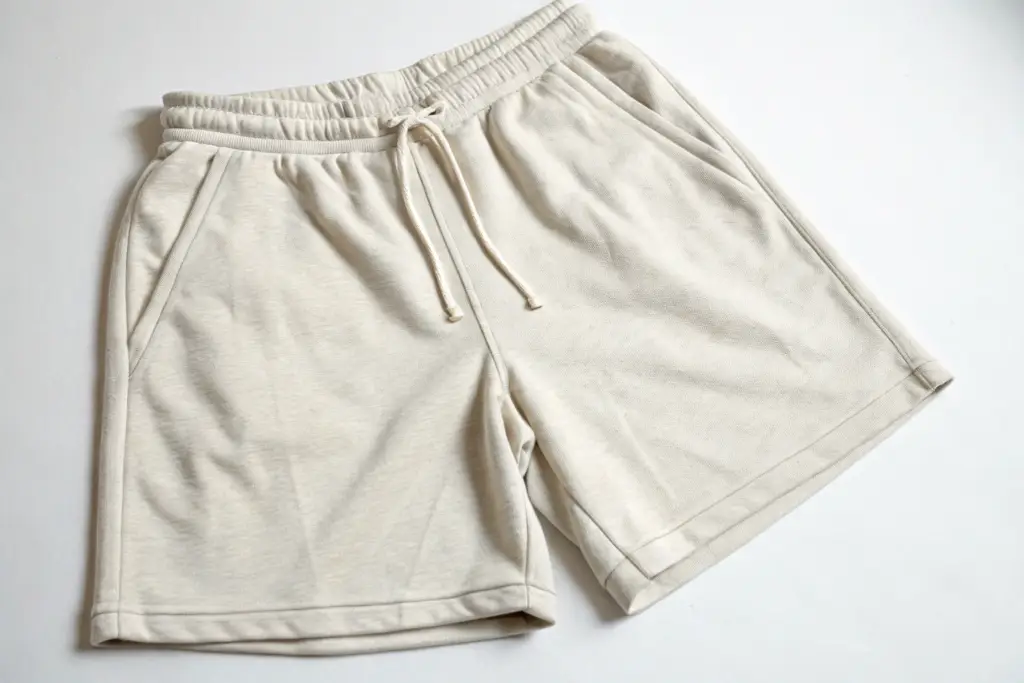
The drawstring athletic short is the silent giant of the wholesale industry. It does not get magazine covers. It does not get runway shows. But it moves in massive volume. It is the uniform of the gym, the couch, the grocery run, and the college campus. I analyzed our production data at Shanghai Fumao. During the pandemic, our athletic short volume overtook chino shorts. It has stayed there. The world has shifted to a more casual, comfort-first mode of dress. The athletic short is the beneficiary of this permanent shift.
This category is driven by fabric innovation and brand logo placement. The silhouette is almost irrelevant. It is a simple short with an elastic waist and a drawstring. The value is in the material. The wholesale buyer who understands French terry, mesh, and performance knits can build a massive business. Let's break down the two key sub-categories that drive wholesale volume.
How Does French Terry Fabric Dominate the Premium Athletic Short Market?
French terry is a knit fabric with loops on the inside and a smooth face on the outside. It is the material of a premium sweatshirt. When used for shorts, it creates a product that is heavy, soft, and luxurious. It is the anti-mesh. Mesh is lightweight and breathable. French terry is substantial and comforting.
We produce a heavy French terry short for a streetwear brand in Los Angeles. The fabric is a 400 GSM 100% cotton French terry. The shorts are expensive to ship because of the weight. But they sell at a retail price of $85. The customer perceives the weight as quality. The loops on the inside trap air. This makes the short cozy but not too hot. The face side can be printed with the brand's logo. We use a puff print technique that raises the ink off the fabric. This adds a premium, tactile dimension. The drawstring is a thick, flat cotton cord with metal aglets. Every detail reinforces the message of luxury. This product is not for the gym. It is for the lifestyle. The French terry fabric guide is essential reading for any buyer entering this space. You need to specify the loop density, the face yarn count, and the shrinkage target. A cheap French terry short will shrink lengthwise. It will become a crop top short. This is a disaster. We pre-wash our French terry fabric in industrial machines before cutting to prevent this.
Why Is the Unisex Fit a Key Wholesale Strategy for Athletic Shorts?
The athletic short is the most gender-neutral garment in the shorts category. A 5-inch inseam mesh short works for men and women. The drawstring waist adjusts to different hip-to-waist ratios. This unisex capability is a wholesale superpower. It cuts the SKU count in half. You do not need separate men's and women's inventory.
A client of ours runs a fitness brand. He sells a unisex 7-inch mesh running short. He stocks sizes XS through XXL. He markets the same product page to everyone. His inventory management is simple. His sell-through is high because the product fits a wide range of bodies. The key to a successful unisex fit is the crotch curve. A men's short typically has a longer front rise. A women's short has a deeper back rise to accommodate the hip curve. A unisex short must find a middle ground. We use a moderate 11-inch front rise and a 14-inch back rise for a size medium. This works for most bodies. We also use a flat, non-elastic drawcord. An elastic drawcord creates a gathered, messy look. A flat drawcord creates a clean, tailored look. This makes the short appropriate for wearing outside the gym. The unisex sizing movement is not a trend. It is a structural shift in how brands think about inventory risk. The athletic short is perfectly positioned for this shift.
Conclusion
The shorts styles that never go out of fashion are not a secret list. They are the Chino, the Denim Cutoff, the Tailored Linen, and the Athletic Short. These styles have survived decades of trend cycles because they are functional, flattering, and culturally embedded. They are not immune to subtle evolution. The inseam shifts slightly. The fabric blends improve. But the fundamental identity of each style remains intact. A chino short is always a chino short. A denim cutoff is always a denim cutoff. A wholesale buyer who builds a buy plan around these four pillars is not gambling. They are investing in proven, liquid inventory.
The risk in wholesale buying is not in buying classics. The risk is in buying too much of a seasonal variation. The risk is in the neon pink chino, not the khaki one. The risk is in the shredded denim with extreme destruction, not the simple raw hem. The smart buyer anchors the budget in the core. They use a small portion of the budget for tests. This is the strategy that keeps a business solvent through the unpredictable summer season.
At Shanghai Fumao, we have built our entire production model around these evergreen styles. We keep greige fabric inventory for chino twill, denim, and French terry. We can cut and sew repeat orders in under 30 days. We can provide these core styles at a price point that leaves room for your margin. We do not just manufacture. We consult on fabric choices, color ratios, and size curves. If you are planning your next wholesale buy, I invite you to contact our Business Director, Elaine, at elaine@fumaoclothing.com. Tell her the categories you are targeting. She will prepare a fabric swatch book and a costing sheet for you. Let us build a program of shorts that will never let your inventory gather dust.