You have a design vision that goes beyond placing your logo on a standard blank. You want a distinctive sleeve silhouette that no other brand has. You want a custom-developed fabric with a texture that cannot be found in any mill catalog. You want hardware that is shaped like your brand icon, not chosen from a supplier’s standard options. You contact factories and describe your vision. Most respond with a variation of the same answer: "We can do your logo on our standard styles. What color would you like?" Your vision shrinks to fit their capability. Your brand looks like every other brand that sources from the same factory.
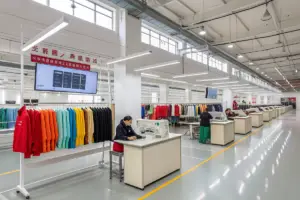
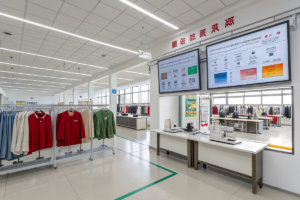
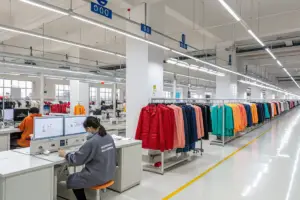
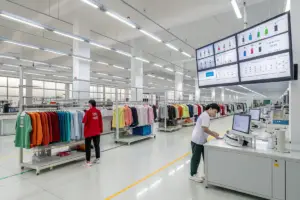
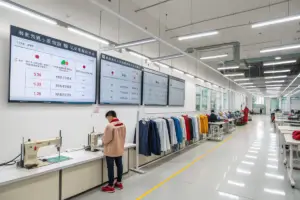
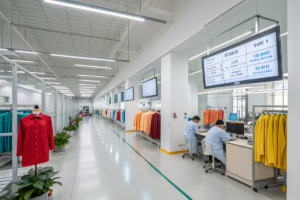
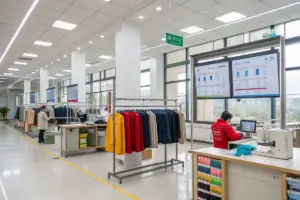
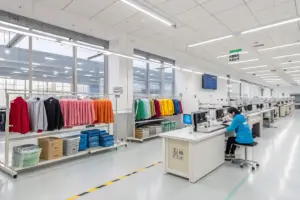
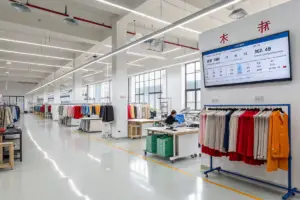
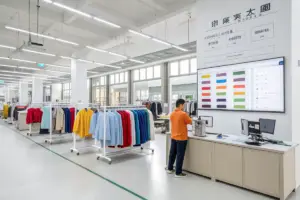
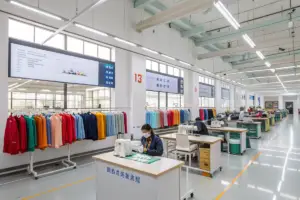
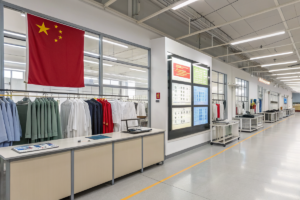
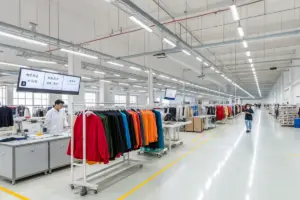
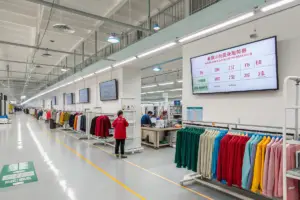
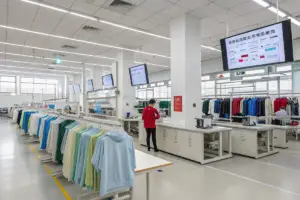
A top Shanghai garment factory like Shanghai Fumao offers customization options for rare style apparel that extend across the entire product development spectrum: custom textile development including engineered jacquards, specialty dye techniques, and proprietary fabric blends; structural garment engineering including unique silhouette development, specialty seam construction, and innovative closure systems; artisanal embellishment including hand-smocking, specialty pleating, and mixed-media surface treatments; and custom trim and hardware development including engineered buttons, specialty zipper pullers, and custom-developed labels and badges. These capabilities transform a factory from a production vendor into a creative manufacturing partner.
At Shanghai Fumao, our rare style customization capabilities have been built over years in response to designers and brands who refused to compromise their vision. They came to us with sketches that other factories said were impossible. We treated those sketches as engineering challenges, not rejections. Let me walk you through the specific customization dimensions that separate a true rare-style manufacturing partner from a logo-on-a-blank operation.
How Does Custom Textile Development Create Truly Exclusive Garments?
Most garment factories source fabric from mills. They select from existing swatches. They do not create new textiles. A factory that develops custom textiles creates a level of exclusivity that cannot be replicated by competitors who buy from the same mill catalogs. The fabric itself becomes a proprietary brand asset, as distinctive as the logo on the label and far harder to copy.
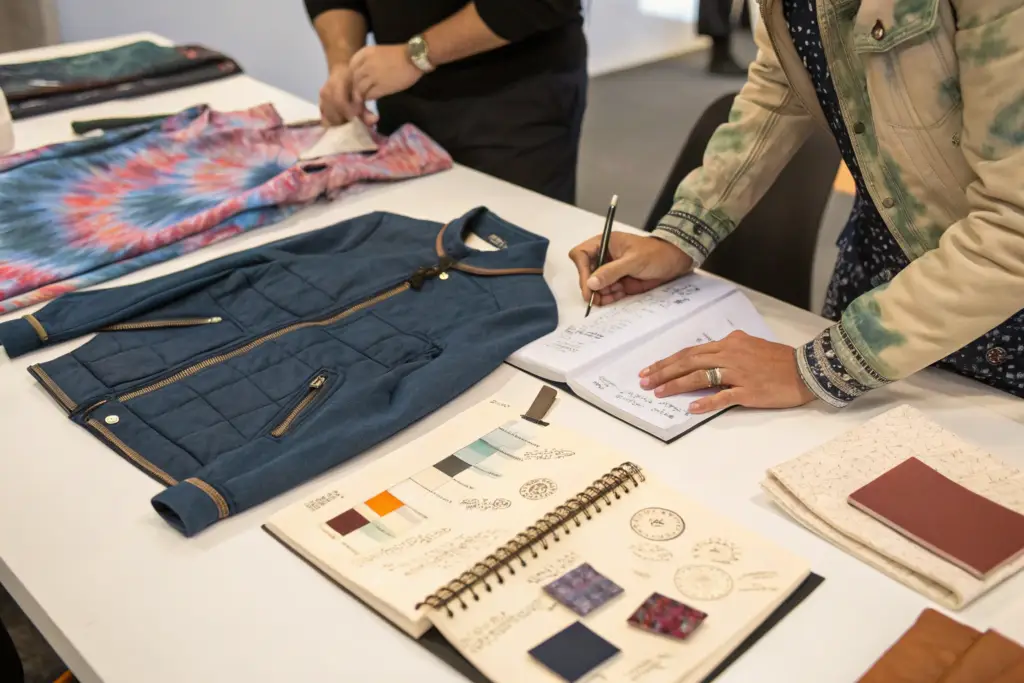
Custom textile development at Shanghai Fumao encompasses engineered jacquard weaving where brand-specific patterns are woven directly into the fabric structure rather than printed on the surface, specialty dye and finishing techniques including garment dyeing, pigment spray, tie-dye, ombre dip-dye, and enzyme washes that create unique color effects, proprietary fabric blends developed to achieve a specific hand feel, drape, or performance characteristic that cannot be sourced off-the-shelf, and textured fabric effects including cloqué, seersucker, burnout, and embossed finishes that add tactile dimension. Each of these capabilities allows a brand to own its fabric, not just its logo.
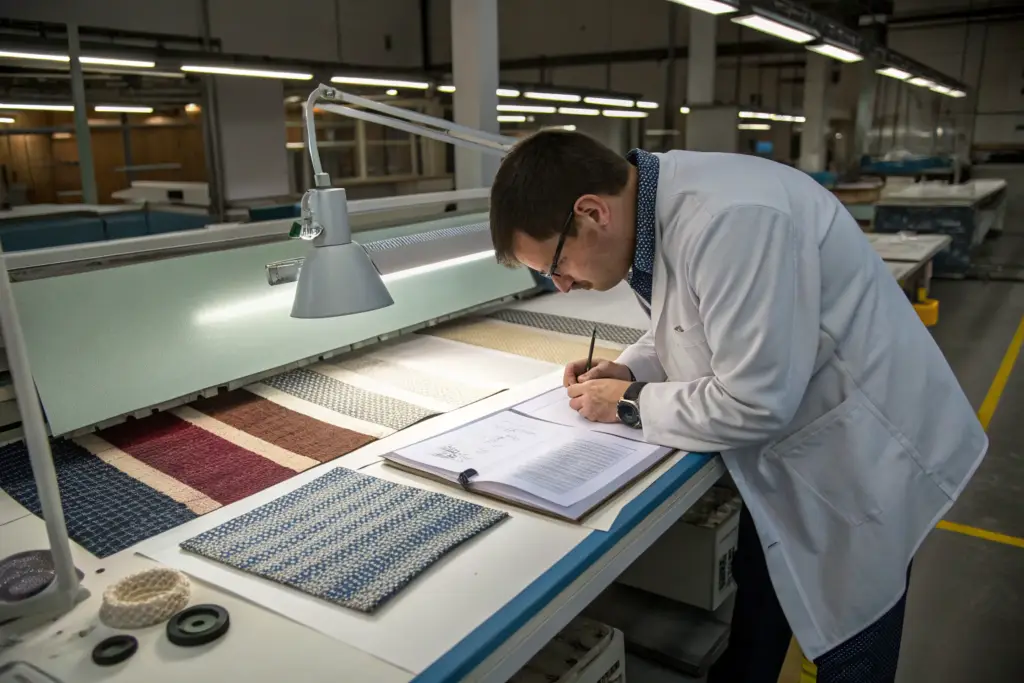
What Is the Process for Developing a Custom Jacquard or Dobby Weave?
A custom jacquard or dobby weave incorporates the brand’s design directly into the fabric’s woven structure. The pattern is not printed on the surface. It is built from the yarns themselves. This creates a texture, depth, and permanence that printing cannot achieve. A brand that develops a custom jacquard for their signature blazer owns a fabric that no competitor can source from an open market mill.
The process begins with the brand’s design concept. The pattern is digitized and mapped to the capabilities of the jacquard loom. Yarn types, colors, and densities are specified. A sample blanket is woven, typically showing several pattern variations and color combinations. The brand reviews the blanket and selects the final combination. A production sample length is woven, finished, and tested for shrinkage, colorfastness, and durability. The fabric then enters production for the brand’s exclusive use. We recently developed a custom jacquard for a women’s occasion wear brand. The pattern incorporated their brand monogram into a geometric floral repeat. The fabric was woven in a silk-viscose blend with a subtle luster. The brand uses this fabric across multiple seasons as their signature textile. It has become instantly recognizable to their customers. This custom jacquard fabric development is a multi-week process that requires specialized equipment and expertise, which is why most factories do not offer it.
How Do Specialty Dye Techniques Create One-of-a-Kind Garment Effects?
Standard fabric dyeing produces a uniform, solid color. It is consistent, predictable, and widely available. Specialty dye techniques produce garments with unique, often unrepeatable color effects that make each piece subtly different. These techniques appeal to brands that compete on artistic expression rather than price.
Our specialty dye capabilities include garment dyeing, where finished garments are dyed after construction for a soft, lived-in color with subtle variations at the seams; pigment spray, where color is applied to the garment surface in a controlled spray pattern for a dimensional, uneven effect; tie-dye, executed with precision to achieve specific pattern effects rather than random results; ombre dip-dye, where garments are partially immersed in dye to create a graduated color transition; and enzyme washing, which uses biological enzymes to create a worn, vintage appearance and an exceptionally soft hand feel. Each technique is performed in our finishing facility with controlled processes that ensure the effect is intentional, not accidental. A streetwear brand we serve uses our pigment spray technique on their premium hoodie line. Each hoodie has a slightly different spray pattern, making every piece subtly unique. This controlled variation is part of the brand’s value proposition. This specialty dye and finishing techniques capability allows brands to offer products with artistic dimension that mass-market competitors cannot replicate.
What Structural Garment Engineering Creates Signature Silhouettes?
A brand’s signature silhouette—the shape that makes their garments instantly recognizable—is created at the pattern level. It is not a decoration applied to a standard shape. It is the shape itself. Achieving a distinctive silhouette requires pattern-making expertise that goes beyond standard blocks and conventional seam lines. It requires a factory that treats pattern engineering as a creative discipline, not a technical transcription of a sketch.
Structural garment engineering for rare style apparel includes signature silhouette development where unique proportions, volumes, and shapes are engineered from the brand’s creative direction, unconventional seam placement where seam lines become design features rather than hidden necessities, innovative closure systems including wrapped buttons, asymmetric plackets, architectural zipper placements, and hybrid closure methods, and sculptural construction techniques including origami folding, bias manipulation, and structured draping that create three-dimensional garment forms. These structural elements define a brand’s aesthetic more powerfully than any surface decoration.
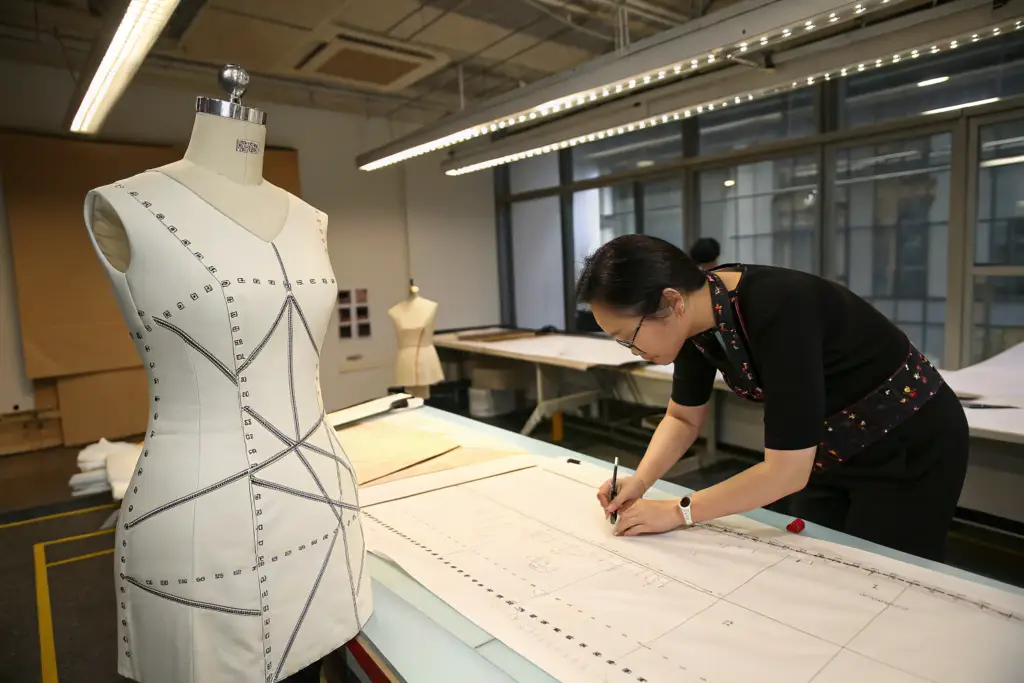
How Does the Pattern Development Process Create Unique Volumes and Proportions?
Standard garment patterns are derived from basic blocks—templates that represent a standard body shape with standard ease allowances. Modifying a standard block produces a standard-looking garment with slight variations. Creating a truly distinctive silhouette requires departing from the block entirely and engineering the pattern from the desired shape backward to the body.
Our pattern makers work from the designer’s vision, not from standard blocks. The designer may provide a sketch, a draped muslin, or reference images of the desired shape. The pattern maker deconstructs the shape into its geometric components, determines the seam lines and grain directions that will achieve the volume, and creates the initial pattern. The first sample is cut, sewn, and fitted on a dress form. Adjustments are made. The process iterates until the silhouette matches the designer’s vision. A contemporary brand we work with wanted a sleeve that billowed from the shoulder and tapered dramatically to a fitted cuff—a shape that could not be achieved with standard sleeve drafting. Our pattern maker engineered a multi-piece sleeve with curved seam lines that created the volume and taper the designer wanted. The sleeve became the brand’s signature design element, appearing across multiple collections. This signature silhouette pattern development is a collaborative engineering process that transforms creative vision into wearable reality.
What Specialty Seam and Construction Techniques Define Rare Style Garments?
A standard garment hides its construction. Seams are internal. Stitching is inconspicuous. The construction is functional, not decorative. Rare style garments often reverse this relationship. The construction becomes the decoration. The seams become design features. The way the garment is put together is part of its aesthetic appeal.
Our specialty construction capabilities include French seams and Hong Kong bound seams used as visible design features in contrasting colors, flat-felled seams with decorative topstitching that creates a tailored, heritage aesthetic, exposed seam allowances finished with binding that becomes a design element, raw-edge applications where fabric edges are deliberately left unfinished and treated to prevent fraying, and quilted and channeled construction that creates surface texture through the construction method itself. A premium shirting brand we serve uses contrast Hong Kong binding on all internal seams, visible when the wearer rolls up their sleeves. The binding color changes each season. Customers look for it. It is a subtle signature that communicates quality and attention to detail. This specialty seam construction for premium apparel capability allows brands to embed their identity in the garment’s construction, not just its surface appearance.
What Artisanal Embellishment Techniques Does the Factory Offer In-House?
Many factories outsource embellishment to specialized workshops. The garment leaves the factory, is embellished elsewhere, and returns. The process adds time, cost, and quality risk. The factory has limited control over the embellishment quality and limited ability to iterate quickly during sampling. A factory with in-house artisanal capability controls the entire process, from fabric cutting to final embellishment, under one quality system.
Shanghai Fumao’s in-house artisanal embellishment capabilities include hand-smocking in traditional and contemporary patterns for children’s wear and women’s blouses, specialty pleating including accordion, crystal, and sunburst pleats produced with specialized heat-setting equipment, fabric manipulation techniques including ruching, gathering, and tucking executed with precision, hand-applied embellishment including beading, sequining, and embroidery that machines cannot replicate, and mixed-media appliqué combining different fabric types, textures, and finishes into a single surface design. These techniques are performed by trained artisans on our factory floor, not outsourced to external workshops.
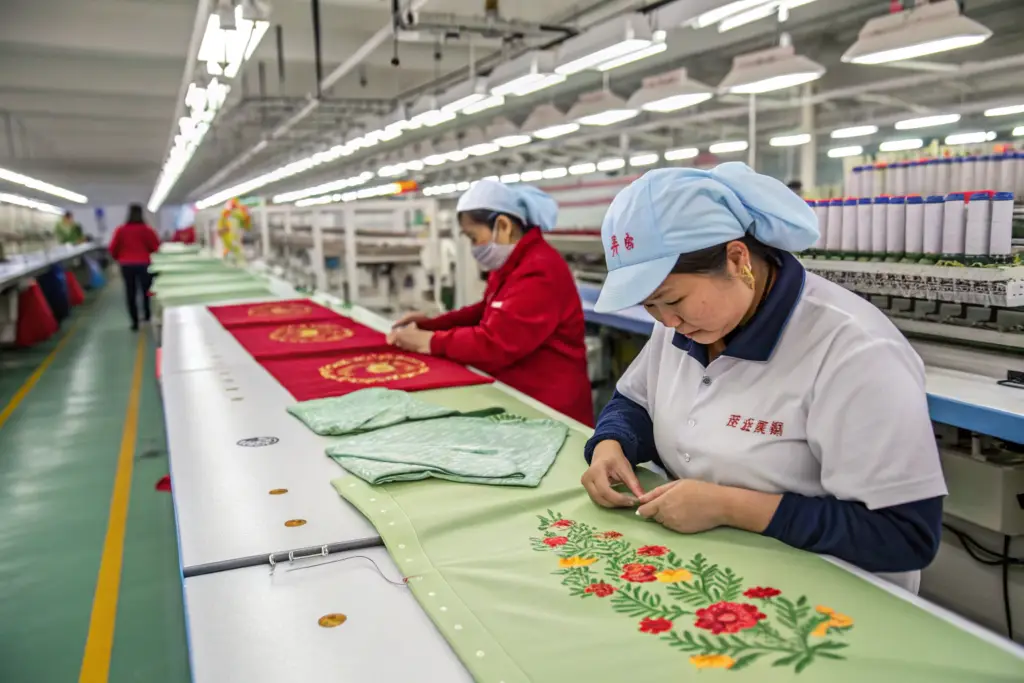
How Is Hand-Smocking Integrated into Contemporary Garment Production?
Smocking is an ancient technique of gathering fabric into a patterned, elasticated structure using hand stitching. Traditional smocking is associated with children’s wear and vintage styles. Contemporary designers are reinterpreting smocking for modern garments—a smocked bodice on a women’s dress, smocked cuffs on a blouse, smocked panels on a jacket.
Our in-house smocking artisans are trained in both traditional geometric smocking patterns and contemporary, more organic interpretations. The fabric is gathered using a smocking pleater machine, then the hand-stitching is applied to create the pattern. The technique requires patience and skill that machines cannot replicate. A women’s brand we serve incorporates hand-smocked bodices into their summer dress collection. The smocking creates a fitted, stretchable bodice without elastic or zippers. The handwork is visible and becomes a selling point. Customers recognize the craft involved and are willing to pay a premium. The smocking is performed entirely in our facility, from pleating to final stitch, with quality inspected at each stage. This hand-smocking in contemporary fashion capability combines traditional craft with modern design, creating products that stand apart from mass-produced alternatives.
What Specialty Pleating Techniques Create Architectural Garment Effects?
Machine pleating produces uniform, parallel pleats. It is efficient and consistent. Specialty pleating produces dimensional, often sculptural effects that transform flat fabric into architectural forms. Accordion pleats, crystal pleats, sunburst pleats, and mushroom pleats each create a different visual and structural effect.
Our pleating capability uses heat-setting equipment with specialized molds and forms. The fabric is arranged in the desired pattern, heat and pressure are applied, and the pleats become permanent. The technique works on synthetic fabrics and blends where the fiber can be thermally set. A designer brand we work with uses sunburst pleating on the back panel of their signature jacket. The pleats radiate from a central point between the shoulder blades, creating a dramatic sculptural effect that has become the brand’s most recognizable design element. The pleating is performed in-house, allowing tight quality control and rapid sampling iteration. This specialty pleating for fashion garments is a capability that distinguishes factories serving design-driven brands from those serving basic production needs.
How Does Custom Trim and Hardware Development Complete a Rare Style Vision?
A brand that invests in custom silhouette, custom fabric, and artisanal construction undermines its own vision if it finishes the garment with standard, off-the-shelf buttons, zippers, and labels. The trim and hardware are the details that the customer touches, sees, and uses. Standard trim communicates standard product. Custom trim communicates intentional design. The difference is visible and tactile, and it separates rare style apparel from decorated basics.
Custom trim and hardware development at Shanghai Fumao includes engineered custom buttons in metal, horn, shell, wood, or resin, shaped to the brand’s design and finished to specification, custom zipper pullers shaped as the brand’s logo or icon, with specialty finishes including antique brass, gunmetal, and custom color coatings, custom-developed woven labels with specialty yarns, jacquard weaves, and dimensional effects, debossed and embossed leather patches with custom designs, and specialty drawcords, toggles, and closure hardware developed to complement the garment’s design language. Each element is sourced from specialist suppliers within our network and developed in collaboration with the brand’s design team.
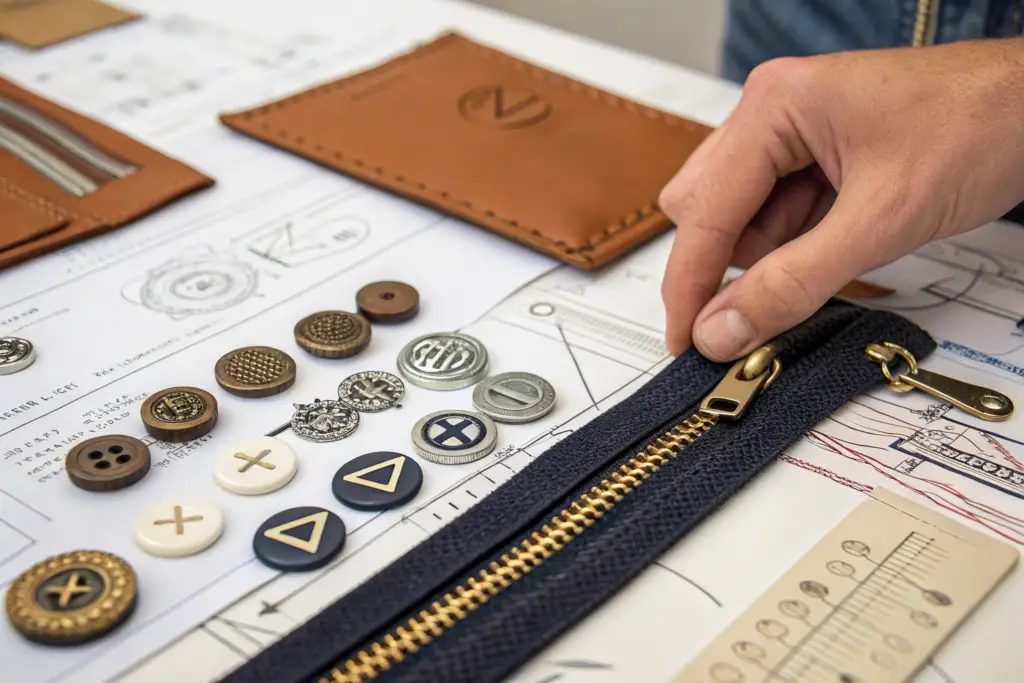
What Is the Process for Developing a Custom-Shaped Button?
A custom button begins with the brand’s design concept. The brand provides a sketch or reference image of the desired shape, size, and material. Our trim development team sources a specialist button manufacturer from our network who has the capability to produce the specific type of button—metal casting, horn carving, resin molding, or wood cutting.
A prototype is produced and submitted for the brand’s review. Adjustments are made to shape, thickness, finish, and attachment type. A pre-production sample is approved. The buttons are manufactured in the required quantity. Quality checks include color consistency, dimensional accuracy, attachment strength testing, and finish durability. For a premium coat brand, we developed custom horn buttons with a subtle curve and a polished face that matched the aesthetic of their collection. The buttons were hand-finished and each had slight natural variation in the horn, adding to the garment’s artisanal character. This custom button development for apparel process takes 4-6 weeks from concept to delivery, which is built into the production timeline.
How Do Custom Woven Labels Go Beyond Standard Brand Tags?
Standard woven labels are produced on basic looms with limited color range and simple weave structures. They are functional. They communicate the brand name. They do not communicate the brand’s aesthetic. Custom woven labels can incorporate specialty yarns, jacquard weaves, dimensional effects, and design elements that make the label itself a brand asset.
Our label development capability includes high-density woven labels that can reproduce fine detail and small text, metallic thread incorporation for subtle shimmer, dimensional weave effects that create texture on the label surface, and shaped labels die-cut to follow a brand icon silhouette rather than a standard rectangle. A luxury children’s wear brand we serve uses a custom woven label with their brand name in a delicate serif font, woven with a subtle gold metallic thread, on a soft cotton base. The label is shaped to follow the outline of their star logo. Parents have commented on the label’s quality in product reviews. The label itself has become a recognizable brand signifier. This custom woven label development capability allows brands to extend their design language to every physical component of the garment.
Conclusion
Customization for rare style apparel extends into every dimension of garment creation. The fabric itself can be developed exclusively for the brand. The silhouette can be engineered from the brand’s creative vision rather than adapted from a standard block. The construction can become a design feature rather than a hidden necessity. The embellishment can involve artisanal handwork performed under the factory’s own quality system. The trim and hardware can be custom-developed to complete the design language. A factory that can execute across all these dimensions is a creative manufacturing partner. A factory that can only embroider a logo onto a standard blank is a production vendor.
At Shanghai Fumao, our rare style customization capabilities have been built in response to the designers and brands who refused to compromise. They brought us their most ambitious concepts—the fabric that did not exist, the silhouette that could not be achieved with standard drafting, the embellishment that required handwork at scale—and we treated those concepts as engineering challenges to be solved, not impossibilities to be declined. The result is a manufacturing partnership where creative vision drives production, rather than production constraints limiting creative vision.
If you have a rare style concept that other factories have said is impossible, or if you are seeking a manufacturing partner who can engage with your designs at the level of textile engineering, structural garment construction, artisanal embellishment, and custom trim development, let us discuss your vision. Contact our Business Director, Elaine, at elaine@fumaoclothing.com. Share your sketches, your fabric concepts, and your design ambitions. We will respond with a technical assessment of what is possible and a plan to bring your rare style to production.