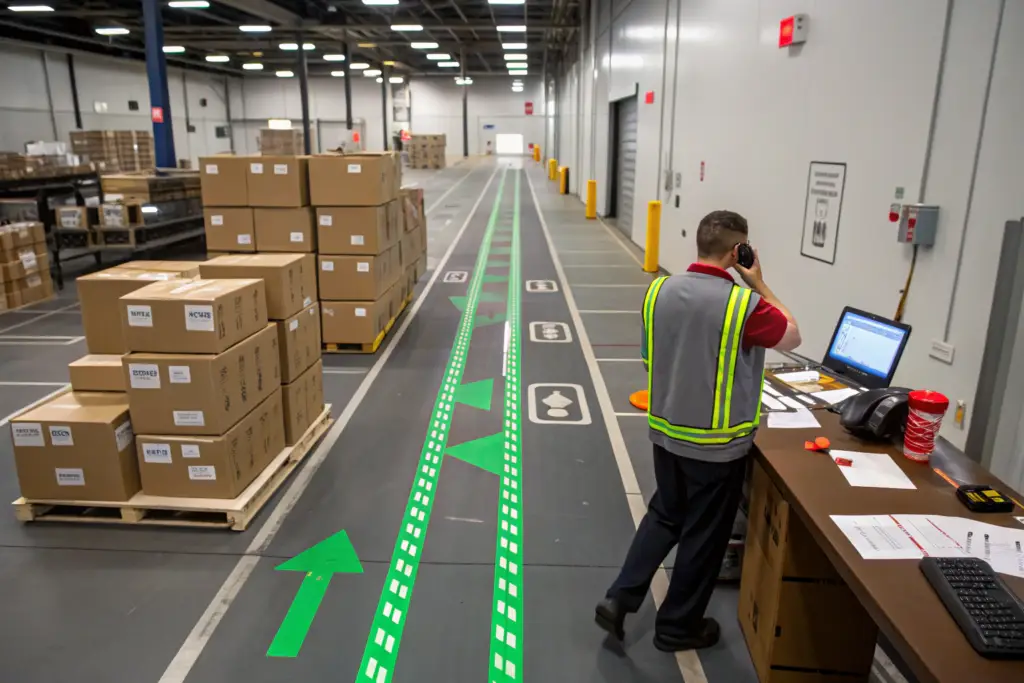
Your warehouse manager reports that the latest shipment from your long-time factory partner has a 14% defect rate. Your sales team is fielding angry calls from retail buyers about late deliveries. Your customer service inbox is filling with return requests citing inconsistent sizing. And your factory contact has not replied to your last three emails. You have been with this supplier for four years. They know your product line. Switching feels overwhelming. So you rationalize the problems as temporary, send another corrective action request, and hope the next shipment will be better. It rarely is.
An American distributor should replace their current clothing manufacture partner when the partnership exhibits persistent failures across one or more of three critical dimensions: quality consistency, where defect rates exceed the agreed AQL standard for two consecutive shipments; delivery reliability, where shipments miss the contracted delivery window by more than 10 days without proactive communication; or communication responsiveness, where routine inquiries go unanswered for more than 48 hours and problems are communicated after the fact rather than before. A single failure in one dimension warrants corrective action. Persistent failures across multiple dimensions warrant replacement.
At Shanghai Fumao, we have onboarded numerous distributors who delayed the decision to switch for too long. They endured months of declining quality, missed seasonal windows, and mounting customer complaints because the perceived cost of switching seemed higher than the cost of staying. In nearly every case, they later told us their only regret was not switching sooner. Let me walk you through the specific indicators that signal it is time to replace your manufacturing partner, how to make the transition without disrupting your supply chain, and what to expect from a properly executed switch.
What Quality Failures Justify Replacing a Long-Term Manufacturing Partner?
Every factory produces occasional defects. A single shipment with a slightly elevated defect rate is a conversation, not a crisis. The decision to replace a partner should be based on patterns, not isolated incidents. The key question is whether the factory's quality system is identifying and correcting failures, or whether failures are recurring because the underlying cause is not being addressed. A factory with a functioning quality culture resolves problems. A factory without one repeats them.
Quality failures that justify replacement include persistent defect rates exceeding the agreed AQL standard across multiple shipments, the recurrence of the same defect types after corrective action requests have been submitted, a decline in material quality indicating the factory is substituting lower-grade inputs without disclosure, and inconsistent sizing that generates elevated customer return rates. These patterns indicate a systemic quality management failure rather than isolated production errors.
How Should a Distributor Track and Escalate Quality Issues Systematically?
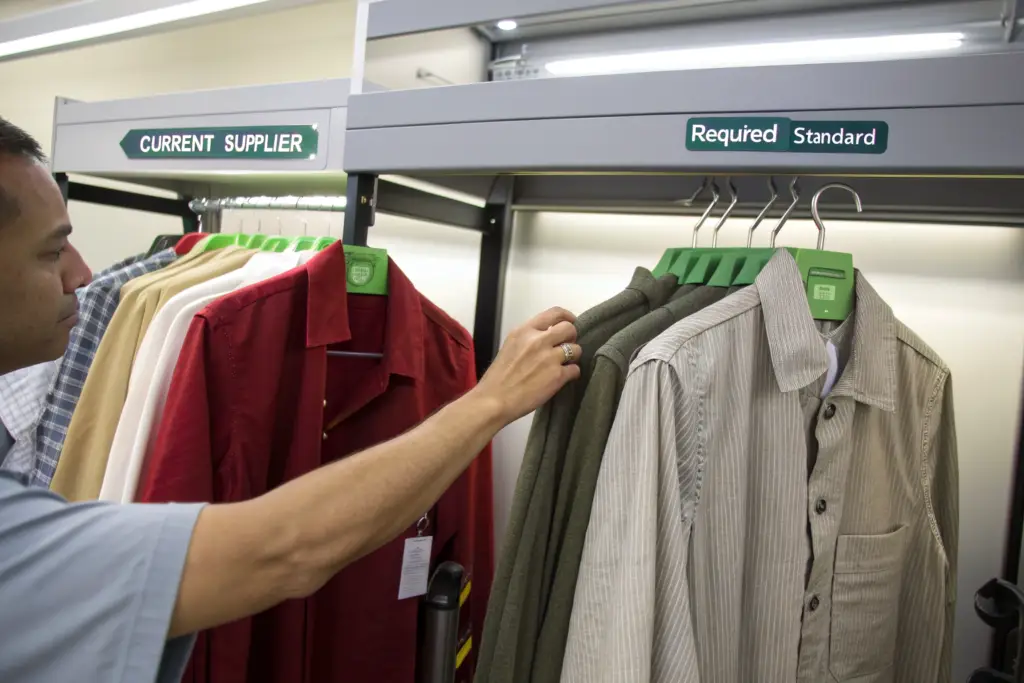
A distributor who relies on a vague sense that "quality has been slipping" cannot make a defensible decision or communicate effectively with the factory. Quality performance must be tracked quantitatively, shipment by shipment, against the agreed standard. The tracking system does not need to be complex, but it must be consistent.
We recommend a simple shipment quality scorecard that records the order number, ship date, total units, units inspected, defect count by category, and the resulting defect rate. This scorecard creates an objective record that serves three purposes. It identifies trends early, before a bad situation becomes a crisis. It provides data for specific, actionable conversations with the factory. And it builds the justification for a replacement decision if the factory fails to improve. A distributor who switched to us from a factory in another Asian country shared their scorecard during onboarding. It showed defect rates rising from 3% to 8% to 12% over three consecutive shipments. The same defect category—seam puckering on knit garments—appeared in all three shipments. They had submitted corrective action requests after each shipment. The factory had acknowledged each request but made no process change. The scorecard made the replacement decision obvious and defensible to their leadership team. This apparel quality tracking system transforms quality management from subjective frustration into objective analysis.
What Material Substitutions Signal a Factory Is Cutting Corners?
A garment that looks similar to the approved sample but feels different, washes differently, or wears differently is a sign of undisclosed material substitution. The factory may have switched to a lower-grade yarn, a cheaper dye, or a thinner interlining without informing the distributor. These substitutions are difficult to detect during a visual inspection but reveal themselves through customer returns, complaints, and reduced repeat purchase rates.
A distributor of men's performance polo shirts noticed their return rate climbing from 4% to 9% over six months. Customers complained the fabric was "rougher" and "lost shape after washing." The distributor sent a retained sample from the original approved shipment and a sample from the most recent shipment to an independent textile lab. The lab analysis revealed that the yarn count had changed from a longer-staple combed cotton to a shorter-staple carded cotton, and the fabric weight had dropped by 15 grams per square meter. The factory had made the substitution without disclosure, presumably to maintain their margin as cotton prices had risen. The distributor had grounds for a formal dispute and a clear reason to seek a new manufacturing partner. This fabric quality verification approach provides objective evidence that moves the conversation from accusation to fact.
What Communication Breakdowns Indicate a Partnership Is Failing?
A manufacturing partnership runs on information flow. When communication channels clog, problems that could have been solved early become crises that damage the distributor's business. The most damaging communication failure is not the unreturned email. It is the problem the factory knew about but did not disclose until it was too late for the distributor to mitigate. The fabric delay that was discovered two weeks ago but communicated two days before the ship date. The quality issue found during inline inspection that was hidden until final audit.
Communication breakdowns that signal a failing partnership include response times exceeding 48 hours for routine inquiries without explanation, problems communicated after the fact when early disclosure would have enabled mitigation, a lack of proactive updates on production progress unless the distributor requests them, and a pattern of deflecting responsibility rather than solving problems collaboratively. These behaviors indicate the factory has deprioritized the relationship and is managing it for damage control rather than partnership success.
How Do Proactive Versus Reactive Communication Styles Differ?
A proactive factory communicates before the distributor asks. "Your fabric arrived from the mill and has passed inspection. Production will begin on schedule next Monday. Here is a photo of the approved fabric on the cutting table." The distributor feels informed and confident. A reactive factory communicates only when the distributor demands an update. "Where is my order?" The distributor feels anxious and distrustful.
The difference is not just about comfort. It is about the distributor's ability to manage their own business. A distributor who knows about a potential delay early can communicate with their retail buyers, adjust allocation, or arrange alternative supply. A distributor who learns about a delay after the ship date has missed the window to manage the impact. One of our distributor partners told us their previous factory would only communicate when there was a problem, and even then, only when the problem was already severe. With us, they receive weekly production updates with photos and a status dashboard they can check anytime. The operational difference transformed their ability to plan inventory and manage retail buyer expectations. This supply chain communication best practice is a defining characteristic of a partnership-oriented manufacturer.
What Does the Factory's Problem Response Reveal About Partnership Health?
Every production run encounters problems. Fabric arrives with a slight shade variation. A machine breaks down. A key trim is backordered. The test of a partnership is not whether problems occur but how the factory responds when they do. A partner takes ownership, communicates immediately, proposes solutions, and absorbs appropriate cost. A transactional supplier deflects, delays communication, offers excuses, and pushes all cost consequences to the distributor.
A distributor we onboarded last year described their previous factory's response to a quality issue. A batch of 2,000 jackets had inconsistent zipper insertion, causing the zipper to catch and separate. The distributor discovered the issue upon receiving the shipment. When they contacted the factory, the response was: "Our quality inspection showed no problem. The issue must have occurred during shipping." The factory refused responsibility and offered no compensation. This deflection of responsibility was the final straw that led the distributor to switch. In our partnership, when we discovered a similar zipper issue during inline inspection, we paused production, identified the root cause—a worn zipper foot on one machine—replaced the part, re-inspected all affected units, and communicated the entire process to the distributor within four hours of detection. The shipment was delayed by two days but arrived with zero zipper defects. This manufacturing problem resolution culture is what a healthy partnership looks like.
What Operational Indicators Signal the Need for a More Capable Partner?
Sometimes the factory has not gotten worse. The distributor has gotten bigger, more complex, and more demanding. The factory that was adequate for 10,000 units per year may lack the capacity, the systems, or the sophistication to handle 50,000 units per year across multiple product categories. The partnership is not failing due to negligence. It is failing due to a capability gap that will only widen as the distributor continues to grow.
Operational indicators that signal the need for a more capable partner include the factory's inability to scale production volume to match the distributor's growth, a lack of investment in new equipment or technology while the distributor's product complexity increases, an inability to offer logistics solutions like DDP that the distributor needs to serve retail accounts, and a failure to achieve or maintain certifications required by the distributor's expanding customer base. These indicators reflect a structural mismatch that corrective action cannot resolve.
How Does Inability to Scale Volume Threaten the Distributor's Growth?
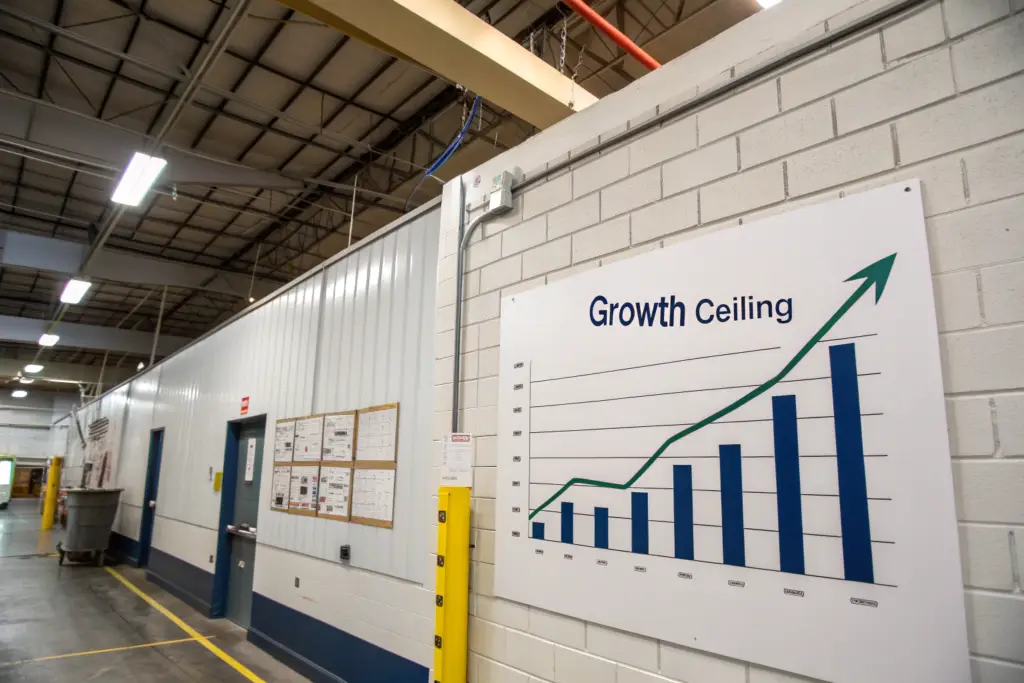
A distributor's growth trajectory depends on reliable supply. If the factory cannot increase production volume to match the distributor's orders, the distributor faces stockouts, lost revenue, and damaged retail relationships. The factory may promise additional capacity and then fail to deliver because their lines are fully booked with other clients, or they lack the physical space and workforce to expand.
Ask the factory directly about capacity. "We project our volume will grow from 20,000 units to 40,000 units over the next 18 months. Can you demonstrate available capacity to meet that growth?" A capable partner provides a specific capacity plan: which production lines will be allocated, what workforce expansion is planned, what lead time is required. A factory that cannot scale will offer vague assurances that crumble under scrutiny. A distributor of women's knitwear experienced this. Their factory promised capacity for their growth but repeatedly delivered partial shipments as the distributor's orders increased. The distributor was forced to split orders across multiple factories, increasing management complexity and creating inconsistent quality. They eventually consolidated with us because we demonstrated available capacity and a scaling plan that matched their trajectory. This apparel production capacity planning capability is essential for a growth-oriented distributor partnership.
Why Does DDP Capability Matter More as Distributors Grow?
A small distributor can manage freight logistics themselves. They ship a few containers per year. The time investment is manageable. As the distributor grows and volume increases, self-managed logistics becomes a drain on operational resources and a source of margin volatility. The distributor needs DDP capability from their manufacturing partner.
DDP transfers logistics responsibility, cost risk, and customs complexity to the factory. The distributor receives a single landed cost, a single invoice, and a single delivery. The operational simplification and cost predictability become increasingly valuable as volume scales. A distributor of men's workwear switched to us partly because their previous factory only offered FOB terms. The distributor was managing freight for 30 containers per year with an in-house logistics coordinator. The coordinator's salary, plus the margin erosion from unpredictable freight surcharges, was costing the distributor more than the DDP premium we quoted. After switching, they reassigned the logistics coordinator to a sales support role that generated revenue. The DDP capability directly improved their bottom line through both cost savings and operational efficiency. This DDP logistics for distributors capability is not a luxury. It is an operational necessity for scaling distributors.
How Should a Distributor Execute a Transition Without Disrupting Their Supply Chain?
The fear of supply chain disruption is the primary reason distributors stay with failing factories too long. They imagine a transition as a hard cutover: cancel the old factory, start from zero with the new factory, and pray nothing goes wrong during the gap. This is a dangerous way to transition, and a responsible new manufacturing partner will not ask you to do it. A properly managed transition is phased, parallel, and de-risked at every stage.
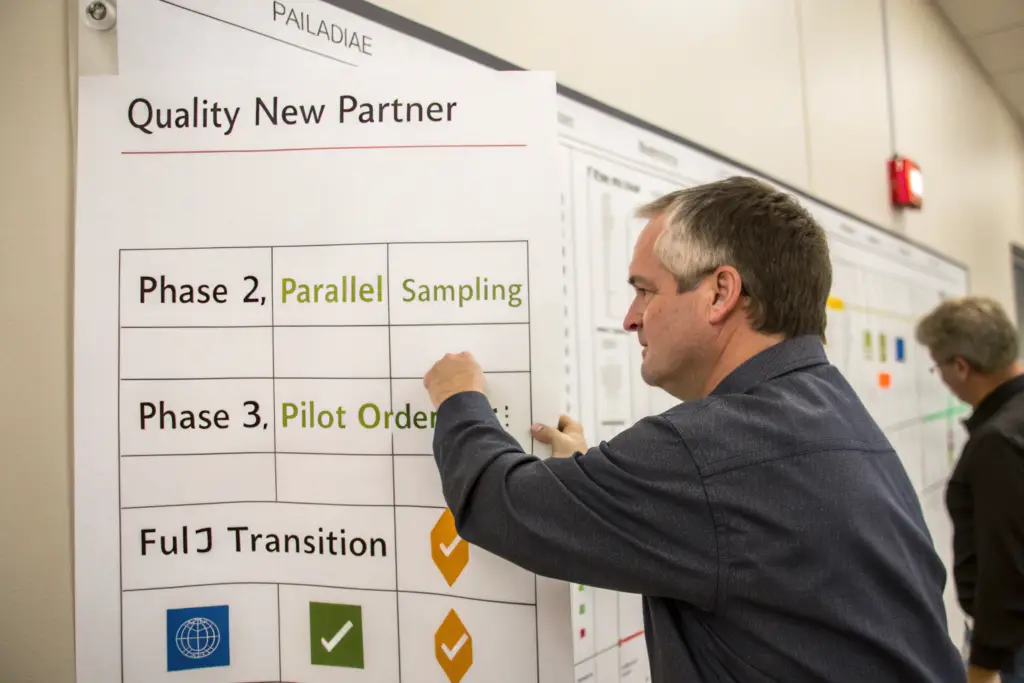
A safe manufacturing transition follows a four-phase parallel process: Qualification, where the new factory is vetted through samples, references, and preferably a visit; Parallel Sampling, where the new factory produces approval samples of existing products while the old factory continues production; Pilot Order, where a small portion of volume is shifted to the new factory while the old factory handles the remainder; and Full Transition, executed only after the pilot order meets quality and delivery standards. This phased approach ensures the distributor never faces a supply gap and can revert to the old factory if the new factory fails at any stage.
What Is the Parallel Sampling Phase and Why Is It Critical?
The parallel sampling phase serves two purposes. It validates the new factory's ability to match or exceed the quality of the existing products. And it builds the new factory's familiarity with the distributor's product specifications, construction standards, and quality expectations before volume production begins. Skipping this phase and jumping directly to a production order is the most common transition error.
During parallel sampling, the distributor sends existing tech packs and reference samples to the new factory. The new factory produces approval samples that are compared directly against the old factory's approved samples. Fit, construction, materials, and branding are evaluated. Any discrepancies are corrected before production begins. This phase typically takes two to four weeks, depending on the complexity of the products. A distributor we transitioned from another factory sent us three core styles for parallel sampling while their existing factory produced their seasonal replenishment order. We produced and revised samples over three weeks until the distributor confirmed they matched the reference standard. Only then did we receive a pilot production order. The distributor never experienced a stockout because the old factory continued production throughout the sampling phase. This garment sampling and development process is the foundation of a safe transition.
How Large Should the Pilot Order Be to Test the New Partnership?
The pilot order is the bridge between sampling and full-volume commitment. It should be large enough to test the factory's production systems under realistic conditions but small enough that a failure would not cripple the distributor's inventory position. A pilot order representing 10-20% of the typical production volume for that product category is a reasonable size.
The pilot order tests everything that sampling cannot. Can the factory manage bulk material procurement? Can they maintain consistent quality across a production run, not just on a single sample? Can they meet the agreed production timeline? Can they execute the labeling, packing, and shipping documentation correctly? Can they communicate proactively during production? A distributor of children's wear placed a 500-unit pilot order with us as 15% of their typical seasonal volume. The pilot tested our CPSIA compliance processes, our children's wear construction quality, and our labeling accuracy for their retail channel requirements. The pilot passed on all metrics. The next season, they shifted 100% of that product category to us. The phased approach gave them confidence and data to support the full transition. This pilot production order strategy is a risk management best practice for any distributor changing manufacturing partners.
Conclusion
Replacing a long-term clothing manufacture partner is a significant decision that carries real operational risk. But staying with a partner whose quality is declining, whose communication has broken down, or whose capabilities no longer match your growth trajectory carries an even greater risk. Every shipment with an elevated defect rate erodes your retail customer relationships. Every delayed delivery misses a selling window. Every unreturned email adds stress and uncertainty to your operations. The cost of inaction compounds with each passing season.
The decision to switch should be data-driven, not emotional. Track quality performance quantitatively. Document communication failures. Assess whether the factory is investing in capabilities that match your growth. If the evidence points to a systemic partnership failure rather than isolated incidents, initiate a phased transition that protects your supply chain continuity while you qualify a new partner.
At Shanghai Fumao, we understand the gravity of a distributor's decision to switch manufacturing partners. We have developed our transition protocols specifically to de-risk the process: parallel sampling that validates quality before production commitment, pilot orders that test systems at manageable scale, and a communication cadence that keeps you informed at every stage. Our goal is to make the transition so smooth that your only regret is the months you spent tolerating a failing partnership before you switched.
If you are evaluating whether your current manufacturing partnership is serving your business or holding it back, let us provide a confidential assessment. Share your current quality metrics, your delivery performance data, and your growth projections. We will give you an honest evaluation of whether a transition is warranted and, if so, a detailed, de-risked transition plan. Contact our Business Director, Elaine, at elaine@fumaoclothing.com. Do not let the fear of switching keep you locked in a partnership that is costing you money, customers, and peace of mind.