You are staring at a defect rate report that makes your stomach turn. Your current supplier promised 3%, but your latest shipment arrived with 12% of units unsellable. Returns are climbing. Customer service emails are piling up. Your fall collection is halfway through production, and the holiday season is approaching. Every instinct tells you to pull the plug and find a better factory. But another voice whispers the fear: "What if the transition creates even bigger delays? What if the new factory is just as bad?" This internal conflict paralyzes brand owners.
Switching to a new top clothing manufacture mid-season is safe and often profit-saving if the new manufacturer has proven mid-season onboarding protocols, available production capacity on short notice, and a quality control system that delivers measurable improvement over the current supplier within the first production run. The transition must be treated as a surgical operation, not a hopeful leap.
I have guided multiple U.S. brands through emergency mid-season transitions at Shanghai Fumao. These are not theoretical scenarios. They are stressful, fast-moving projects where every day matters. The key to safety lies in how the transition is structured, not in whether you switch. Let me walk you through the real risks, the mitigation strategies, and the specific steps that determine whether a mid-season switch saves your season or compounds your problems.
What Are the Real Risks of Switching Garment Manufacturers Mid-Season?
Understanding the risks honestly is the first step to managing them. A mid-season switch is not the same as a planned, off-season transition. The timeline is compressed. The existing inventory position is complex. The relationship with the old supplier must be unwound while the new relationship is being built. Pretending these risks do not exist is how transitions fail. Acknowledging them allows you to build a plan that neutralizes each one.
The four real risks of a mid-season manufacturer switch are production timeline gaps that create stockouts during peak selling, fabric and trim transfer complications that delay restart, loss of design consistency between old and new production, and the financial exposure of deposits paid to the failing supplier. Each risk is manageable with a structured transition protocol. None justifies staying with a factory that is actively damaging your brand.
How Can a Production Timeline Gap Kill Your Season?
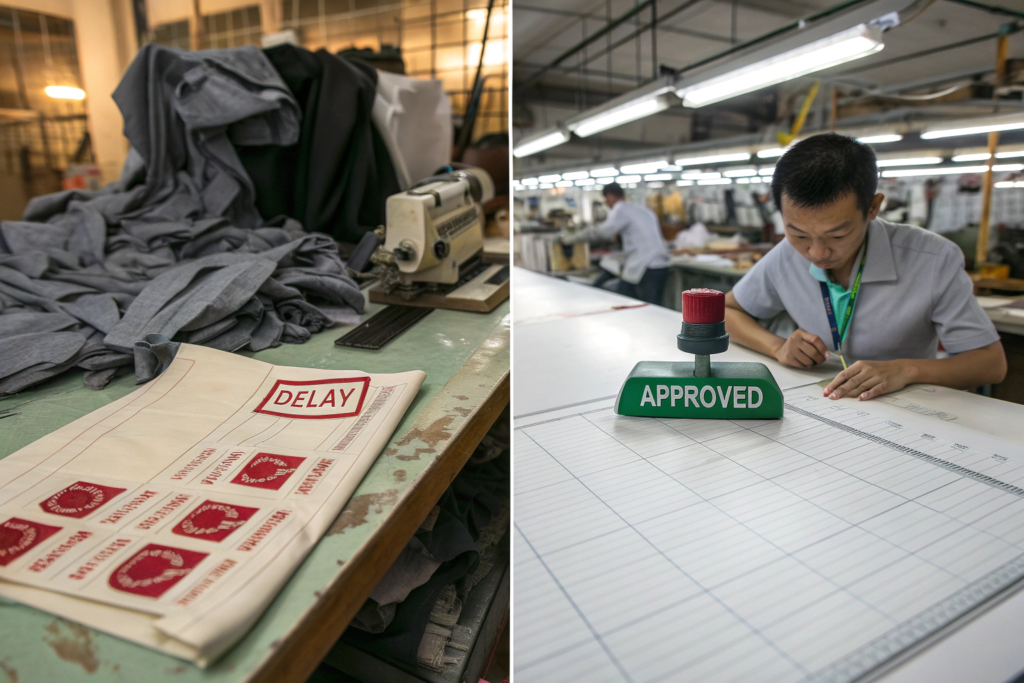
Imagine this: you cancel your current supplier's remaining order on September 1st. You sign a contract with a new factory on September 5th. The new factory needs two weeks to receive and inspect the transferred fabric and trims. They need one week to sew a pre-production sample. They need four weeks for bulk production. They need three weeks for ocean freight. Your goods arrive on November 10th. Your holiday collection was supposed to hit stores on October 15th. You just missed the entire season.
This timeline gap is the most dangerous risk in a mid-season switch. A single miscalculation converts a quality problem into a stockout problem, and stockouts kill revenue faster than returns do. We mitigate this gap by compressing every possible phase. We run pre-production samples within five days, not two weeks, for emergency transitions. We allocate dedicated production capacity to transition orders so they do not queue behind existing scheduled work. We offer air freight options for the first portion of the order to bridge the gap while the sea freight follows. For a Los Angeles streetwear brand that switched to us mid-season last August, we produced and air-shipped 2,000 units of their best-selling hoodie within 18 days of contract signing. The air freight cost was higher, but the alternative was losing $120,000 in holiday revenue. The brand owner calculated the trade-off and chose speed. We delivered. Managing production lead times during a transition requires a factory that treats your emergency as its own.
What Happens to the Fabric and Trims Trapped at the Old Supplier?
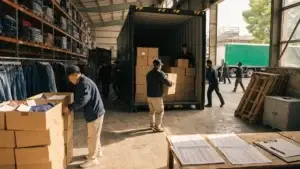
Your current supplier might hold $15,000 worth of your custom fabric, labels, and hardware. When you cancel the order, they are under no legal obligation to ship those materials to your new factory quickly. They may delay, demand additional payment, or claim the materials are lost. This material hostage situation is a common and frustrating transition obstacle.
You prevent this by securing legal ownership documentation before announcing the switch. Your purchase order or contract should specify that any materials purchased specifically for your order, even if still at the factory, are your property. Before we accept a transition order, we ask the brand to confirm this documentation exists. We then coordinate directly with the old supplier to arrange the material transfer. If the old supplier is uncooperative, we send our own logistics partner to collect the goods with a professional, documented handover. We encountered this situation with a children's wear brand switching from a factory in Vietnam. The old supplier demanded an exorbitant "storage fee" before releasing the custom printed fabric. We helped the brand negotiate the fee down by referencing their contract terms and transferred the fabric to our Shanghai facility within a week. The brand saved $3,500. A new manufacturer with experience in supply chain transitions will proactively help you navigate this delicate extraction process, treating your materials as valuable assets to be protected, not abandoned.
How to Evaluate If a New Manufacturer Can Handle an Emergency Transition?
Not every good factory is a good transition factory. A manufacturer might produce beautiful garments on a normal 90-day timeline but crumble under the pressure of a 30-day emergency transition. The skills required are different: rapid onboarding, flexible capacity allocation, direct communication with decision-makers, and experience managing the emotional stress of a brand owner who has been burned. You must evaluate a potential transition partner differently than you would evaluate a standard sourcing partner.
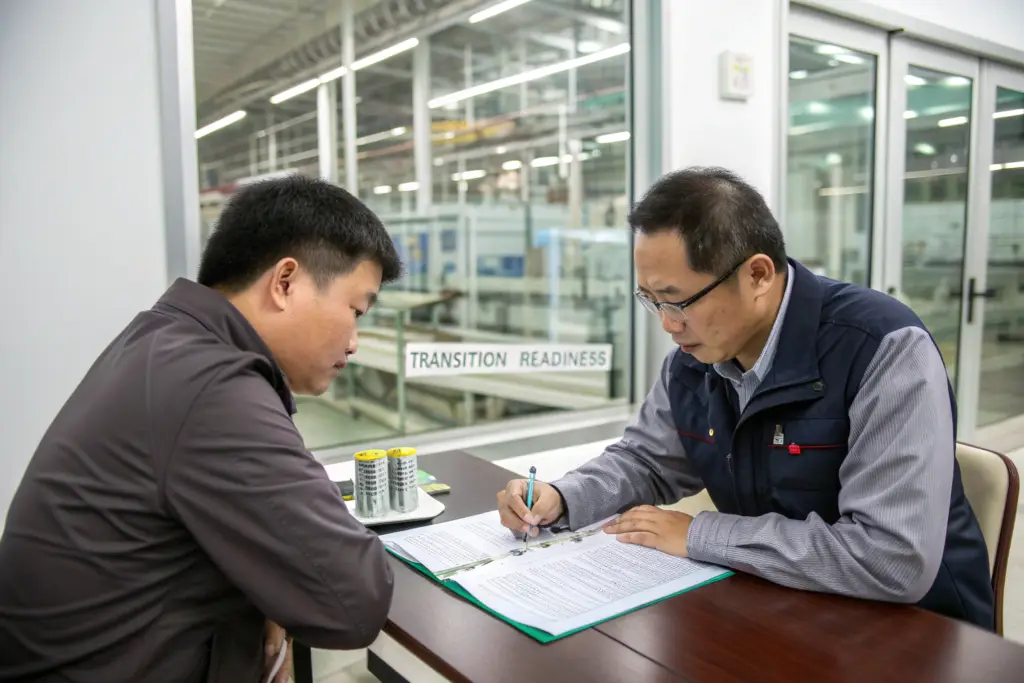
To evaluate a factory's emergency transition capability, demand evidence of previous mid-season transitions, not just standard production samples. Ask for a specific transition timeline with daily milestones. Request a dedicated project manager assigned to your account. Verify available capacity by asking for a live video walkthrough of the production floor showing current workload and open lines. A factory that hesitates on any of these requests is not ready for your emergency.
What Questions Should You Ask to Verify Transition Experience?
Do not ask "Have you handled emergency transitions?" Every factory will say yes. Ask for specifics that demand a real answer: "Can you describe the most recent mid-season transition you handled, including the date, the product category, the timeline from contract to delivery, and the brand's feedback after completion?" A factory with genuine experience answers immediately with details. A factory without experience stumbles and gives vague assurances.
We handled a transition for a men's formal wear brand in October 2025. They switched from a factory in Bangladesh that had delivered dress shirts with inconsistent collar construction. Our timeline: contract signed October 3rd, fabric and trims received October 6th, pre-production sample approved October 9th, bulk production completed October 30th, air freight delivered November 7th. The brand restocked their website in time for the peak November shopping period. Their quality return rate dropped from 11% to 2% on that product line. This is the kind of specific case study a brand should demand. Ask for references from the transition clients. Call them. Ask about the stress points in the process. A factory confident in its transition capability will connect you with past clients without hesitation. Verify that the factory follows quality management standards that support rapid, consistent production even under compressed timelines.
How Can You Confirm Available Production Capacity in Real Time?
A factory's website might claim ten production lines, but nine could be fully booked with long-term contracts. The tenth line might be a small sample room. You need real-time capacity verification, not marketing material. Request a live video call during the factory's operating hours. Ask the person holding the camera to walk the entire production floor slowly. Count the active lines. Observe if any lines are idle or underutilized. Ask to see the production scheduling board. A real board shows the current week's allocation written in marker or displayed on a screen, not a polished PowerPoint.
During a transition inquiry from a women's activewear brand, we walked their CEO through our floor via video. We showed them our line three, which had just completed a run and was scheduled for the next program in five days. We offered that gap window for their urgent pre-production sample and the subsequent four-week slot for their bulk production. They saw the scheduling board, saw the open capacity, and made the decision on the call. This transparency is only possible from a factory that actually owns its lines and manages its own schedule. Middlemen cannot provide this verification. They do not control the production floor. Our real-time production capacity transparency has been the deciding factor for several brands evaluating us for emergency transitions.
What Are the Critical First Steps After Deciding to Switch?
The decision to switch is made. The clock is ticking. Panic leads to skipped steps, and skipped steps lead to errors. The first 72 hours after the decision determine whether the transition succeeds or fails. A clear, prioritized action sequence removes emotion and enforces discipline. You cannot do everything simultaneously, even though your anxiety demands it. Some steps must come first, and some can wait.
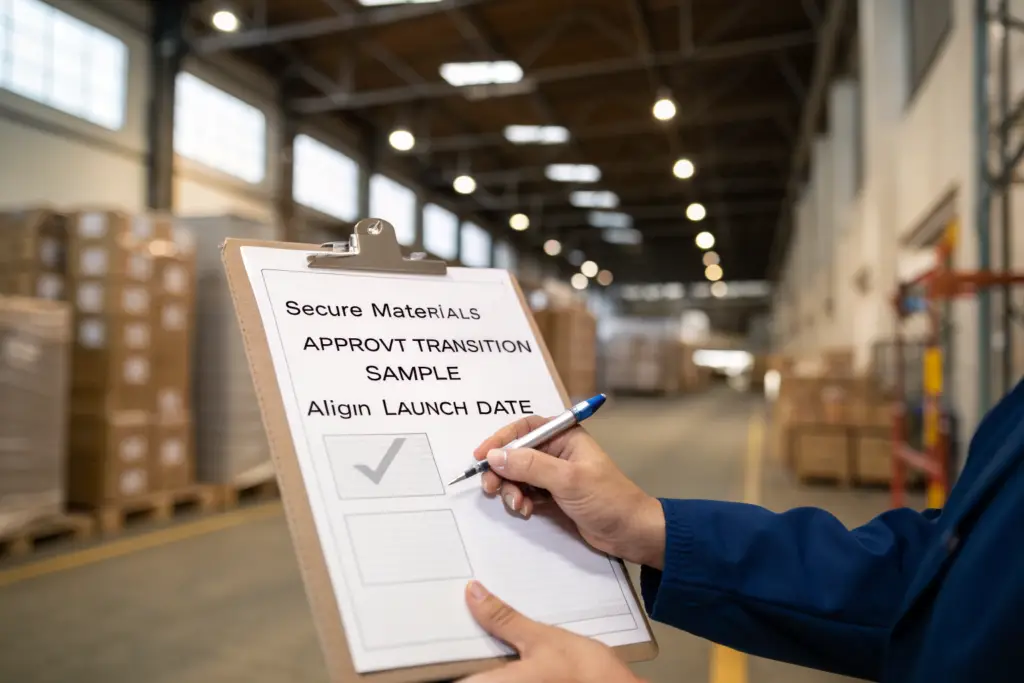
The critical first steps after deciding to switch are: secure legal release of your materials from the old supplier, sign a transition agreement with the new manufacturer that includes a binding timeline with penalty clauses for delays, ship all existing inventory and materials to the new facility, and approve a transition pre-production sample before bulk cutting begins. Rushing to bulk production before the sample is approved is the most common and costly transition error.
Why Is the Transition Pre-Production Sample Non-Negotiable?
The temptation is enormous. You are late. You want to skip the sample and go straight to bulk to save a week. This decision has destroyed more transition projects than any other single factor. The new factory's sewing team has never produced your garment. The pattern might need slight adjustments to work efficiently on their specific machine setup. The thread tension might differ slightly from the old factory's, producing a different seam appearance. If these differences are discovered on 3,000 bulk units instead of on one sample, the entire order is compromised.
We insist on a transition sample for every emergency order, even when the brand pushes back. We run it through our fastest track: dedicated sample sewer, same-day cutting, overnight finishing. For the men's formal wear transition I mentioned earlier, the transition sample revealed that our buttonholing machine produced a slightly denser stitch than the old factory's machine. The difference was subtle, but the brand's designer noticed it in the sample photo and requested an adjustment. We reprogrammed the machine in 30 minutes and produced a second sample that matched perfectly. If we had skipped the sample, 2,500 dress shirts would have shipped with a buttonhole density inconsistent with the brand's stock. The sample caught it. The delay cost one day. The correction saved the order. A garment sampling process conducted by a committed manufacturer protects your brand even when you are tempted to cut corners.
How Should You Manage the Inventory Handoff Between Factories?
Your old supplier has finished goods, work-in-progress, and raw materials. You need a clear inventory status from them, ideally verified by a third-party inspection, before the materials are shipped. Do not trust the old supplier's inventory count during a breakup. Their incentive to be accurate is low. Hire an independent inspection service to visit the old factory, count and photograph your materials and finished goods, and verify the packing before transit.
We advise our transition partners to use a professional inventory inspection service for this handoff. The inspector creates a detailed report: exactly how many meters of fabric exist, how many completed garments, the condition of the trims. This report becomes the legal document against which the transfer is executed. For a handbag brand that switched to us, the inspection revealed that the old supplier had 400 fewer zipper pulls than their own count claimed. The discrepancy was documented, and the brand was able to negotiate a deduction from the final settlement. The inventory then shipped to our facility with a chain-of-custody record. We received it, cross-checked against the inspection report, and confirmed receipt to the brand within 24 hours. This rigor removes the chaos and uncertainty from the physical transfer.
How Do We Guarantee Improved Quality Control from the First Transition Batch?
The entire reason for switching is better quality. If the first batch from the new factory arrives with similar or different defects, the transition has failed. You have traded one set of problems for another. The new manufacturer must demonstrate quality improvement from the very first carton. This requires a transition-specific quality control protocol that is more intensive than standard production QC. The goal is not just to match the old supplier's approved sample; it is to exceed their quality standard visibly and measurably.
We guarantee improved quality from the first transition batch by implementing a 100% inspection protocol on the first production run, comparing each unit against a set of pre-agreed quality specifications that include the defect categories from the old supplier, and providing the brand with a detailed quality report with photographic evidence before shipment. This intensive first-batch protocol transitions to standard AQL sampling once the production process is validated as stable and superior.
What Does a 100% First-Batch Inspection Protocol Involve?
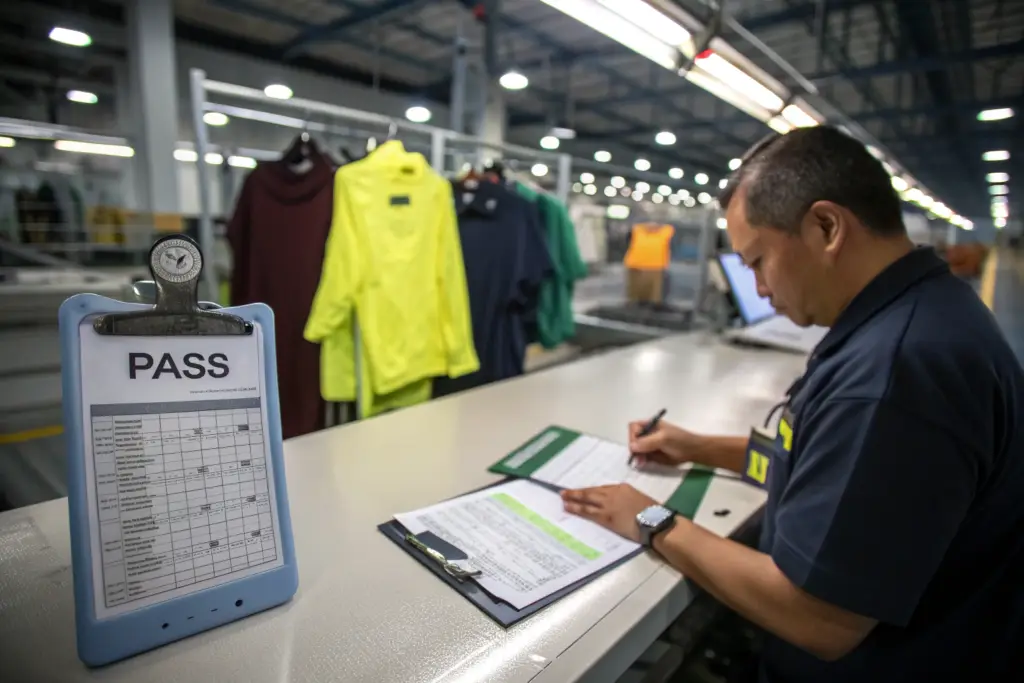
Standard production quality control uses AQL sampling: inspect a statistically representative number of units from the batch and accept or reject based on the defect count. For transition first batches, we go further. Every single unit goes through an individual inspection at the end of the line. The inspector checks measurements, seam integrity, label placement, print registration, button attachment strength, and overall appearance. Each unit receives a pass or fail. Failed units are immediately reworked or replaced.
This is more expensive and slower than sampling, but it is necessary. The brand needs absolute confidence that the quality failure they experienced with the old supplier is not repeating. For the streetwear brand transition I referenced, we inspected all 2,000 first-batch hoodies individually. The defect rate was 0.8%, compared to the 12% they had experienced with their previous supplier. We provided a defect breakdown report showing the specific types of minor issues we caught and corrected before packing. The brand owner told us this report was more valuable than the invoice. He shared it with his retail buyers as proof that the quality issue was permanently resolved. This quality control inspection process builds immediate trust. The brand sees the rigor, receives the data, and can confidently re-engage with their wholesale accounts.
How Do We Align Quality Expectations Before Production Begins?
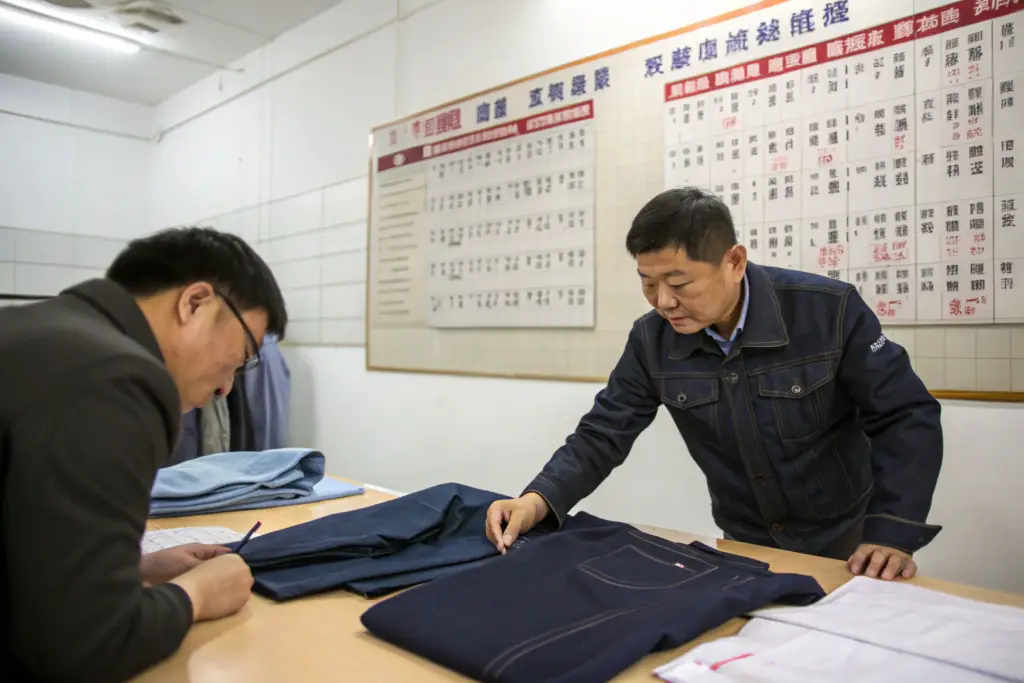
Different factories have different internal quality standards. What one factory considers acceptable, another considers a defect. This misalignment creates conflict and disappointment. Before we cut a single panel for a transition order, we conduct a quality alignment session with the brand. We present our standard acceptable quality level definitions with photographic examples. We ask the brand to send us examples of the defects they experienced with the old supplier. We create a specific defect reference board for their transition order.
A women's knitwear brand switching to us had suffered from inconsistent seam tension on their merino wool sweaters, causing puckering. We created a physical reference board showing acceptable seam appearance, borderline cases, and unacceptable puckering. The brand's designer approved the board digitally before production began. Our sewing line supervisors used the board as their standard. Every operator knew exactly what to look for. The result: zero puckering issues in the first batch. This alignment process is documented in our quality assurance manual. It prevents the "I thought this was fine" conversation that erodes trust between brands and manufacturers. Clear visual standards, agreed upon before production, are the foundation of consistent quality delivery.
Conclusion
Switching clothing manufacturers mid-season is not a comfortable decision, but it is often the right one. Staying with a factory that is damaging your brand because you fear the transition is a slow form of self-destruction. The returns accumulate. The reviews worsen. The wholesale buyers lose confidence. The short-term pain of a well-executed transition is far less damaging than the long-term cost of accepting poor quality.
The safety of a mid-season switch depends entirely on the capability and honesty of the new manufacturer. A genuine top clothing manufacture will not pretend the transition is risk-free. They will acknowledge the risks, present a structured plan to mitigate each one, and back their quality promises with an intensive first-batch inspection protocol. They will answer your specific questions about timeline, capacity, and past transitions with verifiable details, not vague assurances.
At Shanghai Fumao, we do not seek out emergency transitions because they are easy. We handle them because we have built the operational flexibility, the quality infrastructure, and the direct communication model that a panicked brand owner desperately needs. Our goal in every transition is to make the quality improvement so visible, and the process so transparent, that the brand owner's only regret is not switching sooner.
If you are currently experiencing quality failures with your current supplier and fear for your upcoming season, do not wait for the problem to resolve itself. It will not. Reach out to our Business Director, Elaine, at elaine@fumaoclothing.com. Share your current situation honestly: what is failing, what is at stake, and what timeline remains. We will respond with a realistic assessment of whether a mid-season switch is feasible for your specific case, and if so, a detailed transition plan that protects your inventory, your timeline, and your brand reputation.