You built a brand identity around a specific logo placement. Maybe it is a subtle embroidered monogram on the hip. Maybe it is a bold screen-printed logo on the inner waistband. Maybe it is a custom-engraved corozo nut button with your brand initials. You send the artwork to a factory. They send back a sample. The embroidery is crooked. The screen print feels like cheap plastic. The button engraving is barely visible. Now you are three weeks behind schedule, and the sample looks like a counterfeit of your own brand. Logo customization is not a finishing touch. It is the signature of your brand. If the signature looks sloppy, the entire garment looks cheap.
Fumaoclothing is the optimal choice for OEM linen wide-leg pants with logo customization because we operate in-house embroidery, screen printing, and label production facilities, integrate your brand identity into the garment construction sequence before sewing begins, and use a “Logo Approval Protocol” that locks every placement, thread color, and application technique into a sealed physical standard before bulk production starts.
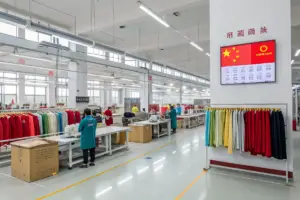
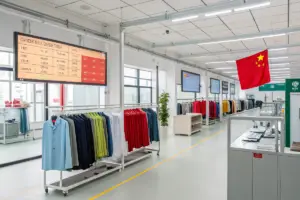
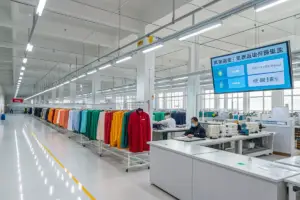
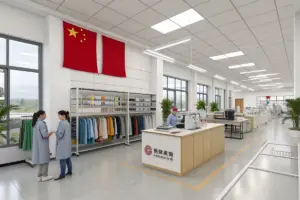
We do not outsource your branding to a third-party workshop. We control the entire logo application process under the same roof as the cutting and sewing. This vertical integration is what makes consistent, premium logo execution possible. Let me show you exactly how we protect and execute your brand identity on linen.
What OEM Logo Customization Techniques Do We Offer for Linen Fabric?
Linen is a difficult fabric for logo application. It has a natural slub texture that can distort fine embroidery. It has an open weave that can cause screen print ink to bleed through to the front. It is sensitive to heat, so standard hot-press transfers can scorch the fibers or leave a shiny iron mark. A factory that applies logos beautifully on cotton t-shirts will often ruin a linen pant by using the same technique. The fabric demands adapted methods.
We offer a full range of logo customization techniques adapted specifically for the slub texture and heat sensitivity of linen, including fine embroidery with water-soluble backing, water-based screen printing with low-cure additives, and tone-on-tone woven labels that complement the natural aesthetic of the fiber.
We select the application technique based on the linen weight and the brand’s desired aesthetic, not based on what is cheapest or easiest for the factory.
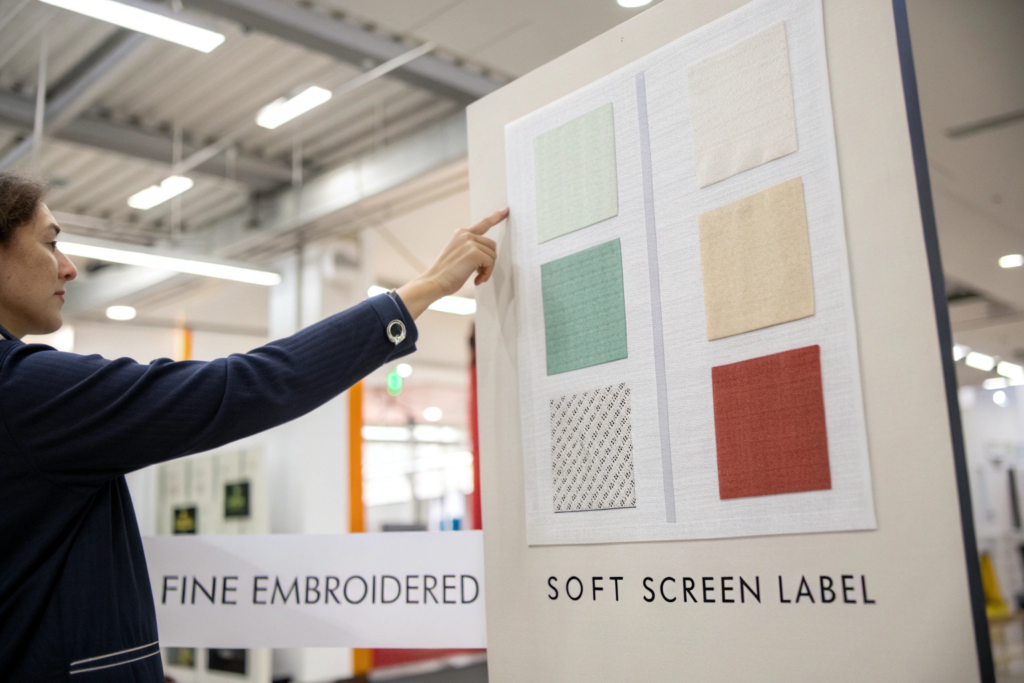
How does our embroidery process adapt to the natural slub of linen fabric?
Embroidering on linen is like stitching on a bumpy road. The natural slubs, those thicker and thinner sections of the yarn, can push the embroidery needle off course. The result is a logo that looks wobbly, with uneven stitch density. A cheap factory will hoop the linen too tightly, crushing the fabric texture and leaving a permanent hoop burn mark around your logo.
We solve this with three specific adaptations. First, we use a water-soluble backing sheet on top of the linen. This creates a smooth, temporary surface for the needle to pierce. The embroidery stitches are laid onto the backing, not directly onto the bumpy linen. When the embroidery is finished, we dissolve the backing with a light water spray. The logo sits perfectly on the linen, with zero distortion from the slubs.
Second, we use a reduced stitch density. On a dense cotton twill, you can pack 8,000 stitches into a small logo. On linen, that density creates a stiff, puckered patch that fights the natural drape of the fabric. We reduce the stitch count by 15-20% and use thinner 75D embroidery thread. This allows the logo to move with the fabric rather than fighting it.
Third, we use a soft, woven fusible backing on the inside of the pant leg behind the embroidery. This stabilizes the fabric without adding stiffness. For a client with a minimalist brand logo of a single-line mountain silhouette, we executed a 3,000-stitch design on 200gsm linen. The logo was crisp, the fabric drape was unaffected, and there was zero hoop burn. The brand owner told us it was the first embroidery sample on linen that did not look “crusty.”
Why do we recommend water-based screen printing over plastisol for linen pants?
Plastisol is the standard screen printing ink. It is cheap, opaque, and easy to use. But it is terrible for linen. Plastisol sits on top of the fabric as a thick plastic layer. On linen, which breathes and moves, a plastisol print cracks after a few wears and washes. The plastic layer traps heat against the skin, defeating the purpose of wearing breathable linen. And the heat required to cure plastisol (around 160°C) can scorch or yellow the natural linen fibers.
We recommend and standardize water-based ink for all linen screen printing. Water-based ink penetrates the fibers rather than sitting on top. It dyes the yarn instead of coating it. The result is a print that moves with the fabric, breathes, and never cracks. It feels like part of the fabric, not a sticker applied to it.
A sustainable streetwear brand wanted a bold, oversized logo on the back pocket of their linen wide-leg pants. Their previous factory used white plastisol. The print looked like a cheap plastic patch, and after three washes, it developed deep cracks. We recreated the design using water-based white ink with a low-cure additive. The print was soft to the touch, breathable, and survived 20 wash cycles with no cracking.
The only limitation is that water-based prints on natural linen produce a slightly vintage, matte finish rather than a bright, glossy one. For most brands working with linen, this is a design feature, not a flaw. We always send a print strike-off on the actual linen fabric for your approval before production. You feel the print, wash it, and approve it before it touches your bulk order.
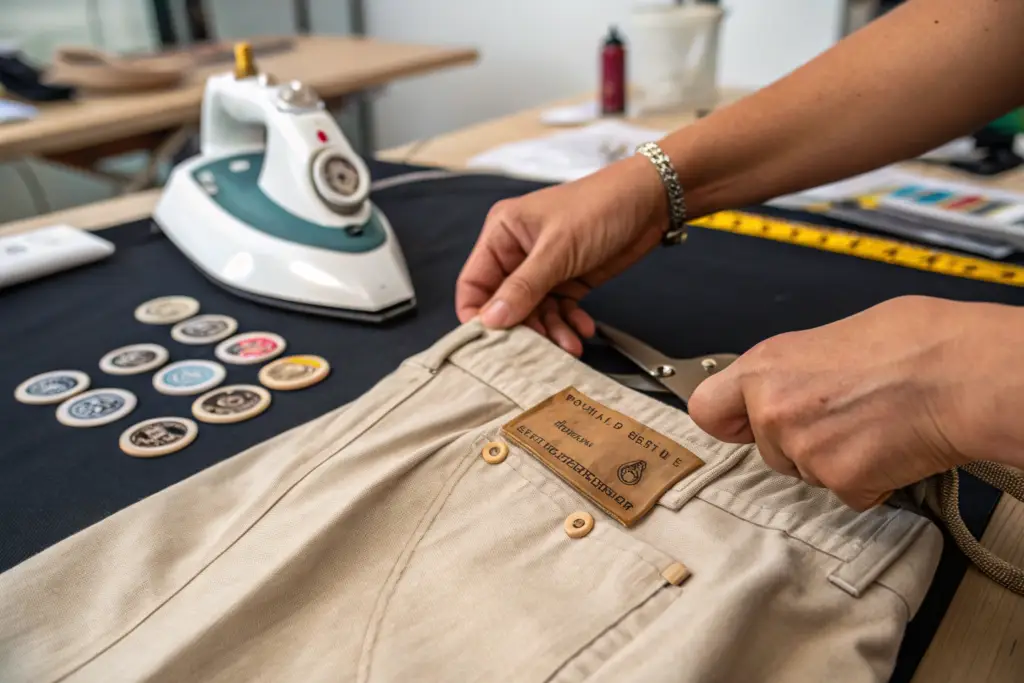
What custom label and trim options can carry your brand identity?
Logo customization extends beyond the visible exterior. The internal labels, hangtags, and trims are part of the brand experience. A customer unboxes a premium linen pant and finds a cheap, scratchy satin label. The perceived value drops instantly.
We offer a full ecosystem of custom branding trims:
| Customization Element | Options Available | Linen-Specific Consideration |
|---|---|---|
| Main Label | Woven damask, cotton twill, or satin | We recommend soft cotton woven label to match the natural fiber |
| Care Label | Printed cotton tape | Must include EU and US compliant fiber content and care symbols |
| Hangtag | Kraft card, cotton paper, wood | String attachment preferred over plastic swiftags |
| Buttons | Engraved corozo nut, wood, or horn | Laser engraving for fine detail on natural materials |
| Drawcord Tips | Metal or wood with laser-engraved logo | Metal tips require REACH compliance for European shipments |
A boutique brand from Copenhagen requested 100% plastic-free branding for their linen collection. We sourced engraved corozo nut buttons with their leaf logo, cotton woven main labels, and hangtags printed on recycled kraft paper with cotton string ties. The entire garment, including all branding elements, was fully biodegradable. This alignment between the natural fabric and the natural trims created a cohesive brand story that their wholesale buyers immediately recognized. We manage the entire trim supply chain so you receive a single, cohesive branded product.
How Does Our “Logo Integration Protocol” Ensure Perfect Placement at Scale?
You approve a perfect placement sample. The logo sits exactly 2 inches below the waistband, centered perfectly on the back pocket. Then the bulk order arrives, and the logo drifts. Some are 1.5 inches down. Some are off-center by half an inch. Your brand looks inconsistent. This is the most common failure in logo customization. The sample room specialist executed it perfectly by hand, but the production line workers could not replicate that precision across 500 units.
Our “Logo Integration Protocol” eliminates placement variation by using transparent acrylic positioning templates for every logo location, laser alignment guides on the production floor, and a pre-sewing attachment sequence that embeds the logo application before the garment panels are assembled, not as an afterthought.
We do not leave logo placement to the operator’s judgment. We build hard tooling that forces exact replication.
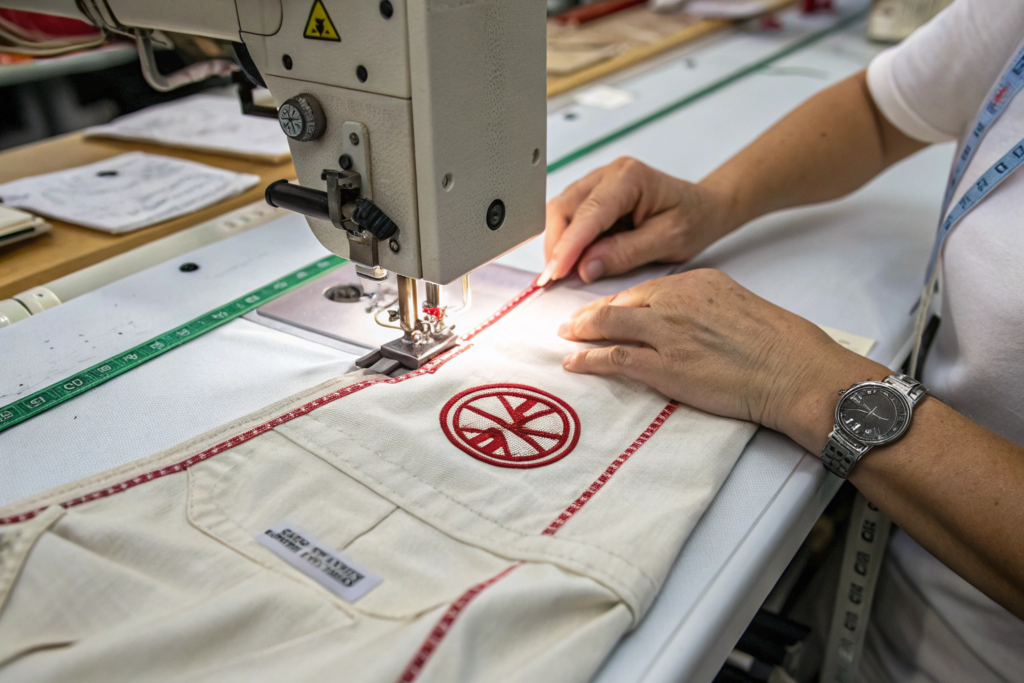
How do transparent placement templates and laser guides guarantee placement consistency?
A measurement written on a tech pack, such as “logo centered 2 inches below waistband seam,” is subjective. Different operators measure from different reference points. One measures from the top of the waistband. Another measures from the stitching line. The error compounds.
We manufacture a transparent acrylic template for every logo position on your pant. The template has a cut-out window exactly where the logo must sit. It has registration marks that align with the physical seam lines on the pant. The operator places the template on the fabric, aligns the marks, and applies the logo through the window. There is no measuring. There is no judgment. The template forces the correct position.
In our production line, we also project laser crosshairs from overhead onto the sewing station. The crosshairs mark the exact center point and the horizontal alignment. The operator matches the template to the laser. This double-lock system, physical template plus visual laser guide, reduces placement variation to under 2mm across an entire production run.
A brand with a precise geometric logo that required perfect horizontal alignment was struggling with their previous factory. Their logo tilted by 3-4 degrees on some units, which was visually obvious on a straight-line design. Our laser alignment system ensured zero tilt. We produced 800 units with a placement variation of less than 1mm. The client’s QC inspector spot-checked 50 random units and found zero placement defects.
Why is “pre-assembly branding” critical for linen’s heat-sensitive nature?
The worst way to apply a logo to linen is after the pant is fully sewn. The finished pant is bulky. It does not lay flat on the embroidery machine or the screen printing platen. The operator stretches the fabric to fit the machine, which distorts the placement. And the heat press for curing can press wrinkles and seam impressions into the finished garment.
We apply all logos to the individual cut panels before the pant is assembled. The back pocket is embroidered while it is a flat, unsewn piece of fabric. The waistband label is attached before the waistband is folded and sewn to the pant body. This “pre-assembly branding” sequence gives us a perfectly flat surface for precise application and allows any heat from curing to dissipate without affecting assembled seams.
For a client with a large, back-yoke embroidery across the upper seat of the pant, we embroidered the design onto the flat yoke panel before it was attached to the leg panels. The embroidery machine operated on a stable, flat surface. The tension was perfect. After embroidery, the panel was sewn into the pant. The logo flowed seamlessly across the yoke seam. This is impossible to achieve with post-assembly branding. The sequence of operations in our production line is redesigned around your branding requirements, not the other way around.
What is Our “Sealed Logo Standard” Quality Assurance System?
You approved a logo sample that looked perfect. The bulk arrives, and the logo thread color is slightly off. It is a shade lighter. Or the embroidery density feels thinner. The factory insists it is “within tolerance.” You cannot prove otherwise because your approved sample is sitting on your desk in New York, and the factory is referencing a different version. This is the “approval drift” that destroys brand consistency.
Our “Sealed Logo Standard” system creates a physical, notarized reference sample that is bisected and shared between you and our QC department, establishing a binary “match or no match” inspection criterion that removes all subjectivity from logo quality approval.
We do not rely on digital photos for logo approval. Digital photos lie. Lighting changes color. We rely on a physical standard that both parties hold.
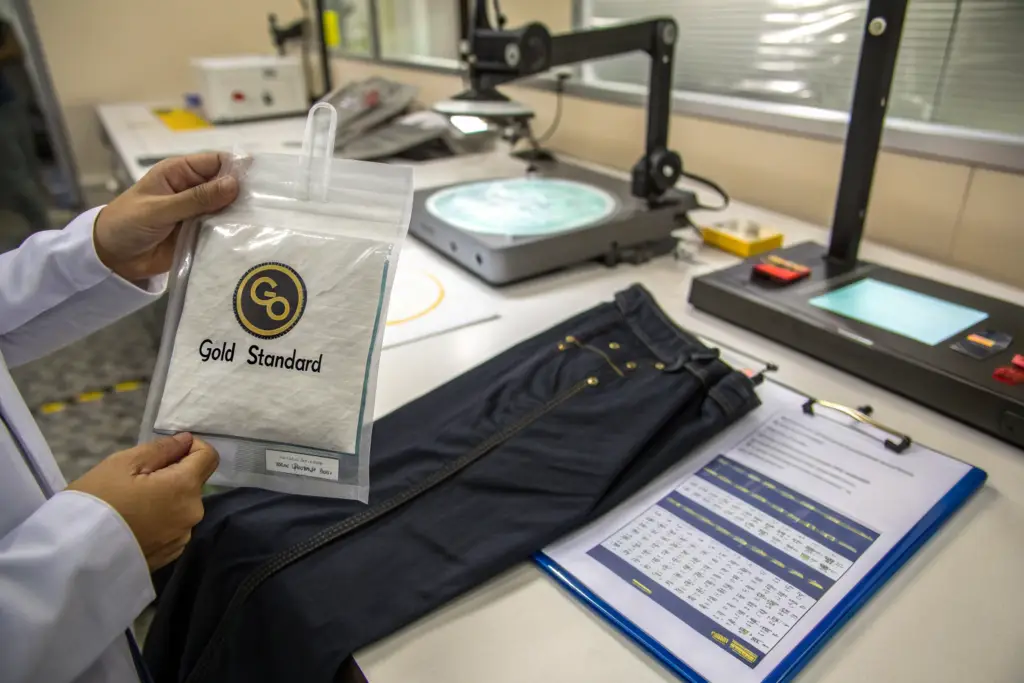
How does the “Split Physical Standard” work to prevent approval drift?
We produce a pre-production sample with your exact logo application. This sample uses the actual bulk fabric, the actual thread, and the actual ink. We inspect it internally to ensure it meets our standard. Then we send it to you for approval.
You receive the sample. You approve it, or you request adjustments. If you approve, we ask you to sign and date the hangtag attached to the sample. Then we ask you to do something unusual: cut the sample in half along a designated seam line. Keep one half. Ship the other half back to us.
The returned half becomes our “Gold Standard” for that specific order. It lives in a sealed plastic bag inside our QC department. When bulk production begins, our QC inspector pulls the sealed standard out of the bag and compares every logo detail against it: thread color, stitch density, placement position, and print hand-feel. If the bulk matches the sealed standard, it passes. If it does not match, the batch is rejected and corrected, no debate.
A brand owner from Melbourne was initially reluctant to cut her approved sample. But she did it. On her first bulk order, our QC inspector detected that the embroidery thread lot had a slight sheen difference from the sealed standard. The thread was technically the same color code, but the new lot had a higher mercerization level, making it slightly shinier. We rejected the embroidery batch, sourced the correct thread lot, and re-embroidered the panels. The brand owner received pants with a logo that matched her half of the sealed standard perfectly. She has used the split standard system for every reorder since. It is her guarantee of zero drift.
What specific logo quality checks are on our inspection checklist?
Our QC checklist for logo customization is separate from the general garment checklist. It is a dedicated, detailed inspection focused exclusively on your brand identity elements. The inspector works through this list for every batch.
| Inspection Point | Standard | Failure Condition |
|---|---|---|
| Placement Position | Match template ±1mm | Deviation over 2mm |
| Thread/Ink Color | Match sealed standard under D65 lightbox | Visible shade difference |
| Stitch Density | Match sealed standard stitch count per cm² | Under-density causing gaps |
| Embroidery Backing | Fully dissolved or trimmed, no stiffness | Stiff or scratchy residue |
| Print Adhesion | Pass 3x stretch test, no cracking | Cracking or peeling |
| Heat Press Marks | No scorching, no shine on linen | Visible iron mark or gloss patch |
| Label Attachment | Flat, no puckering, all four corners sewn | Label curling or loose stitching |
A European distributor increasing their order volume was concerned about quality degradation at scale. We shared this checklist with them and walked them through the sealed standard process via video call. They approved their bulk order without sending their own inspector to China. They trusted the system because the checklist and the physical standard made the inspection criteria transparent and enforceable. This is how we build long-term OEM partnerships. The quality system is visible, auditable, and repeatable.
Conclusion
Choosing Fumaoclothing for OEM linen wide-leg pants with logo customization means choosing a factory that treats your brand identity as a technical specification, not an afterthought. We bring your logo to life with embroidery, screen printing, and trim options that are specifically adapted to the slub texture and heat sensitivity of linen. We lock placement precision using transparent templates and laser guides, and we embed the branding step into the garment construction before panels are assembled. Most importantly, our “Sealed Logo Standard” split-sample system gives you a physical, enforceable guarantee that your bulk order will match your approved sample, down to the thread sheen.
Your logo is the first thing your customer sees when they unbox the pant. It is the detail that separates your brand from a generic commodity. We engineer that detail with the same precision we apply to the garment’s structural seams. If you are ready to produce linen wide-leg pants that carry your brand identity with zero compromise, contact our Business Director, Elaine, at elaine@fumaoclothing.com. Send us your logo artwork and let’s create your sealed standard sample.