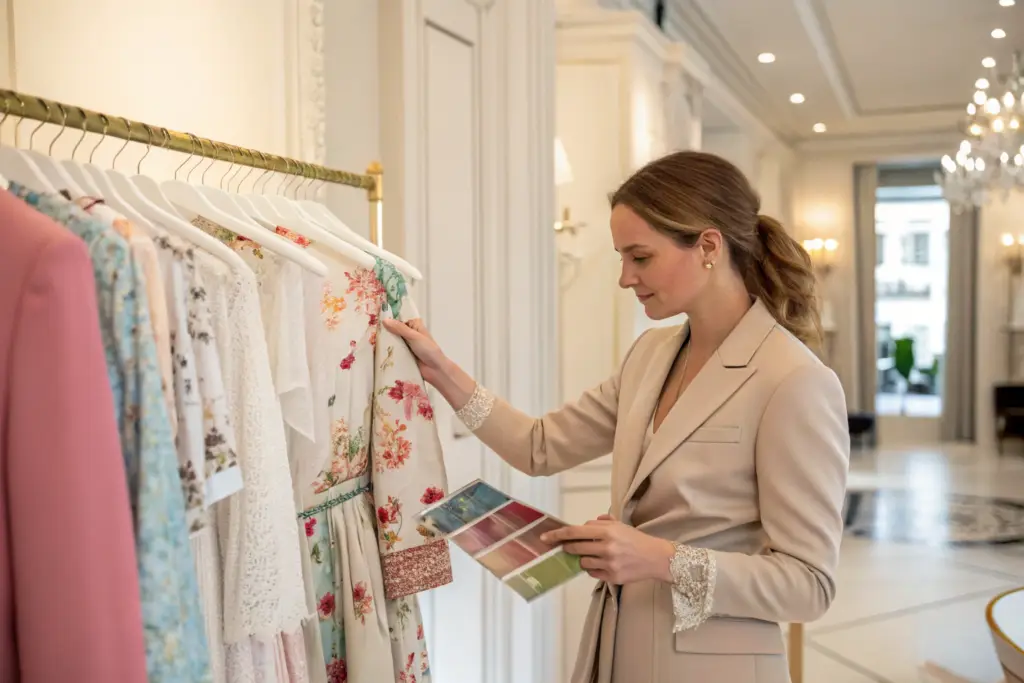
You know the frustration. You spend months perfecting a women’s collection. The drapes, the fits, the delicate trims. You find a factory. The sample they send back is a betrayal. The bias-cut dress hangs like a sack. The lace trim is a cheap nylon substitute. The size medium fits like a size small. You realize the factory simply does not understand the precision, the fluidity, and the emotional appeal that women’s fashion demands. They can sew, but they cannot feel. This is why US brand owners come to us, often after a painful experience with a supplier who treated their sensitive blouse like a rugged t-shirt.
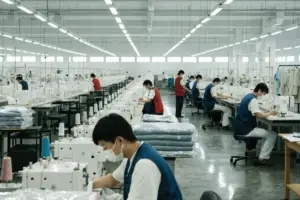
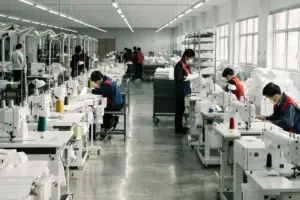
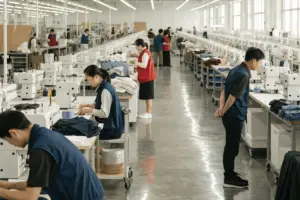
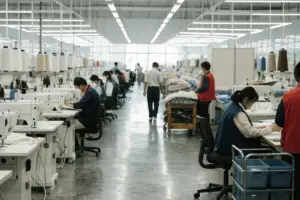
US owners choose Shanghai Fumao for women’s wear because we combine a genuine sensitivity to feminine design with industrial-scale production muscle. We specialize in the fluid drapes, the complex bias cuts, and the intricate trims that define premium women’s fashion. We don’t just execute a tech pack; we interpret the design intent, catch fit issues before cutting, and protect the delicate soul of the garment through every step of production.
What does "sensitivity to feminine design" actually mean on a factory floor? It means our sample room understands that a viscose crepe behaves differently from a silk charmeuse. It means our cutting tables are programmed to handle the bias grain without distortion. It means our finishing cell treats a lace-insertion camisole as a piece of jewelry, not just another sewn item. Let me show you the specific disciplines that make us the preferred manufacturing partner for ambitious US women’s wear labels.
Mastering Fluid Drapes and Complex Bias Cuts
Women’s fashion is not static. It moves. A dress on a hanger is dead fabric. A dress on a woman walking into a room is a living sculpture. The secret to that living quality is often the bias cut. Cutting fabric on a 45-degree angle to the weave transforms its behavior. It becomes elastic, fluid, and body-skimming. But cutting on the bias is risky. The fabric stretches and shifts during cutting and sewing. A slight error in handling turns a beautiful drape into a twisted, puckered seam. Most factories hate bias cuts. We specialize in them.
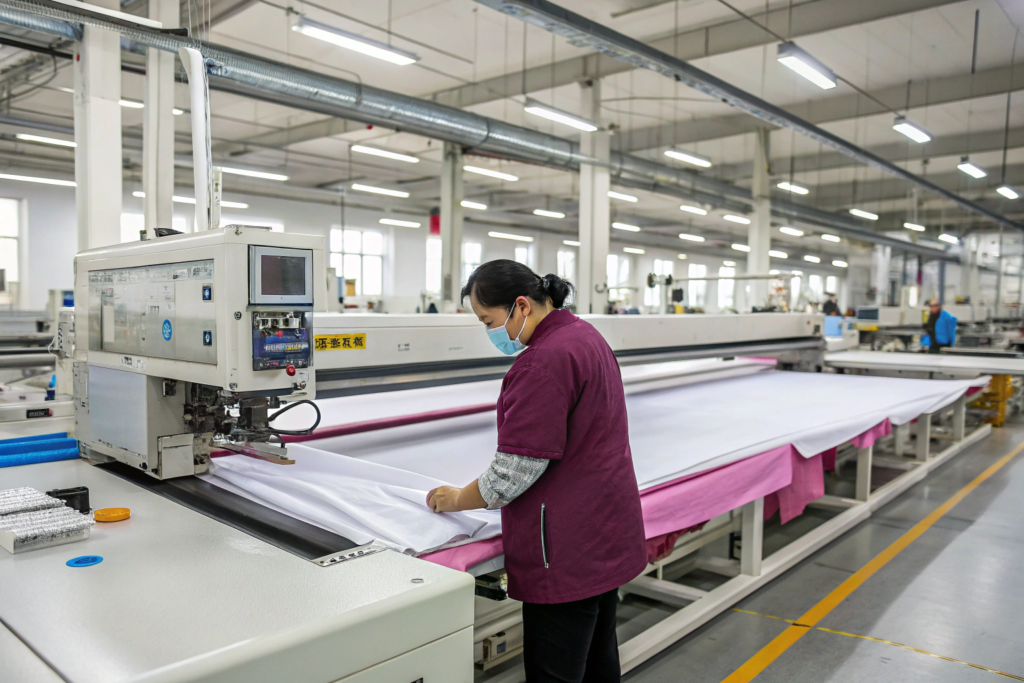
Our mastery of the bias cut is a core technical advantage for US women’s wear brands. We use specialized automatic spreaders with tension-control to lay out delicate fabrics without distortion. Our cutting room uses single-ply laser cutting for slippery silks, ensuring each panel is perfectly aligned with the true bias grain. Our sewers use differential feed machines to join bias seams without stretching or puckering, preserving the fluidity you designed.
Why Does a Bias-Cut Dress Demand Such Specialized Handling?
The bias grain is inherently unstable. If you spread silk charmeuse on a standard table with even slight tension, the fabric stretches. When the tension is released after cutting, the panel shrinks back, and the shape is wrong. This is why so many bias-cut samples come back fitting poorly. We solved this with two specific technologies.
First, our automatic spreading machines have a "zero-tension" mode. The fabric roll is motorized to unroll without any pulling. The fabric floats onto the cutting table in a completely relaxed state. Second, we use single-ply laser cutting for the most delicate silks. The laser beam cuts without touching, so there is zero physical drag on the fabric. For a Los Angeles-based contemporary dress brand, this method reduced their bias-cut panel distortion from an industry-typical 3% to under 0.5%. The dresses fit their size chart perfectly from the first sample. This is how we engineer the fluidity that makes a bias dress so flattering and desirable. You can explore more about this technical craft from resources on bias garment construction.
How Do We Prevent Seam Puckering on Viscose and Crepe?
A fluid fabric like viscose crepe can easily pucker at the seam. The feed dogs of a standard sewing machine push the bottom layer faster than the top layer. This creates a rippled, home-made looking seam. Our solution is the differential feed machine. This allows the operator to independently adjust the movement of the front and rear feed dogs.
We can set the machine to ever so slightly stretch or ease the fabric as it feeds, perfectly matching the two layers. The result is a seam that lies dead flat, even on the most slippery crepe. Our senior seamstresses are trained to test the feed setting on a fabric swatch before starting the actual garment. For a New York-based brand specializing in crepe blouses, this single machine adjustment eliminated a persistent puckering issue they had endured with their previous supplier. The seam quality instantly elevated the perceived value of the blouse. This dedicated approach to material-specific sewing is what sets a women’s wear specialist factory apart.
Intricate Detailing: Lace, Ruffles, and Specialty Trims
The difference between a $50 blouse and a $300 blouse is often found in the trim. A cheap, scratchy lace. A plastic button that looks hollow. A ruffle that is stiff and poorly gathered. Women’s wear is about the details. These details are the first thing a customer touches in a fitting room. We run a dedicated trimming and detailing cell for exactly this reason. This is not a side task on the main production line. It is a specialized craft department with its own quality standards, its own lighting, and its own pace.
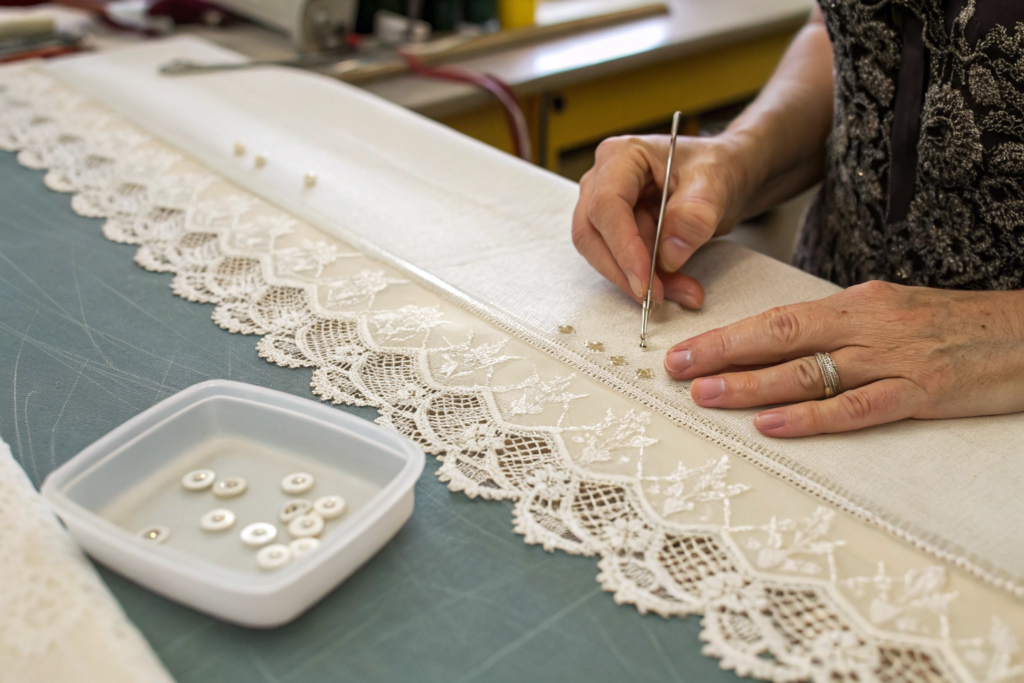
Our women’s wear line features a dedicated detailing cell that handles all lace application, ruffle gathering, and specialty trim attachment. We use heirloom-quality pin-stitching for lace insertion, and we set our ruffle ratios precisely to your design specification. Our artisans treat trim not as an add-on, but as the focal point of the garment. We source our laces and trims from certified suppliers to ensure colorfastness and skin-safe softness.
What Is a Pin-Stitch and Why Is It Essential for Heirloom Lace Application?
A standard lockstitch to attach a lace trim creates a bulky, visible seam. It buries the delicate edge of the lace. A pin-stitch is a tiny, nearly invisible hand-guided machine stitch. It uses a very fine needle, often a size 70, and a fine cotton or silk thread that matches the lace. The needle barely catches the edge of the lace, creating small, discrete bridges of thread that blend into the fabric.
This technique preserves the full beauty of the lace edge. It looks like the lace is floating on the fabric. For a Texas-based brand producing bohemian-inspired cotton lawn dresses, we switched their lace application from a standard lockstitch to a pin-stitch. The visual improvement was dramatic. The lace suddenly looked delicate and precious, not just sewn on. The dresses moved from a "handicraft" aesthetic to a "luxury boutique" aesthetic. This is the power of knowing and executing the correct fine sewing technique for the material at hand.
How Do We Guarantee Consistent Ruffle-to-Fabric Ratios?
A ruffle is a mathematical equation, not a random act of gathering. The ruffle ratio is the relationship between the flat fabric length and the gathered length. A 2:1 ratio creates a soft wave. A 3:1 ratio creates a full, lush cascade. If the ratio is inconsistent across a production run, the garment looks asymmetric and cheap.
We guarantee ruffle consistency using a programmable ruffler foot and a "pre-gather" measurement protocol. The operator sets the machine to gather at the exact specified ratio. Before sewing the ruffle to the garment body, they measure the gathered piece to confirm it matches the required finished length within a 2% tolerance. This is checked on the first piece and then sampled hourly by our quality inspector. For a Miami-based brand whose signature is a dramatic ruffled maxi dress, this protocol ensures that every single dress has the identical, voluminous silhouette that their Instagram customers expect. This quality of detail is why brands rely on us for their statement pieces.
Consistent Fit Across a Comprehensive Size Range
A dress that fits perfectly on a size 6 but pulls and gapes on a size 14 is a design failure. Women’s bodies change shape as they change size. The ratio between bust and shoulder width shifts. A grade rule that simply scales all measurements up by a fixed percentage will produce a poor fit on the larger sizes. This is a technical flaw that frustrates real women and drives returns. We take fit engineering seriously. We don’t just grade a pattern; we validate it on physical fit models for every size cluster.
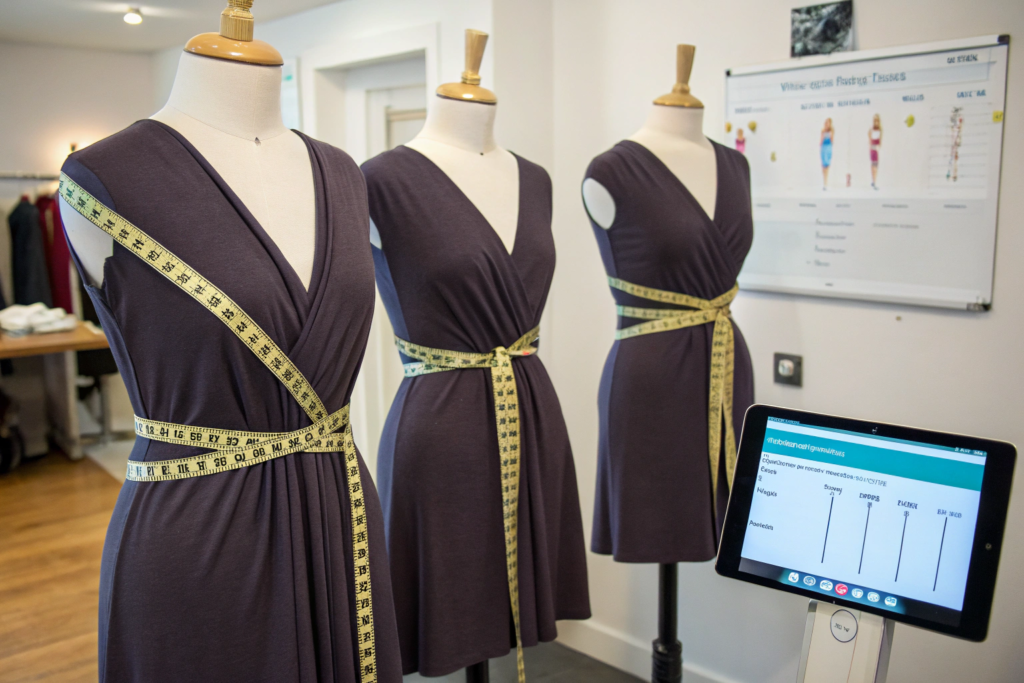
We use a dual-approach to fit consistency: digital 3D fit mapping followed by physical fit sessions on live models. Our pattern grading is adjusted based on specific body shape data, not just linear scaling. For every new style, we produce a size run sample (S, M, L, XL) and fit them on models. Our pattern master adjusts the grade rules until the design intent, the correct drape and proportion, is faithfully maintained on every size.
Why Does 3D Fit Mapping Reduce Returns Across a Size Range?
A 2D pattern does not reveal fit stress. 3D mapping does. We import your graded patterns into our 3D simulation software. The software maps the virtual garments onto parametric avatars representing your target size range, from size 2 to size 18. It generates a tension heatmap.
Areas of high tension show red. This could be a pulling bust dart on the size 14, or a gaping armhole on the size 2. We see these stress points instantly. Our pattern master adjusts the dart intake or the armhole curve on the 2D pattern, and the 3D simulation updates in real-time. This virtual fitting eliminates two rounds of physical samples and catches grade-specific fit issues that a single-size sample never reveals. This use of 3D fitting technology for grade rule validation is a core part of our commitment to consistent fit. It means your customer, whether she is a size 4 or a size 16, experiences the dress the way you intended.
How Do Live Model Fit Sessions Validate Our Digital Work?
Data is essential. The human eye and the human body are the final judge. After we pass the digital fitting, we cut and sew a full-size run of physical samples. We have a pool of professional fit models who match our standard size blocks. Our pattern master and our senior seamstress conduct a live fit session.
The model moves. She sits, she raises her arms, she walks. We watch how the fabric behaves on a dynamic body. We check the hang of a bias skirt, the security of a wrap neckline, the comfort of an armhole. We mark adjustments directly on the garment with pins and chalk. These observations feed back into the final pattern file. The digital model gets us 95% of the way there. The live model delivers the final 5% of real-world perfection. This dual system, combining algorithmic precision with human experience, is how we deliver a fit that makes women feel confident and beautiful.
Conclusion
US owners choose Shanghai Fumao for women’s wear because we understand that a woman’s garment is an emotional and sensory experience. It must move with the body. It must feel exquisite against the skin. The details must delight on close inspection. And the fit must flatter across every size you offer. This requires a factory that is as much an atelier as it is a production center.
We have built that factory. We master the bias cut with zero-tension technology. We elevate trims to heirloom quality with dedicated craft cells. We engineer fit consistency with both 3D mapping and live models. We do not just manufacture women’s clothing. We bring a designer’s vision to life with technical empathy and manufacturing excellence. The result is a garment that sells at full price because it makes a woman feel as beautiful as she looks.
If you are a US women’s wear brand that has struggled with a factory that "just doesn’t get it," I invite you to experience the Shanghai Fumao difference. Let us take one of your current styles, a best-seller that maybe has a lingering fit or finishing issue, and show you how we would elevate it.
Contact our Business Director, Elaine, at elaine@fumaoclothing.com. She will set up a call to discuss your technical challenges and arrange for our sample room to produce a complimentary evaluation sample. Let us show you why so many US owners trust us with their most important creations.